News
Don’t use political talk shows to create tension – NCCE

The National Commission for Civic Education (NCCE) in the Wa West District of the Upper West Region has called on political activists to exercise circumspection in their utterances during political talk shows on radio and television to avoid creating tensions in the country.
The call included the need for political activists to consider their political rivals healthy competitors and not enemies who were all seeking for the development of the country and avoid name calling and abusive language that could lead to violence.
The District Director of the commission, Mr. Nurideen Mumuni, who made the call at an Inter-party Dialogue Committee (IPDC) meeting at Wechiau on Tuesday indicated that respect and tolerance were critical in political discourse of every country.
The meeting which brought together youth and women groups, political activists, persns with disabilities, among others formed part of activities scheduled under a European Union Funded Project dubbed ‘Preventing Electoral Violence and Providing Security to the Border Regions of Ghana (NORPRESEC)’.
The Director underscored the need for political activists to be decorous on national media platforms in order not to create dissention among one another.
“When people feel disrespected by what others say, they try to retaliate by using more abusive words and this kind of discourse can fuel tension which is not really needed in the country”, he said.
He explained that peacebuilding included tolerance and involvement of everyone such that people felt significant and said there was the need to serve the interest of the various groups; marginalised, persons with disabilities as well as those perceived to be powerful in society.
Mr. Nurideen said that the aim of the commission was to use stakeholder dialogue to foil possible external attacks from violent extremists by blocking internal loopholes that could fuel such attacks.
On his part, the chairman of the Inter-Dialogue Committee, Mr. Abdulai Iddrisu defined violent extremism as an act of condoning and enacting violence with a deliberate intent to eliminate or cause injury to n opponent typically for religious or political reasons.
He encouraged participants to develop joint community strategies that would help identify and prevent early signs of extremist attacks in their respective communities and encouraged the youth to stay away from suspicious characters.
The Wechiau District Pastor of the Church of Pentecost, Pastor Alfred Assih advised Ghanaians to use proper channels to get their grievance addressed without resorting to violence.
From Lydia Darlingon Fordjour, Wechiau


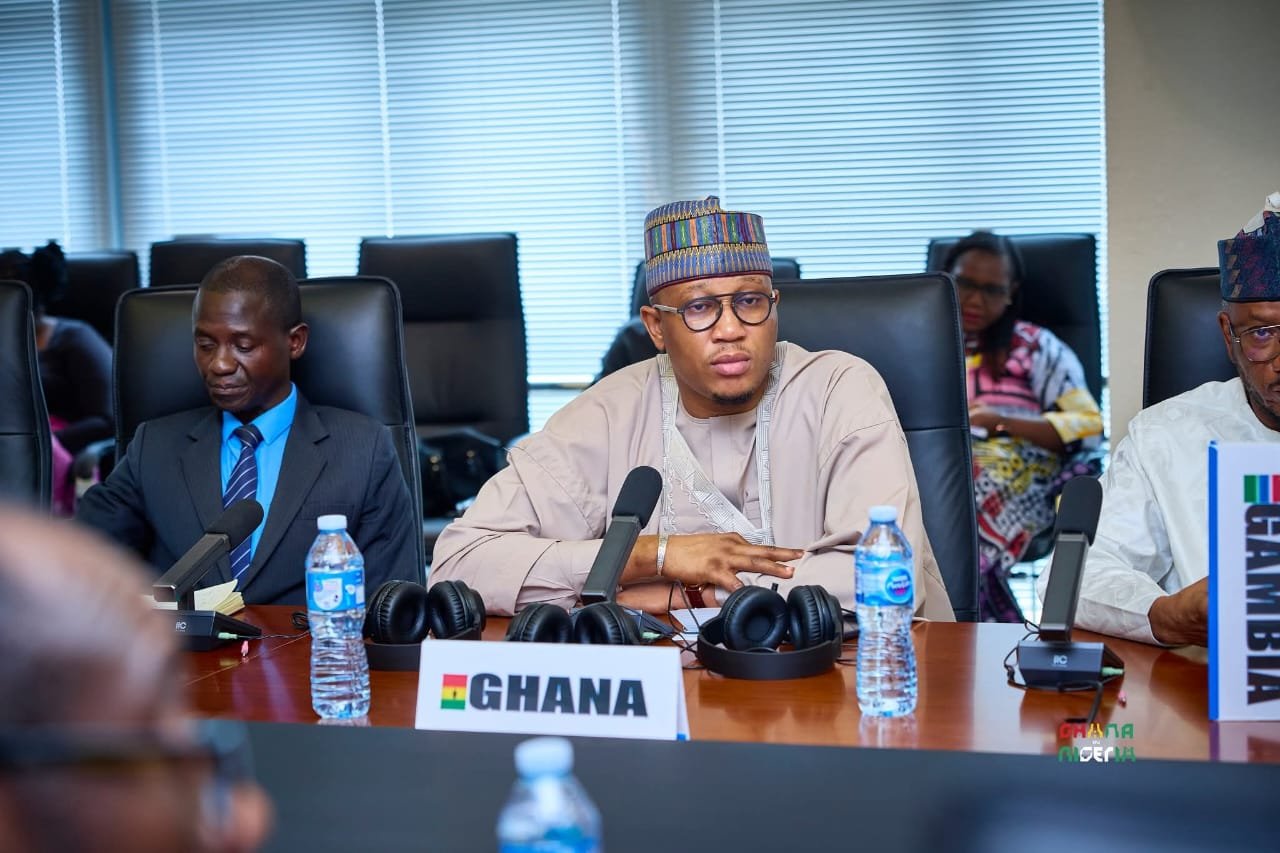
The Ghana High Commission in Abuja, Nigeria, is appealing to the public to help trace the relatives or next of kin of Apia Solomon, a Ghanaian national believed to be from Osu, Accra.
According to a public announcement by the High Commission, Mr. Solomon, born on March 6, 1960, in Accra, died on July 5, 2021, from cardiopulmonary failure.
He worked as a temporary civilian staff member at the National Defence College in Nigeria. His remains are currently being kept at the Nigerian Air Force Hospital morgue in Abuja, pending burial arrangements.
The High Commission says efforts to locate his relatives have so far been unsuccessful and is urging anyone with information about his family, friends or next of kin to come forward.
Anyone with relevant information is encouraged to contact the Ghana High Commission in Abuja.
By: Jacob Aggrey
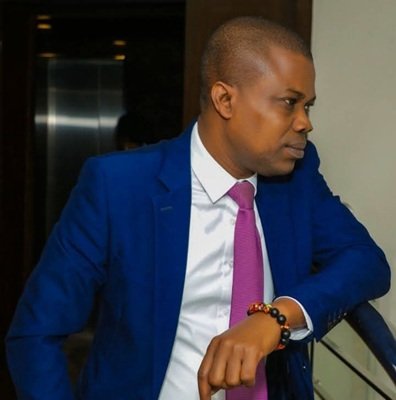
Security consultant Richard Kumadoe has blamed what he describes as flawed recruitment and incomplete background checks for some of the problems facing the Bureau of National Intelligence (BNI).
He has called on the leadership of the BNI to review the backgrounds of officers recruited during specific periods, particularly those who entered the agency under recent recruitment processes.
Speaking on the issue on TV3 yesterday, Mr Kumadoe alleged that some individuals were recruited into the intelligence agency without proper background checks and completed vetting.
“Certain categories of persons were dumped into the BNI, whose backgrounds were not checked, and whose vettings were not completed,” he stated.
He said some of the officers linked to the concerns appeared to have been recruited within the same period, making it necessary for the agency to examine the recruitment records and backgrounds of those who joined during that time.
Mr Kumadoe argued that the problems could be addressed by ensuring that recruitment procedures were properly followed and that all applicants underwent the required checks before being employed.
According to him, when the selection process is flawed, it can lead to problems within the institution.
He blamed the politicisation of security institutions, arguing that appointing people without the necessary intelligence experience and allowing political interests to influence recruitment could undermine their operations.
“When you have a selection procedure that was flawed because you politicised the place, brought in people to come and head the place when they have no business being there, they don’t know anything about being a BNI officer, they are not intelligence officers, and you flood the place with politicians and political artists, then you circumvent the standard procedure and you are going to have some of these problems,” he said.
Mr Kumadoe, however, defended the current leadership of the BNI, arguing that efforts to address longstanding problems within security institutions could bring such issues to light.
He said the leadership should be assessed in the context of the steps it is taking to improve the agency’s operations and uphold professional standards.
Drawing on his own experience in the intelligence field, he said the opportunity to serve under experienced officers had helped him develop the skills and integrity needed to contribute to national security.
By: Jacob Aggrey