News
Customer service in Ghana, the sight from my rearview mirror not good …but there’s hope


- /home/u249204778/domains/spectator.com.gh/public_html/wp-content/plugins/mvp-social-buttons/mvp-social-buttons.php on line 27
https://spectator.com.gh/wp-content/uploads/2022/02/Customer-Service-Pix.jpg&description=Customer service in Ghana, the sight from my rearview mirror not good …but there’s hope', 'pinterestShare', 'width=750,height=350'); return false;" title="Pin This Post">
- Share
- Tweet /home/u249204778/domains/spectator.com.gh/public_html/wp-content/plugins/mvp-social-buttons/mvp-social-buttons.php on line 72
https://spectator.com.gh/wp-content/uploads/2022/02/Customer-Service-Pix.jpg&description=Customer service in Ghana, the sight from my rearview mirror not good …but there’s hope', 'pinterestShare', 'width=750,height=350'); return false;" title="Pin This Post">
In the last three years, Ghana has warmly welcomed all people from the Diaspora under the year of return and beyond the return program. A great initiative encouraging them to come back to their roots. Lots of economic and social activities are carefully designed to welcome the presence of over 1.5 million tourists from across the world, with different ethnic and cultural values being absorbed into the Ghanaian way of life.
From restaurants, hotels, pubs, clubs, tourist sites, etc, one can tell our family from the Diaspora has engaged the services of locals one way or the other. Customer service is defined as the assistance and services provided by a company to those who buy or use its products or services. Can we now say the Ghanaian community has met their expectations in terms of customer service?
Known globally for its political stability, Ghana has been named for being one of the fastest-growing economies in Africa. It is regrettable to know we didn’t deliver in terms of customer service.
Most repatriates do not have great comments on our customer service, something even we locals complain about daily. With the reams of people ready to use their services, business owners feel it is the loss of a customer if they walk out on them in search of better service. In some instances, even complaints to managers or owners prove futile.
Some business owners engaged potential customers to patronise them only to return after minutes, saying the required service is unavailable. Shocked? How about online sellers who boldly display items seeking for budding customers only ask that they call, DM or WhatsApp for prices? Prices are then dished out by social media display pictures.
Waiters and waitresses make customers feel bad by asking for quality service. They beg customers not to complain about the services for fear of losing their jobs some crying in the process. An emotional customer would let go, assimilating the poor service being rendered. You get managers saying orders can’t be changed rule from above. And the worst is still paying the delivery fee for the ones you can return.
So I ask, shouldn’t customer service certificates be made mandatory before one can render service and to the waiter, waitress, delivering, etc. a requirement before hiring? How do we convince the trotro mate, market seller, and cobbler to also have such a certificate? Should we dwell on reviews and refunds as a stunt to gain better customer service? Boycotting institutions due to poor service made a thing?
Perhaps we should go easy on them instead of demanding to be treated better.
A school of thought once said you become a million in Africa by living the street truth, being on time, and good customer service. I guess most businesses haven’t understood this concept yet.
Can we say we are not there yet as a country?
I’m a customer and would take my commerce elsewhere when not treated right.
By Daisy Mina Antwi

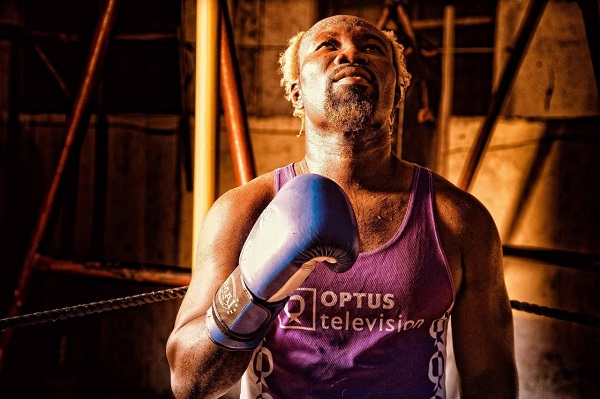
The Accra Regional Police Command has arrested former professional boxer Michael Ayitey Okai, popularly known as “Ayitey Powers,” over an alleged threat of death against the Director-General of the National Sports Authority, Yaw Ampofo.
According to the Police, the 46-year-old former boxer was arrested on Monday, August 24, 2026, in connection with the alleged threat.
The Police said the arrest followed a video circulating on social media in which Ayitey Powers is alleged to have issued the threat against Mr Ampofo.
He is currently in Police custody and is assisting with investigations.
The Accra Regional Police Command said investigations are ongoing to establish the circumstances surrounding the alleged threat and determine the appropriate action to be taken in accordance with the law.
The Command has urged the public to refrain from sharing unverified information about the matter while the investigation continues.
By: Jacob Aggrey
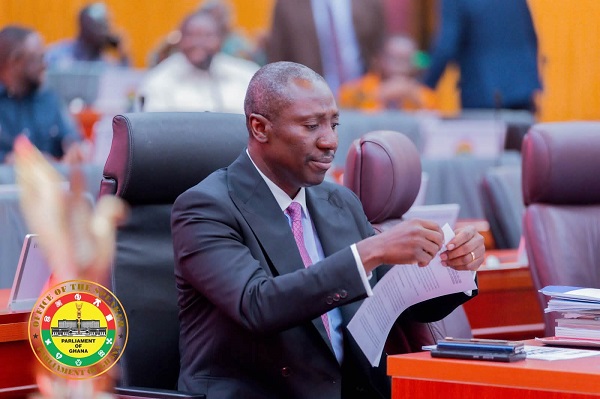
Minority Leader in Parliament Alexander Afenyo Markin has sued the Chief Executive Officer of the Ghana Gold Board (GoldBod), Sammy Gyamfi, and Multimedia Group Limited over alleged defamatory comments made against him on the Newsfile programme.
In a writ filed at the High Court in Accra, Mr Afenyo Markin is seeking GH¢15 million in damages, an apology and retraction of the statements, among other reliefs.
The suit follows comments allegedly made by Mr Gyamfi during the Saturday, August 22, 2026 edition of Newsfile, hosted by Samson Lardy Anyenini.
According to the statement of claim, Mr Gyamfi described Mr Afenyo Markin as an “extortionist” while responding to a question about GoldBod’s reported profits and its position on losses arising from its operations.
The plaintiff claims that Mr Gyamfi repeated the allegation when the host sought clarification on whether he stood by the description.
Mr Afenyo Markin further claims that Mr Gyamfi challenged him to sue him and insisted that the allegation was true.
The plaintiff argues that the statements created the impression that he engages in extortion, uses his political influence to put improper pressure on public institutions and officials, and conducts himself in a manner inconsistent with the standards expected of a lawyer and public office holder.
He denies the allegations and maintains that he is not an extortionist and has never engaged in the conduct alleged by Mr Gyamfi.
The Minority Leader also argues that the comments were made maliciously and were presented as facts without evidence being disclosed.
He claims the statements have damaged his reputation, professional standing and public image, particularly because of his position as a senior political figure and legal practitioner.
The suit also names Multimedia Group Limited as a defendant because, according to the plaintiff, the alleged defamatory comments were broadcast through JoyNews and subsequently circulated on social media platforms, including X, Facebook and YouTube.
Mr Afenyo Markin claims Multimedia failed to stop the comments or deactivate Mr Gyamfi’s microphone after the allegations were made.
He is therefore asking the court to award him general, aggravated and exemplary damages, as well as GH¢15 million in compensation and legal costs.
He is also seeking an order compelling the defendants to issue a full, unconditional and unequivocal retraction and public apology.
The plaintiff wants the apology and retraction to be given similar prominence and reach as the original publication, including through JoyNews and the social media platforms where the comments were disseminated.
He is further seeking a permanent injunction preventing the defendants from repeating the alleged defamatory statements or words with a similar meaning.
The writ requires the defendants to enter an appearance within eight days after being served.
It warns that failure to do so could result in judgment being entered in their absence.
The case was filed by lawyer Paa Kwesi Abaidoo of Dehyena Chambers on behalf of Mr Afenyo Markin.
By: Jacob Aggrey