News
CSOs urge ‘more transparency’ in COVID-19 expenditure

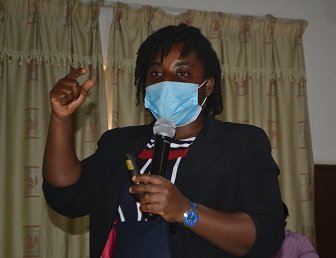
Four Civil Society Organisations (CSOs) have called for “more transparency and accountability” in the use of funds meant to tackle the COVID-19 pandemic.
The organisations including, SEND Ghana and the International Budget Partnership, indicate that there have been “significant gaps and inconsistencies” in the provision of information on COVID-19 expenditures by the government.
Recommendations put forward by the CSOs, in a recent survey report, highlighted the need for the Auditor General to “conduct special audits into COVID related spending to ensure value for money.”
The CSOs, presenting the survey report dubbed “Managing COVID Funds: The Accountability Gap”, urged the Ministry of Finance to provide “quarterly briefs on COVID-19 spending from all funding sources.”
The findings presented at stakeholders’ forum in Accra on Tuesday, focused on transparency, extent of public participation, gender-responsiveness, among other aspects of Ghana’s COVID-19 response.
It further sought feedback from individuals on some of the policies introduced by the government between 2020 and 2021 to help tackle the pandemic.
Other partners of the study are the Network for Women’s Right in Ghana (NETRIGHT), BudgiT Ghana, and Community Development Alliance (CDA).
The survey report, which commended the government’s role in reducing the impact of the pandemic, however, indicated that “the lack of information” on emergency medical procurements was one of the “transparency gaps” in the management of COVID-19 funds.
“Many contracts have been entered into by the government of Ghana in the procurement of health equipment, infrastructure and services to help contain the pandemic and mitigate its socio-economic costs. For now, information is lacking as to what procurement processes were undertaken and whether value for money has been ensured.
“There were limited formal opportunities made available by the government to consult with the public around the formulation or implementation of the COVID-19 response, though there were some informal inputs made by specific interest groups,” the report said.
Madam Patricia Akakpo, a representative of NETRIGHT, presenting a gender analysis of COVID-19 related policies, emphasised that the pandemic had worsened existing gender and income inequalities.
She, therefore, urged stakeholders to ensure that policies meant to control the pandemic do not impact the poor and vulnerable negatively.
She stressed the need for government to help eliminate stereotypes and harmful practices such as forced and early marriage and several others that discriminated against women, and called for adequate financial and social reward for health workers to help reduce attrition from the health service.
By Ernest Nutsugah


The state has closed its case in the Republic v Akonta Mining and two others.
The case was heard earlier today at the Accra Criminal Court, where state prosecutors and CID investigators from the Ghana Police Service closed the Republic’s case.
In all, the prosecution called three witnesses to prove its case, two former employees of Akonta Mining Company Limited and a detective from the Ghana Police Service.
According to an update on the case, the two former employees testified to Mr Bernard Antwi-Boasiako’s deep involvement in Akonta Mining Company’s alleged illegal mining activities in the Tano-Nimiri Forest Reserve.
The police detective tendered in evidence drone footage and other audio-visual materials and official communications in support of the testimonies of the two former Akonta Mining employees.
The accused persons, through cross-examination of the witnesses, sought to dissociate themselves from every mining activity in the Tano-Nimiri Forest Reserve.
At the close of the prosecution’s case, counsel for the accused persons asked the court to allow him to call the first prosecution witness back into the witness box for further cross-examination.
The court gave him up to Friday, October 30, to file a formal motion to recall the witnesses.
The case has been adjourned to November 4 for the motion to be heard.
By Edem Mensah-Tsotorme
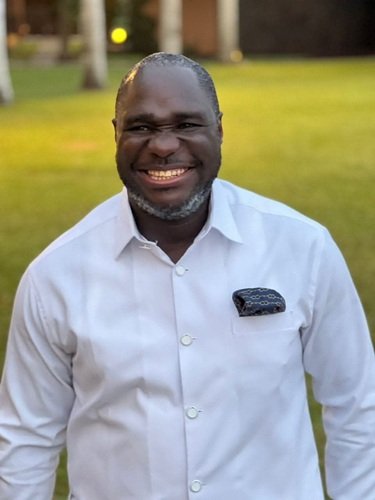
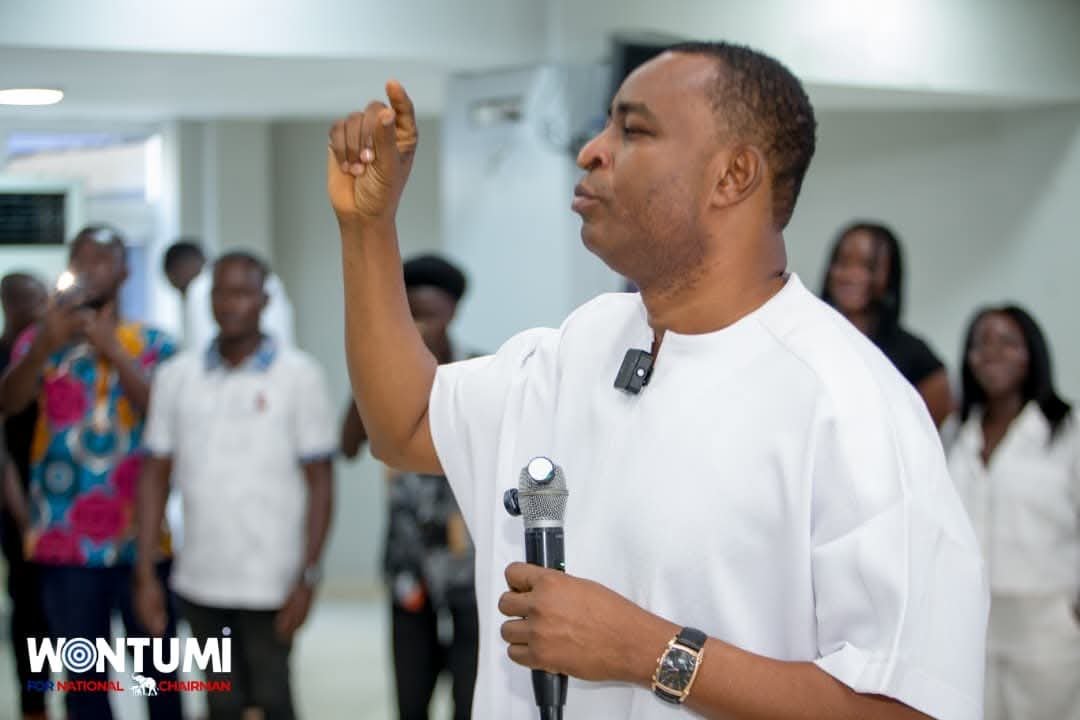
Dr Palgrave Boakye-Danquah, spokesperson to NPP Ashanti Regional Chairman Bernard Antwi Boasiako, popularly known as Chairman Wontumi, has called on the government and Parliament to undertake major reforms in Ghana’s prison system, including the construction of a dedicated prison hospital and the introduction of regulated conjugal visits.
In a press statement issued on Tuesday, October 27, 2026, Dr Boakye-Danquah shared Chairman Wontumi’s observations and recommendations following his remand on July 20, 2026.
According to the statement, Chairman Wontumi’s experience in prison has given him the opportunity to interact with prison officers and inmates and observe the challenges facing the Ghana Prisons Service.
The statement noted that the NPP chairman believes the correctional system must move beyond punishment to focus on rehabilitation, welfare and productivity.
One of his major concerns is the lack of dedicated, well-equipped prison hospitals, ambulances and standby generators in several prison facilities.
Dr Boakye-Danquah said Chairman Wontumi had raised concerns about the difficulties in providing medical care to seriously ill inmates, including those suffering from tuberculosis.
He is therefore calling for the construction of a modern prison hospital to serve facilities across the country. In the interim, he has proposed emergency arrangements with the 37 Military Hospital and the Police Hospital.
On the welfare of prison officers, Chairman Wontumi has urged the government to review their salaries, accommodation and conditions of service.
He has also called for proper classification of inmates, arguing that minor offenders should not be housed alongside armed robbery convicts and that persons facing trial for serious offences, including treason and terrorism, should be appropriately separated from other inmates.
The statement further highlighted concerns about the need for counselling and behavioural support for young inmates, particularly those serving sentences for defilement-related offences.
Chairman Wontumi has also called for a clear policy on the classification and management of LGBTQI+ inmates within the prison system.
On family relationships, he has proposed the creation of designated private areas where prisoners can receive visits from their spouses and children.
He believes regulated conjugal visits could help preserve marriages, reduce tension among inmates and support rehabilitation.
“The prisoner is the one in prison, not the children or spouse,” the statement noted, explaining his position on the need to protect family relationships during incarceration.
Chairman Wontumi has appealed to the Ministry of Food and Agriculture to support prison farms with the necessary equipment to improve food production.
According to the statement, the Ghana Prisons Service has access to vast lands and skilled labour but faces a shortage of agricultural equipment, with only one tractor reportedly available for farming and garbage-related activities.
He has further proposed greater collaboration between prison authorities and the justice sector, suggesting that regional prison commanders should be included in relevant discussions because of their knowledge of prison conditions and inmate rehabilitation.
On infrastructure, Chairman Wontumi has called on the government and private sector to invest in modern prison facilities and factories, arguing that the system has seen limited structural improvements over the years.
Appeal to Parliament
Dr Boakye-Danquah said Chairman Wontumi had made a special appeal to Parliament to lead efforts towards comprehensive prison reform.
He is urging the Speaker of Parliament to initiate discussions on prison conditions as a human rights and national development issue.
He has also called on the Majority and Minority caucuses to work together to pass a new Prison Reform Act and approve funding for a dedicated prison hospital, ambulance services, standby generators and agricultural equipment.
Additionally, he wants the Parliamentary Select Committees on Defence and Interior, Health, and Food and Agriculture to undertake working visits to prisons across the country to assess conditions firsthand.
According to the statement, Chairman Wontumi believes bipartisan cooperation between the Majority and Minority caucuses is necessary to secure the legal and financial reforms required to improve the prison system.
He has called for broader prison reforms across Africa, expressing hope that Ghana could lead the continent in improving correctional facilities.
Reflecting on his experience since July 20, Chairman Wontumi stated: “At this experience since July 20th till date, prison doesn’t reform as it should be. I pray that the entire Africa will learn from Ghana.”
The statement added that Chairman Wontumi remained in high spirits.
By: Jacob Aggrey