Nutrition
Conquering heartburn with our diet

- /home/u249204778/domains/spectator.com.gh/public_html/wp-content/plugins/mvp-social-buttons/mvp-social-buttons.php on line 27
https://spectator.com.gh/wp-content/uploads/2024/07/Hisbicus-flower.webp&description=Conquering heartburn with our diet', 'pinterestShare', 'width=750,height=350'); return false;" title="Pin This Post">
- Share
- Tweet /home/u249204778/domains/spectator.com.gh/public_html/wp-content/plugins/mvp-social-buttons/mvp-social-buttons.php on line 72
https://spectator.com.gh/wp-content/uploads/2024/07/Hisbicus-flower.webp&description=Conquering heartburn with our diet', 'pinterestShare', 'width=750,height=350'); return false;" title="Pin This Post">
A balanced diet
In this chapter, we will be discussing how we can conquer heartburn with our diet.
Heartburn is a painful burning sensation in the chest and/or throat, which occurs when stomach acid and other digestive juices back up into the eosophagus (the tube that carries food to the stomach).
Almost everyone gets heartburn sometimes, but if you have heartburn more than twice a week, you may have gastroeosophageal reflux disease (GERD). Here is what you need to know.
A one-way valve sits just above the stomach, which opens to allow food from the eosophagus to enter the stomach, and closes tightly to prevent vice versa.
In GERD, this valve does not close tightly enough to prevent the digestive juices in the stomach from climbing up into the eosophagus, which irritates the eosophagus, leading to the characteristic chest and/or throat pain and discomfort.
Certain medications, foods and alcohol can bring on heartburn, and management of this condition may be medical or dietary;
Foods to include
• High fiber diet such as whole grains, fruits (with the exception of citrus fruits) and vegetables
• Foods rich in omega-3 fatty acids, such as salmon, flax seeds, and walnuts
• Water; it flushes out the eosophagus
Foods to avoid
• Fatty foods such as fried foods
• Coffee
• Tea
• Whole milk
• Spicy food
• Citrus fruits
Lifestyle changes
• Weight loss through exercises like going for walks, jogging, and riding bicycles
• Avoiding alcohol intake
To conclude, heartburn can be very uncomfortable and disabling, but it’s also very well controlled and prevented with the above measures incorporated into our diet and lifestyle, which are sure to keep us far away from the clutches of heartburn.
The writer is a nutritionist and Chief Executive Officer (CEO) of Holistic Health Centre.
By Dr Bernice Korkor Asare


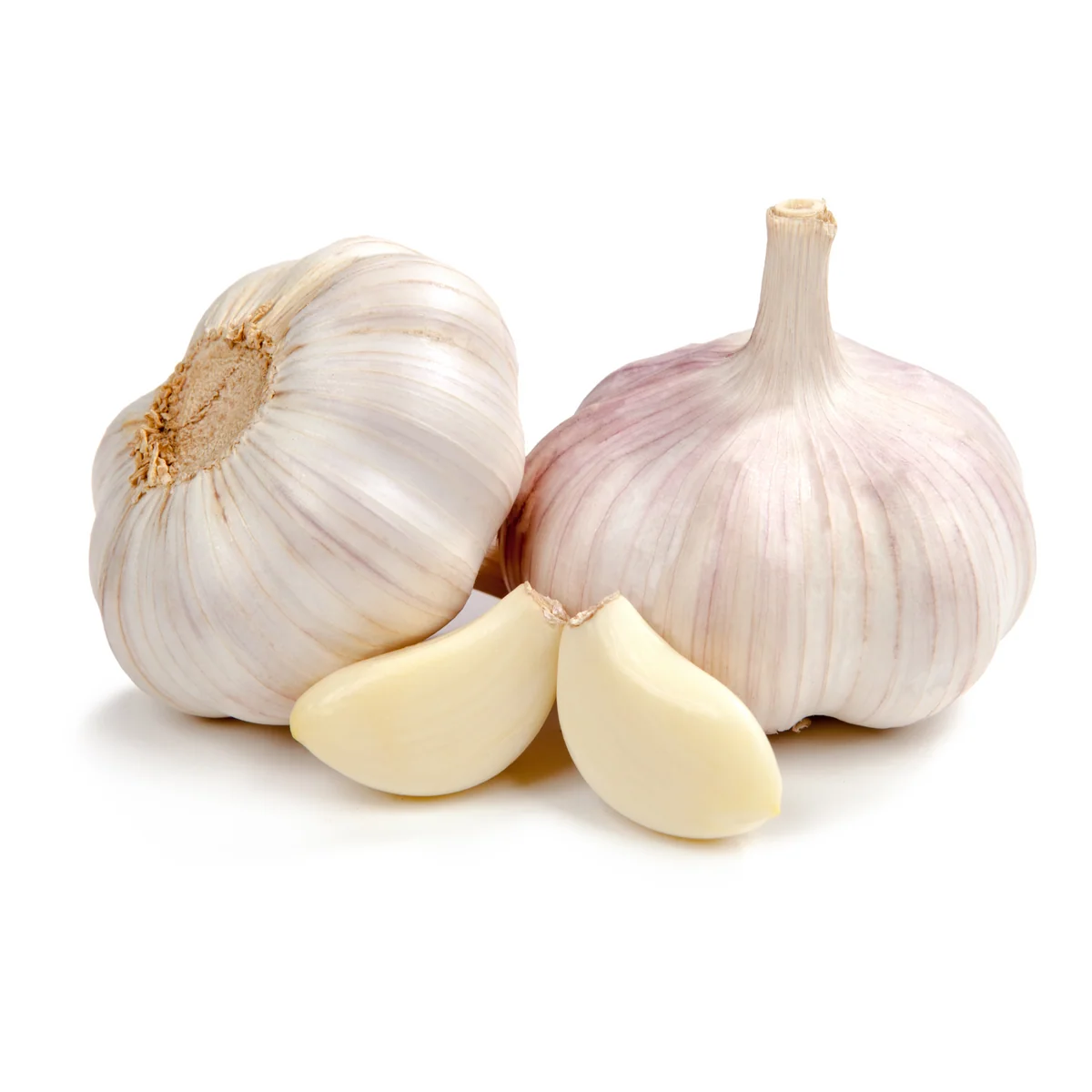
Garlic is a common cooking ingredient with numerous health benefits. Examples include managing cholesterol, boosting heart health, supporting the immune system, protecting against the common cold, and more. Much of garlic’s therapeutic acclaim is down to an active compound called allicin. This sulphur-containing compound gives garlic its pungent smell and distinctive taste.
Luckily for cooks, the action of chopping or crushing stimulates the production of allicin. But it is thought that the application of heat may inhibit some of the perceived medicinal properties, making it best to add garlic late in the cooking process.
– Reduces the risk of heart attacks
Much research has focused on garlic’s potential in reducing the risk of heart disease and helping to manage cholesterol levels. Several studies suggest that garlic makes platelets (the cells involved in blood clotting) less likely to clump together and accumulate on artery walls; this means garlic acts like an anticoagulant and by so doing reduces the risk of heart attacks.
–Manages blood pressure
Garlic may also lower blood pressure through its ability to widen blood vessels, allowing blood to flow more freely.
– Have anti-cancer properties
The sulphurous compounds in garlic have been studied for their ability to inhibit cancerous cells and block tumours. That said, much of the evidence for garlic in relation to colon, prostate, oesophageal and renal cancer is observational, with only small numbers of subjects included in the studies. As a result, the effect garlic has in relation to cancer remains uncertain and more studies are needed.
– Has antimicrobial and antifungal properties
Garlic has a long history of use as an infection fighter against viruses, bacteria and fungi. Some skin conditions, such as warts and insect bites, may also respond to garlic oil or a crushed raw garlic clove.
-Supports bone health
Animal studies suggest garlic may minimise bone loss by increasing oestrogen levels in female rodents. A study in post-menopausal women found a similar effect when a daily dose of dry garlic extract (equivalent to 2g of raw garlic) was consumed.
– Support healthy joints
Studies suggest the consumption of garlic provides some relief from the inflammatory symptoms of arthritis.
-Protects against common cold
Garlic helps to prevent and reduce the severity of illness from flu and the common cold.
– Protects brain
Garlic contains protective compounds that help protect against the cognitive decline associated with ageing. This may slow the progression of conditions such as Alzheimer’s and dementia.
bbcgoodfood.com
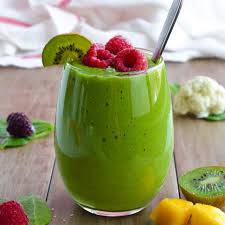
– 2 cups of fresh spinach
-1 cup of almond milk
-1 cup of coconut water
-2 slice of banana or pineapple
– 1/2 cup of greek yogurt
Ice (optional, if not using frozen fruit)
Preparation
- Blend almond milk and spinach
- Continue to blend until no large pieces remain.(This ensures a smooth, non-gritty texture
– Add frozen fruit, yogurt to the mixture
- Blend on high speed until completely smooth.
- Add ice cubes and serve.