News
Calabash: Symbol of Ghanaian culture, pride


- /home/u249204778/domains/spectator.com.gh/public_html/wp-content/plugins/mvp-social-buttons/mvp-social-buttons.php on line 27
https://spectator.com.gh/wp-content/uploads/2026/03/In-this-image-it-has-been-used-as-a-handbag-for-women.jpg&description=Calabash: Symbol of Ghanaian culture, pride', 'pinterestShare', 'width=750,height=350'); return false;" title="Pin This Post">
- Share
- Tweet /home/u249204778/domains/spectator.com.gh/public_html/wp-content/plugins/mvp-social-buttons/mvp-social-buttons.php on line 72
https://spectator.com.gh/wp-content/uploads/2026/03/In-this-image-it-has-been-used-as-a-handbag-for-women.jpg&description=Calabash: Symbol of Ghanaian culture, pride', 'pinterestShare', 'width=750,height=350'); return false;" title="Pin This Post">
FOR generations, the calabash, a dried gourd shell known for its versatility, has remained an integral part of Ghanaian culture and tradition.
Native to Africa and widely used across tropical and subtropical regions, the calabash (Lagenaria siceraria or Crescentia cujete) has served as a container, utensil, musical instrument resonator, and decorative piece.
From Nigeria to Senegal, The Gambia to Mali, and across Ghana, it has carried water, stored food, and shaped instruments such as rattles and harps.
Cultural significance
In Ghana, the calabash symbolises nourishment, resilience, wisdom, and life.
• The calabash fruit
ments showcased internationally, including Berlin Fashion Week 2025, blending tradition with innovation.
Eco-friendly packaging: Skincare brand, Nokware, uses calabash shells for soaps and cleansers, merging tradition with sustainable luxury.
This trend is also part of a broader movement toward sustainable fashion. As a natural, biodegradable material, calabash offers an eco-friendly alternative to synthetics.

Preserving heritage
Mr Godson Lucky Tome, Director of the Centre for National Culture in Krachi East, stressed the importance of safeguarding calabash-making.
He stated that: “The calabash is a symbol of our cultural identity, and we must continue to promote and preserve it for future generations.”
Efforts by artisans and cultural institutions are ensuring that calabash-making remains vibrant, blending tradition with innovation.
A lasting symbol
calabash offcuts.
Lecturer Patience Dedume of the Department of Fashion Design and Textiles of the Ho Technical University, highlighted its versatility.
She indicated that: “Today, calabash is used in accessories, garment construction, and even beauty packaging, bridging cultural heritage with modern sustainable design.”
The calabash can be seen in jewelry and adornment, necklaces, earrings; bangles carved from calabash.
It is more than a household tool; it is a cultural emblem woven into ceremonies, rituals, and everyday living.
Nana Kwame Agyeman, linguist of the Akroso Traditional Council, explained: “Calabash is more than just a container; it is a symbol of our tradition and cultural heritage. No ritual undertaking is concluded without it.”
Weddings, funerals, and rites of passage often feature the calabash as a sign of unity and continuity.
Commerce and community
Beyond rituals, the calabash plays a vital role in local trade.
Palmwine Seller, Togbe Azanda of the Kparekpare community, said: “We use it to serve palm wine to our customers — it represents hospitality and generosity.”
Similarly, Madam Rita Akua Serwaa, Pito brewer in Dambai Old Town, praised the practicality of the calabash.
She said: “The calabash keeps the drink fresh and even adds to its flavour. Its use fosters social cohesion, bringing people together during celebrations and times of mourning, while teaching values of cooperation and community living.”
Fashion and innovation
The calabash’s journey from ritual vessel to runway accessory reflects a broader movement to reclaim indigenous materials as markers of pride and identity.
Designers such as the late Kofi Ansah pioneered its use in high fashion, while contemporary brands like Adjeley craft bold jewelry from recycled
• Calabash used as a handbag for women
In the textile industry, it is used for tools: Stamps for Adinkra cloth printing, carrying symbolic meanings.
In high fashion: Avant-garde garments showcased internationally.
From ritual ceremonies to modern fashion runways, from palm wine sellers to luxury skincare brands, the calabash continues to inspire and educate.
It stands as a lasting symbol of Ghana’s rich cultural heritage — a humble gourd that embodies tradition, creativity and sustainability, echoing tradition to exotic resource.
A GNA Feature by Kingsley Mamore










Veteran Nigerian actor and African screen legend, Pete Edochie, has paid a courtesy call on the Chief Executive Officer of the Ghana Gold Board (GoldBod), Sammy Gyamfi, during his visit to Ghana.
Edochie is in Ghana to launch the African Legacy Project, which includes a book, documentary film and an African Youth Mentorship Initiative targeting about 500,000 young people across the continent.
Mr. Gyamfi welcomed the opportunity for GoldBod to support the mentorship initiative, noting that it aligns with the Board’s Special Intervention Programme and its focus on social impact and economic empowerment.
GoldBod’s work is also referenced in Pete Edochie’s new book, which highlights Ghana’s efforts to ensure its gold resources contribute to national development.
By Edem Mensah-Tsotorme
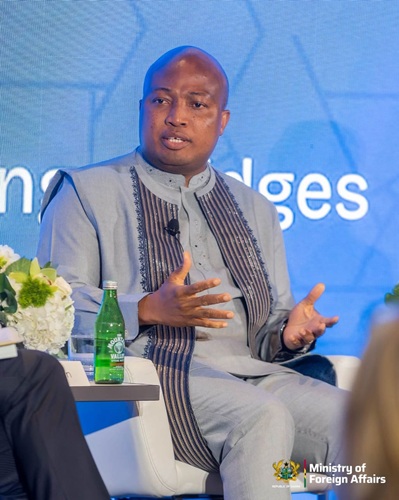
The Ministry of Foreign Affairs has warned Ghanaians seeking employment in Zambia to be cautious of fraudulent job offers that could expose them to human trafficking and forced involvement in cybercrime.
The warning follows the arrest of six Ghanaians in Lusaka, Zambia, during a joint operation by the Zambia Police Service, the Drug Enforcement Commission and the Department of Immigration on August 23, 2026.
According to the Ministry, the operation targeted a facility suspected of being involved in organised cybercrime activities and led to the arrest of 79 people, including 10 Zambians and 69 foreign nationals.
The Ministry said six of the foreign nationals arrested were Ghanaians.
It explained that reports received by the Ghana High Commission in Lusaka indicated that some of those arrested had been recruited through what appeared to be legitimate employment opportunities, including online data entry jobs.
However, the Ministry said some were allegedly forced into online scam activities after their passports were confiscated by their employers.
It warned that the situation highlights how human trafficking groups are using fake employment opportunities to lure unsuspecting job seekers into illegal activities.
The Ministry has therefore advised Ghanaians travelling to Zambia or seeking employment there to thoroughly verify job offers, recruitment agencies and prospective employers before travelling.
Ghanaians living in Zambia have also been urged to remain vigilant when responding to online job opportunities and maintain regular contact with the Ghana High Commission in Lusaka for consular assistance when necessary.
The Ministry said the government remains committed to protecting the welfare and interests of Ghanaians travelling to or living outside the country.
By: Jacob Aggrey