Gender
BSoG calls for end to Breast Cancer stigma

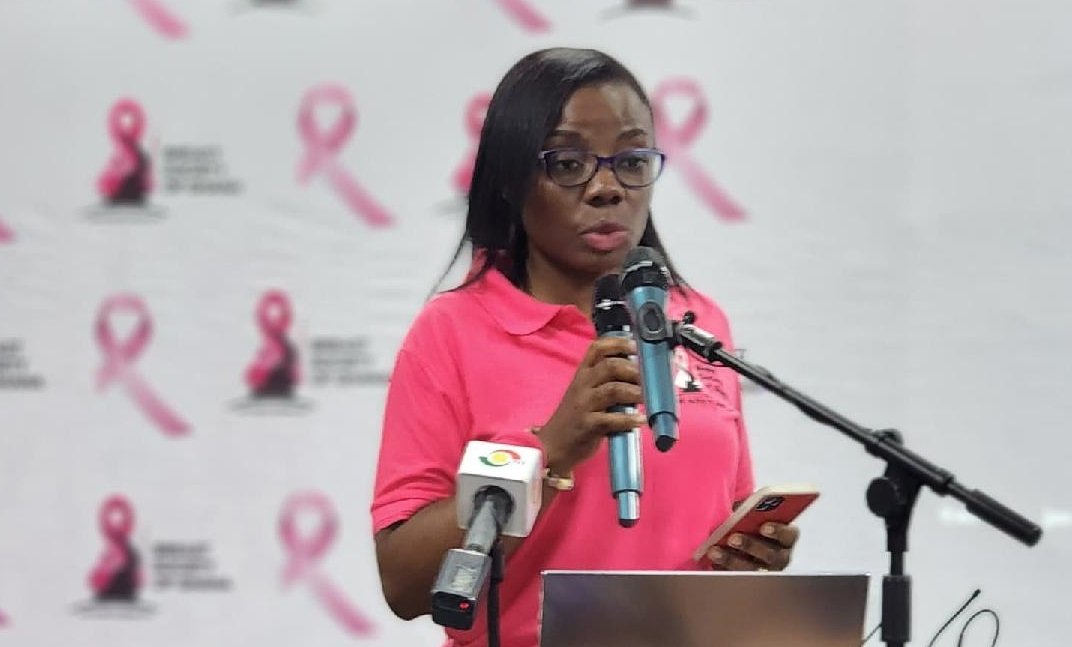
Dr. Josephine Nsaful, executive member, BSoG
The Breast Society of Ghana (BSoG) is advocating an end to the stigmatisation of breast cancer patients and survivors, emphasising the need for increased awareness and education.
This call was made at the launch of the society’s breast cancer awareness month, dubbed ‘Pinktober,’ held in Accra last Friday.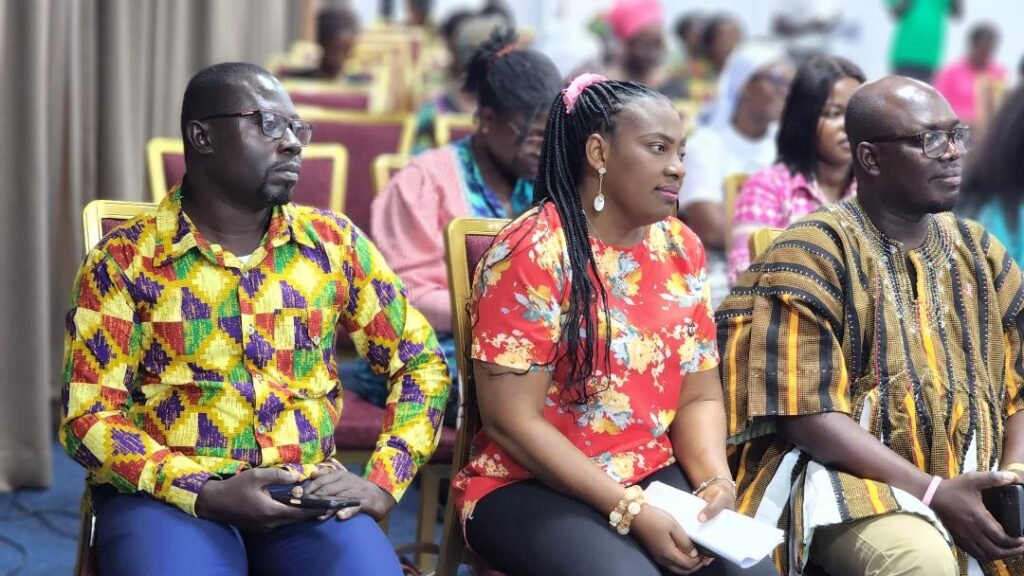
An executive member of BSoG, Dr Josephine Nsaful, stressed that the initiative was crucial in ensuring that individuals battling breast cancer were not left alone during their difficult journey.
She stated that breast cancer affects over 2.3 million women globally, making it essential to raise awareness and intensify educational efforts to save more lives.
“Stop the stigmatisation and educate more people to seek early care,” Dr Nsaful said, urging churches and community groups to play a role in educating the public about the disease.
She said breast cancer was not a spiritual ailment and can be effectively treated if detected early.
“Early detection saves lives,” she noted.
Dr Nsaful expressed concern about women losing their lives to a disease that is treatable, leaving behind families and children, and stressed the importance of early medical intervention.
She added that it was unacceptable and tragic that women were dying when there were available treatments that could save them.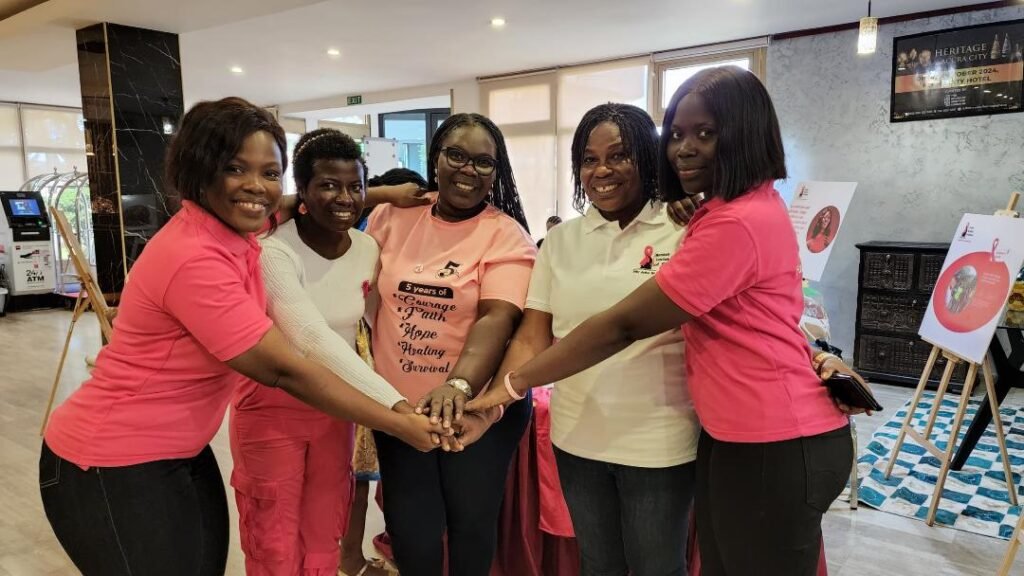
The President of BSoG, Dr Hannah Ayettey Anie, also called for intensified efforts to dispel myths and misconceptions about breast cancer.
She lamented that many women refused medical treatment due to false beliefs about the disease, often resorting to ineffective methods, only to seek medical help when it is too late for a cure.
Dr Anie urged everyone to support initiatives aimed at ending the stigma surrounding breast cancer, as it prevents many from seeking timely care.
She reiterated that overcoming these misconceptions and educating the public would go a long way in improving breast cancer outcomes in the country.
Additionally, the Executive Secretary of BSoG, Mrs Georgina Kumah-Dzagah, encouraged breast cancer survivors to come forward and share their stories, highlighting their survival as evidence that breast cancer was not a death sentence.
According to her, these personal accounts would serve as encouragement for others battling the disease and foster hope among patients.
The launch of ‘Pinktober’ aims to continue raising awareness and promoting education on breast cancer to save more lives and eliminate the stigma surrounding the disease.
By Raissa Sambou

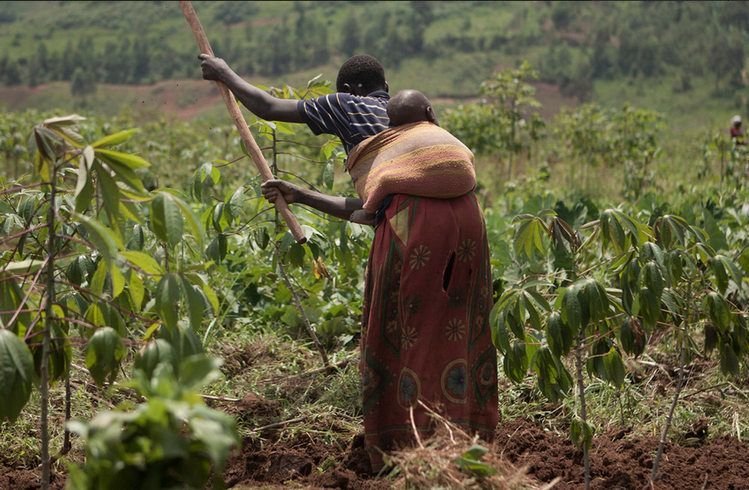
Across many farming communities in Northern Ghana, women routinely carry their infants on their backs while engaging in strenuous farm labour. This practice, though rooted in necessity and resilience, exposes both mothers and their babies to significant health risks, particularly musculoskeletal strain and developmental concerns.
For these women, the decision to take babies to the farm is rarely optional. It reflects the absence of affordable childcare, entrenched gender roles, and persistent economic pressures that compel women to combine farming, childcare, and household duties simultaneously.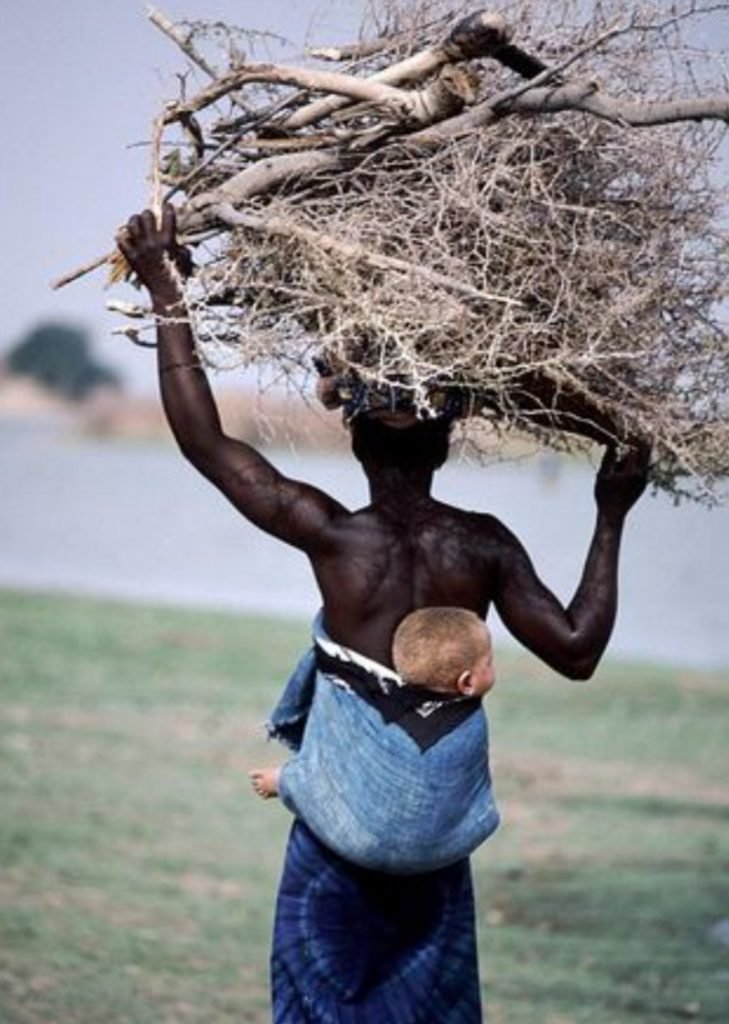
Everyday Reality
In many rural communities in Northern Ghana, women begin their day before sunrise, balancing farm work with domestic responsibilities such as fetching water and firewood, cooking, and caring for children. Carrying infants on their backs, strapped with cloth, enables them to breastfeed and monitor their babies while going about their farming activities.
The use of outdated tools increases the risk of sprains and strains. Exposure to pesticides, extreme heat, and zoonotic infections further endanger women, especially those who are pregnant or breastfeeding.
Effects on Mothers
Dr. Enoch Harvoh, a Senior Medical Doctor at the Tamale Teaching Hospital, explained in an interview with GNA that the primary health risks stem from prolonged physical strain. He identified several key concerns, including musculoskeletal pain, postural changes, chronic fatigue, injury risk, and other hazards such women face.
Dr. Harvoh explained that musculoskeletal issues such as chronic lower back, upper back, neck, and shoulder pain are common among women who farm with babies on their backs. He added that back-carrying alters spinal alignment, increasing pelvic tilt and causing abnormal curvature of the spine, medically described as cervokypholordotic posture.
The combination of farming, domestic work, and childcare leads to severe physical exhaustion and stress, while frequent bending, squatting, and lifting further contribute to physical strain.
Effects on Infants
While back-carrying supports bonding and infant safety, prolonged exposure in farm environments presents risks to infants. These include:
- Lower limb development concerns
- Restricted movement and visual stimulation
- Potentially affected sensorimotor development
- Exposure to farm hazards including chemicals, machinery, and excessive heat
According to Dr. Harvoh, some studies link extended back-carrying to changes in leg alignment, such as genu valgum (knock-knees), though these are often within normal clinical limits.
Labour and Time Constraints
Women face chronic labour shortages, especially during peak farming seasons. Combined with unpaid domestic work and childcare, this creates extreme physical and mental strain.
Madam Saada Abdul, a farmer from Kpadjai in the Kpandai District, told GNA that she regularly carries her baby while weeding, harvesting, transporting crops, and cooking. “The work is very hard, and the baby’s weight adds to the pain in my back and waist. I hardly get time to rest compared to my husband,” she said.
Similarly, Madam Ramatu Iddris from the Nawuri community explained that women often prioritise labour on their husbands’ farms, reducing productivity on their own plots. Limited access to tractors, credit, extension services, and market information forces many women to rely on manual labour while carrying their babies.
These compounded challenges heighten women’s vulnerability to climate shocks such as drought, erratic rainfall, and economic downturns.
Intersecting Challenges
The practice of carrying babies to farms is embedded within broader structural inequalities. Customary inheritance systems largely favour men, leaving women with limited access to land. Many women farm on their husbands’ plots or borrow small, less fertile parcels of land, discouraging long-term investment and access to credit or extension services.
Women account for more than half of Ghana’s agricultural labour force, particularly in subsistence farming in the Northern Sector, yet much of their work remains informal and undervalued, with limited recognition in economic planning and policy frameworks.
Resilience and Coping Strategies
Despite these hardships, Northern women farmers demonstrate remarkable resilience. Common coping mechanisms include forming women’s farming groups to access training, credit, and inputs. Livelihood diversification, such as engaging in shea butter processing, poultry rearing, petty trading, charcoal production, and seasonal migration, can help supplement income.
Recommendations
Stakeholders in agriculture, health, and local governance must prioritise targeted interventions to reduce the physical burden on women farmers. Key recommendations include:
- Establishing community-based childcare centres to reduce the need to carry babies to farms
- Providing practical ergonomic training on safe lifting, posture, and culturally appropriate baby-carrying techniques
- Improving access to appropriate farm tools and small-scale mechanisation
- Strengthening workplace protections through rest breaks, access to potable water, and protective equipment
- Formally recognising women’s unpaid care and agricultural labour in national and district development planning
Health professionals also recommend targeted strengthening and stretching exercises for the lower back and pelvic muscles to mitigate long-term physical strain associated with combined farming and childcare responsibilities.
Conclusion
Women farmers are indispensable to Ghana’s food security and rural livelihoods. Yet their contributions come at a high personal cost due to systemic inequities, limited support services, and entrenched gender roles.
Addressing the health and productivity challenges faced by women who farm with babies on their backs is not only a matter of equity but a critical investment in national development, public health, and future generations.
—GNA
Join our WhatsApp Channel now!
https://whatsapp.com/channel/0029VbBElzjInlqHhl1aTU27

A training and capacity-building workshop was held on Thursday for the media to intensify coverage on gender-based issues to support women’s participation in leadership and governance in Accra.
The workshop, held under the theme ‘Strengthening Advocacy for the Implementation of Ghana’s Affirmative Action (Equity) Law, 2024 – The Case of the Media’, brought together journalists from selected media houses.
The Convener of the Affirmative Action (AA) Law Coalition, Ms Sheila Minka-Premo (Esq.), stressed that the media has a critical responsibility to educate the public on the importance of the Affirmative Action Act, noting that sustained and informed reporting would strengthen advocacy and support the effective implementation of the law.
While commending both the Legislature and the Executive for the passage and presidential assent of the Affirmative Action Bill into law, the AA Law Coalition Convener appealed to government to address existing gaps. These include the constitutional provision of 30 per cent women’s representation in politics, inadequate policy frameworks to advance affirmative action, and weak compliance by state institutions.
She charged the media to highlight and promote the role of women in leadership and to actively support a smooth and effective implementation process of the Act.
In her welcome address, Executive Director of ABANTU for Development, Dr Rose Mensah-Kutin, said the training sought to strengthen journalists’ advocacy skills to enable them to educate the public on the provisions and significance of the law.
Dr Mensah-Kutin commended ActionAid Ghana for supporting the advocacy efforts, urging the media to prioritise the law to ensure its sustainability.
The Affirmative Action (Gender Equity) Act, 2024 (Act 1121) was passed by Parliament in July 2024 and received presidential assent in September 2024, following years of sustained advocacy by women’s rights organisations, gender activists, and other stakeholders.
By Linda Abrefi Wadie
Join our WhatsApp Channel now!
https://whatsapp.com/channel/0029VbBElzjInlqHhl1aTU27