News
Bleaching creams can cause breast cancer -Dr Wiafe Addai

- /home/u249204778/domains/spectator.com.gh/public_html/wp-content/plugins/mvp-social-buttons/mvp-social-buttons.php on line 27
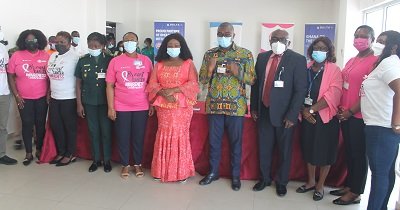
https://spectator.com.gh/wp-content/uploads/2021/10/Dr-Wiafe-Addai-fifth-from-left-with-the-Airport-staff.jpg&description=Bleaching creams can cause breast cancer -Dr Wiafe Addai', 'pinterestShare', 'width=750,height=350'); return false;" title="Pin This Post">
- Share
- Tweet /home/u249204778/domains/spectator.com.gh/public_html/wp-content/plugins/mvp-social-buttons/mvp-social-buttons.php on line 72
https://spectator.com.gh/wp-content/uploads/2021/10/Dr-Wiafe-Addai-fifth-from-left-with-the-Airport-staff.jpg&description=Bleaching creams can cause breast cancer -Dr Wiafe Addai', 'pinterestShare', 'width=750,height=350'); return false;" title="Pin This Post">
President of Breast Care International (BCI), Dr Beatrice Wiafe Addai, has cautioned women against the use of bleaching creams as some contain cancerous chemicals which can cause breast cancer.
According to her, some skin lighteners contain variety of substances, including topical steroids, mercury and hydroquinones as well as hormonally active compounds like phthalates which commonly known as “fragrances” or “perfumes.”
Speaking in an interview with The Spectator at a breast cancer awareness programme in Accra on Thursday, Dr Addai noted that some hair relaxers also contributed to breast cancer, saying they contained phthalates.
She indicated that although the cause of breast cancer was still unknown, there were lifestyles like intake of alcohol, smoking, not washing the bra on regular basis, excess fatty consumption, lack of exercise, skin bleaching injection and pills were risk factors.
Dr Addai observed that 10 per cent of women who had breast cancers in Ghana were from genetic mutation while 90 per cent were not.
She urged women to get themselves examined on monthly basis, and get clinical breast screened once every year, stressing that “early detection saves the breast and life.”
“Breast cancer is the most common cancer that affects women in the world. When it is not diagnosed early the cancer can spread out and it will lead women to lose a breast or both breasts or the ability to produce children. That is why it is important to get screened to detect the lump for early treatment,” she added.
Dr Addai observed that 15 per cent of women who had breast cancer were below the age of 50 years, and that “in Ghana the youngest person who was diagnosed of the cancer was 13 years.”
She dispelled the rumour that breast cancer was only common among the adults and denounced claims that it could be prevented through stimulation and sucking of the breast by one’s spouse, adding that “men can also get breast cancer.”
Mr. Sidoine Rodrigues, Manager of Delta Air Lines explained that since October has been the month set aside to create awareness on breast cancer, his outfit had deemed it mandatory to support awareness creation of cancer to get women treated with screening programmes.
He said that for the past five years, Delta Airline had supported BCI outreach project and was proud that the partnership had enabled many women and men to have access to screening programmes and seek treatment.
“Through our partnership, thousands of people have been screened with many suspected cases found. Catching breast cancer early is the key to a cure,” he added.
The programme which was organised by Delta Airline was done in collaboration with Breast Care International and Women in Aviation Ghana.
By Joyceline Natally Cudjoe

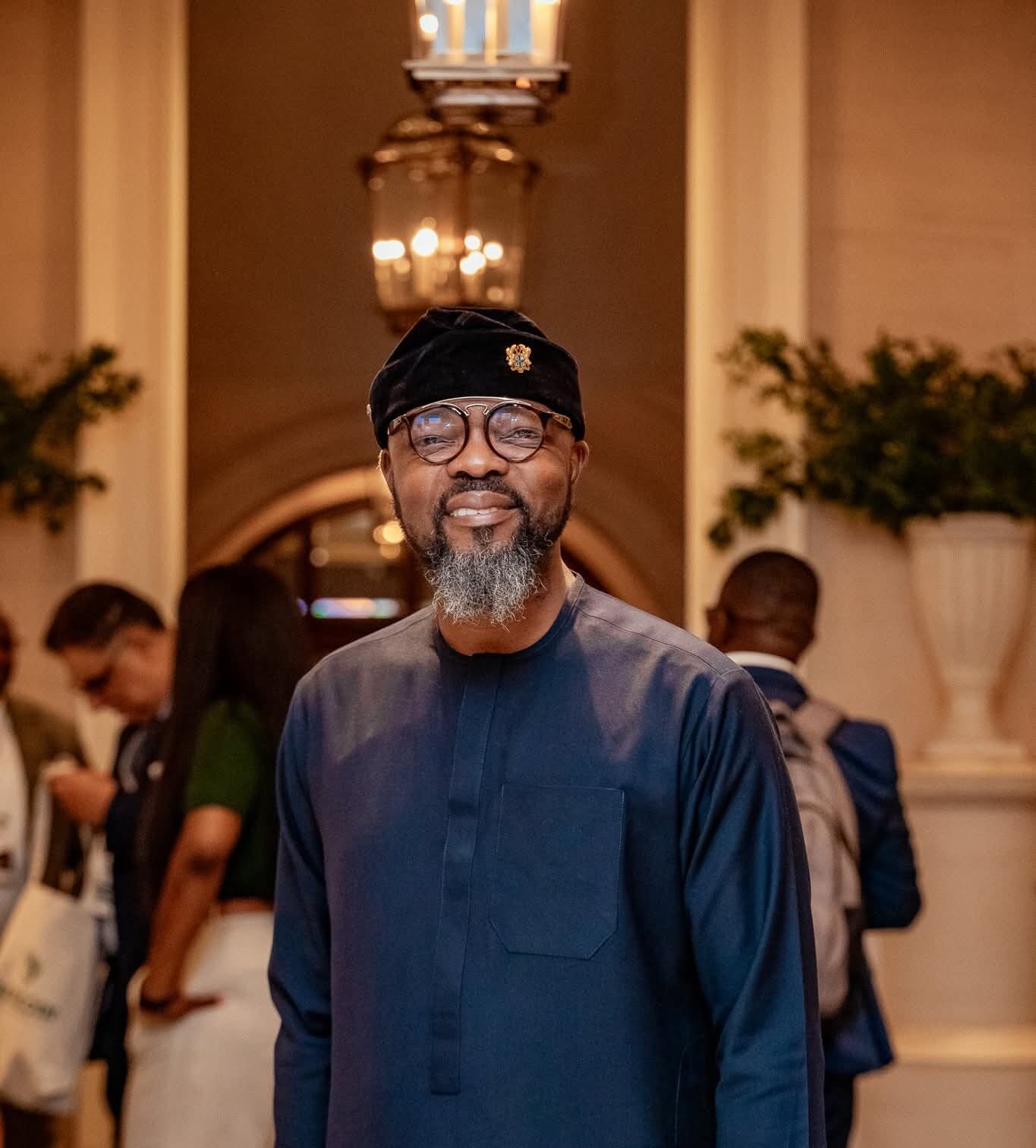
The Diaspora Affairs Office of the President (DAOOP) will on Friday, September 18, 2026, host the inaugural Ghana Diaspora Townhall Meeting at the Christiansborg Castle, Osu, Accra.
The meeting, scheduled to start at 9:30 a.m. is being held under the theme “Listening Today, Building Tomorrow: Strengthening Ghana’s Partnership with the Diaspora.”
According to a statement from DAOOP issued on September 17, the Townhall will serve as an annual platform for structured dialogue between the Government of Ghana and the Ghanaian and wider African Diaspora.
It is aimed at providing a dedicated platform for members of the Diaspora to share their experiences, concerns, aspirations and recommendations directly with government institutions, while also reviewing progress in implementing Ghana’s Diaspora Engagement Policy.
About 500 participants are expected, including representatives of Diaspora organisations, Ghanaians living abroad and those who have returned, members of the wider African Diaspora resident in Ghana, government institutions, private sector organisations, civil society, academia, traditional authorities and development partners.
The programme will feature nine thematic listening sessions where participants will engage directly with responsible ministries, departments and agencies.
The sessions will cover citizenship, immigration, residency and national identification; property and real estate; tourism, culture and heritage; business registration and investment; employment, skills and knowledge transfer; diaspora engagement, representation and integration; education, academia and youth engagement; infrastructure and public services; and health and safety.
The themes were drawn from a survey circulated among registered participants ahead of the meeting. Proceedings will be chaired by the Chief Director of the Office of the President, Alhaji Dr Abubakari Wayo.
DAOOP said the inaugural meeting is being held in the week of Founder’s Day, marked on Monday, September 21, reflecting Ghana’s Pan-African tradition and its historical relationship with Africans and people of African descent around the world.
The Townhall will close with the presentation and adoption of key recommendations and priority actions for 2026 and 2027, which will inform an institutional action matrix to support continued engagement and follow-up.
By Edem Mensah-Tsotorme
News
Mahama chairs security meeting over drug trafficking, orders formation of inter-agency task force

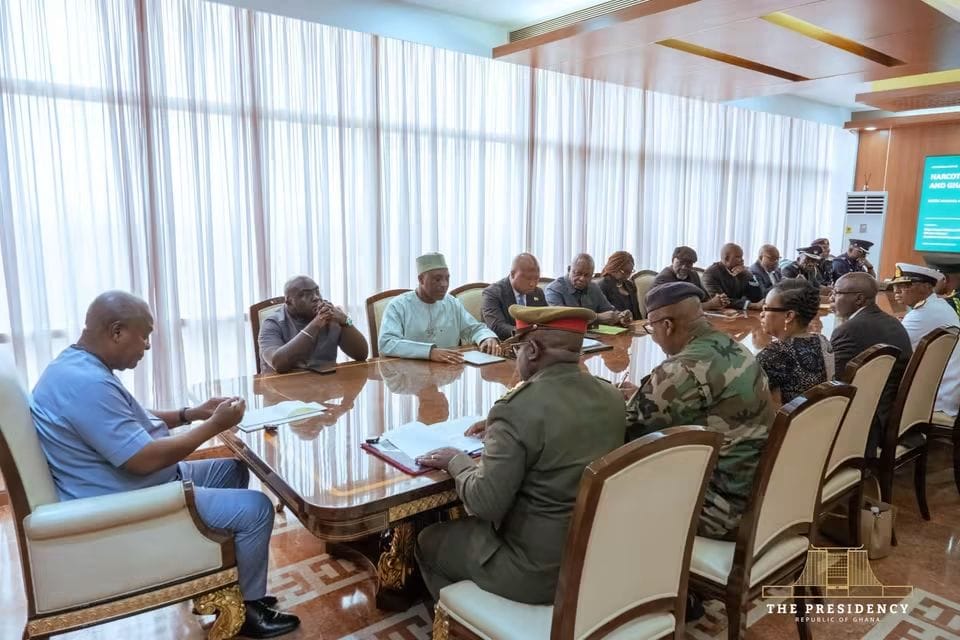
President John Dramani Mahama today chaired a meeting of security chiefs and received a detailed briefing on investigations into the recent trafficking of drugs out of Ghana’s ports.
The President was informed that ten individuals, including four officers of the Customs Division of the Ghana Revenue Authority (GRA), are being held while investigations continue.
The meeting reviewed the structure and security systems in place and recommended new actions.
President Mahama has directed that an inter-agency task force be formed to present a detailed roadmap, emanating from today’s meeting, on measures to prevent the trafficking of drugs through Ghana’s borders within two weeks.
By Edem Mensah-Tsotorme

 News1 week ago
Ghanaian journalist celebrates Texas town’s ‘Eden of the Far West’ tag after mayor’s nod
- News4 days ago
48 Engineer Regiment to be major sub-contractor on Accra-Kumasi Expressway, $2bn ready- Prez Mahama
- Entertainment6 days ago
Fiifi Coleman Productions adapt ‘I Told You So’ stage play into feature film