Editorial
Bad roads still staring at us

Dear Editor,
Expectations of citizens, in line with the pronouncement of Government that year 2020/2021 as ‘Year of Roads,’ I believe is yet to be met. Every day I drive on some bad roads and wonder how motorable they could become.
While I wait patiently for the government to deliver on this promise, I am particularly concerned about the ‘Block Factory to Barrier’ stretch of the Weija road. Apart from its deteriorating state, I have noticed how the sand is gradually covering the road
The road becomes almost inaccessible when it rains and the heaps of sand cause some commercial vehicles to do dangerous maneuvers thereby putting the lives of passengers in danger.
I have sighted also some community roads around Ordorkor and Darkuman which have been left unattended to for years. I believe we can do better to make these roads user-friendly.
From Farouk Adams, Weija.


Dear Editor,
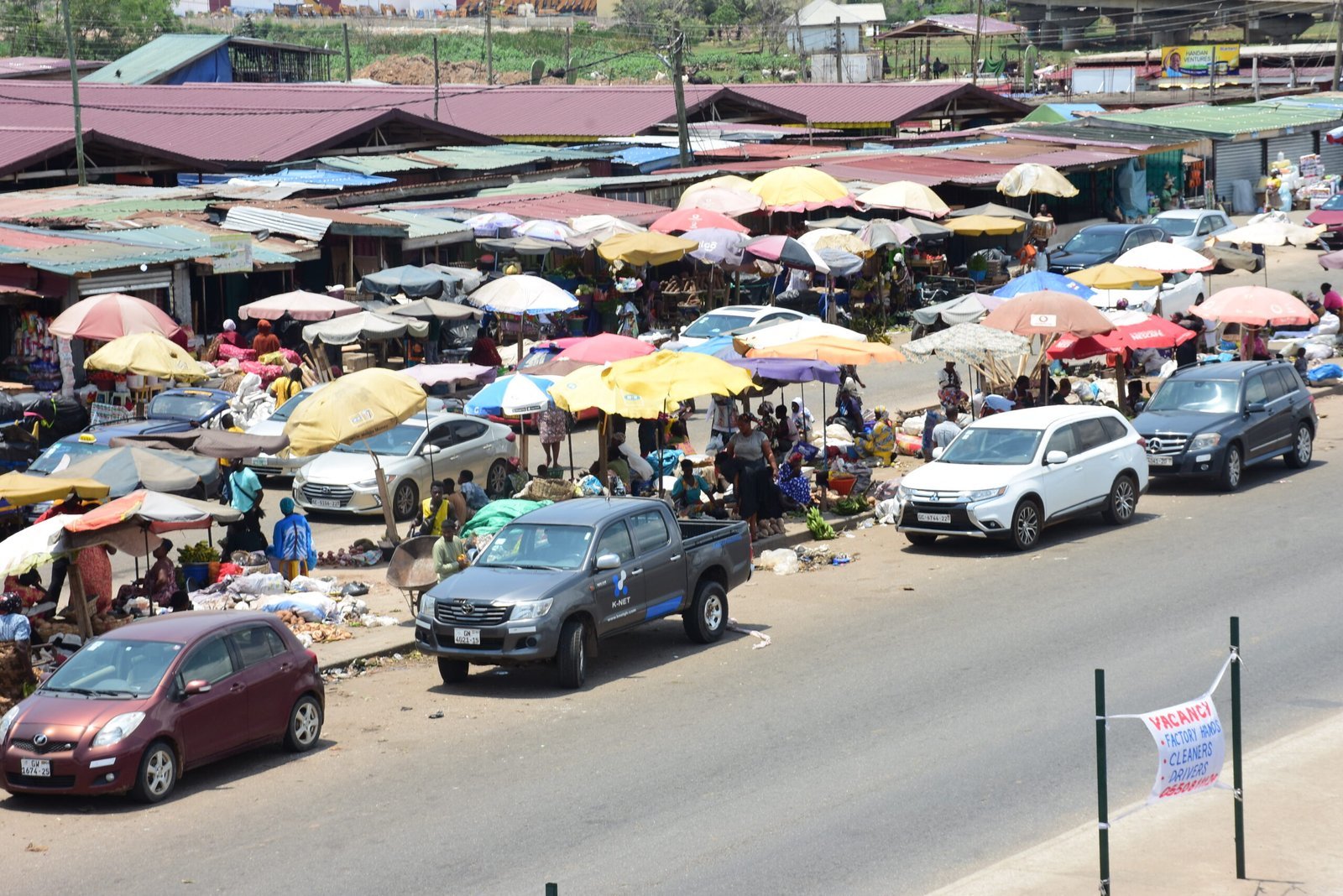
Walking along roads in some parts of the capital has become increasingly challenging.
While trading on pedestrian walkways remains a concern in certain areas, the parking of vehicles on road shoulders also poses a serious risk to pedestrians.
Often, pedestrians are forced to walk dangerously close to these parked vehicles or even step into the middle of the road to make way for oncoming traffic.
This situation is not only frustrating but also highly unsafe.
I recall an incident when I alighted at a lorry station and was walking home. A Tata bus was approaching, and due to vehicles parked on both sides of the road, I had nowhere to walk safely.
The situation became so dangerous that I had to quickly jump into a nearby shop to avoid being knocked down by the oncoming Tata bus.
That experience was frightening and could have easily resulted in an accident.
In my view, it is time for authorities in the road sector, such as the National Road Safety Authority and the Motor Traffic and Transport Department (MTTD) of the Ghana Police Service, to take urgent action to address this issue and prevent possible loss of life.
Strict enforcement measures, including towing improperly parked vehicles and imposing substantial fines, would serve as a deterrent to offenders.
From Ray
Adabraka
Dear Editor,
I wish to use this column of your respected newspaper to appeal to the Ministry of Education and the Ghana Education Service to consider bringing back the practice where students stayed home for some months after completing the Basic Education Certificate Examination (BECE).
Within that period where they stay home for some time and wait for their results, it afforded parents some time to prepare and save towards the next move in the academic life of their children.
In recent times, students are quickly admitted into Senior High School immediately after their examinations, leaving little time for parents and guardians to adequately prepare financially and emotionally for the next stage of their children’s education.
Many parents, therefore struggle to buy school items such as chop boxes, trunks, mattresses, uniforms and other necessities within the short period given.
This situation places pressure on families, especially those with low incomes.
Previously, the break after BECE allowed students to rest after years of academic work while parents and guardians made proper preparations for their wards.
It also gave students enough time to learn vocational skills, assist their families and mature before entering boarding school life.
Bringing back this period will greatly reduce stress on both parents and students and help ensure better preparation for Senior High School education.
And one other thing we have not taken notice of is that within that period, parents also prepare their children mentally and psychologically before they go to school. They are thought how to be independent.
So we see new secondary students displaying an appreciable level of maturity which is missing in this era where they go to senior high schools and still behave like primary school kids.
I hope the authorities will carefully consider this concern in the interest of students, parents and guardians across the country.
By Eugene Ampiaw,
Accra.