News
Avonsige: The intersection of fashion and culture

- /home/u249204778/domains/spectator.com.gh/public_html/wp-content/plugins/mvp-social-buttons/mvp-social-buttons.php on line 27
https://spectator.com.gh/wp-content/uploads/2025/03/Profile-pix-700x600.jpg&description= Avonsige: The intersection of fashion and culture', 'pinterestShare', 'width=750,height=350'); return false;" title="Pin This Post">
- Share
- Tweet /home/u249204778/domains/spectator.com.gh/public_html/wp-content/plugins/mvp-social-buttons/mvp-social-buttons.php on line 72
https://spectator.com.gh/wp-content/uploads/2025/03/Profile-pix-700x600.jpg&description= Avonsige: The intersection of fashion and culture', 'pinterestShare', 'width=750,height=350'); return false;" title="Pin This Post">
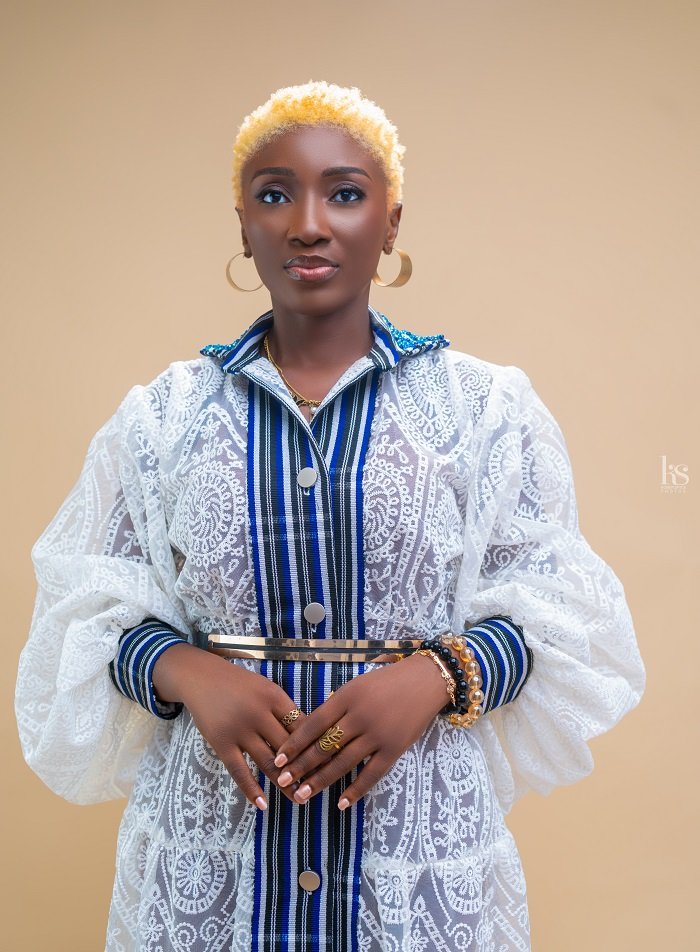
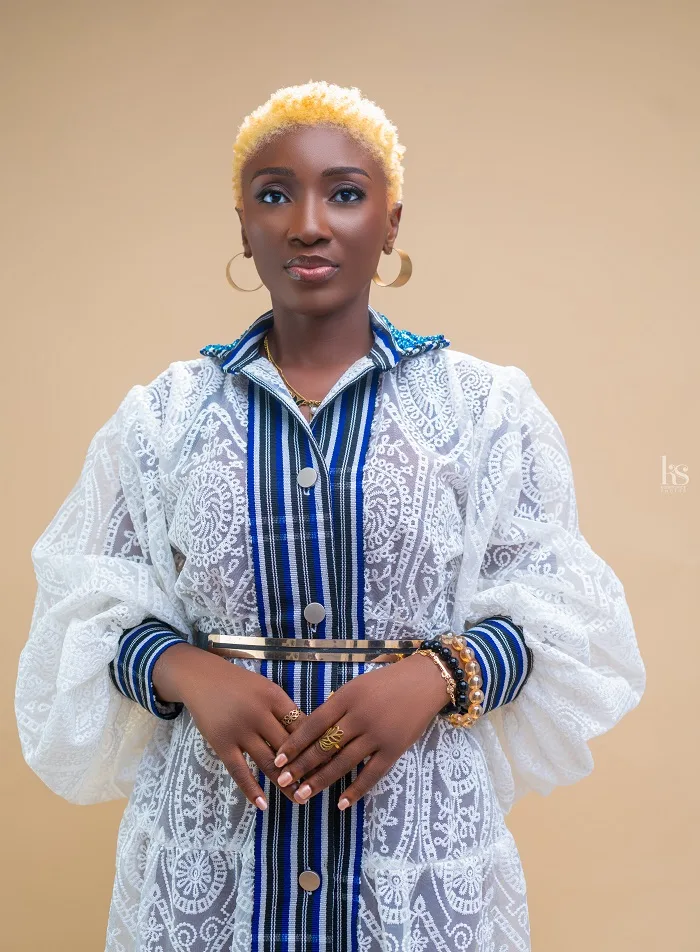
As I speak to Avonsige Ayinemi Augustina, the visionary CEO and Creative Director of AVONSIGE, she passionately shares her journey with me.
Her voice carries both confidence and warmth, mirroring the essence of her designs yet deeply rooted in culture.
“Fashion for me, is more than just clothing,” she told me. “It is a language, a way of expressing identity, and a bridge that connects our past, present, and future. Every piece I create tells a story, and that story begins with Ghana.”
Her love affair with fashion began as a teenager when she was captivated by an avant-garde show that left an indelible mark on her creative spirit.
“I knew then that I wanted to design unforgettable pieces of garments that leave an impact long after they are worn,” she added.
Encouraged by her supportive parents, she pursued visual arts and textiles, laying the foundation for AVONSIGE, a brand that has since become synonymous with elegance, cultural appreciation, and innovation.
She explains that, AVONSIGE is not just about garments, but rather a gateway into Ghanaian culture, with a signature aesthetic that merges pristine whites with rich indigenous textiles.
Again, she said that people have to see Ghanaian smock and kente, fabric and wear them with pride, knowing that each weave carries centuries of history.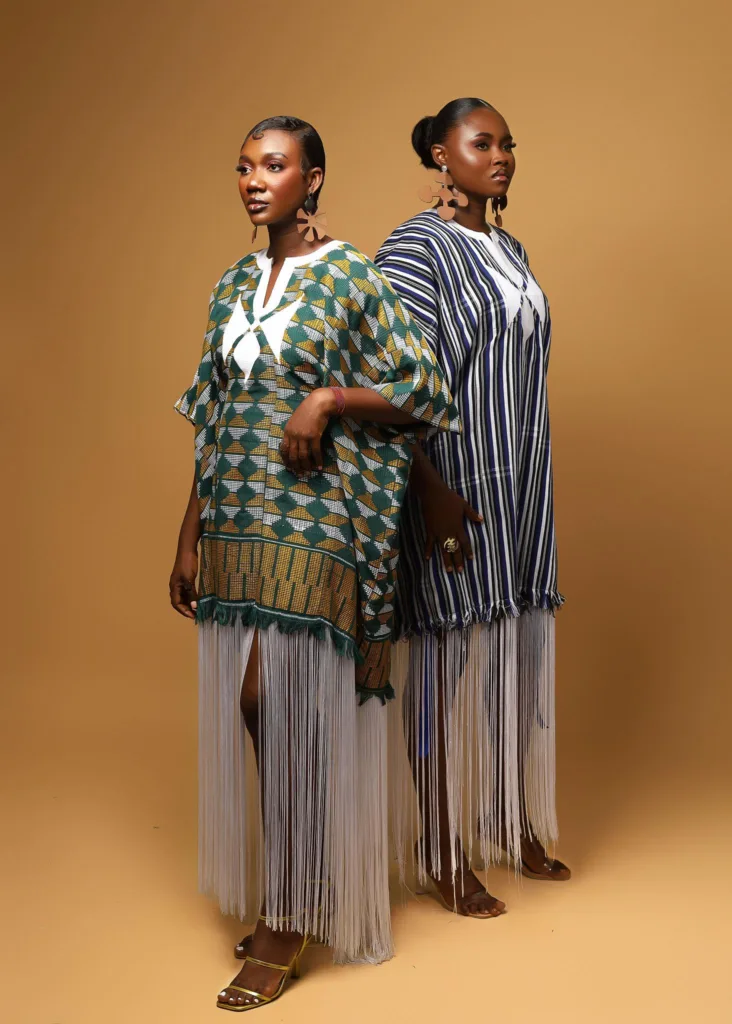
She beams as she described her mission of creating a safe space to understand and appreciate the Ghanaian lifestyle and traditions as the country celebrate Ghanaian heritage month.
Fashion should be a conversation starter, a way to carry our history with us. When you wear AVONSIGE, you are not just wearing fabric; you are wearing the soul of Ghana.”
She paused, then added, “To know our attire is to know our worth.”
Avonsige takes immense pride in sourcing authentic fabrics from the Upper East Region of Ghana. “Our styles and textiles are deeply rooted in the craftsmanship of northern Ghana,” she told me. “From the intricate handwoven smocks to the vibrant kente, each fabric carries the legacy of our ancestors, and we ensure that authenticity is preserved in every piece,” she indicated.
Avonsige’s passion for storytelling is evident in every project she undertakes. “I wanted to push beyond the runway,” she said, eyes alight with excitement.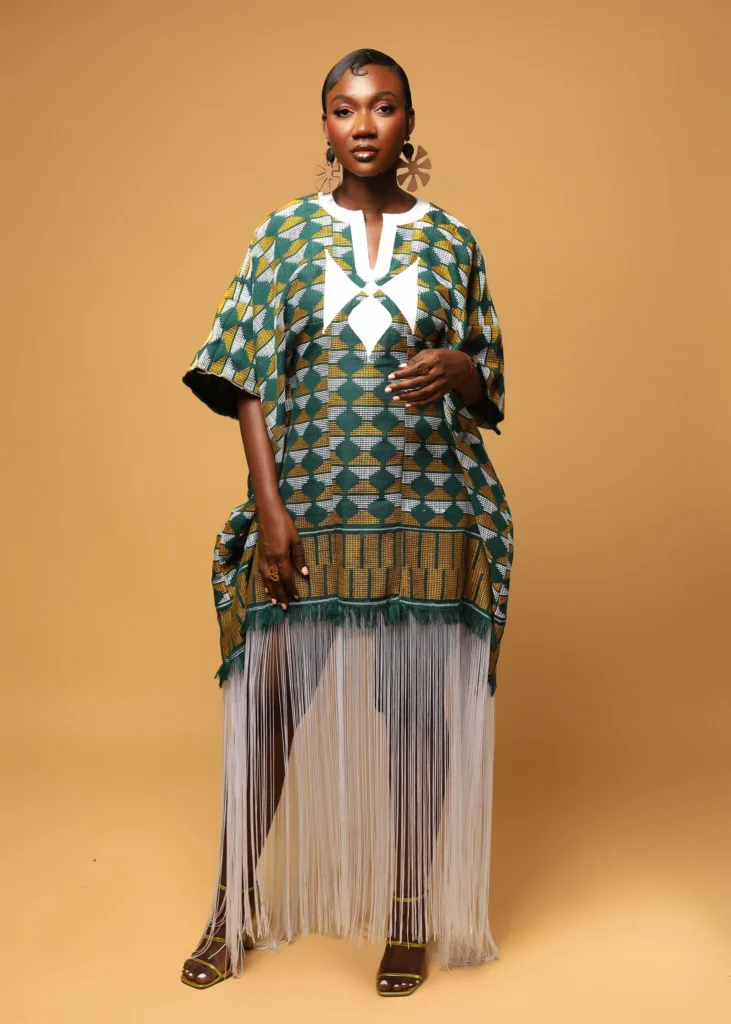
Her commitment to preserving Ghanaian narratives through fashion is unwavering. “Every stitch, every pattern has meaning,” she noted. “That’s the beauty of our craft – it is a living, breathing testament to who we are.”
Beyond luxury and aesthetics, AVONSIGE is deeply rooted in philanthropy. “Fashion should not only inspire but also uplift,” she tells me. Through her annual initiative, AVONSIGE Runway for a Cause, she recreated original designs into Christmas outfits for orphans and underprivileged children in northern Ghana.
“This is something very close to my heart,” she said with a softening voice. “It is my way of giving back, of ensuring that every child feels valued and beautiful.”
As our conversation draws to a close, Avonsige leaves me with a profound thought: “Fashion is not just about what we wear – it is about the stories we carry, the heritage we embrace, and the future we envision.”
Through her passion, creativity, and unwavering dedication, Avonsige Ayinemi Augustina has turned AVONSIGE into more than just a brand. It is a movement, a celebration of culture, elegance, and purpose.
Join her on this extraordinary journey where fashion is more than a trend, it is a lifestyle, a cultural bridge, and a force for change.
By Geoffrey Buta





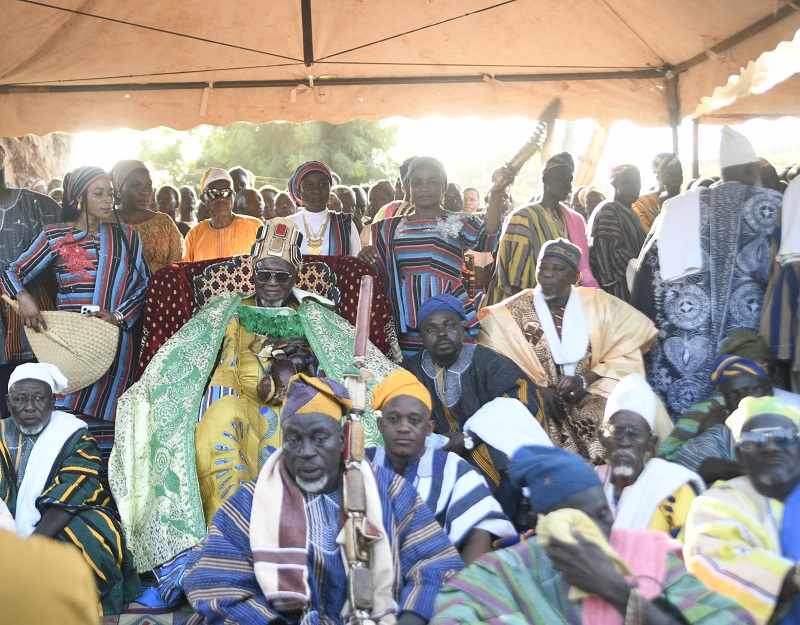
Damba, one of Northern Ghana’s major traditional festivals, has once again brought chiefs, elders, families, young people and visitors together in a celebration of culture and tradition.
This year, the celebrations were observed across several communities in Yendi, Bimbilla, Kumbungu and Lamashegu and Tamale.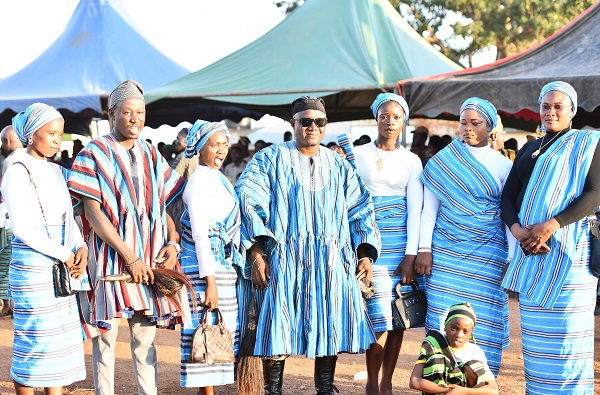
Although each community had its own character and way of celebrating, traditional music, dancing, colourful regalia and community participation remained common features.
In Yendi, the traditional capital of Dagbon, this year’s Damba was marked by the absence of the late Ya-Na Abukari Mahama II, who passed away earlier this year.
It was the first Damba in seven years to be celebrated in Yendi without the late King.
His absence was felt at the Gbewaa Palace, where the festival had been celebrated under his leadership in previous years.
The late Ya-Na’s eldest son, Kampakuya-Naa Yakubu Abukari, Regent of Dagbon, led the traditional observance during the transition period.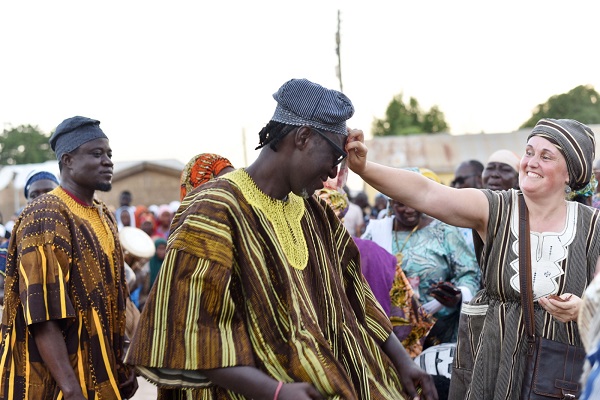
Despite the mixed emotions among celebrants, the sound of drums and traditional musical instruments soon drew crowds to the palace.
Within a short time, the palace grounds were filled with chiefs, elders, families, young people and children.
Children took part in traditional performances as drummers and musicians provided the rhythm for the celebration.
One of the notable scenes was the appearance of the “truck-pusher chief,” who arrived on a decorated truck accompanied by young followers.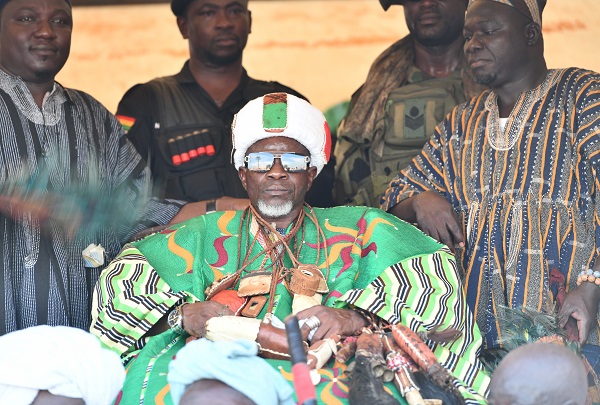
His appearance became one of the memorable moments of the celebration and demonstrated the community character of the festival.
In Bimbilla, the traditional capital of the Nanung Traditional Area, Damba brought traditional authorities, elders, families and young people together.
The celebration was led by the Regent of the Nanumba Kingdom, Nyalinbolgu Naa Yakubu Andani Dasana.
The activities combined traditional celebration with community events, including a health walk and rice picking.
Traditional clothing, music and dancing formed part of the celebrations as different generations participated.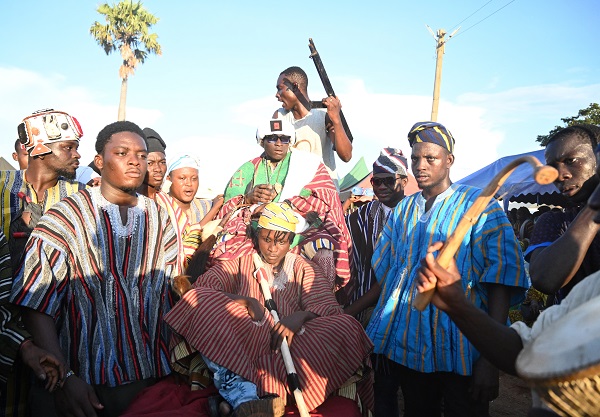
Children watched and joined activities, while young people used mobile phones and cameras to document the festival.
In Kumbungu, the Kumbungu Na, Naa Yab Kumbung Naa Yiri II, led the community’s Damba celebration.
Traditional clothing, drumming, dancing and communal gatherings formed part of the activities.
Elders and traditional authorities provided a link to the customs of the past, while young people and children participated in the celebrations.
For many residents, Damba remains an important occasion to reconnect with their cultural heritage and pass traditions on to the next generation.
In Lamashegu, within the Tamale metropolis, Damba was celebrated under the leadership of Lamashe-Naa Alhaji Mahama Iddrisu.
The celebration brought together traditional authorities, elders, families and residents.
Young people featured prominently in the activities, participating in traditional performances and documenting the occasion with mobile phones and cameras.
The celebrations reflected the ability of traditional culture to remain relevant within a rapidly changing urban environment.
Ending the day in Tamale captured moments thousands of people celebrating at the Tamale Jubilee Park with displays on horses which was one of the highlights of the celebration.
Truck pusher’s chief which is becoming a very important part of the celebration stole the show which attracted much attention.
The celebrations in the four communities demonstrated the diversity of Damba across Northern Ghana.
While the settings and expressions differed, the celebrations shared a common purpose bringing people together and keeping cultural traditions visible.
One of the clearest features of this year’s celebrations was the participation of children and young people.
They danced, watched traditional performances, joined community activities and documented the celebrations.
Their participation points to the important role of younger generations in sustaining Northern Ghana’s cultural heritage.
For many communities, Damba is therefore not simply an annual festival, but is an opportunity for cultural knowledge to be transferred from elders to young people through participation and observation.
It is also increasingly becoming a visual record, as photographers, journalists and young people use cameras and smartphones to document traditional ceremonies.
The festival continues to bring together traditional authority, families and different generations.
From Geoffrey Asiome Kwame Buta, Yendi
SKIP THE QUEUE, TAP THE NEWS
You can now read the Ghanaian Times and The Spectator newspapers from the comfort of your device via TimesNewsPlus.
Join our WhatsApp Channel: https://whatsapp.com/channel/0029VbBElzjInlqHhl1aTU27

A Cardiothoracic Surgeon at the National Cardiothoracic Centre of the Korle Bu Teaching Hospital, has cautioned against the various misconceptions associated with heart diseases in the country, insisting that overcoming these fallacies would go a long way in dealing with the condition.
Chief among these misconceptions, Dr Penelope Adinku, said was the belief that heart related diseases affected only people who have advanced in age.
But that claim, she said was erroneous, explaining that heart diseases are conditions that affect both the young and old.
Consequently, she urged the public not to disregard warning signs associated with heart diseases like chest discomfort or pain, unexplained shortness of breath, unusual tiredness, palpitations, dizziness or fainting, and swelling of the legs.
Speaking with The Spectator in an exclusive interview last week, Dr Adinku, Ghana’s first female cardiothoracic surgeon, said such symptoms, particularly when they are new, persistent or worsening, should not be ignored.
She stressed that although such symptoms did not always mean a person had heart disease, they should be taken seriously and assessed by a health professional when they persisted or became concerning.
This, she explained was the reason Ghanaians must undergo regular health checks to know their blood pressure and other risk factors, adopt healthy lifestyle practices and seek medical attention when they experienced concerning symptoms.
“Prevention and early detection are just as important as treatment,” Dr Adinku added.
She explained that conditions such as high blood pressure, diabetes and high cholesterol could occur without obvious symptoms while significantly increasing a person’s risk of developing heart disease.
The heart surgeon also identified limited access to specialised cardiac care as one of the major challenges facing heart care in the country.
According to her, some patients who require specialised cardiac care report late to health facilities or face financial and other barriers that delay their diagnosis and treatment.
She called for continued efforts to strengthen Ghana’s cardiac care system, from early diagnosis and referral to specialised equipment, sustainable financing and the availability of well-trained multidisciplinary heart teams.
“There is also a need to train and retain more specialised professionals so that our capacity to provide high-quality cardiac care can continue to grow,” she empasised.
Dr Adinku indicated that although Ghana had made significant progress in cardiac care, there was the need to build on the existing foundation by expanding access and strengthening the country’s capacity to provide specialised services.
She said improving cardiac care required a comprehensive approach that linked prevention and early detection with timely diagnosis, referral and specialised treatment.
She further emphasised the importance of investing in the training and retention of specialists, while ensuring that health facilities had the equipment and financial resources required to provide quality cardiac services.
Dr Adinku, who successfully completed her Fellowship training with the West African College of Surgeons and was adjudged the best candidate in Cardiothoracic Surgery at the 2022 Fellowship Examinations, expressed optimism about the future of cardiac care in Ghana.
She said the progress made so far provided a strong foundation for further development and that expanding access, strengthening capacity and making specialised cardiac care sustainable would enable more people who required advanced heart care to receive it in a timely manner.
By Esinam Jemima Kuatsinu
SKIP THE QUEUE, TAP THE NEWS
You can now read the Ghanaian Times and The Spectator newspapers from the comfort of your device via TimesNewsPlus.
Join our WhatsApp Channel: https://whatsapp.com/channel/0029VbBElzjInlqHhl1aTU27