News
AMA, NRSA, BIGRS mark World Day of Remembrance for road crash victims


- /home/u249204778/domains/spectator.com.gh/public_html/wp-content/plugins/mvp-social-buttons/mvp-social-buttons.php on line 27
https://spectator.com.gh/wp-content/uploads/2025/11/WhatsApp-Image-2025-11-20-at-16.07.29.jpeg&description=AMA, NRSA, BIGRS mark World Day of Remembrance for road crash victims', 'pinterestShare', 'width=750,height=350'); return false;" title="Pin This Post">
- Share
- Tweet /home/u249204778/domains/spectator.com.gh/public_html/wp-content/plugins/mvp-social-buttons/mvp-social-buttons.php on line 72
https://spectator.com.gh/wp-content/uploads/2025/11/WhatsApp-Image-2025-11-20-at-16.07.29.jpeg&description=AMA, NRSA, BIGRS mark World Day of Remembrance for road crash victims', 'pinterestShare', 'width=750,height=350'); return false;" title="Pin This Post">
The Accra Metropolitan Assembly, in collaboration with the National Road Safety Authority (NRSA) and the Bloomberg Philanthropies Initiative for Global Road Safety (BIGRS), has commemorated the World Day of Remembrance for Road Crash Victims.
This year’s event, held under the theme “Lost Talents,” sought to, among other things, honour those who have died on the roads, support bereaved families, and renew calls for stronger action to save lives.
The theme highlights that when people are killed or severely injured in road crashes, society loses not only their presence but also their ideas, potential, and future contributions.
Representing the Director-General of the NRSA, Martin Afram said the day offers Ghana an important opportunity to reflect on the human cost of road crashes.
He revealed that road fatalities had increased by 20 percent between January and September 2025 compared to the same period last year. As of September, Ghana had recorded 2,180 deaths and over 12,000 serious injuries.
Mr. Afram stressed that Ghana continues to lose about eight lives every day to road crashes, describing the numbers as real people, family members, colleagues, and friends whose memories must inspire urgent action.
He added that road crashes remain one of the world’s major health challenges, contributing to about 1.3 million deaths and up to 50 million injuries annually, with Africa bearing the highest fatality rate.
He noted that Ghana loses about 1.6 percent of its GDP to road crashes each year and explained that men make up roughly 75 percent of these deaths, leaving many families without breadwinners.
He emphasised that road crashes are preventable because the causes, including speeding, drunk driving, unsafe vehicles, non-use of seatbelts, weak enforcement, and poor road conditions are well known.
Mr. Afram underscored the need for effective post-crash care, including strong ambulance services, trained emergency responders, and ready hospitals.
He added that victims and families also require psychological and legal support, which he described as a basic human right.
He urged religious leaders to continue promoting responsible road behaviour, encouraged drivers to obey speed limits and avoid fatigue, alcohol and distractions, and advised pedestrians to use footbridges and reflective clothing at night.
He also reminded motorcyclists to always wear helmets and obey traffic signals.
The national Chairman of the Alcohol Policy Alliance–Ghana (GhanAPA), Benjamin Anabila, said his organisation has been working since 2018 to reduce alcohol-related harm through policy development and advocacy.
He said GhanAPA has engaged key institutions, including the Ministry of Health, FDA, GHS, the Mental Health Authority, the NRSA and WHO, on the implementation of Ghana’s National Alcohol Policy.
Mr. Anabila added that GhanAPA supported the drafting of the National Alcohol Control Regulations and continues to advocate for their passage.
He said the World Day of Remembrance is not only a moment to mourn but also a call to act, noting that 1,937 people were killed and 10,957 injured in 9,626 crashes in the first eight months of 2025.
He explained that alcohol accounts for an estimated 27 percent of global road traffic injuries and stressed that alcohol-impaired driving remains a major preventable cause of crashes in Ghana.
He called for Ghana’s blood alcohol concentration limit to be reduced from 0.08 to 0.02 and urged Parliament to speed up the passage of the Draft Alcohol Control Regulations.
Mr. Anabila emphasised that every life and every journey matter, and preventable deaths must strengthen Ghana’s resolve to act.
By: Jacob Aggrey



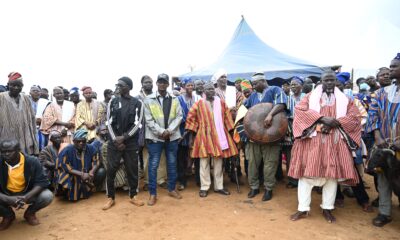


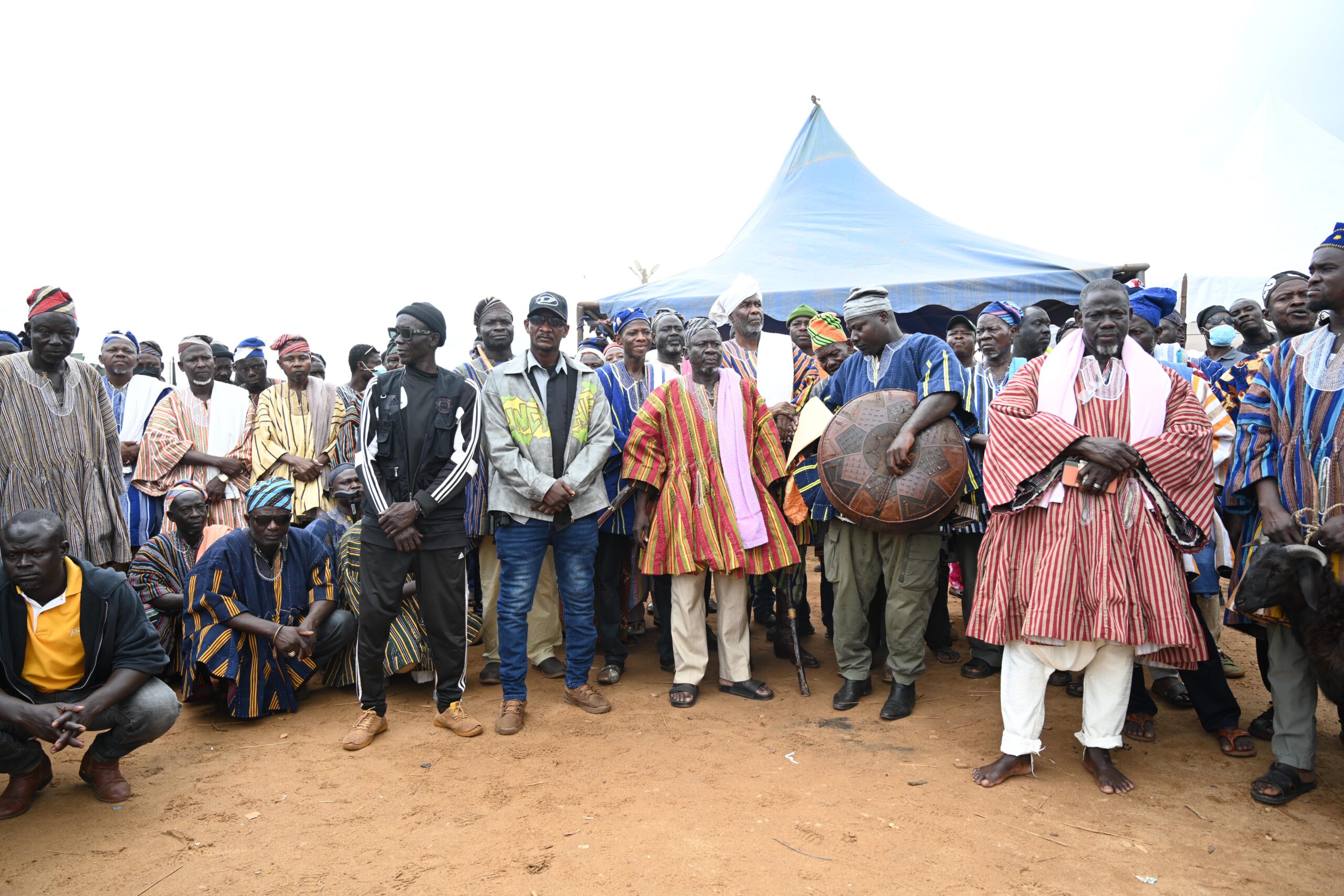
The forecourt of the Gbewaa Palace, was a mixture of rich tradition and emotional scenes as thousands of mourners concluded the three-day adua for the late Overlord of Dagbon, Ndan Yaa Naa Abukari II.
For the period, the Gbewaa Palace became the spiritual and cultural heartbeat of the Dagbon Kingdom as Islamic clerics, traditional rulers, politicians, security personnel and ordinary citizens united in prayer for the repose of the soul of the revered monarch.
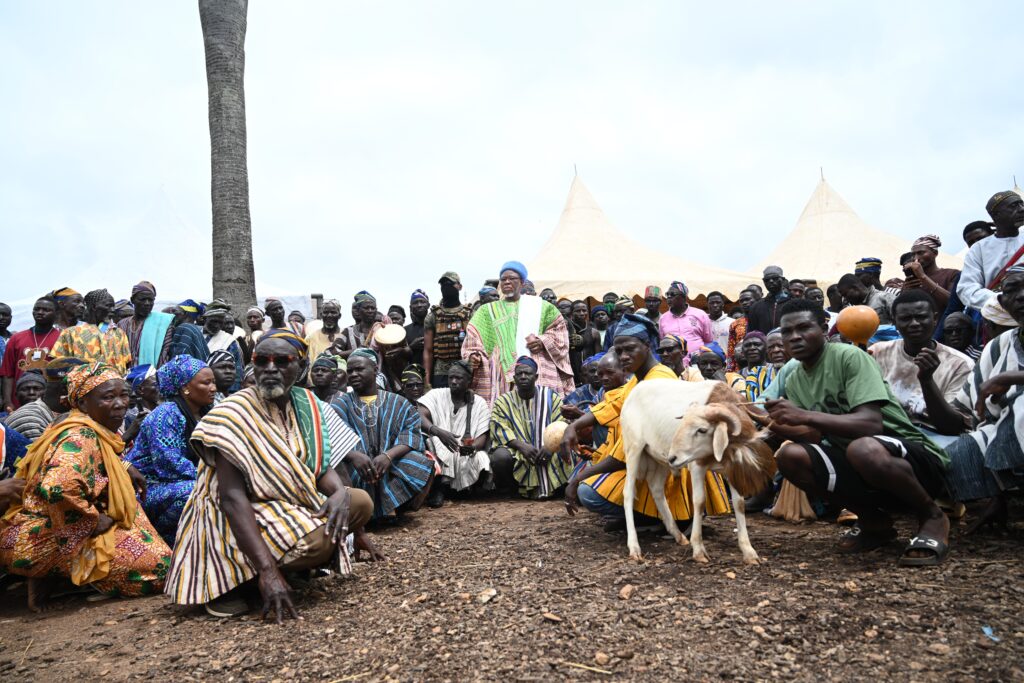
From dawn each day, streams of mourners, mostly dressed in traditional smocks and black attire, steadily filled the palace grounds and adjoining streets, transforming the royal seat into a sea of mourners.
Men, women, youth and children sat under canopies and open spaces while verses from the Holy Qur’an echoed across the palace, creating an atmosphere of reverence and reflection.
The air occasionally reverberated with ceremonial gunshots and traditional warrior displays, symbolising honour, bravery and the rich cultural heritage of the Dagbon Kingdom.
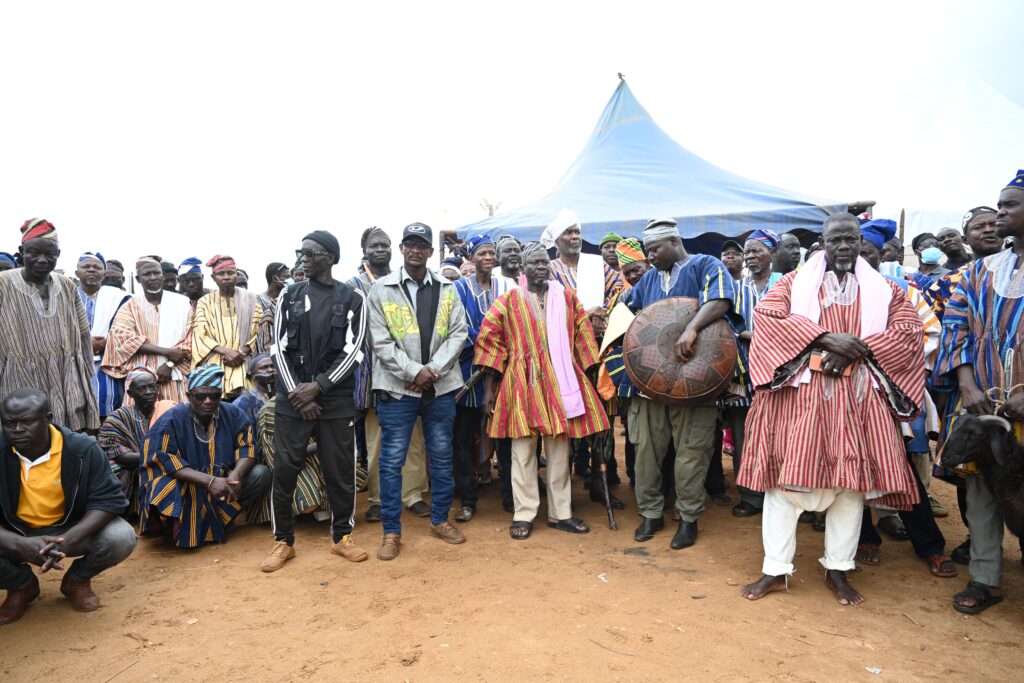

The adua, observed in accordance with Islamic tradition following the burial of the Yaa Naa, was attended by eminent Imams and Mallams who offered continuous prayers, seeking Allah’s mercy and eternal peace for the departed King.
Throughout the three-day observance, a steady flow of dignitaries visited the Gbewaa Palace to pay their respects and sign the book of condolence.
Among them were the Northern Regional Minister, Ali Adolf John Mburidiba; the Savannah Regional Minister, Salisu Be-Awuribe Issifu; and the National Chairman of the National Democratic Congress (NDC), Johnson Asiedu Nketia, who joined members of the royal family, traditional rulers and mourners in honouring the late Yaa Naa.
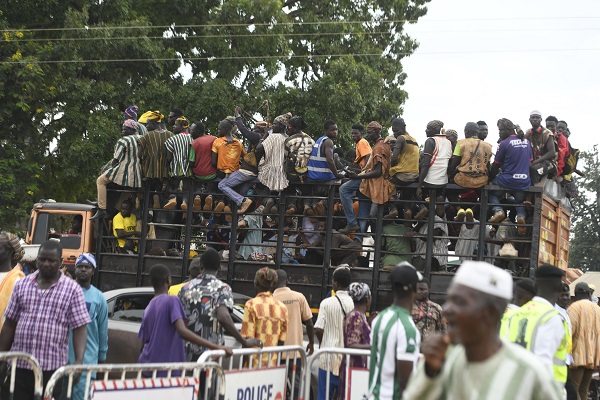
Security remained tight throughout the mourning period, with the Ghana Police Service deploying 450 personnel to ensure law and order.
The officers were stationed at strategic locations, including the Gbewaa Palace, major entry points into Yendi and other key installations, where they managed traffic, maintained public order and provided security for thousands of mourners and visiting dignitaries.
Beyond the official ceremonies, the event reflected the deep respect the people of Dagbon and Ghanaians at large had for the late monarch.
The conclusion of the three-day adua marks another important milestone in the funeral rites of the late Yaa Naa and signals the gradual transition towards the customary processes leading to the selection and enskinment of a new Overlord of the Dagbon Kingdom.
Although the formal three-day prayers have ended, mourning activities continue, with the seventh-day Islamic prayers expected to draw another large gathering of traditional authorities, government officials, religious leaders and well-wishers from across the country.
From: Geoffrey Buta, Yendi
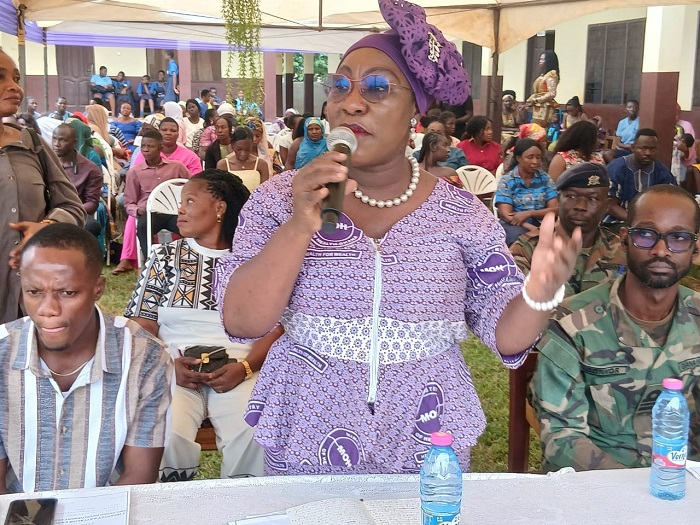
An Optometrist, Dr Adjoa Pokua Osae Awulai has called on parents to take keen interest in regularly presenting their wards for eye screening.
That, he said, would help with early detection of defects or abnormalities with the eye and seek lasting solution for them.
Dr Osae Awulai made the call at the 13th graduation ceremony of the 3 Garrison Early Childhood Development Centre, Liberation Barracks in Sunyani where a total of 106 pupils made up 50 boys and 56 girls graduated.
According to her, problems with the eye have usually been ignored by some parents that preferred to self-medicate and in the process, making the condition worse.
But she stated that the eye was an important organ that must be treated or handled with extreme care.
According to Dr Awulai, the first eye examination must actually start from birth to six months, adding that “this must be done at least twice in a year.”
This, according to her, was a significant step in improving the wellbeing and academic performance of the children as they grow.
She explained that kids with eye defects develop low self-esteem, lack confidence and perform poorly in school due to their condition.
Dr Awulai said despite her regular school visits to sensitise and create awareness on eye health and safety, most people are just reluctant and find excuses not to seek medical care.
“Some people have become so superstitious; they hold on to their religious beliefs rather than seeking medical care,” she said and urged parents to be regular and intentional about problems with their wards eyes.
She commended the management and staff of the 3 Garrison Early Childhood Development Centre for the care, sacrifice, love, and compassion for the training of the school children.
The Headmistress of 3Garrison Early Childhood Development Centre Mrs Helen Korkor Bamfo appealed to parents and teachers to show and demonstrate love, care, patience, and empathy in nurturing the young children.
This she said is a responsibility that must guide every efforts being made to train the future leaders of our dear country.
Mrs Bamfo said training kids with creative skills encompasses providing the essential support and nourishment conducive for developing their cognitive, social, emotional, spiritual and problem solving skills.
Lt. Michael Tetteh, who represented the Commanding Officer of 3BN Lt Col. Michael Naar, appealed to fathers to make their presence count, indicating that “it is critical in raising children.”
Lt. Tetteh praised the teachers for their professionalism and selfless dedication to duty.
The school pupils entertained their parents and guests with choreographed dances and poetry recitals at the ceremony.
From Daniel Dzirasah, Sunyani