News
AMA kicks off consultations for 2026–2029 MTDP


- /home/u249204778/domains/spectator.com.gh/public_html/wp-content/plugins/mvp-social-buttons/mvp-social-buttons.php on line 27
https://spectator.com.gh/wp-content/uploads/2025/05/unnamed-4-1-1000x600.jpg&description=AMA kicks off consultations for 2026–2029 MTDP', 'pinterestShare', 'width=750,height=350'); return false;" title="Pin This Post">
- Share
- Tweet /home/u249204778/domains/spectator.com.gh/public_html/wp-content/plugins/mvp-social-buttons/mvp-social-buttons.php on line 72
https://spectator.com.gh/wp-content/uploads/2025/05/unnamed-4-1-1000x600.jpg&description=AMA kicks off consultations for 2026–2029 MTDP', 'pinterestShare', 'width=750,height=350'); return false;" title="Pin This Post">
The Accra Metropolitan Assembly (AMA) today commenced a series of community engagement meetings to gather public input and prepare community action plans for the next Medium Term Development Plan (MTDP) for 2026–2029.
The initiative, which is rooted in the principles of planning, is being conducted in accordance with the National Development Planning (System) Act, 1994 (Act 480), the National Development Planning (System) Regulations, 2016 (L.I. 2232), and the Local Governance Act, 2016 (Act 936).
The Medium-Term Development Plan (MTDP) for the period 2026–2029 is a strategic planning document to guide the city’s development efforts over a four-year period.
It outlines key policies, programmes, and projects aimed at improving the social, economic, and infrastructural well-being of residents within the Assembly’s jurisdiction.
Speaking during the event held on Wednesday, May 14, 2025, at the Korle Gonno community library in the Ablekuma South Sub-Metropolitan District, Deputy Director Mr. Samuel Tutuani stated that the engagement would provide a platform for residents, traditional authorities, civil society organisations, and other interest groups to share their perspectives, ideas, and development priorities to shape the MTDP in a way that addresses the real needs of the community.
“Your voice is vital in shaping our future, and your participation will help ensure that our development plans are reflective of the needs of all community members,” he said.
He assured residents that their inputs would be integrated into the planning framework to ensure equitable resource allocation and targeted interventions that reflect the actual needs of the people.
The Director of Development Planning at the Accra Metropolitan Assembly (AMA), Mr. Richard Oduro, noted that the current plan, which spans 2022 to 2025, was due to expire on 31st December 2025, hence the need to prepare a new one to guide the Assembly’s development priorities for the next four years.
He emphasised that the planning process must be participatory, stressing the principle of “leaving no one behind.”
Mr. Oduro stated that the 2026–2029 plan would reflect the aspirations of the current government, particularly its agenda of creating job opportunities and ensuring prosperity for all, in line with the broader Resetting Ghana agenda being championed by the new administration.
He noted that challenges such as waste management, poor lighting systems, faulty traffic signals, and deteriorated road surfaces were among the key concerns raised during engagements and would be prioritised in the final plan.
He reiterated that continuous dialogue would be essential in fostering mutual understanding between the Assembly and the communities, ultimately helping to resolve longstanding development issues collaboratively and sustainably.
The Assembly Member for the New Mamprobi electoral area, Hon. Nathaniel Welbeck, raised strong concerns over the deplorable state of infrastructure and sanitation in his electoral area, calling on the Accra Metropolitan Assembly (AMA) and the central government to take urgent action.
Speaking during a community engagement meeting organized by AMA to prepare the next Medium Term Development Plan (2026–2029), Hon. Welbeck highlighted several pressing issues, including the lack of drainage systems, choked gutters, widespread open defecation, and poor road conditions in communities such as Old Dansoman, Banana Inn, and I.B.E.
During the engagement, residents actively voiced their concerns and development priorities, which were subsequently ranked in order of importance to guide the planning process.
Sanitation and waste management emerged as the top priority, followed by traffic light improvements (2), road infrastructure (3), and security (4).
Other issues included poor drainage systems (5), inadequate lighting (6), limited health facilities (7), persistent open defecation (8), erosion (9), and the absence of recreational parks (10).
Present at the event were Assembly members, traditional leaders, heads of department at AMA, sub metro directors, staff of AMA and residents, among others.









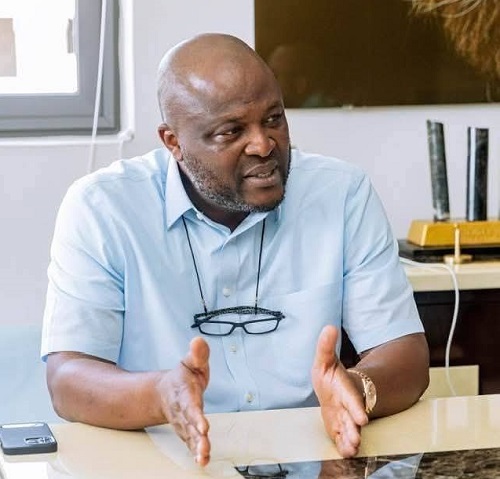
Businessman Mr. Ibrahim Mahama has denied reports linking him to a takeover bid for the Volta Aluminium Company (VALCO).
His reaction follows a demonstration by members of the VALCO Labour Union today, during which some protesters alleged that Mr. Mahama was interested in acquiring the state-owned aluminium company.
In a statement issued by his Special Aide, Rafik Mahama, the businessman said he has “no such interest” and has not made any offer to acquire VALCO.
“The allegation is the latest in several vile attempts to impute the integrity of Mr. Ibrahim Mahama and subject him to needless public engagements,” the statement said.
The statement added that Mr. Mahama’s business track record speaks for itself, describing his companies as “some of the best-run operations across the African continent.”
It further noted that all of Mr. Mahama’s business interests were “legally commenced or acquired” and operate within the law a fact it said explains why his businesses have endured across seven election cycles.
“Mr. Mahama remains committed to contributing his quota to the development of Ghana by investing in business opportunities in Ghana and beyond,” the statement added.
The statement also disclosed that Mr. Mahama has instructed his lawyers to take the necessary legal action over the publication and allegations.
By Edem Mensah-Tsotorme
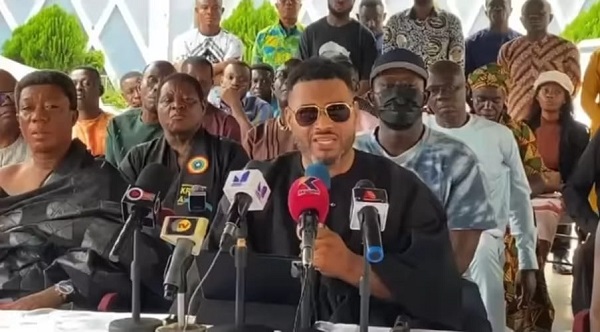
The leadership of Kristo Asafo has dismissed reports circulating on social media and in some media outlets that the late Apostle Kwadwo Safo Kantanka will be buried on July 30, 2026, describing the claim as false.
The current head of the Kantanka family and leader of Kristo Asafo, Kwadwo Safo Akofena Kantanka, addressed the issue during a press conference in Accra today.
He said no burial date has been set and urged members of the church and the general public to disregard any unofficial announcements.
“I urge the members of Kristo Asafo and the nation to disregard any burial date out there,” Akofena said.
He further stressed that neither the leadership of the church nor the Kantanka family has made any such announcement regarding the funeral.
According to him, all official funeral arrangements will be communicated only through a formal statement from the Kantanka family when the time is due.
Akofena Safo Kantanka said the family remains united in ensuring that the final funeral rites are conducted in a manner that befits the legacy of the late Apostle.
He called on Ghanaians to remain calm and wait for the official communication from the family, warning against the spread of misinformation.
Background
Apostle Dr. Ing. Kwadwo Safo Kantanka, founder and spiritual leader of Kristo Asafo Mission of Ghana, passed away recently, plunging the church and the nation into mourning.
The late Apostle was widely known not only as a religious leader but also as an industrialist, inventor, and founder of the Kantanka Group of Companies, which manufactures vehicles and other machinery in Ghana.
Since his passing, there has been heightened public interest in his funeral arrangements.
It would be recalled that a faction of the siblings and family led by former MP Adwoa Safo had earlier announced a proposed burial date and arrangements.
That announcement, however, has been rejected by the current leadership of both the church and the family.
By Edem Mensah-Tsotorme