News
AfWOD urges tackling socio-economic barriers fuelling HIV spread


- /home/u249204778/domains/spectator.com.gh/public_html/wp-content/plugins/mvp-social-buttons/mvp-social-buttons.php on line 27
https://spectator.com.gh/wp-content/uploads/2024/12/Ms-Precious-Hamidu-640x600.jpg&description=AfWOD urges tackling socio-economic barriers fuelling HIV spread', 'pinterestShare', 'width=750,height=350'); return false;" title="Pin This Post">
- Share
- Tweet /home/u249204778/domains/spectator.com.gh/public_html/wp-content/plugins/mvp-social-buttons/mvp-social-buttons.php on line 72
https://spectator.com.gh/wp-content/uploads/2024/12/Ms-Precious-Hamidu-640x600.jpg&description=AfWOD urges tackling socio-economic barriers fuelling HIV spread', 'pinterestShare', 'width=750,height=350'); return false;" title="Pin This Post">
Ms Precious Hamidu, the Executive Director of the Alliance for Women Opportunities and Development (AfWOD), has called on the nation to tackle the socio-economic factors contributing to the spread of HIV and AIDS in the country.
She said existing gender inequality, poverty, and limited HIV and AIDS education and inaccessible healthcare services in parts of the country remained key barriers that the nation needed to overcome to bring the spread of the diseases to the barest minimum.
“We must therefore empower women and girls, ensuring that they have the requisite knowledge and resources to protect themselves,” she stated in an interview with the Ghana News Agency (GNA) in Sunyani to commemorate the 2024 celebration of the World AIDS Day.
She highlighted the importance of continuous efforts to fight HIV and AIDS in the country by supporting people living with the virus to access medication and intensifying the public campaign against the disease for people to protect themselves from infections.
Each year, on December 1, the world commemorates World AIDS Day, instituted by the World Health Organisation (WHO) where people around the globe unite to show support for people living with HIV and to remember those who have died from AIDS-related illnesses.
Ms Hamidu indicated that the country had made significant progress in the fight against HIV and AIDS, saying reports from the Ghana AIDS Commission showed that the nation had witnessed a decline in new HIV infections, with an estimated 19,000 new cases in 2022, compared to 21,000 in 2021.
“Despite this progress, the fight against HIV/AIDS is far from over,” she stated, saying the current statistic from the Ghana Health Services revealed that approximately 350,000 people were living with HIV in the country, with women accounting for 60 per cent.
Ms Hamidu indicated that the prevalence rate among adults aged 15-49 was estimated at 1.7 per cent, underscoring the need for targeted interventions.
AfWOD remains committed to working with local communities, government agencies, and international partners to enhance HIV prevention and treatment programmes, she stated, saying her organisation also focused on reducing stigma and discrimination, which remain significant challenges for those living with HIV.
“Stigma and discrimination continue to hinder our efforts and we must therefore create an environment where everyone feels safe to seek testing and treatment without fear of judgment or social exclusion.” -GNA

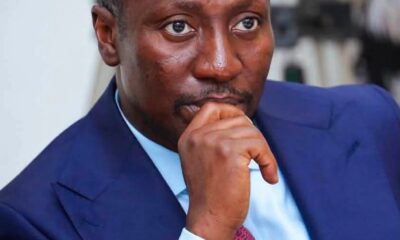






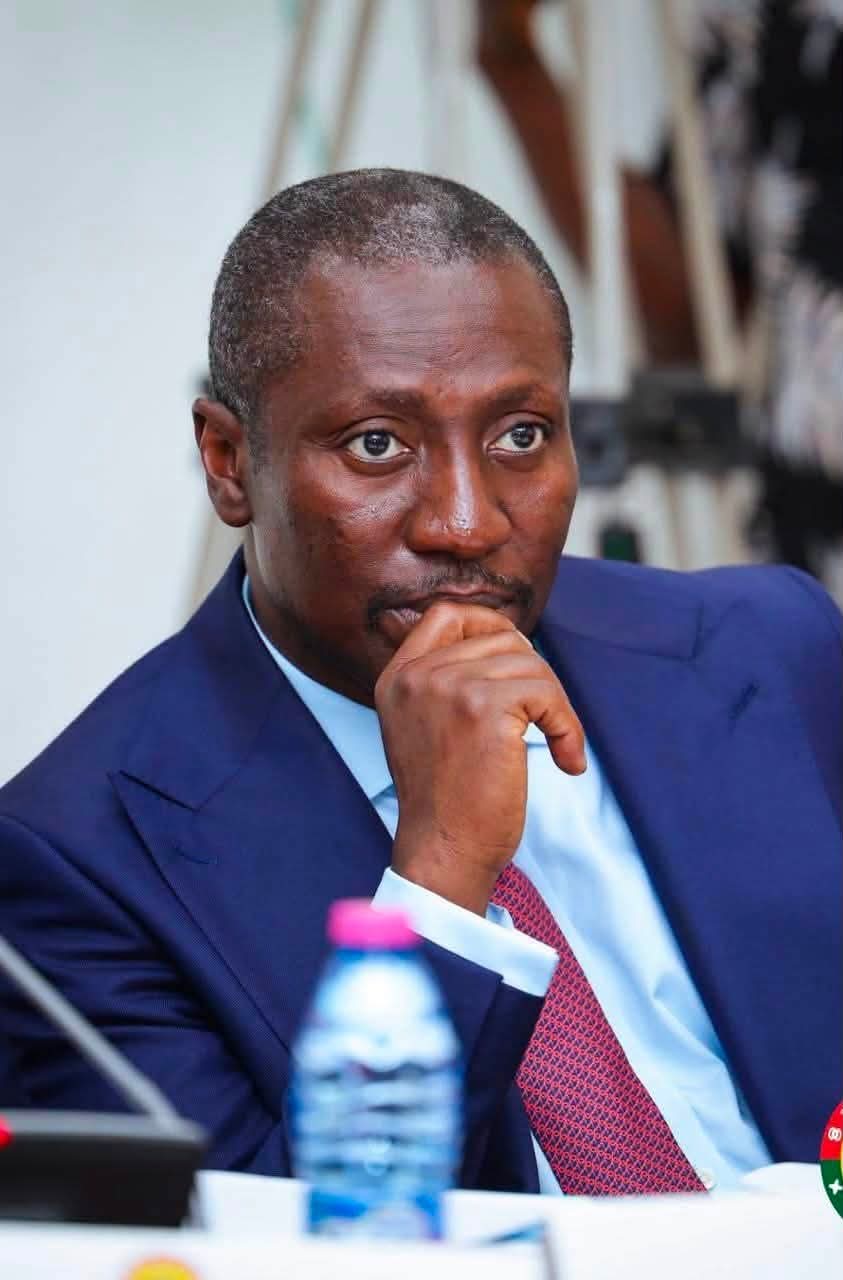
Minority Leader in Parliament, Alexander Afenyo Markin, says he has discharged his duties with the dignity and responsibility demanded by the office, stressing that he does not take the New Patriotic Party (NPP) for granted.
He made the remarks during a media briefing, where he also dismissed claims that there are compromising videos or audio recordings of him that could embarrass him, his family or the party.
Mr Afenyo Markin acknowledged that he is not perfect but insisted that he would not act recklessly, particularly given the responsibility attached to his position as Minority Leader.
“I have discharged my duty as a Minority Leader with all the dignity that must go with the office. I’m not a perfect guy, but I won’t be reckless,” he stated.
He said he was conscious of the history of the position he occupies, noting that it had previously been held by senior members of the NPP, including J.B. Danquah, J.H. Mensah and Busia, Dumbo.
According to him, the party’s elders did not entrust him with the leadership of the parliamentary caucus without considering the responsibility involved.
“I don’t take NPP for granted. It’s a tradition I respect. The elders of this party, they don’t just get up to say, ‘Our son, lead the caucus.’ From day one, they entrusted me with this position,” he stated.
Mr Afenyo Markin said he has always recognised the weight of the party’s history and the need to conduct himself in a manner that protects the image of the NPP.
He rejected claims that individuals have videos or audio recordings of him engaging in activities that could be used to embarrass him.
“Nobody has any video of me doing anything. Nobody has any audio of me doing anything to embarrass myself, my family and the party,” he insisted.
He described the claims as part of the challenges politicians face in the era of social media, where allegations and rumours can spread quickly.
Mr Afenyo Markin maintained that despite such claims, he would continue to carry out his responsibilities with caution and respect for the office he occupies.
By: Jacob Aggrey
Minority Leader in Parliament, Alexander Afenyo Markin, has denied that his concerns over the GoldBod and the Domestic Gold Purchase Programme are aimed at any particular individual.
He explained that his criticism has always been directed at the institution and the way the programme is being implemented, rather than at any person.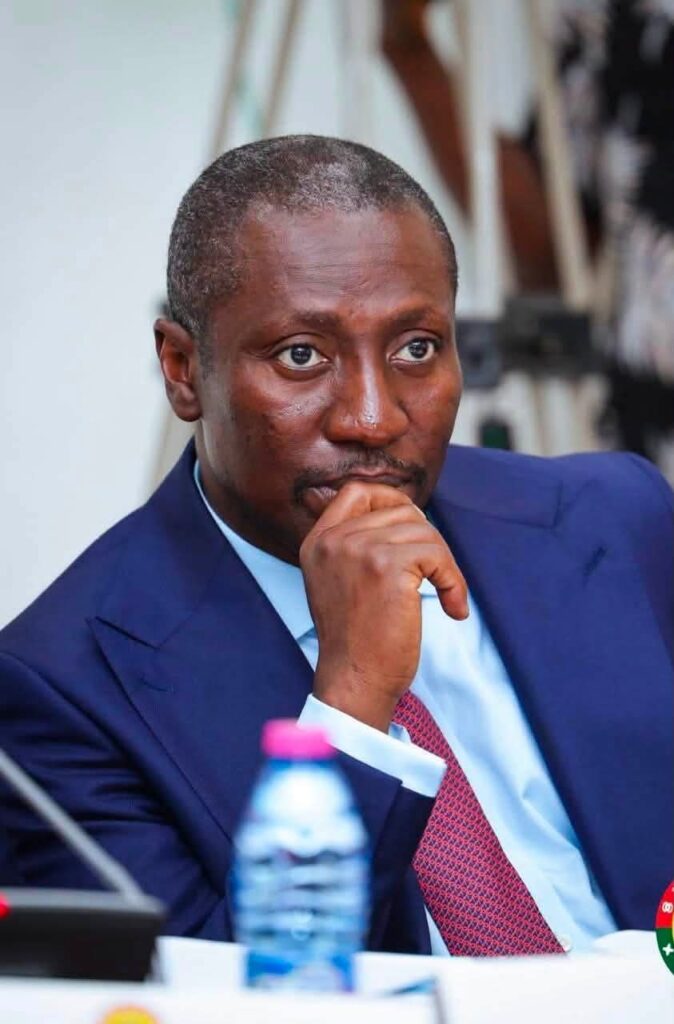
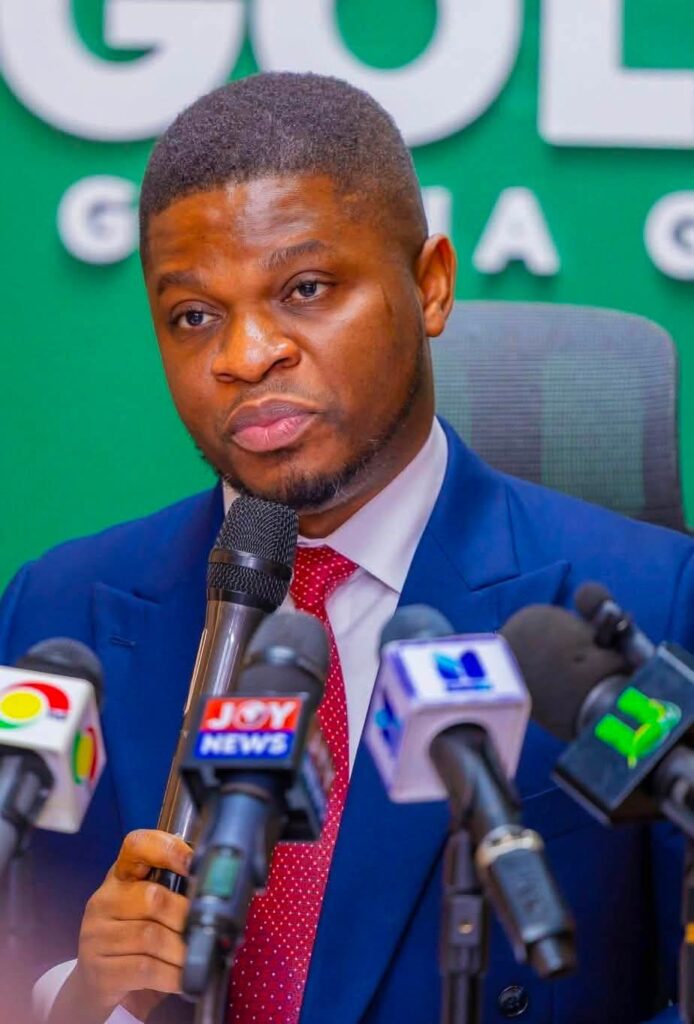
“I have never, on any occasion, mentioned anyone’s name. I have always been talking about the GoldBod institution,” Mr Afenyo Markin stated.
He made these remarks today during a press briefing August 31, 2026,Speaking to when cultural troupes from Winneba visited his residence in Accra
the Minority’s position is that although the Domestic Gold Purchase Programme is a good initiative, its implementation has created challenges that need to be examined.
He described the programme as an initiative introduced under former Vice President Dr Mahamudu Bawumia to use Ghana’s gold resources to help stabilise the economy.
Mr Afenyo Markin maintained that the Minority supports the idea but is concerned about what he described as losses arising from its implementation.
He referenced concerns raised by the International Monetary Fund (IMF) regarding losses associated with the programme, arguing that such issues should be properly investigated.
He therefore rejected suggestions that the matter had become a personal attack.
“We need to elevate the conversation so that it doesn’t become a personality contest,” he added.
Responding to arguments that the reported losses could instead be exchange rate losses on the Bank of Ghana’s own accounts and that the central bank was following international best practices, Mr Afenyo Markin called for patience.
He indicated that the planned parliamentary probe would provide an opportunity for all sides to present their positions and establish the facts.
“When October comes and we start the discussion, wherever the truth is, we will all get to know,” he stated.
By: Jacob Aggrey