News
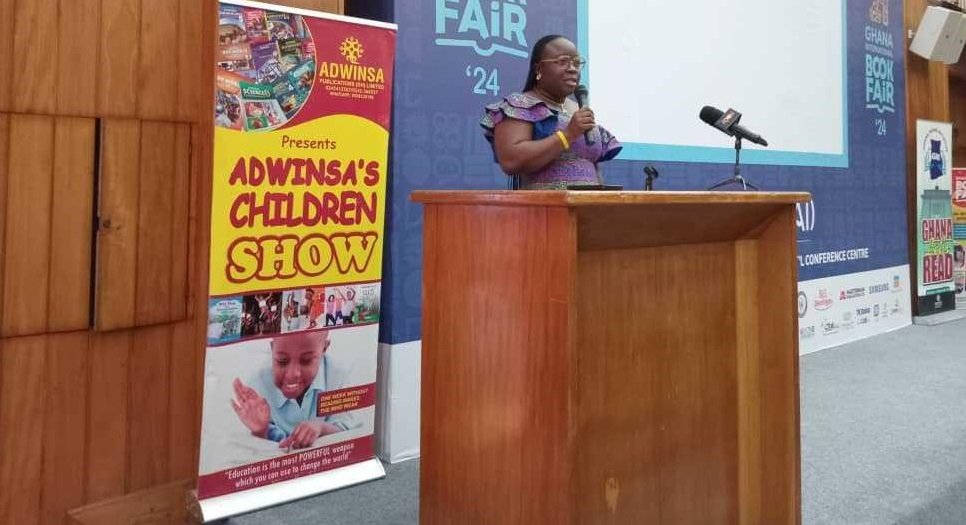
Adwinsa Publications marks 21st Ghana Int’l Book Fair with children’s show

- /home/u249204778/domains/spectator.com.gh/public_html/wp-content/plugins/mvp-social-buttons/mvp-social-buttons.php on line 27
https://spectator.com.gh/wp-content/uploads/2024/08/Mrs-Sarah-Kumi-Yeboah_Boadu-addressing-the-audience-at-the-event.jpg&description= Adwinsa Publications marks 21st Ghana Int’l Book Fair with children’s show', 'pinterestShare', 'width=750,height=350'); return false;" title="Pin This Post">
- Share
- Tweet /home/u249204778/domains/spectator.com.gh/public_html/wp-content/plugins/mvp-social-buttons/mvp-social-buttons.php on line 72
https://spectator.com.gh/wp-content/uploads/2024/08/Mrs-Sarah-Kumi-Yeboah_Boadu-addressing-the-audience-at-the-event.jpg&description= Adwinsa Publications marks 21st Ghana Int’l Book Fair with children’s show', 'pinterestShare', 'width=750,height=350'); return false;" title="Pin This Post">
Adwinsa Publications has organised a Children’s show to mark this year’s 21st Ghana International Book Fair.
The programme was to educate children on the dangers that comes with polluting water bodies particularly through the activities of illegal mining (Galamsey).
The Ghana International Book Fair (GIBF) is an annual event organised to celebrate the rich Ghanaian culture through books. The fair attracted publishers across the globe to exhibit their books.
Dubbed ‘Poisoning our water, poisoning our future’, the show enlightened the children on the negative effects of ’Galamsey’ on water bodies.
Addressing audience at the event, the Deputy Chief Administrator, Guidance and Counseling Unit of the Ghana Education Service, Mrs Sarah Kumi Yeboah-Boadu, said it was important to develop the habit of reading as it helps discover what has been hidden for many years.
“We organised this programme to encourage school children to develop the habit of reading as one can discover what has been hidden for ages only through reading and also to expose them to the happenings around,” she said.
Mrs Boadu said some of the negative effects of water pollution on our health may be cases of cancer and shortage of food supply.
Some of the dignitaries present at the event were Mr Kwaku Oppong-Amponsah, C.E.O of Adwinsa Publications, Mrs Catherine Agyapomaa Appiah-Pinkra, Executive Director, Complimentary Education Agency and Master Kobby Onan Adjei Johnson, Mountain High Academy.
The programme was climaxed with a thrilling cultural display by school children from the North Legon School Complex, poetry recital and a dance performance by Potters Orphanage
By Elizabeth Agyeibea Ackon

The Ministry of Education has condemned the alleged sexual abuse of a 14-year-old student with autism at Bolgatanga Girls’ Senior High School (BOGISS) in the Upper East Region.
The ministry, in a statement issued on August 20, 2026, indicated that two watchmen employed by the school are alleged to have sexually abused the student.
It described the incident as unacceptable and stressed that schools must protect and care for students, particularly children who are vulnerable.
The ministry made it clear that the student cannot be blamed for the alleged abuse.
“The Ministry wishes to state unequivocally that a minor cannot be held responsible for sexual abuse perpetrated against her by an adult,” it stated.
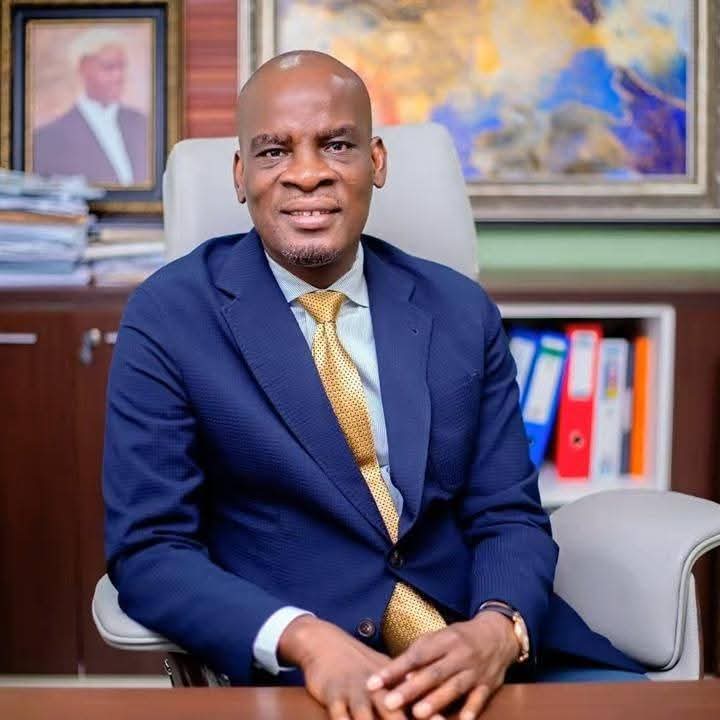
The Minister for Education, Haruna Iddrisu, has directed the Ghana Education Service (GES) to investigate the matter and submit a report immediately.
He has directed the GES to ensure that the student receives the necessary medical care and counselling to support her recovery.
The ministry further directed that the student’s boarding status at BOGISS be restored immediately.
It assured the student’s family and the public that it would work to ensure that justice is served.
The ministry described the incident as an act of indiscipline and reaffirmed its commitment to protecting the safety, dignity and rights of students in schools across the country.
By: Jacob Aggrey
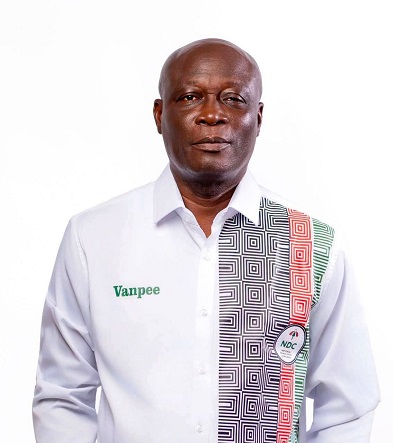
Former Deputy Minister for Local Government and NDC aspiring national chairman, Nii Lante Vanderpuye has apologised to GoldBod Chief Executive Officer, Sammy Gyamfi, and the National Democratic Congress (NDC) over comments he made during a discussion on Channel one TV.
In a statement dated August 20, 2026, Mr Vanderpuye acknowledged that his comments during the programme did not properly communicate his intended position.
He explained that he had no intention of undermining Mr Gyamfi or supporting criticisms being directed at him and GoldBod by the opposition.
According to him, his intention was to defend the work of GoldBod and the efforts of its CEO, but he expressed himself in a way that created a different impression.
“For that error of judgement and communication, I am sincerely sorry,” Mr Vanderpuye stated.
He particularly apologised to Mr Gyamfi, describing him as a dedicated member of the NDC who has served the party with courage and commitment.
Mr Vanderpuye also apologised to the leadership, members and grassroots of the NDC who may have been disappointed or hurt by his comments.
He acknowledged that party members expect leaders and those seeking greater responsibility within the NDC to show solidarity, good judgement and loyalty, especially when members and institutions led by them face political attacks.
Mr Vanderpuye further stressed that he has spent a significant part of his political life supporting and fighting for the NDC, including during difficult personal and political periods.
He reaffirmed that the NDC remains his political home and that his loyalty and commitment to the party remain unwavering.
The issue started after the Minority in Parliament, led by Minority Leader Alexander Afenyo Markin, accused GoldBod CEO Sammy Gyamfi of being responsible for an alleged GH¢22 billion loss at the institution.
Mr Gyamfi later responded to the allegations during the government’s accountability series, defending GoldBod and its work.
However, during a discussion on channel one TV, Nii Lante Vanderpuye made some comments that were understood by some people as being critical of Mr Gyamfi and GoldBod.
His comments sparked concerns among some NDC supporters, leading him to apologise to Mr Gyamfi, the party leadership and its members.
By: Jacob Aggrey