Profile
Add more value to yourselves – Mrs Sackey-Cadbury admonishes women


This week’s profile is focused on a very determined and humble woman whose struggle in her early years, could not kill her vision of becoming a prominent figure in society whose contribution to human resource development would stand the test of time.
This woman defied all odds and jumped over every hurdle put in her way to carve a niche in the catering and hospitality industry in Ghana.
Mrs Princess Angela Sackey-Cadbury, the proprietress of Citadel Events, a school of hospitality at North Kaneshie in Accra, has nurtured the talent of the youth by giving them the requisite training to become productive citizens in their fields of endeavour.
Her outstanding achievement in the catering and hospitality industry has attracted people from all spheres of life to learn and acquire peculiar skills for themselves in her school.
Background
Mrs Sackey-Cadbury who is Ga from James Town, Accra, had her primary school education at the St. Anthony’s Preparatory School at Laterbiokorshie and Junior Secondary School education at Nungua ACC ‘4’, all in Accra where she wrote the Basic Education Certificate Examination (BECE).
She proceeded to Ahmadiyya Secondary School (Potsin), in the Central Region where she offered Home Economics due to her futuristic interest in pursuing catering as a business venture.
The focus-minded woman after secondary school enrolled at Cake Tekniks Catering Institute to study and practise sugar craft and later taught in the institute for two years.
Poised to achieve her childhood dream, Mrs Sackey-Cadbury enrolled at the Accra Polytechnic, now Accra Technical University in 1998 and studied Hospitality.
She completed in 2001 and bagged a Diploma in Hospitality from the Accra Technical University.
Ordeal
Her dream in setting up a hospitality school was becoming difficult but with determination she was able to make it.
She said in the catering environment, it was difficult when students did not have their own equipment for the designated practical work to test their depth of knowledge in the courses taught.
“I sometimes have to support my students in cash or kind for them to fulfill their course work since the materials needed in catering are costly”, she said.
She is of the view that “extending a helping hand to the needy in skills acquisition is worth satisfying to the soul”.
Uniqueness
Her outstanding persona in the hospitality and catering industry is the drive to make a difference among the number of hospitality service providers in the country.
Working under strict hygienic conditions, Mrs Sackey-Cadbury ensures that her clients are properly served to enable them enjoy all the local and continental dishes served on all occasions.
The Hospitality History
Making a transformation in her hospitality endeavour into a broader spectrum, she expanded her small scale venture to a more resourced one to attract clients and students.
She told The Spectator that her services were earlier provided at Nungua-Brigade, Accra, where she started the school with an inspiring number of people.
“Due to the nutritious nature of my cakes and meals, people advised me to make it a school in order to harness talents in the catering industry, so I adhered to their advice and started the school”, she added.
Previously, the school was called Peesac Catering and Floral School and offered courses in Catering, Sugar Craft and Events.
From there, she relocated to her current venue at North Kaneshie where she changed the school’s name to Citadel Events based on the suggestions from her husband.
Family
Mrs Sackey-Cadbury is married to Pastor Nestor Danso Cadbury and are made up of a family of six who fellowship at the New Covenant Assemblies of God, Nyamekye-Accra.
Ecstasy
Her joy in the hospitality and catering industry is matchless and no one can stop her from doing what she loves best.
“This profession is a vocation where no one can take it from me and I have combined other businesses to it but the skill of catering is an undying one which is always part and parcel of me”, she reiterated.
Another joy she expressed was the provision of training for the hopeless to also have vocational skills as a means of empowering them.
Advice
Mrs Princess Sackey-Cadbury advised all to have vocational skills and asked women to ensure that they have something new in addition to their profession to enhance their skills.
“Desire to make an impact in society and make sure you learn a course in either catering or hospitality to make your home a fun-packed haven,” she told women.
Others
The banku and okro stew with crab fan loves cooking, listening to gospel music and reading books.
Mrs Sackey-Cadbury expressed her profound appreciation to some key role players in her life including her husband Pastor Danso Cadbury, Rev. and Mrs Blessing Mensah, Madam Florence Okine and all those who have made her dream come true.
By Alfred Nii Arday Ankrah


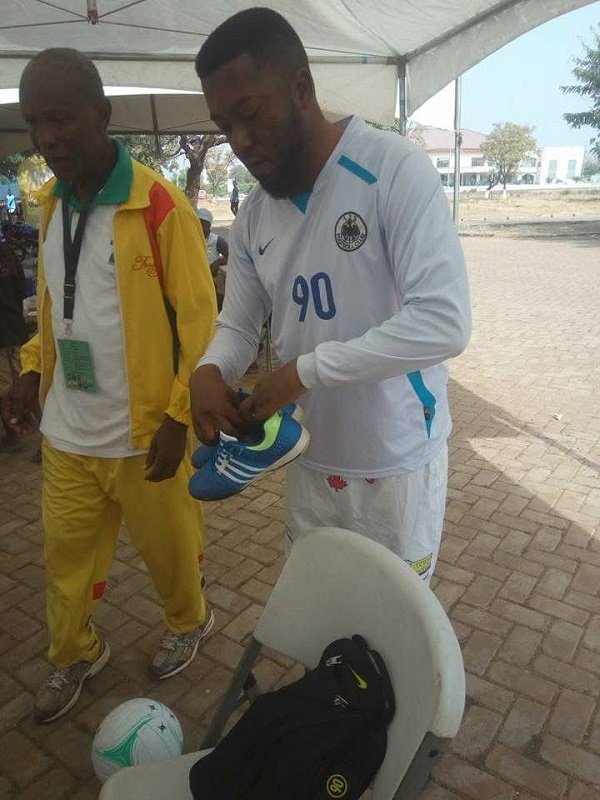
IN the annals of Ghana’s sporting history, certain individuals stand out not merely for participating in sport, but for transforming it.
Rev. Emmanuel D. Niikoi is one such figures. Revered as the father of modern netball in Ghana, is widely credited with rescuing the game from near extinction and transforming it into a vibrant, structured and nationally recognised sports discipline.
His journey reflects vision, resilience and an unwavering commitment to youth and sports development.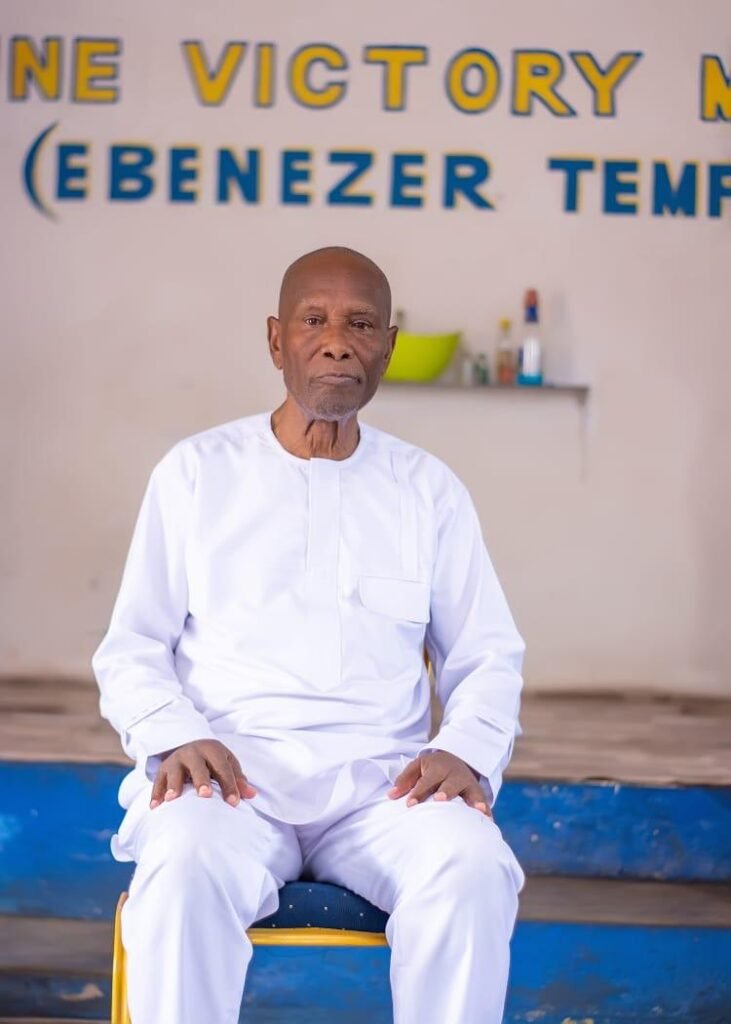
Netball was introduced to the then Gold Coast by Christian missionaries alongside formal education. By the 1960s and early 1970s, the sport had gained remarkable popularity in schools and colleges, ranking second only to football and, in some institutions, rivaling it in appeal.
However, during the 1974/75 academic year, the Ghana Education Service (GES) took a policy decision to step down netball in favour of basketball development. The decision dealt a severe blow to the sport.
Between 1975 and 1985, competitive netball virtually disappeared from Ghana’s sporting calendar.
That decision of the GES can be blamed for the current state of the sports that is producing heroines across the globe.
The revival of the game can be traced to 1985 during the Golden Jubilee celebration of the Ghana Broadcasting Corporation (GBC).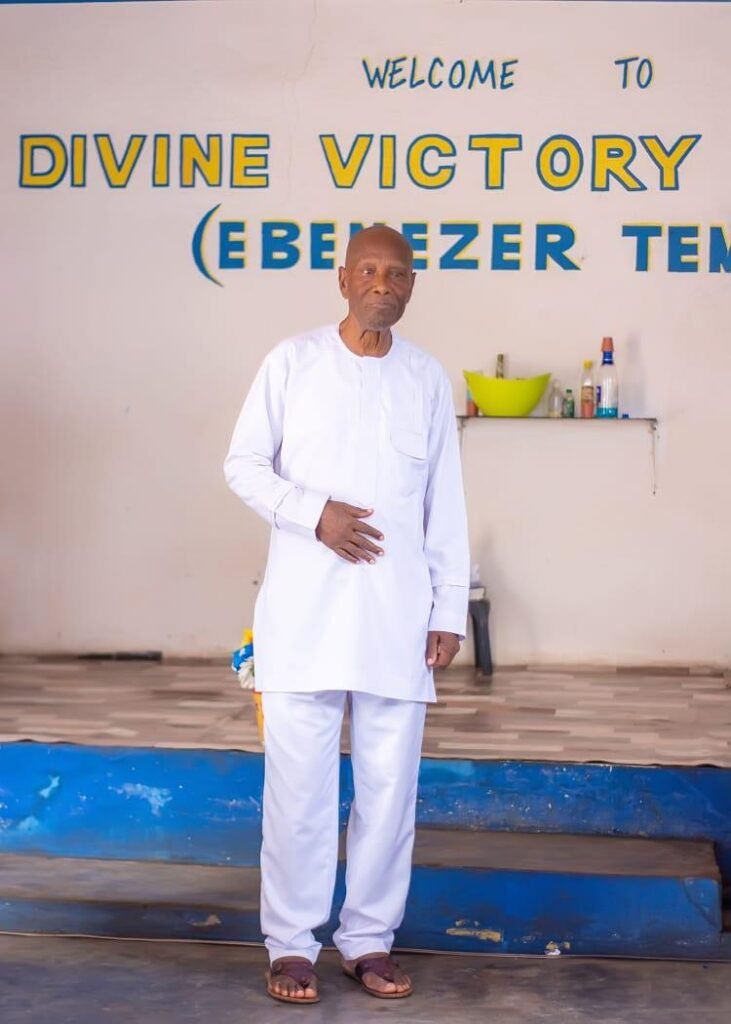
At the time, Rev. Niikoi was serving as Chief Editor (News) in the Radio Newsroom. Understanding both the historical importance and untapped potential of netball, he championed the inclusion of a netball tournament as part of the anniversary celebrations. The event reignited public interest and reminded many of the sport’s former glory.
Crucially, Rev. Niikoi did not allow the momentum to fade after the festivities. The GBC netball team formed for the tournament, aptly named “Golden Hands,” became the cornerstone of a national revival campaign.
With determination and personal sacrifice, he led tours across the country, using the team as a practical training platform.
He personally taught sports teachers under the GES the official rules of netball, reintroduced structured competition, and restored confidence in the sport’s viability.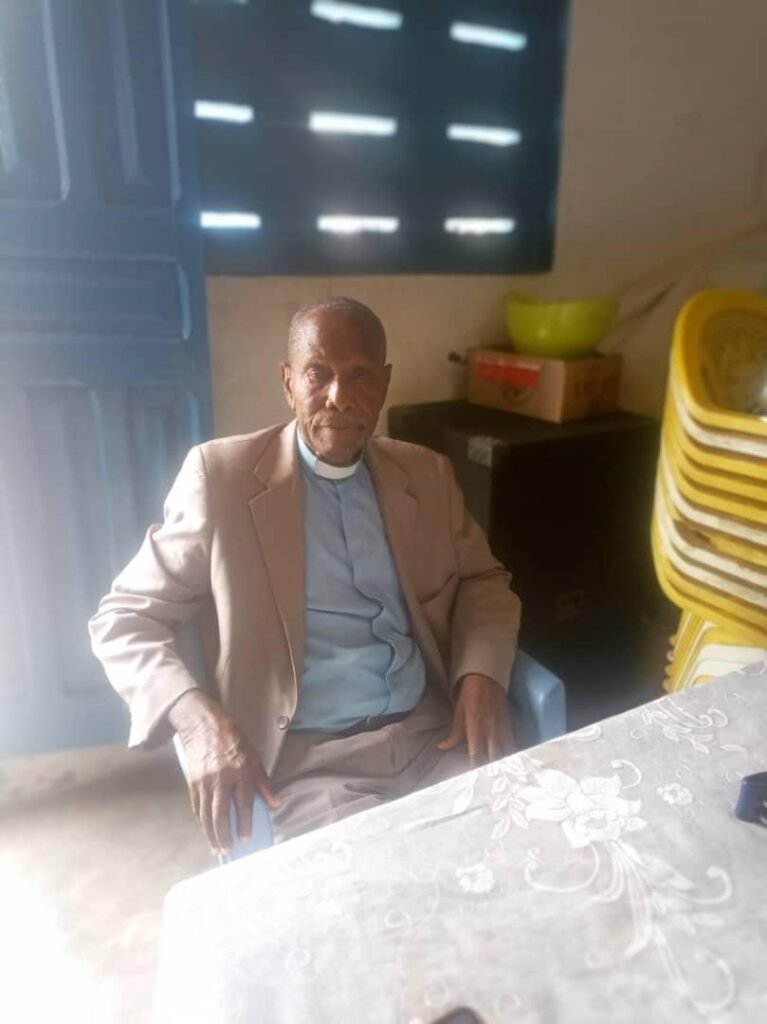
These efforts culminated with the formation of the Netball Association of Ghana in 1988, now known as the Netball Federation of Ghana.
In 1990, the association gained formal recognition from the National Sports Authorities, previously known as the National Sports Council (NSC), restoring netball’s status as an official sporting discipline.
This milestone marked the rebirth of organised netball in Ghana and cemented Rev. Niikoi’s place as founder of the national governing body.
Revival soon transitioned into consolidation. Over the years, Rev. Niikoi consistently lobbied educational and sports authorities to reintegrate netball into major school competitions.
His advocacy led to the sport’s reintroduction into the National Basic Schools Sports Festival, the Senior High and Technical Schools Sports Festival, the Colleges of Education games, and competitions under the Ghana University Sports Association (GUSA).
Today, netball is played across the entire educational structure in Ghana, from basic schools to public universities, a testament to his sustained and strategic efforts.
On the continental and global front, Ghana is a full member of World Netball and was a founding member of the Confederation of Africa Netball Associations (CANA), now Africa Netball.
In 2004, Ghana hosted the inaugural Africa Netball Cup of Nations in Accra and emerged champions after defeating Namibia in the final. The victory not only boosted Ghana’s sporting image but also validated years of groundwork.
In 2007, Rev. Niikoi was elected Director of Marketing and Media for CANA, serving a four-year term and contributing to the sport’s development across the continent.
In 2019, following governance reforms required by the International Olympic Committee to lift sanctions related to state interference in sports administration, national federations were mandated to adopt independent constitutions. Under this new framework, the Netball Federation of Ghana successfully drafted its constitution and conducted elections.
On June 19, 2019, Rev. Niikoi was elected the federation’s first President under the independent constitutional order which is symbolic and deserved recognition of decades of service.
Beyond netball administration, Rev. Niikoi also served two terms spanning eight years from March 2018 to March 2025 as an Executive Board Member of the Ghana Olympic Committee.
His presence on the board ensured that netball maintained visibility within Ghana’s broader Olympic movement.
A Bachelor of Arts graduate in Combined Honours (History and Law), Rev. Emmanuel D. Niikoi has trained numerous coaches and umpires nationwide, strengthening the sport’s technical foundation and ensuring sustainability.
His leadership style combines administrative discipline with grassroots engagement, making him both a strategist and a mentor.
From dormancy to dynamism, the resurgence of netball in Ghana bears his unmistakable imprint. Through advocacy, institution-building and capacity development, Rev. Niikoi has secured a lasting legacy.
Today, every netball match played in Ghana, whether at a basic school court or a university festival stands as living testimony to his vision and perseverance.
By Esinam Jemima Kuatsinu

AUTISM Awareness Care and Training (AACT) is Ghana’s first autism-focused centre, playing a pioneering role in the care, education, and advocacy for children on the autism spectrum and their families.
Established in 1998, AACT began as a parent-support and training initiative at a time when autism was poorly understood in Ghana. Many families raising autistic children faced stigma, isolation, and limited access to information or professional assistance.
Over the years, the organisation has evolved into a full-fledged autism care and training centre, responding to the growing demand for specialised services and sustained nationwide awareness.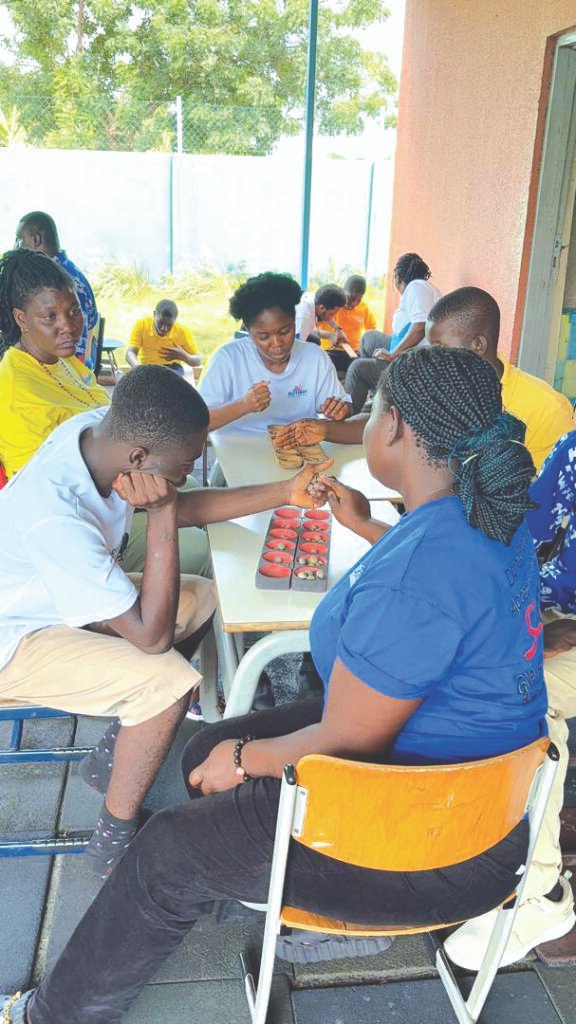
AACT is currently located in Haatso, Accra, where it operates a structured day programme serving about 25 learners daily. The centre provides a safe, inclusive, and supportive environment where children with autism are guided to develop essential life, social, and functional skills.
Programmes at the centre focus on independent living skills, vocational and pre-vocational training, functional academic skills, and therapeutic interventions. These activities are tailored to the individual needs of each learner, recognising that children on the autism spectrum learn and develop at different paces.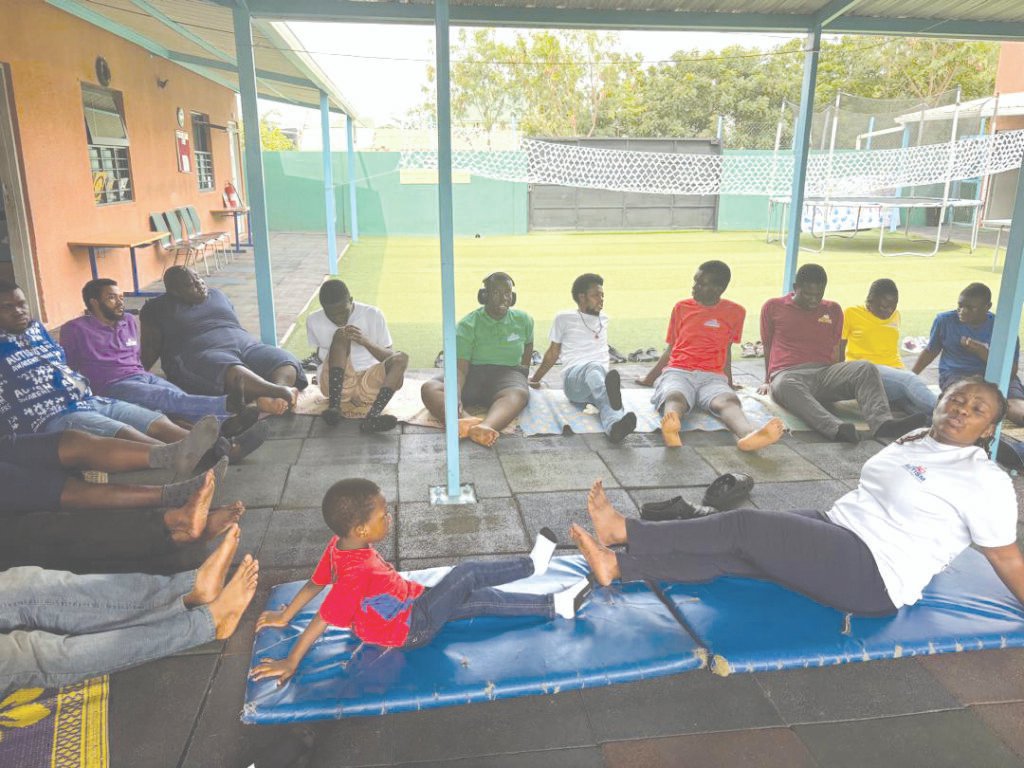
According to Abeiku Grant, Head of Programmes at AACT, the centre’s philosophy is centred on ability rather than limitation.
“Every autistic child is different,” he said. “Our work is to support them at their own pace and help them discover what they can do, not to focus on what they cannot do.”
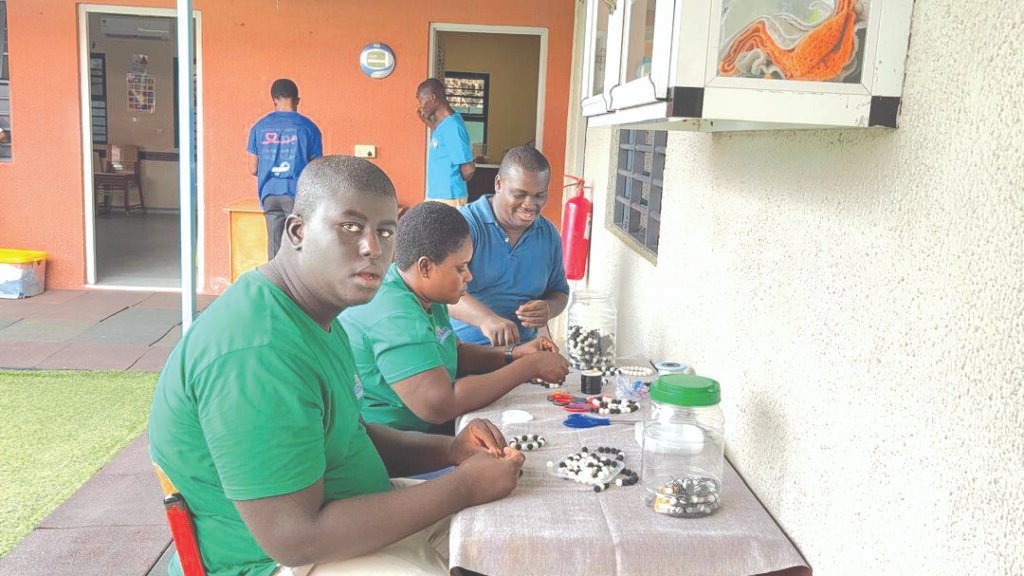
Beyond centre-based services, AACT places strong emphasis on autism awareness and advocacy, particularly within schools and communities. Many children with autism in Ghana continue to face rejection and exclusion due to stigma, misinformation, and the lack of trained personnel in educational institutions.
In 2025, AACT reached over 20 schools across the country, providing autism education to teachers, students, and school administrators.
The organisation also runs free teacher training programmes, equipping educators with practical knowledge and basic tools to support autistic learners in inclusive classroom settings.
“Many schools tell us they are not resourced or trained to handle autistic learners,” Mr Grant explained. “Instead of waiting for change, we decided to go to them and train teachers for free.”
AACT also engages learners directly, addressing widespread misconceptions about autism, including the false belief that autism is contagious or caused by bad parenting. These outreach programmes aim to build empathy among students and promote peer support for autistic learners in mainstream schools.
Another major challenge confronting families is limited access to autism services, especially outside Accra. With most autism centres concentrated in the capital, many families from other regions are forced to travel long distances or keep their children at home due to cost, stigma, or lack of support.
“Education is not meant only for typical children,” Mr Grant stressed. “Children with autism also have the right to education and care. No child should be hidden because of lack of understanding or opportunity.”
As part of its outreach work, AACT supports parents to overcome stigma and encourages social interaction for children with autism, believing that community engagement is essential for development and confidence building.
In December 2025, the centre received what it described as its largest donation of the year, raised by children from the Unmasked Mentoring initiative. According to the organisation, the donation was particularly significant as it demonstrated empathy and social responsibility among young people.
As a non-governmental, non-profit organisation, AACT depends largely on donations, partnerships, and goodwill to sustain and expand its work. Current needs include a minibus for community-based social activities, expansion of its facility to accommodate more learners, sponsorship support for children from financially challenged families, and funding to scale autism awareness programmes nationwide.
Looking ahead, AACT envisions a Ghanaian society that is inclusive, informed, and supportive of persons with autism.
“Our goal is a Ghana where children with autism are accepted and supported,” Mr Grant said. “Every child has potential. All they need is understanding, opportunity, and care.”
By Esinam Jemima Kuatsinu
Join our WhatsApp Channel now!
https://whatsapp.com/channel/0029VbBElzjInlqHhl1aTU27