Fashion
According to Dior Couture, this taboo fashion accessory is back
Sed ut perspiciatis unde omnis iste natus error sit voluptatem accusantium doloremque laudantium, totam rem aperiam.


Nulla pariatur. Excepteur sint occaecat cupidatat non proident, sunt in culpa qui officia deserunt mollit anim id est laborum.
Sed ut perspiciatis unde omnis iste natus error sit voluptatem accusantium doloremque laudantium, totam rem aperiam, eaque ipsa quae ab illo inventore veritatis et quasi architecto beatae vitae dicta sunt explicabo.
Neque porro quisquam est, qui dolorem ipsum quia dolor sit amet, consectetur, adipisci velit, sed quia non numquam eius modi tempora incidunt ut labore et dolore magnam aliquam quaerat voluptatem. Ut enim ad minima veniam, quis nostrum exercitationem ullam corporis suscipit laboriosam, nisi ut aliquid ex ea commodi consequatur.
At vero eos et accusamus et iusto odio dignissimos ducimus qui blanditiis praesentium voluptatum deleniti atque corrupti quos dolores et quas molestias excepturi sint occaecati cupiditate non provident, similique sunt in culpa qui officia deserunt mollitia animi, id est laborum et dolorum fuga.
Quis autem vel eum iure reprehenderit qui in ea voluptate velit esse quam nihil molestiae consequatur, vel illum qui dolorem eum fugiat quo voluptas nulla pariatur.
Temporibus autem quibusdam et aut officiis debitis aut rerum necessitatibus saepe eveniet ut et voluptates repudiandae sint et molestiae non recusandae. Itaque earum rerum hic tenetur a sapiente delectus, ut aut reiciendis voluptatibus maiores alias consequatur aut perferendis doloribus asperiores repellat.
Lorem ipsum dolor sit amet, consectetur adipisicing elit, sed do eiusmod tempor incididunt ut labore et dolore magna aliqua. Ut enim ad minim veniam, quis nostrud exercitation ullamco laboris nisi ut aliquip ex ea commodo consequat.
“Duis aute irure dolor in reprehenderit in voluptate velit esse cillum dolore eu fugiat”
Nemo enim ipsam voluptatem quia voluptas sit aspernatur aut odit aut fugit, sed quia consequuntur magni dolores eos qui ratione voluptatem sequi nesciunt.
Et harum quidem rerum facilis est et expedita distinctio. Nam libero tempore, cum soluta nobis est eligendi optio cumque nihil impedit quo minus id quod maxime placeat facere possimus, omnis voluptas assumenda est, omnis dolor repellendus.




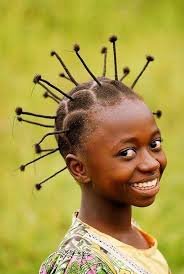
In the bustling streets of Accra, braided crowns, coiled Afros, and beaded locks are more than fashion statements. They are living testaments to heritage, resilience, and identity.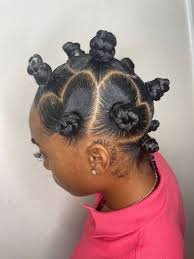
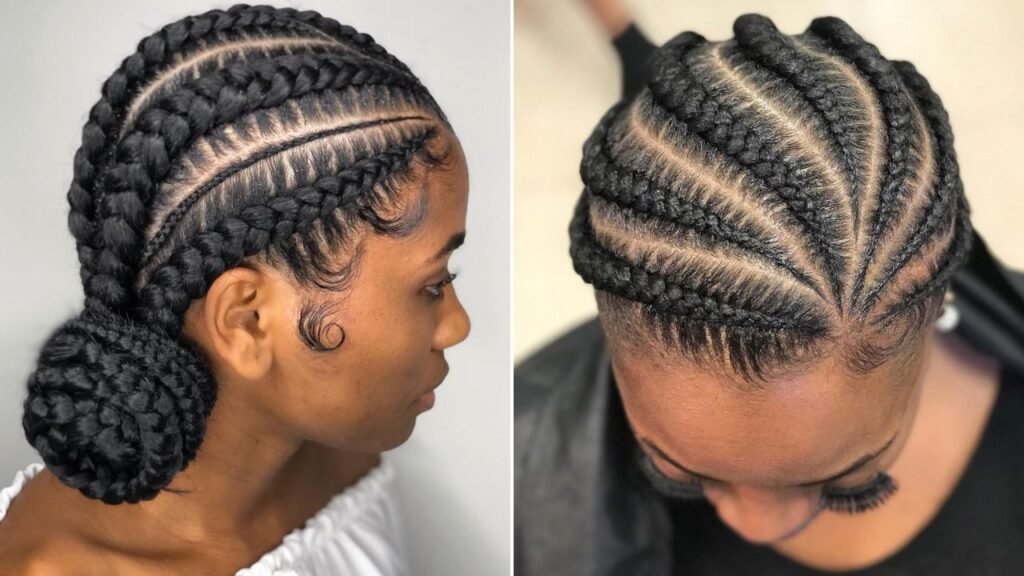
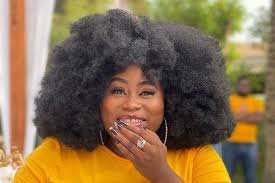
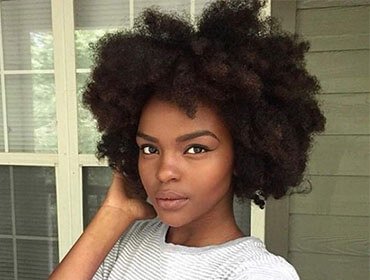
The Afro, which rose to prominence in the 1960s and 70s, was more than a hairstyle. It became a symbol of defiance against Eurocentric beauty standards and a proud declaration of Black identity.
But the story of African hair stretches back centuries. Ancient carvings from Egypt depict intricate braids and cornrows, styles that carried messages of social status, age, and even spirituality. Across West Africa, beads and cowrie shells were woven into hair, turning each head into a canvas of culture and artistry.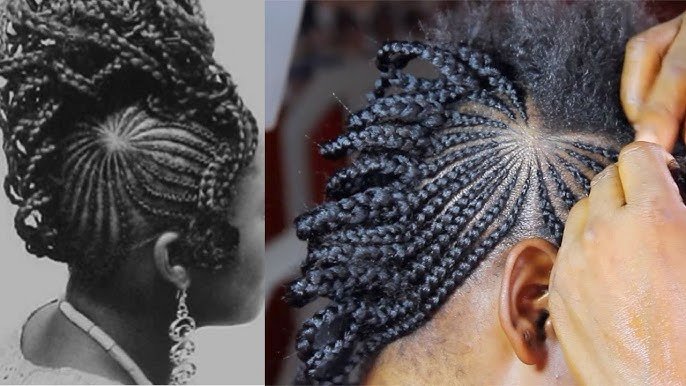
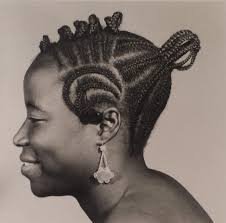
“Hair was never just hair,” says cultural historian Ama Ofori. “It was a language, a way of telling the world who you were and where you came from.”
Colonial rule attempted to suppress these traditions, branding natural hair as ‘unruly.’ Yet, generations later, the revival of the Afro and traditional styles has reclaimed that narrative. Today, braids, twists, and Afros are celebrated on runways, in music videos, and on city streets worldwide.
For many young Africans, embracing natural hair is both a fashion choice and a way of honouring ancestors while shaping modern identity. “When I wear my Afro,” says student and stylist Efua Mensah, “I feel connected to history. It’s not just style, it’s strength.”
As the global fashion industry increasingly embraces African-inspired looks, the Afro reminds us that beauty is not only about trends. It is about heritage, pride, and the stories carried in every strand.
By Beatrice Wornovi
Join our WhatsApp Channel now!
https://whatsapp.com/channel/0029VbBElzjInlqHhl1aTU27


AS Ghana Month unfolds this March, the streets and schools are alive with colour, fabric, and nostalgia. Old-school outfits, once everyday wear, have returned as proud symbols of heritage, reminding Ghanaians of the artistry woven into their past.
From the crisp secondary school uniforms of the 1970s to the bold kaba and slit styles worn by mothers and aunties, these outfits carry stories of discipline, elegance, and identity. The Afro style, paired with bell-bottom trousers or neatly pressed shirts, were once the hallmark of youthful rebellion and confidence.
Traditional fabrics like Kente and Smock remain central to Ghanaian fashion. Once reserved for chiefs and ceremonies, they now appear in classrooms, offices, and parades during Ghana Month, symbolising unity and pride.

“When I wear my Smock, I feel connected to my roots,” says Kwame Asare, a teacher in Tamale. “It is more than clothing; it is history stitched into fabric,” he added.
Old-school fashion also tells the story of Ghana’s social evolution. The platform shoes and polka-dot dresses of the 1980s reflected global influences, while braided hairstyles and headscarves kept tradition alive. Today, young designers are reimagining these looks, blending vintage cuts with modern flair.


For many, dressing in old-school outfits during Ghana Month is not about nostalgia. It is a way of honouring ancestors, celebrating resilience, and teaching the next generation that fashion is culture.
“Our clothes remind us where we come from,” says stylist Efua Mensah. “They are our crown, our pride, and our story.”
As Ghana celebrates its independence and heritage this month, the revival of old-school outfits proves that fashion is never just about trends. It is about memory, identity, and the timeless threads that bind a nation together.
By Linda Abrefi Wadie
Join our WhatsApp Channel now!
https://whatsapp.com/channel/0029VbBElzjInlqHhl1aTU27