News
Abolish import tariffs onmedical supplies, PPE – Coalition of global think tanks

A coalition of 31 global think tanks has called for immediate abolishment of import tariffs that are applied by many countries on medical supplies and personal protective equipment (PPE).
According to them, these tariffs are driving up prices and reducing availability.
They also called on global leaders to avoid export bans, which are exacerbating global shortages of essential medical goods by disrupting global manufacturing supply chains.
These were in a statement issued by one of the think tanks, IMANI Africa, on behalf of the coalition in Accra ahead of World Health Assembly, to be attended virtually by member states of the World Health Organisation on May 17, 2020, in Geneva.
According to the think tanks, customs red tape should be reviewed to keep goods crossing borders as quickly as possible and commit to open trade to help tackle the COVID-19 pandemic.
The statement noted that innovation was crucial to finding a long-term solution to a newly identified disease like COVID-19, including the invention of new therapeutics and vaccines and their mass manufacture and rapid distribution.
“The think tanks call on governments to support needed innovation by facilitating the cross-border flow of epidemiological and clinical data related to COVID-19. They should also avoid pre-emptively removing intellectual property rights from any new vaccines or treatments that emerge.
The world needs more companies to join the quest for new treatments and vaccines, not policies that send a strong signal to stay away. Intellectual property rights are vital to support coordinated mass manufacturing scale-up and global distribution,” it said.
Franklin Cudjoe, founding president of IMANI Africa, was quoted to have said that, “we are concerned that many countries are looking to the failed ideas of the past to address the crisis.
Barriers are being erected that are deepening shortages of medical supplies, undermining innovation and hampering efforts to beat the disease.
His view as stated by the statement was that the situation was compounded in relatively poor and poor countries, where patients are being failed by the lack of investment in domestic health care infrastructure.
“Now is not the time for countries to look inwards. The crisis will only be resolved, and economies will only recover, if countries are allowed to trade and collaborate freely with each other,” Mr Cudjoe concluded.
BY TIMES REPORTER



Search and rescue operations are ongoing following a structural collapse at the Experimental D/A School in Accra Newtown.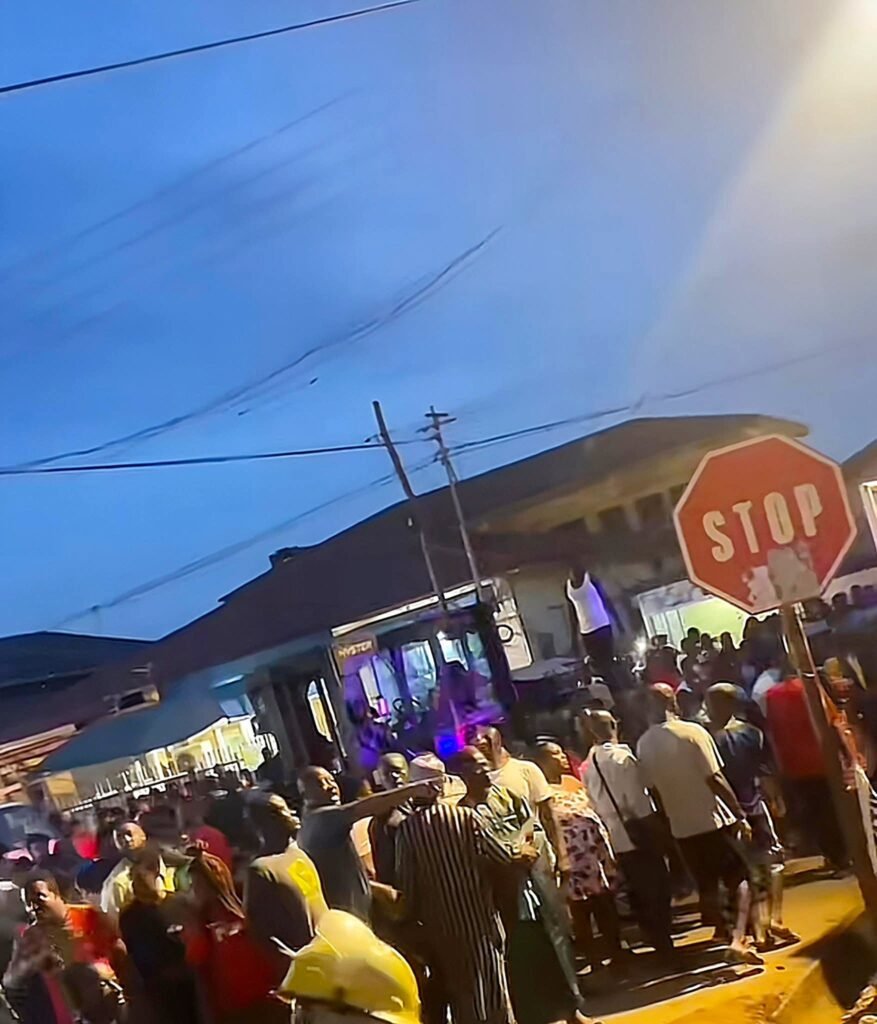
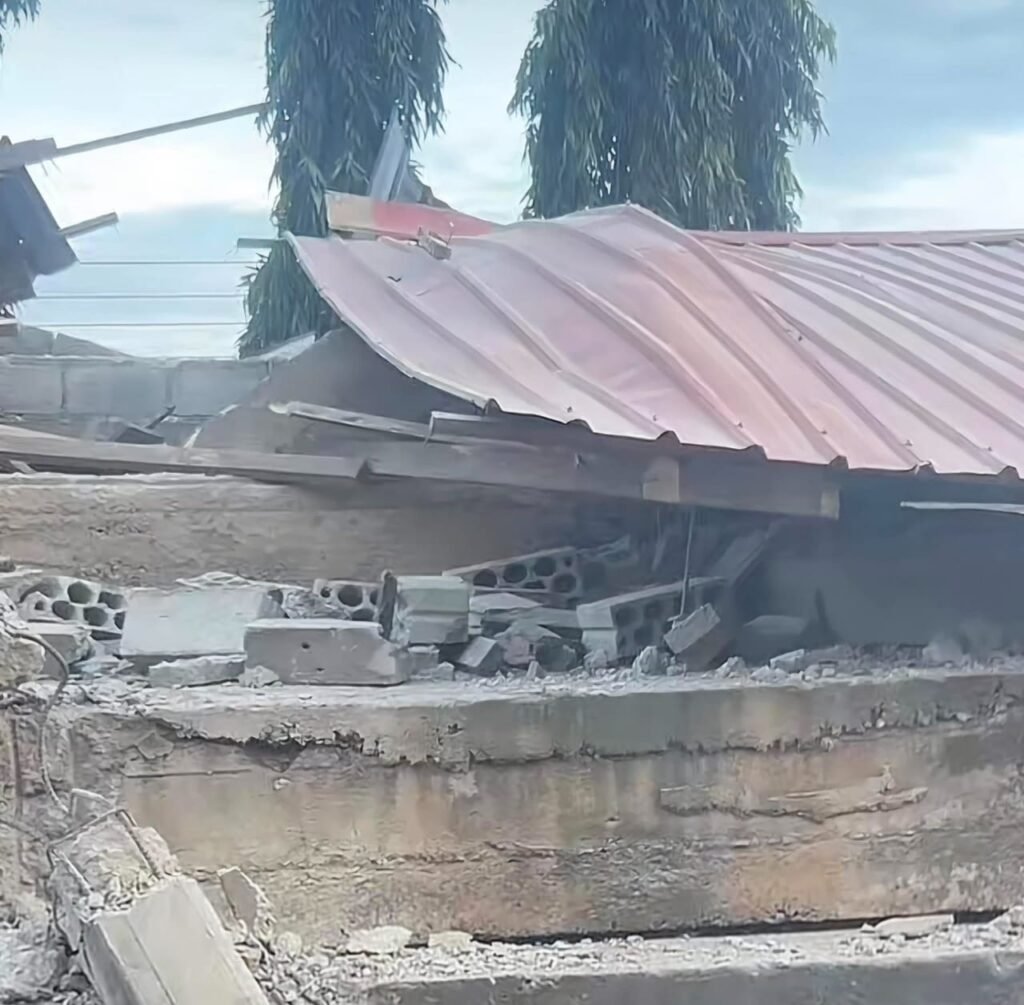

The Ghana National Fire Service (GNFS) confirmed that emergency teams were deployed to the scene to assist victims who may be trapped under the debris.
In an update, the service indicated that personnel from the Ghana Police Service, the National Ambulance Service and the National Disaster Management Organisation (NADMO) are workin7g together to manage the situation and rescue affected persons.
It noted that the area has been cordoned off by the police to prevent members of the public from entering the scene and interfering with the operation.
According to the GNFS, the coordinated effort is aimed at ensuring that all trapped victims are safely rescued as quickly as possible.
The service advised residents and the general public to stay away from the area to allow emergency teams to carry out their work without obstruction.
The service added that further updates will be provided as the situation develops.
By: Jacob Aggrey

The New Times Corporation (NTC), publishers of The Ghanaian Times and The Spectator, on Wednesday held a staff get-together to commemorate the Ghana Month celebration.
The event was also to strengthen teamwork and bonding. It was attended by management members and staff from various departments.
The staff were engaged in activities such as apple eating, musical chairs competition, pick and act, and other interesting games.
Speaking at the gathering, the Chairperson of the Corporation’s Interim Management Committee (IMC), Dr (Mrs) Charity Binka, emphasised the importance of unity and collaboration in achieving organisational goals. She urged the staff to put aside their differences, work together, and also create a positive working environment.
In a welcome address, the Editor of The Spectator, Mrs Georgina Naa-Maku Quaitoo, urged the staff to have fun as “we climax the Ghana Month celebration with this get-together.”


The Acting Editor of The Ghanaian Times, Mr David Adadevoh, commended the staff for coming out in their numbers to join in the celebration and called for unity to transform the fortunes of the Corporation.
By Linda Abrefi Wadie
Join our WhatsApp Channel now!
https://whatsapp.com/channel/0029VbBElzjInlqHhl1aTU27


 News3 days ago
Agona West NDC demands unqualified apology from Paul Adom-Otchere over alleged misleading editorial
- News1 week ago
Eid not only moment of celebration but call to sustain values of discipline – President Mahama
- Profile2 days ago
Aziz Adimah raising the bar in International Hockey officiating