Fashion
A Symbolic Islamic art form celebrating culture, beauty, and spirituality

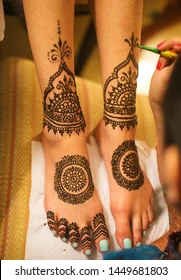
In many Muslim communities across the world, celebrations are not complete without the graceful adornment of stylish art ‘Lele’.
Most commonly associated with detailed henna designs applied to the hands and feet, Lele represents more than decoration; it is a sacred expression of identity, beauty, and belief.
Traditionally, it is most prominently showcased during festive occasions such as Eid celebrations, weddings, and naming ceremonies, where women and girls alike embrace the tradition to mark moments of joy, transition, and spirituality.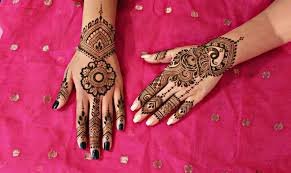
While Lele is often admired for its visual appeal, its significance runs much deeper.
The designs are constructed around Islamic artistic principles, repetitive patterns, calligraphy, and geometric arrangements.
These motifs are not merely decorative; they are symbolic. Patterns may represent eternal life, divine wisdom, interconnectedness, and the infinite nature of Allah.
Some designs include verses from the Qur’an or scriptural allusions, transforming the wearer’s body into a living canvas of spiritual meaning.
Women who wear Lele do so with pride, not just as an enhancement of physical beauty, but as a reflection of their cultural roots and inner faith.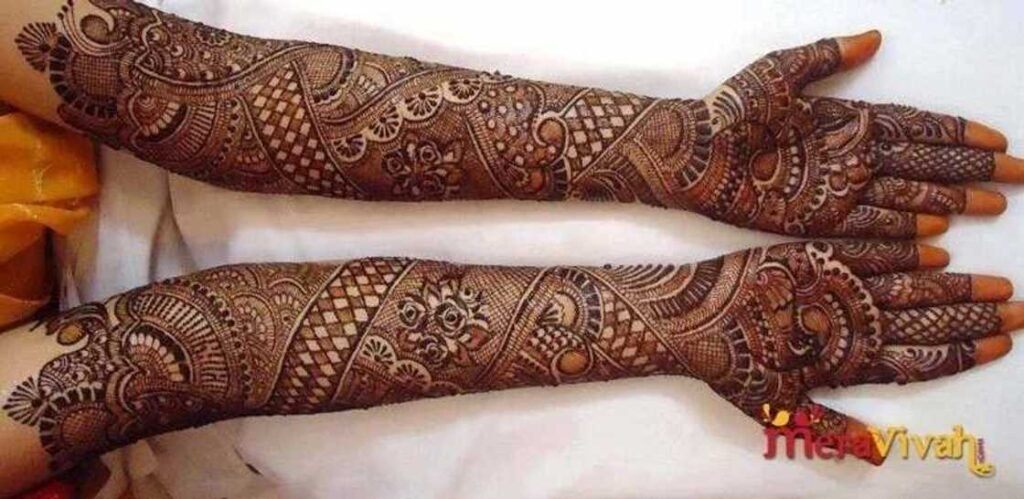
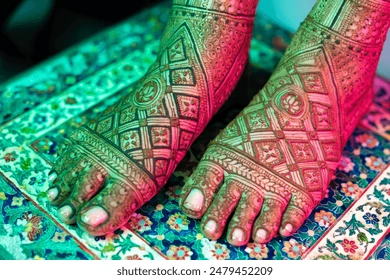
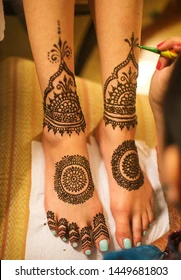

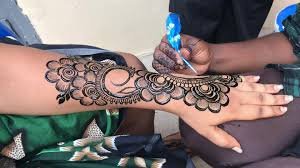
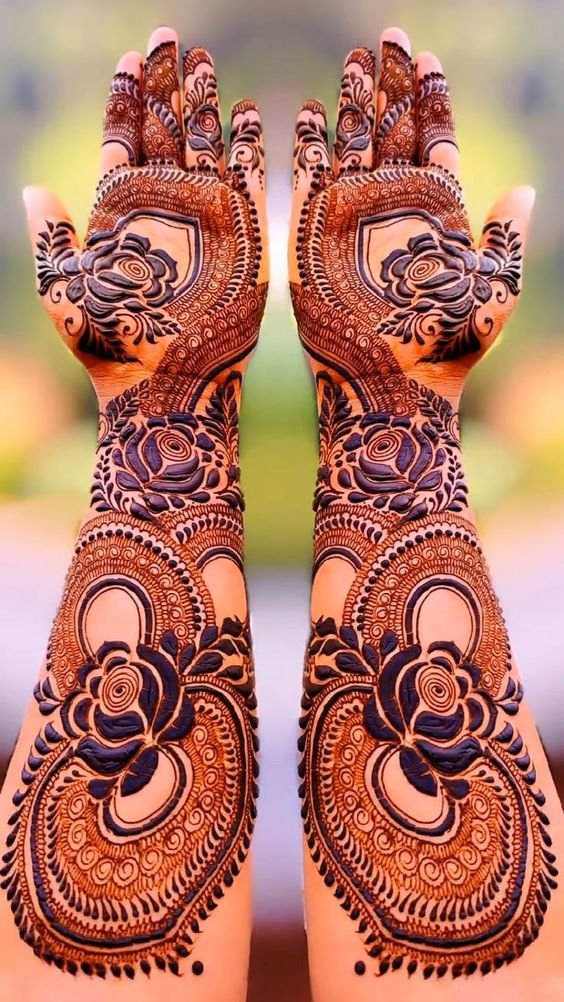
From mothers to young daughters, the practice is passed down like a treasured legacy.
Despite the growing popularity of modern body art, Lele retains its unique cultural importance. It is not just a beauty trend, but a continuing practice that speaks to generations of tradition.
By Georgina Boadiwaa Ntim

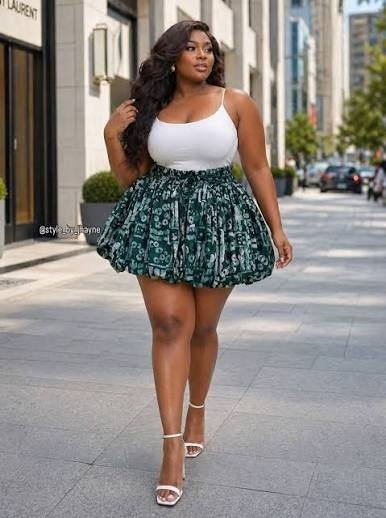
Skirts are a wardrobe essential for many women, offering a variety of styles for different occasions.
Interestingly, not every woman is familiar with different types of skirts available and how best to style them.
The Spectator takes a look at the different types of skirts every woman should know about.
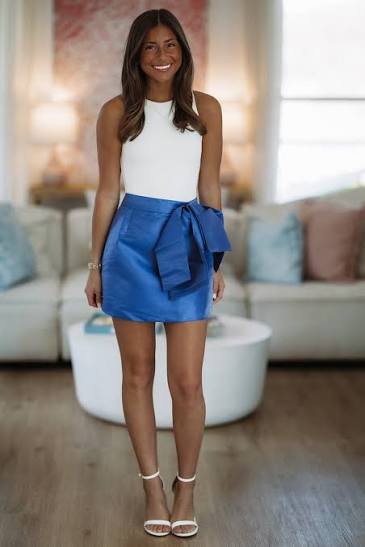
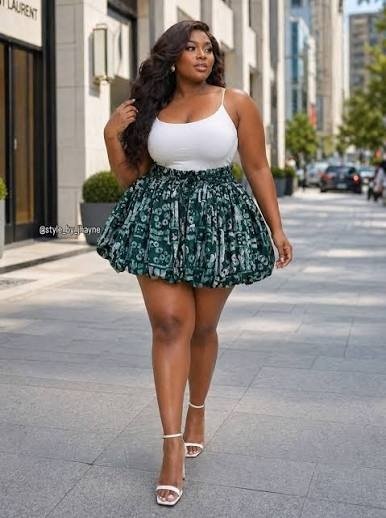
Mini skirt: Short length above knee.
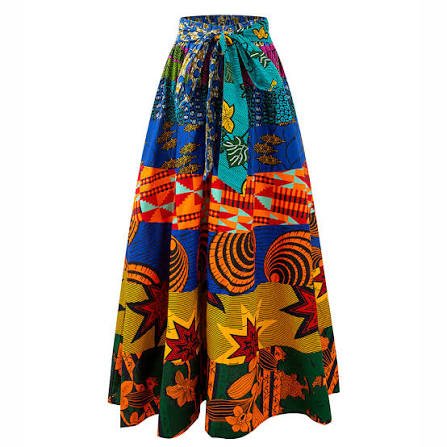
Maxi skirt: Long length reaches the knee.
Tierd skirt: Layers of fabric for a flowy look
Mermaid skirt: Fitted through the hips, flaring the bottom.
Trumpet skirt: Slight flare from mid-thigh to hem.
Circle skirt: Full and flared with a circular shape.
Bubble skirt: Gathered hem creates a full, rounded shape.
Wrap skirt: Wraps around the waist and ties
Staker skirt: Short and flared playful style
Pencil skirt: Slim fit, straight shape
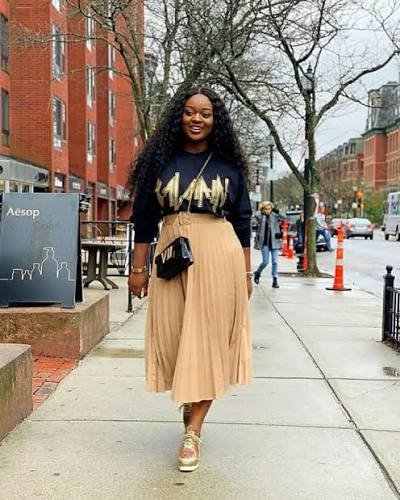
Pleated skirt: Features even folds or pleats.
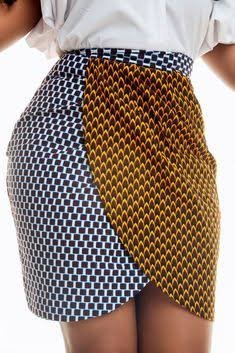
Tullip skirt: Overlapping from panels create a tulip shape.
Asymmetrical skirt: Uneven hemline for a modern look.
Godet skirt: Inset panels add extra flare.
A-Line skirt: Fitted at the waist gradually flares out.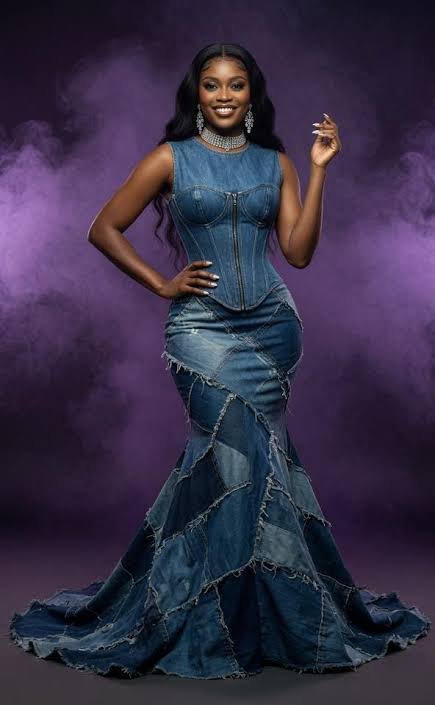
SKIP THE QUEUE, TAP THE NEWS
You can now read the Ghanaian Times and The Spectator newspapers from the comfort of your device via TimesNewsPlus.
Join our WhatsApp Channel: https://whatsapp.com/channel/0029VbBElzjInlqHhl1aTU27
By Linda Abrefi Wadie
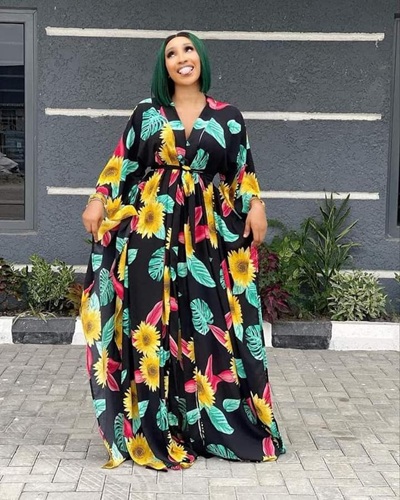
VINTAGE dresses are making a strong comeback in the fashion world as more women embrace timeless designs that combine elegance and a touch of jewellery.
Once regarded as old-fashioned, vintage dresses are now becoming fashionable choices for women who want to stand out from the crowd.
Fashion enthusiasts are particularly drawn to vintage pieces because of their uniqueness. Unlike mass-produced outfits that are often seen everywhere, vintage dresses offer wearers the opportunity to create a distinctive look while expressing their personality.
Vintage dresses are also versatile; they can be worn to weddings, parties, church services, social gatherings or even casual outings, depending on how they are styled. Pairing them with modern shoes, a handbag or simple jewellery can give the outfit a fresh and contemporary appearance.
Vintage fashion therefore proves that style does not always have to mean following the latest trend. Sometimes, the most fashionable statement is found in the beauty of the past.