Gender
Gender equality requires collective action -Minister

- /home/u249204778/domains/spectator.com.gh/public_html/wp-content/plugins/mvp-social-buttons/mvp-social-buttons.php on line 27
https://spectator.com.gh/wp-content/uploads/2026/09/Dr-Agnes-Lartey-1000x600.jpg&description=Gender equality requires collective action -Minister', 'pinterestShare', 'width=750,height=350'); return false;" title="Pin This Post">
- Share
- Tweet /home/u249204778/domains/spectator.com.gh/public_html/wp-content/plugins/mvp-social-buttons/mvp-social-buttons.php on line 72
https://spectator.com.gh/wp-content/uploads/2026/09/Dr-Agnes-Lartey-1000x600.jpg&description=Gender equality requires collective action -Minister', 'pinterestShare', 'width=750,height=350'); return false;" title="Pin This Post">
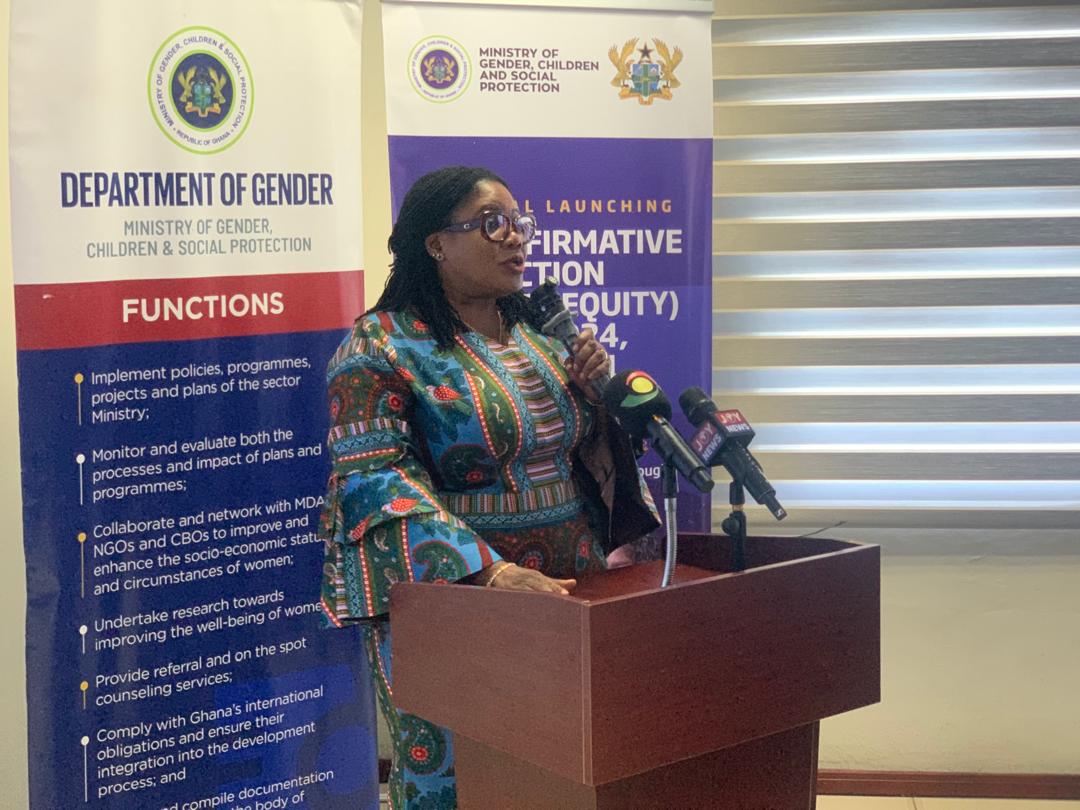
Gender equality should not be left to women alone, but requires the active participation of men and other stakeholders, the Minister for Gender, Children and Social Protection, Dr Agnes Naa Momo Lartey, has said.
She said gender equality was a national development issue and not a matter concerning only women, stressing that both men and women had important roles to play in creating an inclusive society.
Dr Lartey said this last Thursday in Accra at a capacity workshop on the implementation of the Affirmative Action (Gender Equity) Act, 2024.
The workshop was aimed at helping journalists understand the provisions of the Act, strengthen their capacity to communicate gender equity issues and promote accurate, balance reporting on the implementation of the Act.
Ghana could not achieve meaningful development if one section of society was excluded from participating fully in leadership, decision-making and other areas of national development.
“It is not about a group of people. It is not about one of the sexes. It is about the nation. It is about the country,” she said.
She called for stronger commitment to translating the Affirmative Action (Gender Equity) Act, 2024 (Act 1121), into practical action to improve women’s participation in leadership and decision-making.
She said the passage of the law should not be considered the end of the process, but rather the beginning of deliberate efforts to ensure that its objectives were achieved.
Dr Lartey said increasing the number of women in leadership was important, but their participation must also have a meaningful impact on national development.
“We want it to count,” she stressed, calling for practical initiatives that would move the affirmative action agenda from policy to implementation.
The Executive Director of Women, Media and Change (WOMEC), Dr Charity Binka, also urged the media to play a critical role in ensuring the effective implementation of the Act.
She said Ghana had taken an important step by passing the law after 13 years of efforts, but the real test was its implementation.
According to Dr Binka, the Act requires 30 per cent representation of women in leadership and decision-making by 2026, rising to 50 per cent by 2030.
She urged the media to inform the public about the law, monitor institutions’ compliance and challenge stereotypes that undermine women’s leadership.
Dr Binka urged journalists to ensure institutions were complying with requirements, including Gender Equity Policies, Compliance Certificates and annual reports.
She said affirmative action was not about replacing merit with gender, but addressing structural barriers that had historically limited qualified women’s opportunities to participate and lead.
She called for stronger collaboration among government, civil society, traditional and religious leaders, the private sector, the media and other stakeholders to turn the law into measurable results for women and girls.
By Esinam Jemima Kuatsinu





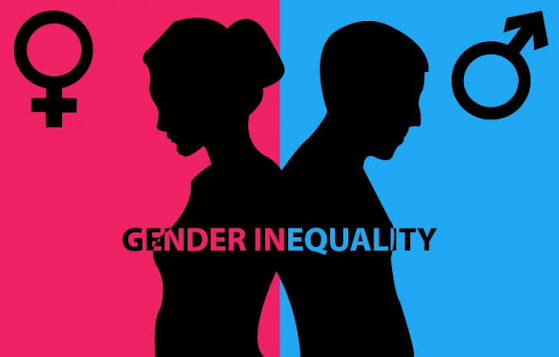
The United Nations has warned, that Gender equality is “woefully off track.”
At the current rate of progress, gender equality would take 171 years to achieve, the UN’s Gender Snapshot report said.
The number of countries with a woman as head of state or government has increased from 2020 to 2026. “Yet six in seven countries are still led by men.
Women’s representation in national cabinets declined to 22.4 per cent in 2026, after peaking at 23.3 per cent in 2024,” the report said. “The decline is a warning sign that gains cannot be taken for granted, and that progress towards equal political power remains fragile.”
Funding for gender equality has fallen to its lowest level since 2021, the report found. At the same time, 42 per cent of UN agencies reported that their efforts to promote gender equality had been weakened, as a result of budget cuts.
Millions of women also continued to endure some extremely severe forms of violence and discrimination across the globe, the UN said. Nearly one in five girls is married before the age of 18, and nearly one in three women globally have survived partner or sexual violence in their lifetime.
In the past year, 316 million women experienced physical or sexual violence by an intimate partner, the report said.
UN Under-Secretary-General for Economic and Social Affairs, Li Junhua, said the statistics were not inevitable. “It is the result of choices, made visible through data. Investing in gender equality, institutions, and the statistical systems that hold them to account is not a cost. It is the fastest route back to the 2030 Agenda’s promise of equal power for all.”-GNA
SKIP THE QUEUE, TAP THE NEWS
You can now read the Ghanaian Times and The Spectator newspapers from the comfort of your device via TimesNewsPlus.
Join our WhatsApp Channel: https://whatsapp.com/channel/0029VbBElzjInlqHhl1aTU27
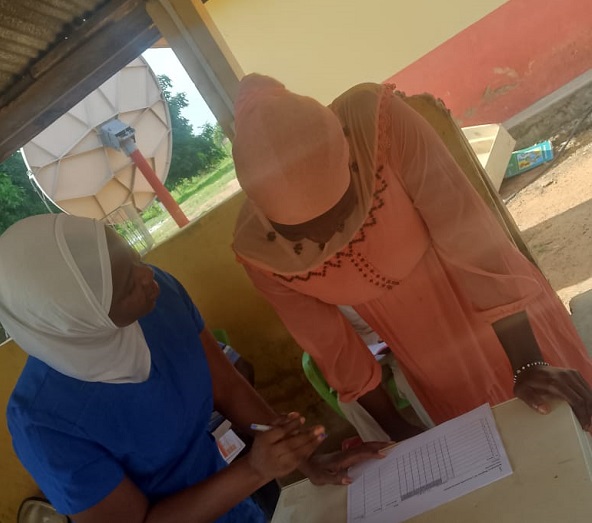
Across many rural communities, midwives continue to provide care in circumstances that tests their skills, patience and resilience.
They attend to women at all hours, manage emergencies, work with limited supplies and support mothers and newborns even when the resources available to them are far from adequate.
Their work may often go unnoticed, but for the mothers and babies whose lives they touch, the presence of a committed midwife can make all the difference.
At Jeffisi in the Sissala West District of the Upper West Region, demands of the job as a midwife meant that Hafisatu Sadik Gbanha does not close from work when she should.
Antenatal care (ANC) services at the facility officially ran from 8am to 2pm but labour and delivery cases could come at any time.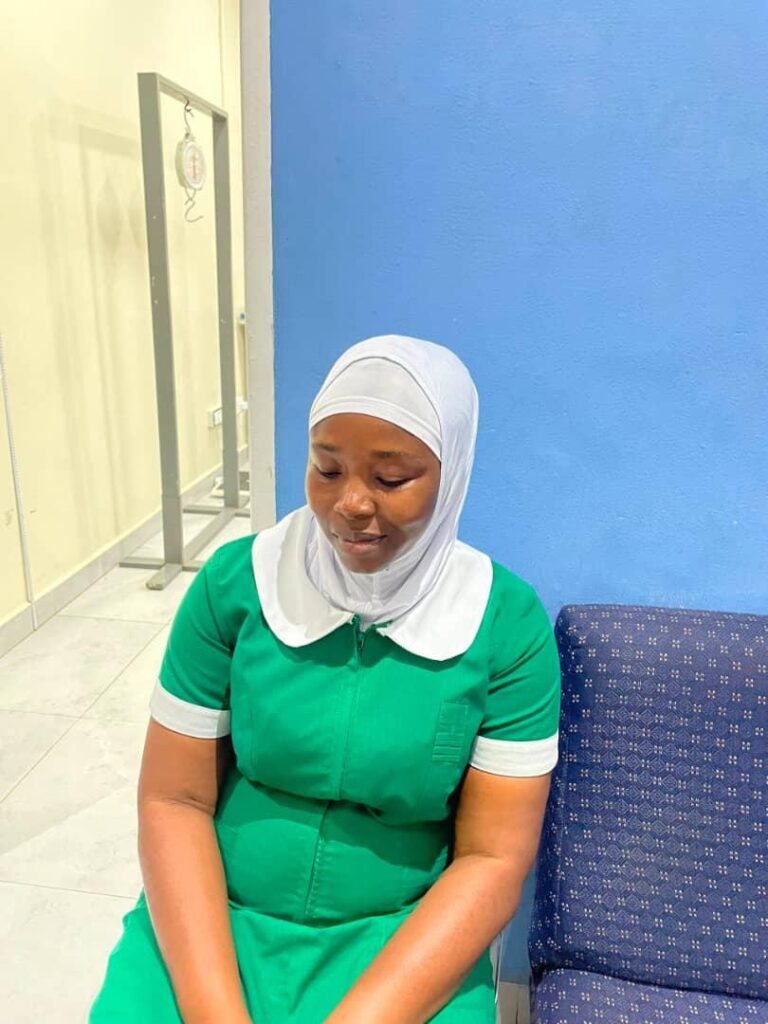
A woman in labour could arrive after the ANC session had ended, late in the evening or in the early hours of the morning, and Mrs Gbanha had to be ready to attend to her.
Sometimes, she works through the day and night, depending on the number of cases that comes to the facility.
“I used to live in the facility. ANC services start at 8am and end at 2pm. Labour and delivery cases were managed anytime they arrived. So I can work day and night alone depending on the number of cases that come to the facility,” she recalled.
Her experience gives an insight into the realities of maternal healthcare in rural Ghana, where midwives often have to work under demanding conditions while dealing with shortages of equipment, medicines and other basic supplies.
Mrs Gbanha identified lack of logistics, heavy workloads, overtime, stress and burnout among the major challenges she faces at Jeffisi.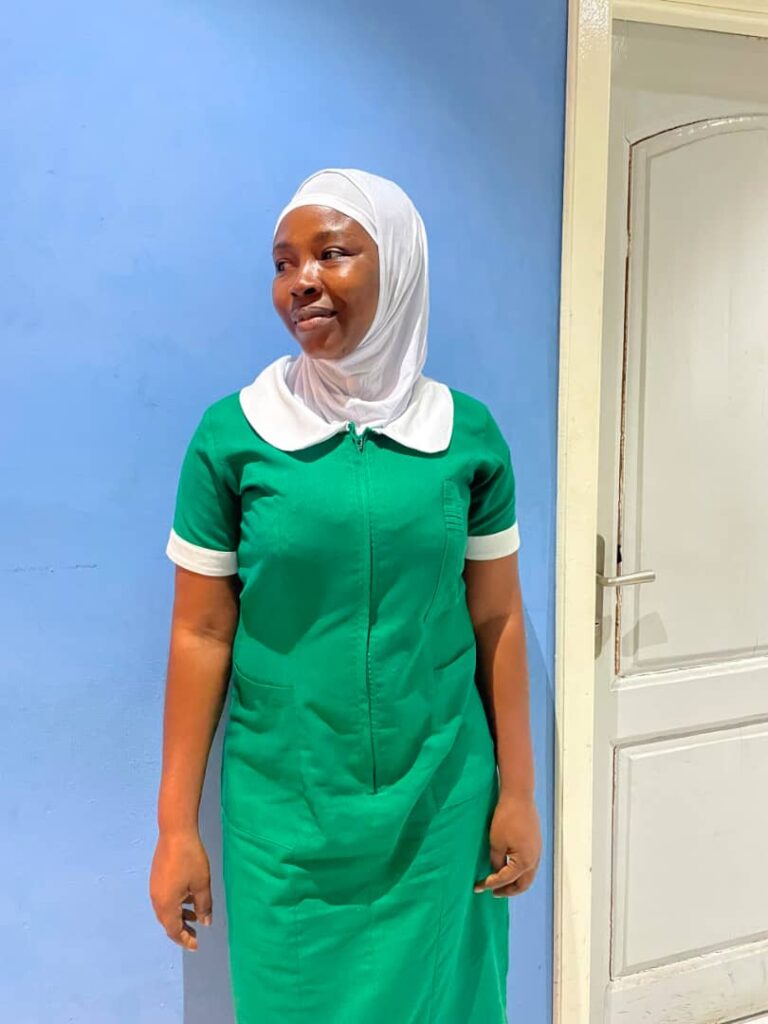
The situation, she said was made more difficult by poverty among some clients and poor road networks, particularly when women needed to be referred to higher-level facilities for further care.
At the facility, some essential items were unavailable, including a fetal Doppler, a standard delivery bed, gloves, basic life-support medicines and machines.
For a midwife handling a difficult delivery, the absence of such basic resources can turn an already challenging situation into a desperate one.
One particular delivery remains with Mrs Gbanha. It involved a woman carrying twins. One of the babies was presenting in a breech position while the other was presenting cephalically.
At the time, there were no gloves available. With the delivery needing immediate attention, Mrs Gbanha improvised by using rubber gloves.
Both babies were eventually delivered, although they had low birth weight. She recommended that the mother be referred for further management, but the woman declined.
Mrs Gbanha then initiated bonding, exclusive breastfeeding and kangaroo mother care for the babies. She also conducted home visits for two weeks to monitor the mother and her newborns. The twins are now two years old.
The experience, she said, reflects the difficult decisions rural midwives sometimes have to make when resources are limited and a patient needs care beyond what the facility can provide.
In such situations, early referral and reliable transportation to a higher-level facility are critical, yet arranging transportation and referrals can be a major challenge.
Mrs Gbanha said arranging referral could be very difficult citing poverty and poor road networks as major factors.
For women in rural communities, access to maternal healthcare can also be affected by factors outside the health facility.
Mrs Gbanha identified ignorance, lack of family support, including support from husbands, long distances and poor roads as some of the reasons women delay seeking antenatal and maternity care.
Such delays can have serious consequences when complications develop and urgent care is required. The consequences, she said, can include complications from disease conditions and, sometimes, loss of life.
Challenges
While much of the attention in maternal healthcare focuses on mothers and babies, the demands placed on the midwives providing such care is sometimes overlooked.
Rural midwives are faced with long working hours, heavy workloads, overtime and the pressure of dealing with emergencies which often takes a toll on them physically and emotionally.
This could lead to stress, depression and burnout, adding that rural midwives often receive little support.
Despite these difficulties, Mrs Gbanha said there are moments that make the work worthwhile.
She said seeing mothers and their babies healthy and happy remains one of her greatest sources of satisfaction while drawing strength from the trust that women place in her, particularly when former clients continue to call her by name for her services and assistance.
Those moments, she said, remind her why she chose the profession.
Way Forward
Mrs Gbanha urged government and policymakers to better understand the realities of working in rural communities and provide midwives with the resources and training they need.
“Rural midwives lack support and basic logistics and on-the-job training that will aid them carry out their duties,” she said.
She called for greater support for rural midwives, including basic logistics and regular on-the-job training.
By Esinam Jemima Kuatsinu