News
Centre for National Culture intensifies COVID-19 awareness at market centres


- /home/u249204778/domains/spectator.com.gh/public_html/wp-content/plugins/mvp-social-buttons/mvp-social-buttons.php on line 27
https://spectator.com.gh/wp-content/uploads/2021/08/A-member-of-the-drama-troupe-making-a-presention.jpg&description=Centre for National Culture intensifies COVID-19 awareness at market centres', 'pinterestShare', 'width=750,height=350'); return false;" title="Pin This Post">
- Share
- Tweet /home/u249204778/domains/spectator.com.gh/public_html/wp-content/plugins/mvp-social-buttons/mvp-social-buttons.php on line 72
https://spectator.com.gh/wp-content/uploads/2021/08/A-member-of-the-drama-troupe-making-a-presention.jpg&description=Centre for National Culture intensifies COVID-19 awareness at market centres', 'pinterestShare', 'width=750,height=350'); return false;" title="Pin This Post">
Mrs. Alima Kala, Greater Accra Regional Director of the Centre for National Culture (CNC) has expressed worry over public disregard for COVID-19 protocols in the country.
She has, therefore, asked all citizens to observe the safety protocols as the “Delta Variant” of the virus continued to take more lives.
Mrs Kala stressed this point while addressing participants at the COVID-19 nationwide awareness campaign held at some market centres in Accra recently.
The campaign themed: “Mask Up, COVID-19 down”, used cultural performances by some students from selected Greater Accra Senior High Schools to drum home the message about the COVID-19 spread.
Students of Holy Trinity, Kinbu and Osu Presbyterian Senior High Schools participated in the event held at the Tema Station, Madina, Ashaiman and Dodowa markets.
The performances were done in different local dialects to help the public further understand the key preventive measures to help curb the spread of the disease.
Mrs. Kala said market places were potential hotspots for the spread of the virus hence the effort to extend the awareness to these business centres.
While urging traders to comply with the COVID-19 safety protocols, she said the CNC would continue to adopt strategies to intensify awareness about the deadly disease.
Madam Edna Nyame, Executive Director of National Commission on Culture also indicated that the low compliance with safety protocol was counterproductive and urged stakeholders and law enforcers not to relent on their effort in combating the disease.
“We must adhere strictly to the safety protocols because the pandemic is real and now more contagious with the new variant,” she said.
By Alfred Nii Arday Ankrah


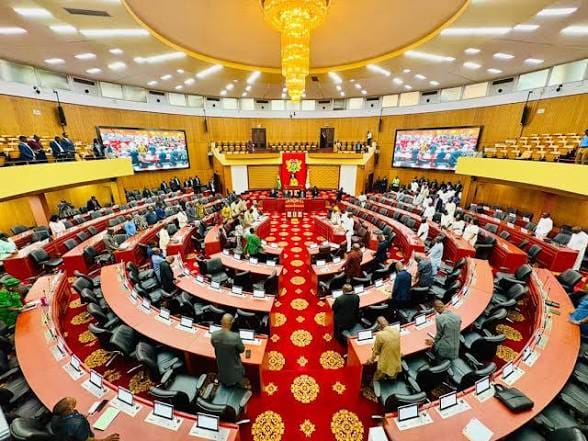
Parliament has clarified public commentary on social media regarding a notice on its notice board that read “No Vacancy for National Service Personnel 2026/2027. Kindly go for reposting.”
In a statement, signed by the Director of Media Relations, David Sebastian Damoah, Parliament said the notice has been misconstrued and was not a policy statement, a freeze on national service placements, or a change in its support for the National Service Scheme.
According to Parliament, the notice was a routine administrative message to prospective personnel who reported to the House, informing them that it has received more personnel than it can accommodate for the 2026/2027 service year and that they should seek reposting to other institutions.
It said it remains committed to the National Service Scheme and values the contribution of service personnel to its work, and regrets any confusion or inconvenience the wording may have caused.
By Edem Mensah-Tsotorme
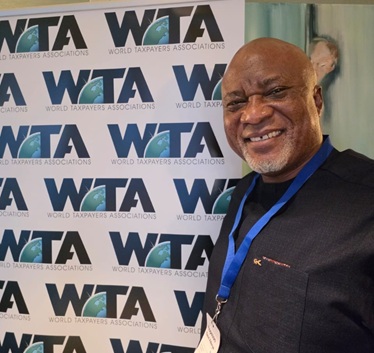
Ghanaian public advocate Hopeson Yaovi Adorye has been elected to the Board of Directors of the World Taxpayers Association (WTA).
The election took place on Sunday, October 5, 2026, during the Association’s conference in Kraków, Poland.
His election marks a significant addition to his international leadership portfolio and provides a platform for Ghanaian and African perspectives to contribute to global discussions on taxpayer rights, responsible taxation, transparency and prudent management of public resources.
Reacting to his election, Mr. Adorye expressed appreciation to the leadership and members of the WTA for the confidence reposed in him.
“I am deeply honoured by this confidence and conscious of the responsibility that comes with it. Taxpayers are at the heart of every economy, and they deserve fairness, transparency, accountability and value for the taxes they pay. I look forward to working with colleagues from across the world to strengthen the voice of taxpayers and promote responsible fiscal governance,” he said.
According to him, taxation should not be viewed solely as a mechanism for raising government revenue, but also as an important component of the social contract between citizens and the state.
Mr. Adorye said governments have a responsibility to ensure taxes are collected fairly and public resources are utilised efficiently to deliver quality infrastructure, healthcare, education, security and other essential services.
His election also creates an opportunity to bring African experiences into international conversations on taxation and public expenditure.
Mr. Adorye, who is Executive Director of Taxpayers League Ghana, has previously served as Global Board Chairman of the International Youth Network for UN Security Council Resolution 2250, an NGO associated with the United Nations Economic and Social Council (ECOSOC).
He is expected to use his new role to champion fiscal accountability, taxpayer education, good governance and stronger citizen participation in public financial management.