Gender
Trained but jobless …the human cost of Ghana’s skills mismatch


- /home/u249204778/domains/spectator.com.gh/public_html/wp-content/plugins/mvp-social-buttons/mvp-social-buttons.php on line 27
https://spectator.com.gh/wp-content/uploads/2025/09/beautifully-sewn-african-print-dress-600x600.jpg&description=Trained but jobless …the human cost of Ghana’s skills mismatch', 'pinterestShare', 'width=750,height=350'); return false;" title="Pin This Post">
- Share
- Tweet /home/u249204778/domains/spectator.com.gh/public_html/wp-content/plugins/mvp-social-buttons/mvp-social-buttons.php on line 72
https://spectator.com.gh/wp-content/uploads/2025/09/beautifully-sewn-african-print-dress-600x600.jpg&description=Trained but jobless …the human cost of Ghana’s skills mismatch', 'pinterestShare', 'width=750,height=350'); return false;" title="Pin This Post">
ALONG the busy corridors of the George Walker Bush highway, in Accra, 26-year old Nana Akua Afriyie arranges her beautiful sewn African print dresses on mannequins in front of her shop, hoping to attract buyers.
She trained in fashion design at a Technical and Vocational Education and Training (TVET) school in the Ashanti Region and graduated with high expectations. But three years on, she admits the journey has been tough.
“Everywhere I go, they tell me the same thing -they already have enough fashion designers,” Akua said with a wry smile.
“I wish I had studied something like agro-processing or Information Communication Technology (ICT), because that is where the jobs seem to be.”
Her story is not unique. Across Ghana, TVET graduates are struggling to find work, even as employers complain about difficulties in hiring people with the right skills.
This paradox lies at the heart of a new study commissioned by United Nations Children’s Fund (UNICEF) Ghana in partnership with the Government of Ghana, which has revealed deep structural gaps in the TVET system.
Oversupply and
shortages
The study, conducted across 57 pre-tertiary public and private TVET institutions, found a sharp mismatch between the skills offered in schools and the skills demanded on the labour market.
Only one out of the 57 schools offers training in agriculture which is a dominant driver of Ghana economy. This is despite employers reporting a rising need for skilled workers in agro-processing and agricultural technology.
The situation in ICT is only slightly better. Although the digital economy is growing rapidly, just four TVET institutions provide ICT-related training.
By contrast, trades like fashion design and garment-making are oversupplied. Almost every TVET institution offers them, leading to a glut of graduates competing in a saturated field.
Kwame Bediako, who runs a medium-sized agro-processing company in Ejisu, says the imbalance is hurting businesses. “We need young people who understand modern farming, post-harvest handling, and agro-processing.
But the schools are not training them. Instead, every year, we see hundreds of fashion and hairdressing graduates with no jobs waiting for them,” he told this paper.
Employment gap
Beyond the mismatch of trades, the study also uncovered a “perception gap” between employers and graduates.
Employers surveyed consistently reported that TVET graduates lacked adequate practical exposure and soft skills such as teamwork, communication, and problem-solving. Yet when students were interviewed, many expressed confidence in their preparedness for the job market.
“It’s like we are speaking two different languages,” said a construction contractor in Kumasi who took part in the survey.
“We advertise for masons or welders, and applicants come with certificates but cannot deliver basic tasks on-site. Meanwhile, they believe they are fully qualified. It is frustrating for everyone.”
This gap highlights a deeper issue: the way TVET outcomes are measured.
While many institutions prioritise exams and certification, employers value real-world performance, adaptability, and reliability – qualities directly tied to the targets of Sustainable Development Goal (SDG) eight which seeks to achieve decent work and economic growth.
Infrastructure
under strain
The introduction of free TVET education in Ghana has been hailed as a bold step to expand access and empower more young people with employable skills. But the surge in enrollment has placed immense pressure on schools.
Workshops, classrooms, and training equipment are overstretched, making it difficult for instructors to deliver effective Competency-Based Training (CBT) – a method designed to give students practical, hands-on skills.
At one TVET school visited during the study, a single welding machine was being shared by more than 30 students, drastically limiting practice time.
“We are trying, but the resources are just not enough,” admitted an instructor who asked not to be named.
Interestingly, the study noted that private TVET institutions recorded higher CBT accreditation levels than their public counterparts, but both sectors face similar challenges of inadequate infrastructure and outdated equipment – a challenge that reflects the urgency of SDG nine: Industry, Innovation, and Infrastructure.
Ghana’s demographic
dividend at risk
With a youthful population, Ghana is one of several African countries projected to benefit from a demographic dividend – the economic growth that can result when a large share of the population is of working age.
But UNICEF warns that this opportunity may slip away if young people are not adequately prepared for the job market. High unemployment, job insecurity, and limited opportunities are already major concerns.
“TVET is a powerful pathway to equip young people with relevant skills,” the report stated. “But unless curricula, training, and infrastructure are aligned with industry needs, Ghana risks losing the benefits of its demographic advantage – and missing its commitments under SDG four: Quality Education.”
Workplace experience:
A partial fix
One of the ways schools have tried to bridge the skills gap is through Workplace Experience Learning (WEL) – placing students in companies for internships or apprenticeships.
While many employers support this, some expressed concerns about the risks involved. “It is costly to supervise students who come for training, and sometimes they slow down productivity,” said an ICT firm manager in Kumasi. “But we do it because we know the system needs it.”
Recommendations
and the way forward
The study made several recommendations to address the skills mismatch. Its suggested curriculum alignment. It called on schools to update curricula to reflect the skills industries need, especially in agriculture, ICT, and construction.
Also UNICEF urged schools to inculcate soft skills in TVET training, infrastructure investment and build stronger partnerships.
UNICEF called for a collective effort involving government, private sector, development partners, and communities to ensure that TVET fulfils its role as a driver of sustainable economic growth.
For Akua, the fashion graduate, the lack of opportunities has been discouraging. Yet she remains hopeful. “If I had the chance to retrain in ICT or food processing, I would do it. I don’t want to just sit at home,” she said.
Her words echo the aspirations of thousands of Ghanaian youth – ambitious, energetic, and eager to contribute, but often trapped by systemic shortcomings in education and training.
By Esinam Jemima Kuatsinu
Join our WhatsApp Channel now!
https://whatsapp.com/channel/0029VbBElzjInlqHhl1aTU27

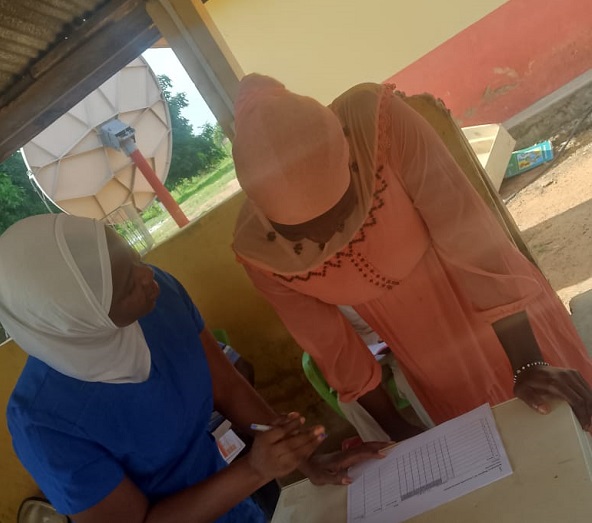
Across many rural communities, midwives continue to provide care in circumstances that tests their skills, patience and resilience.
They attend to women at all hours, manage emergencies, work with limited supplies and support mothers and newborns even when the resources available to them are far from adequate.
Their work may often go unnoticed, but for the mothers and babies whose lives they touch, the presence of a committed midwife can make all the difference.
At Jeffisi in the Sissala West District of the Upper West Region, demands of the job as a midwife meant that Hafisatu Sadik Gbanha does not close from work when she should.
Antenatal care (ANC) services at the facility officially ran from 8am to 2pm but labour and delivery cases could come at any time.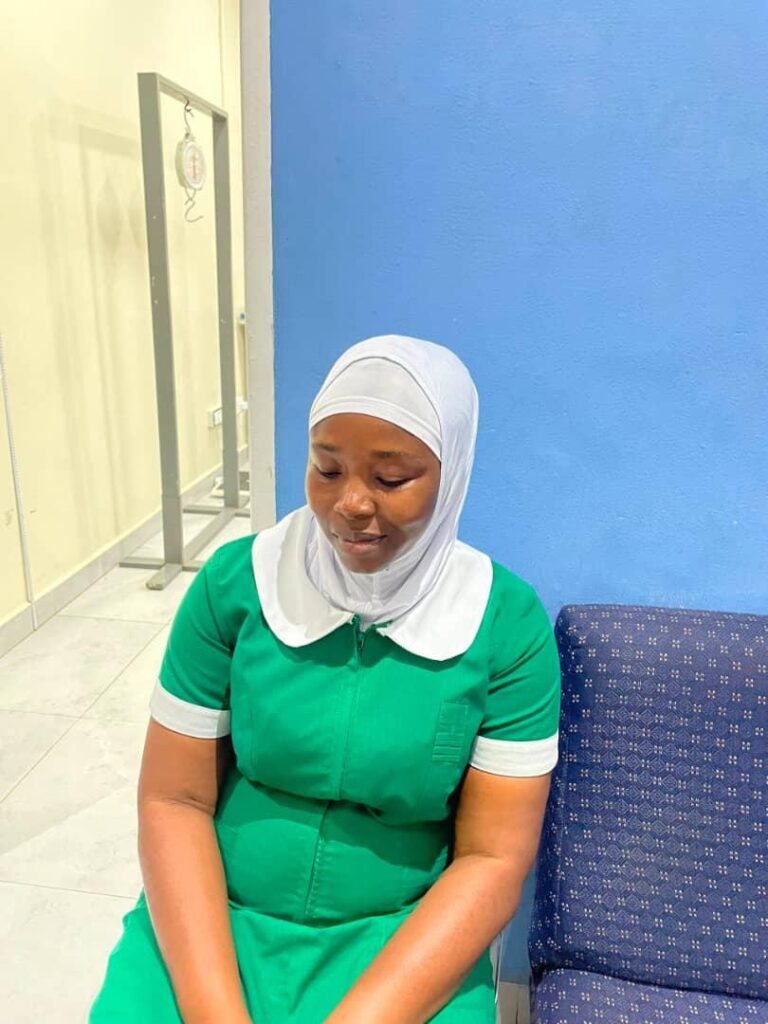
A woman in labour could arrive after the ANC session had ended, late in the evening or in the early hours of the morning, and Mrs Gbanha had to be ready to attend to her.
Sometimes, she works through the day and night, depending on the number of cases that comes to the facility.
“I used to live in the facility. ANC services start at 8am and end at 2pm. Labour and delivery cases were managed anytime they arrived. So I can work day and night alone depending on the number of cases that come to the facility,” she recalled.
Her experience gives an insight into the realities of maternal healthcare in rural Ghana, where midwives often have to work under demanding conditions while dealing with shortages of equipment, medicines and other basic supplies.
Mrs Gbanha identified lack of logistics, heavy workloads, overtime, stress and burnout among the major challenges she faces at Jeffisi.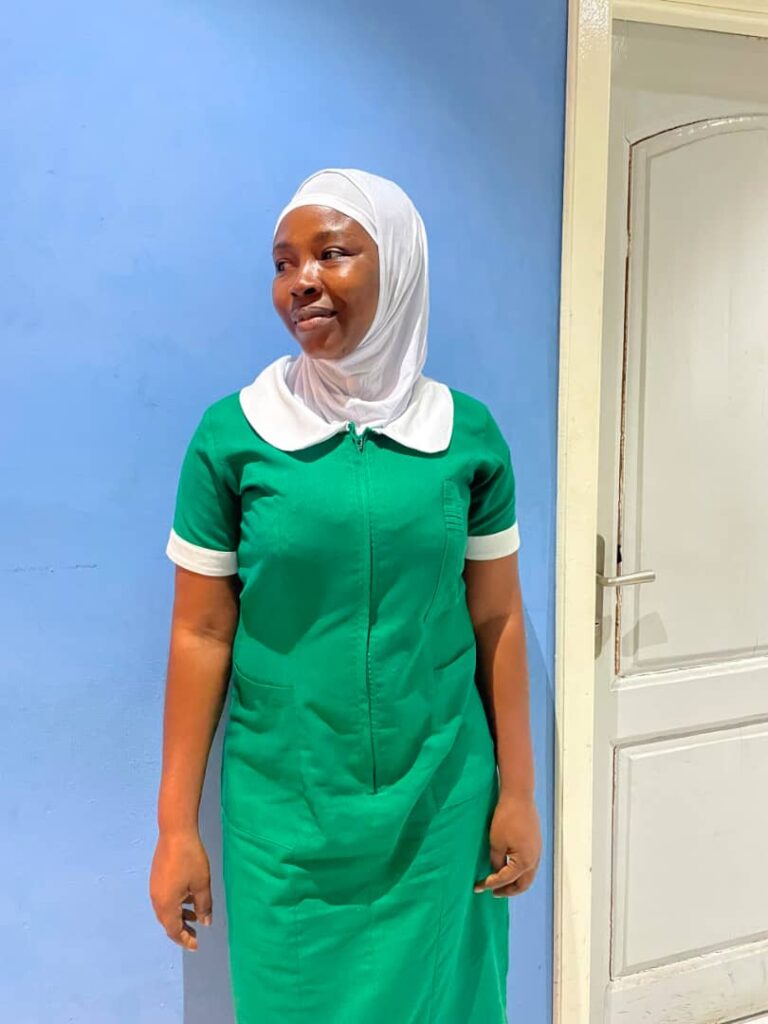
The situation, she said was made more difficult by poverty among some clients and poor road networks, particularly when women needed to be referred to higher-level facilities for further care.
At the facility, some essential items were unavailable, including a fetal Doppler, a standard delivery bed, gloves, basic life-support medicines and machines.
For a midwife handling a difficult delivery, the absence of such basic resources can turn an already challenging situation into a desperate one.
One particular delivery remains with Mrs Gbanha. It involved a woman carrying twins. One of the babies was presenting in a breech position while the other was presenting cephalically.
At the time, there were no gloves available. With the delivery needing immediate attention, Mrs Gbanha improvised by using rubber gloves.
Both babies were eventually delivered, although they had low birth weight. She recommended that the mother be referred for further management, but the woman declined.
Mrs Gbanha then initiated bonding, exclusive breastfeeding and kangaroo mother care for the babies. She also conducted home visits for two weeks to monitor the mother and her newborns. The twins are now two years old.
The experience, she said, reflects the difficult decisions rural midwives sometimes have to make when resources are limited and a patient needs care beyond what the facility can provide.
In such situations, early referral and reliable transportation to a higher-level facility are critical, yet arranging transportation and referrals can be a major challenge.
Mrs Gbanha said arranging referral could be very difficult citing poverty and poor road networks as major factors.
For women in rural communities, access to maternal healthcare can also be affected by factors outside the health facility.
Mrs Gbanha identified ignorance, lack of family support, including support from husbands, long distances and poor roads as some of the reasons women delay seeking antenatal and maternity care.
Such delays can have serious consequences when complications develop and urgent care is required. The consequences, she said, can include complications from disease conditions and, sometimes, loss of life.
Challenges
While much of the attention in maternal healthcare focuses on mothers and babies, the demands placed on the midwives providing such care is sometimes overlooked.
Rural midwives are faced with long working hours, heavy workloads, overtime and the pressure of dealing with emergencies which often takes a toll on them physically and emotionally.
This could lead to stress, depression and burnout, adding that rural midwives often receive little support.
Despite these difficulties, Mrs Gbanha said there are moments that make the work worthwhile.
She said seeing mothers and their babies healthy and happy remains one of her greatest sources of satisfaction while drawing strength from the trust that women place in her, particularly when former clients continue to call her by name for her services and assistance.
Those moments, she said, remind her why she chose the profession.
Way Forward
Mrs Gbanha urged government and policymakers to better understand the realities of working in rural communities and provide midwives with the resources and training they need.
“Rural midwives lack support and basic logistics and on-the-job training that will aid them carry out their duties,” she said.
She called for greater support for rural midwives, including basic logistics and regular on-the-job training.
By Esinam Jemima Kuatsinu

The Founder of The Raissa Child Protection Initiative (TRCPI), Ms Raissa Sambou, has called for intensified efforts to eliminate child labour across Africa, describing the practice as a serious violation of children’s rights and a major threat to their development and future.
She urged governments, individuals, civil society organisations, religious bodies, and traditional and religious leaders to work together to protect children from all forms of labour that deprive them of their childhood, education, and well-being.
Ms Sambou made the call on Thursday as the world marked the World Day Against Child Labour, an annual observance held on June 12 to raise awareness about child labour and mobilise action towards its elimination. This year’s commemoration was observed under the theme, “Red Card to Child Labour: Fair Play for Children, Decent Work for Adults.”
According to her, child labour continues to affect thousands of children across Ghana and other parts of Africa, exposing them to exploitation and denying them opportunities to reach their full potential.
“Child labour can affect the physical, emotional and psychological well-being of children. It interrupts their education, exposes them to abuse and exploitation, increases their risk of injuries and long-term health problems, and limits their chances of breaking the cycle of poverty,” she stated.
Ms Sambou further noted that children engaged in labour often suffer from low self-esteem, social exclusion and trauma, with many unable to acquire the skills and education needed to contribute meaningfully to national development.
She stressed that protecting children was a collective responsibility and called for stronger enforcement of child protection laws, increased public awareness, and greater investment in social protection programmes for vulnerable families.
Ms Sambou also identified poverty as one of the major drivers of child labour and warned that failure to address economic hardship would continue to expose children to exploitation and other forms of abuse.
She called on policymakers to strengthen interventions aimed at reducing poverty, improving access to quality education and supporting struggling households.
“We must not allow ignorance and poverty to thrive. When poverty is not adequately addressed, it fuels child labour and other crimes against children. Let the systems work effectively to shield every child from harm and give them the opportunity to learn, grow and succeed,” she added.
The World Day Against Child Labour was established by the International Labour Organisation in 2002 to focus global attention on the need to eradicate child labour and protect the rights and welfare of children worldwide.
By Esinam Jemima Kuatsinu

 Entertainment1 week ago
Rhythms On Da Runway returns November 28 with 16th edition themed ‘Unbound’
- Entertainment1 week ago
Ohemaa Mercy’s Tehillah Experience outfit was priestly regalia, not costume – Management clarifies
 News1 week ago
Janet Asana Nabla criticises Mahama over China curriculum controversy involving Haruna Iddrisu