Gender
Data on awareness, late presentation of breast cancer cases worrying — Frimpong-Manso Institute


Rev Prof Paul Frimpong-Manso
The Frimpong-Manso Institute has described as worrying prevailing data showing the gap in awareness and late presentation of cases at healthcare facilities by breast cancer patients.
It said most women in Ghana present breast cancer at advanced stages (III or IV), largely due to lack of awareness, cultural beliefs (beliefs in traditional medicine) and limited access to healthcare facilities.
In a statement copied to The Spectator, it stated that the delay in the detection and treatment of breast cancer had greatly reduced the survival rates of patients, adding that the high cost of diagnosis and treatment such as surgery, chemotherapy, radiotherapy presents a significant barrier for many women.
It said even though the National Health Insurance Scheme (NHIS) in Ghana covers some aspects of cancer care, there persists a significant gap in financing the management of the condition.
It said breast cancer was a significant public health concern in Ghana, as it is in many parts of the world with ongoing efforts to improve detection, treatment and survival outcomes.
According to the Institute, in 2020, the Global Cancer Observatory (GLOBOCAN) estimated that Ghana reported around 4,600 new cases of breast cancer, with a mortality rate of approximately 2,055 deaths annually.
“This type of cancer continues to be the most commonly diagnosed among women with increasing incidence due to several factors, including lifestyle changes, urbanisation and improved detection methods,” it added.
It said in Ghana, breast cancer tends to affect younger women with many cases diagnosed in women under 50, unlike women in developed countries.
On treatment, options for breast cancer patients in Ghana include surgery, chemotherapy and somewhat limited radiotherapy and hormonal therapies saying there was growing recognition of the need for palliative care, especially for patients with advanced-stage cancer.
Notwithstanding, it said, there were still ongoing efforts to improve care for breast cancer patients.
“Both government and NGOs continue to engage communities on awareness of the disease through media campaigns and community outreach programmes,” it added.
It added that efforts were being made to train healthcare professionals, improve diagnostic tools, and build infrastructure geared towards breast cancer care.
By Jemima Esinam Kuatsinu









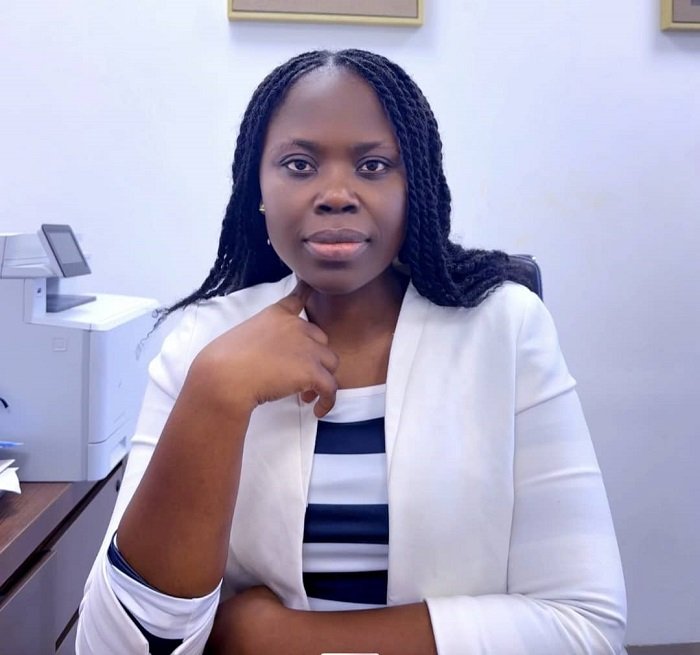
The Founder of The Raissa Child Protection Initiative (TRCPI), Ms Raissa Sambou, has called for intensified efforts to eliminate child labour across Africa, describing the practice as a serious violation of children’s rights and a major threat to their development and future.
She urged governments, individuals, civil society organisations, religious bodies, and traditional and religious leaders to work together to protect children from all forms of labour that deprive them of their childhood, education, and well-being.
Ms Sambou made the call on Thursday as the world marked the World Day Against Child Labour, an annual observance held on June 12 to raise awareness about child labour and mobilise action towards its elimination. This year’s commemoration was observed under the theme, “Red Card to Child Labour: Fair Play for Children, Decent Work for Adults.”
According to her, child labour continues to affect thousands of children across Ghana and other parts of Africa, exposing them to exploitation and denying them opportunities to reach their full potential.
“Child labour can affect the physical, emotional and psychological well-being of children. It interrupts their education, exposes them to abuse and exploitation, increases their risk of injuries and long-term health problems, and limits their chances of breaking the cycle of poverty,” she stated.
Ms Sambou further noted that children engaged in labour often suffer from low self-esteem, social exclusion and trauma, with many unable to acquire the skills and education needed to contribute meaningfully to national development.
She stressed that protecting children was a collective responsibility and called for stronger enforcement of child protection laws, increased public awareness, and greater investment in social protection programmes for vulnerable families.
Ms Sambou also identified poverty as one of the major drivers of child labour and warned that failure to address economic hardship would continue to expose children to exploitation and other forms of abuse.
She called on policymakers to strengthen interventions aimed at reducing poverty, improving access to quality education and supporting struggling households.
“We must not allow ignorance and poverty to thrive. When poverty is not adequately addressed, it fuels child labour and other crimes against children. Let the systems work effectively to shield every child from harm and give them the opportunity to learn, grow and succeed,” she added.
The World Day Against Child Labour was established by the International Labour Organisation in 2002 to focus global attention on the need to eradicate child labour and protect the rights and welfare of children worldwide.
By Esinam Jemima Kuatsinu

Plan International Ghana has reaffirmed its commitment to advancing menstrual health and hygiene management (MHHM) and promoting the rights, dignity and well-being of girls and women across the country.
Mr Mathias Gangana, Southern Programme Influencing and Impact Area Manager of Plan International Ghana, said the organisation’s interventions over the past decade had helped address menstrual poverty, challenge harmful social norms and create enabling environments for girls to thrive.
He was speaking at the UHAS, RGHI Project Dissemination Forum held at the Fred N. Binka School of Public Health on the Hohoe Campus of the University of Health and Allied Sciences (UHAS).
Mr Gangana said, as an organisation dedicated to children’s rights and gender equality, particularly for girls, Plan International Ghana had implemented transformative interventions that had significantly improved menstrual health outcomes nationwide.
He said through comprehensive menstrual health education programmes, the organisation had reached girls, boys, parents, teachers and community members, increased awareness and reducing the stigma associated with menstruation.
Mr Gangana said thousands of vulnerable girls had been empowered to manage menstruation with dignity and confidence through the provision of sanitary pads, reusable menstrual products and the establishment of pad banks in schools, including special schools and some tertiary institutions.
He said those interventions had contributed to improved school attendance and greater participation in academic activities among girls.
Mr Gangana said Plan International Ghana had also strengthened Water, Sanitation and Hygiene (WASH) services through the installation and rehabilitation of handwashing facilities, the provision of clean water and soap, and the construction of gender-responsive, inclusive and disability-friendly sanitation facilities.
He said those investments had improved privacy, safety and comfort for girls while promoting healthy hygiene practices in schools and communities.
Recognising that menstrual health was a shared responsibility, Mr Gangana said the organisation had actively engaged men and boys through initiatives such as the “Real Fathers” campaign to foster understanding and support for girls and women.
He said advocacy and community sensitisation programmes had also contributed to reducing discrimination, challenging harmful gender norms and advancing gender equality.
According to him, the interventions had yielded significant outcomes, including increased knowledge and awareness of menstrual health, improved access to menstrual hygiene products, enhanced school attendance and academic participation among girls, strengthened hygiene practices, increased male involvement and stronger community ownership of menstrual health initiatives.
“As we reflect on these achievements, we stand in solidarity with all partners, lecturers, teachers, community leaders, parents, girls and young people who have contributed and continue to support this important journey,” he said.
Mr Gangana said the collective efforts of stakeholders had empowered countless girls to remain in school, participate confidently in community development and realise their full potential.
He reaffirmed Plan International Ghana’s commitment to sustaining efforts that would ensure every girl could manage menstruation safely, confidently and with dignity.
“Together, let us build a more just, inclusive and equitable society where no girl is left behind simply because of her period,” he said. -GNA

 News1 week ago
FSD Africa, others launch Green Project Preparation Facility to unlock investment in climate infrastructure in Ghana
- News1 week ago
Bryan Acheampong calls for unity, urges Kennedy Agyapong to support Dr. Bawumia
- News1 week ago
Merck Foundation holds 13th Africa Asia Luminary with 12 First Ladies to advance healthcare capacity across Africa and Asia