News
Righting Historical Wrongs: President Akufo-Addo calls for Reparative Justice at UN Assembly”

- /home/u249204778/domains/spectator.com.gh/public_html/wp-content/plugins/mvp-social-buttons/mvp-social-buttons.php on line 27
https://spectator.com.gh/wp-content/uploads/2024/09/IMG-20240926-WA0003-1000x600.jpg&description=Righting Historical Wrongs: President Akufo-Addo calls for Reparative Justice at UN Assembly”', 'pinterestShare', 'width=750,height=350'); return false;" title="Pin This Post">
- Share
- Tweet /home/u249204778/domains/spectator.com.gh/public_html/wp-content/plugins/mvp-social-buttons/mvp-social-buttons.php on line 72
https://spectator.com.gh/wp-content/uploads/2024/09/IMG-20240926-WA0003-1000x600.jpg&description=Righting Historical Wrongs: President Akufo-Addo calls for Reparative Justice at UN Assembly”', 'pinterestShare', 'width=750,height=350'); return false;" title="Pin This Post">
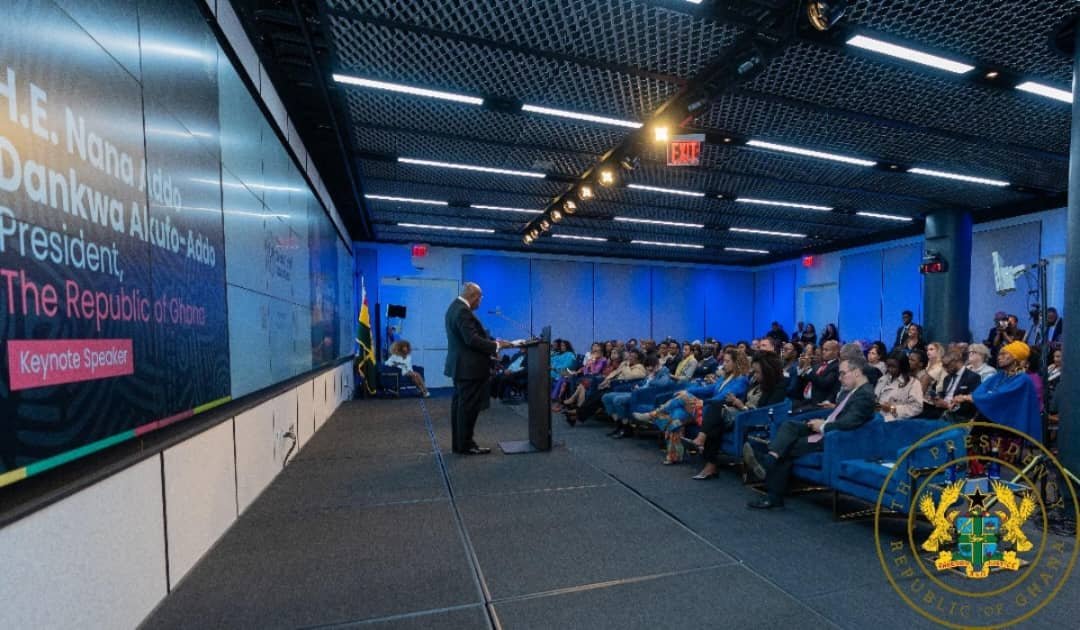
At a significant side event during the 2024 UN General Assembly in New York, President Nana Addo Dankwa Akufo-Addo of Ghana delivered a compelling address on reparations, calling for a global reckoning with the historic injustices inflicted on people of African descent.
In his passionate speech, the President outlined the importance of reparative justice, while stressing that this moment in history is not merely about reflecting on past wrongs but about forging a path toward a just and equitable future.
“We are not convening this evening to share words, nor are we merely reflecting on history,” President Akufo-Addo began.
He said, “No, my friends, we are here to envision a new future—a future that corrects the injustices of the past and ensures that our children, and their children, are born into a world that embraces their dignity and humanity.”
In addressing the gathered dignitaries, diplomats, and representatives of African nations and the African diaspora, the President underscored the brutal legacy of slavery, colonialism, and systemic racism that continues to reverberate in the lives of people of African descent.
He emphasized that reparations are not just about compensation but about rebuilding the dignity and future of a people whose humanity was denied for centuries.
Akufo-Addo highlighted the historical examples of Haiti and the United States, where former enslaved peoples were further burdened instead of compensated.
He recounted the harrowing case of Haiti, a nation that was forced to pay reparations to France for the audacity of gaining its independence from colonial rule in 1804.
Haiti was shackled with an unjust debt of $21 billion that crippled its economy and prospects for generations.
“Haiti’s example illustrates a fundamental truth: reparations, when wrongly administered, do not serve justice. Rather, they can reinforce the very power structures that perpetuate dominion and inequality,” President Akufo-Addo asserted.
He added, “It was the enslaved who paid their former slave masters, a story that still resonates across the Global South.”
Akufo-Addo’s address also recounted the injustices perpetrated in the United States and the United Kingdom, where compensation for the abolition of slavery was perversely awarded to the slave masters, rather than to those who had endured years of forced labor and inhumane treatment.
In the United States, $300 was paid to slave owners for each enslaved person they lost, while the enslaved were left with nothing but their hard-won freedom. Similarly, in the UK, £20 million—a figure now equivalent to £20 billion—was paid to former slave owners, but not a penny was awarded to those who had suffered under slavery.
“This was a perverse inversion of justice, one that allowed the structures of inequality to endure long after the formal end of slavery,” Akufo-Addo said, noting the enduring economic disparities and systemic racism that continue to afflict people of African descent to this day.
“But, as Akufo-Addo reiterated, this event was not only about reflecting on these injustices. It was about taking active steps towards creating a future where reparations can be a meaningful part of healing and building sustainable livelihoods for those whose ancestors were wronged,” he said.
At the recent Reparations Conference in Accra, held in November 2023, the groundwork was laid for defining reparative justice for Africa and the African diaspora.
The President outlined several key actions agreed upon at the conference, including the establishment of a global reparations commission, the return of stolen cultural artifacts, and investments in African nations and communities worldwide.
“This is the vision of reparations that we must hold onto—one that looks not only at compensation for past injustices but also at the creation of sustainable, just futures for our people,” the President declared.
The concept of Afro-diplomacy was also central to the President’s speech. Akufo-Addo called on African nations and their diaspora to be the architects of their future, pushing for reparations through global diplomacy, partnerships, and solidarity with other oppressed peoples.
“Reparations will not be handed to us freely—we must actively seek them,” he said, urging the world to see Africans as equals on the global stage, not beggars.
Concluding his remarks, President Akufo-Addo expressed confidence in the youth of today, whom he believes will be the ones to transform global systems and build a future of justice, equality, and empowerment for all Africans.
“My friends, we stand at the threshold of a new world—a world that we must imagine, design, and build. This is the world of reparative futures, a world where the wrongs of the past are righted, and where African nations are free to define their own destinies,” he said.
As the address drew to a close, it was clear that President Akufo-Addo’s vision for reparations is about far more than financial compensation—it is about transforming the very foundations of global justice, ensuring that the descendants of the enslaved can thrive in a future where dignity, respect, and equality are their birthrights.


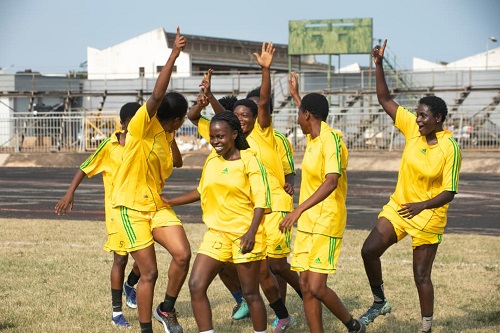
The 29th Annual Dagaaba-Frafra Friendly Games have once again demonstrated that sports can be a powerful vehicle for cultural preservation, business networking, friendship and peaceful coexistence.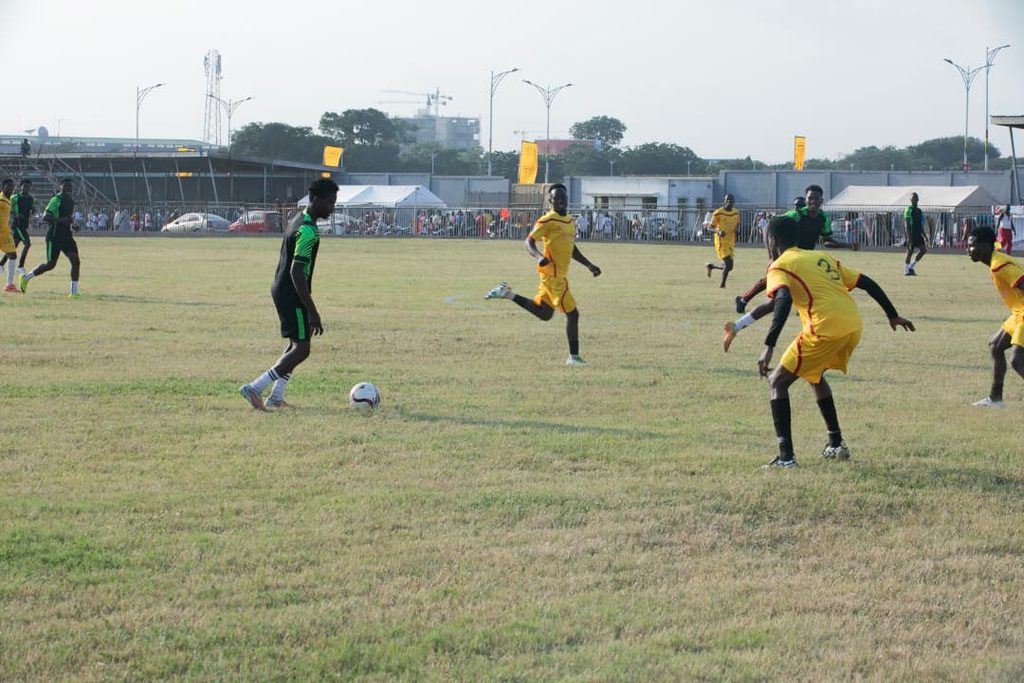
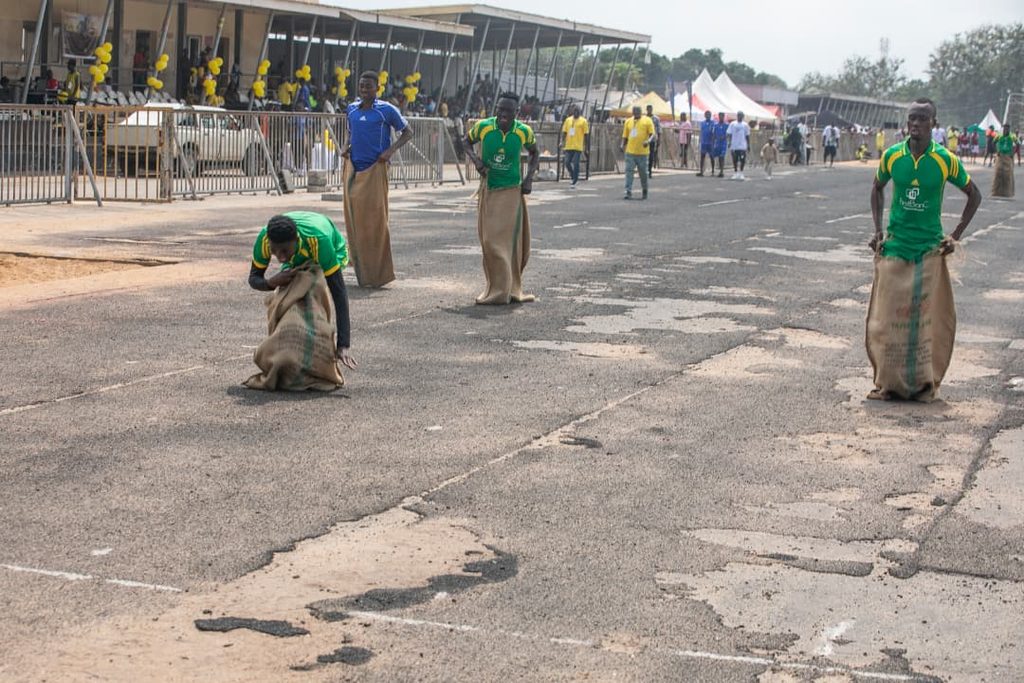
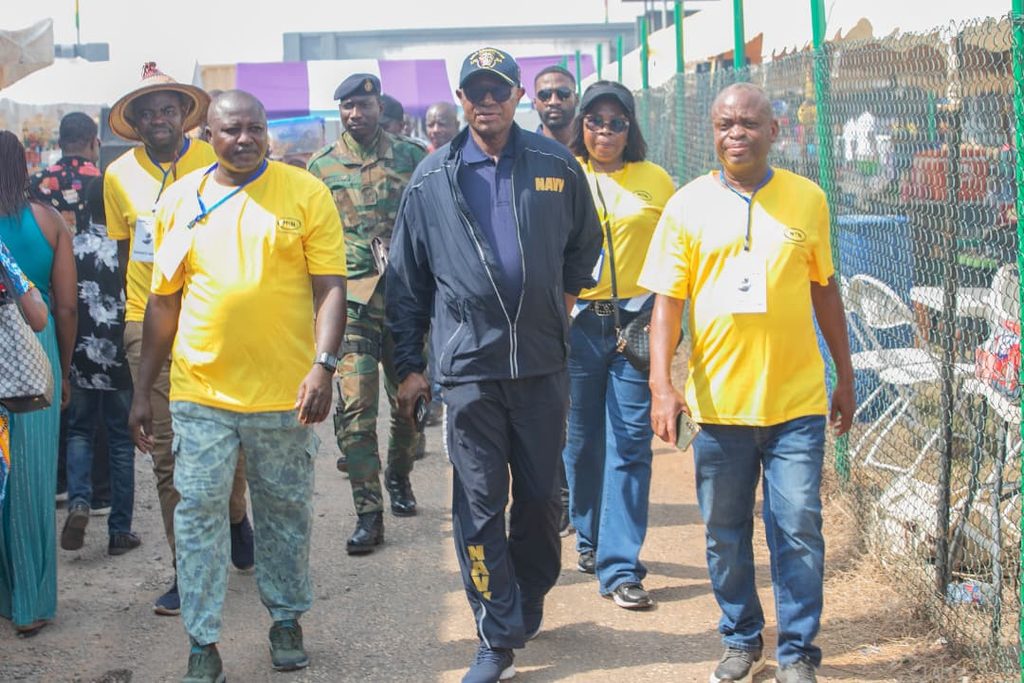
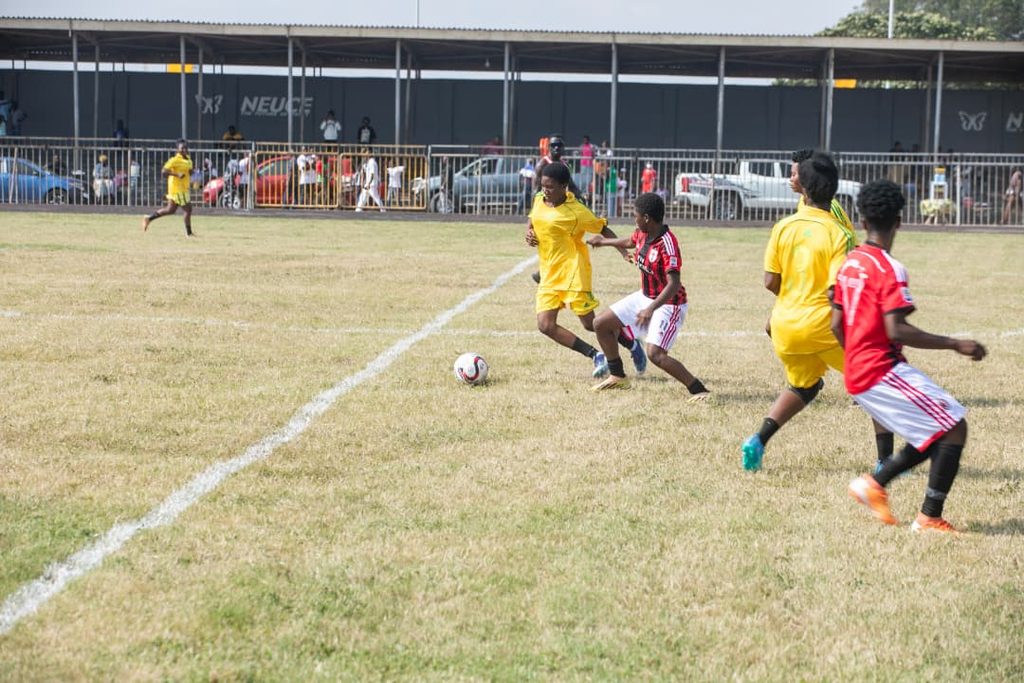
Held at the El-Wak Sports Stadium in Accra last Saturday, the games brought together members of the two ethnic groups from across Ghana and abroad for a colourful celebration under the theme, “Unity in Diversity: The Dagaaba-Frafra Model for Peaceful Co-existence.”

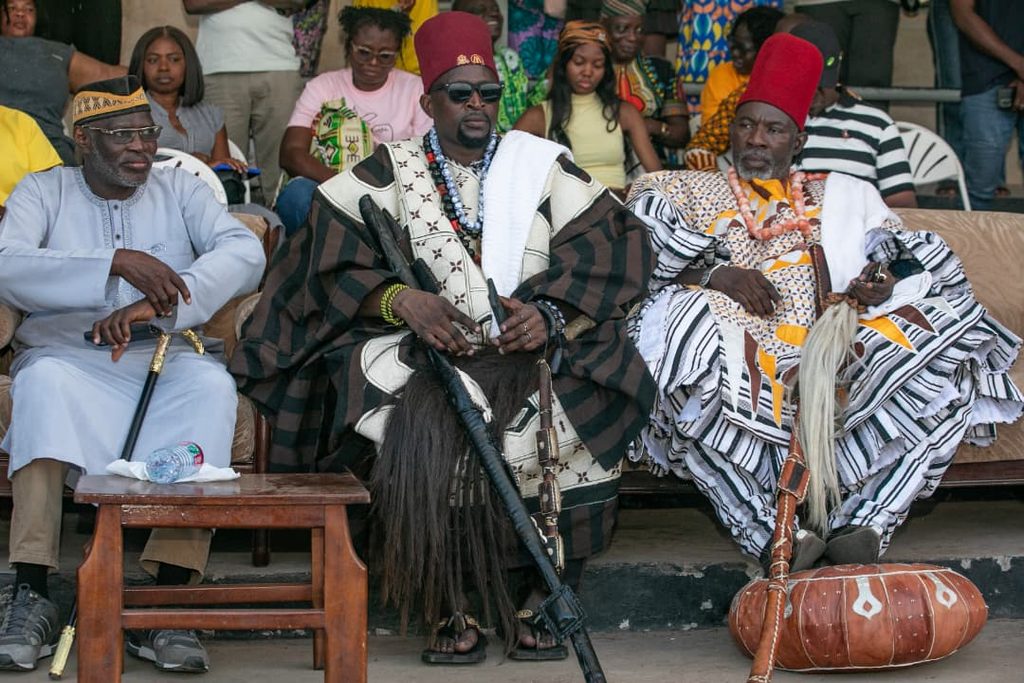
The event, which has evolved from a friendly football match into a major annual gathering, featured football, volleyball, sack races, lime and spoon, tug-of-peace and a penalty shootout for senior citizens.
At the end of the competitions, the Frafra won four events, while the Dagaaba secured victories in five, with the men’s soccer match ending in a draw.
The Frafra triumphed in the men’s lime and spoon, men’s sack race, women’s sack race and women’s soccer, while the Dagaaba won the women’s lime and spoon, men’s volleyball, women’s volleyball, women’s tug-of-peace and the senior citizens’ penalty shootout.

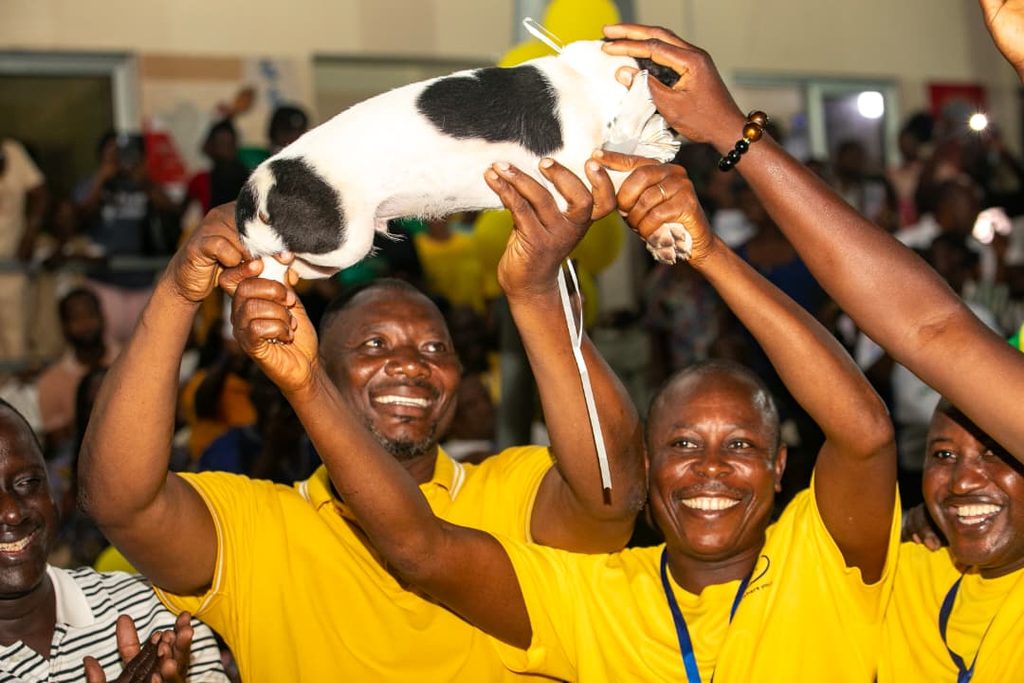
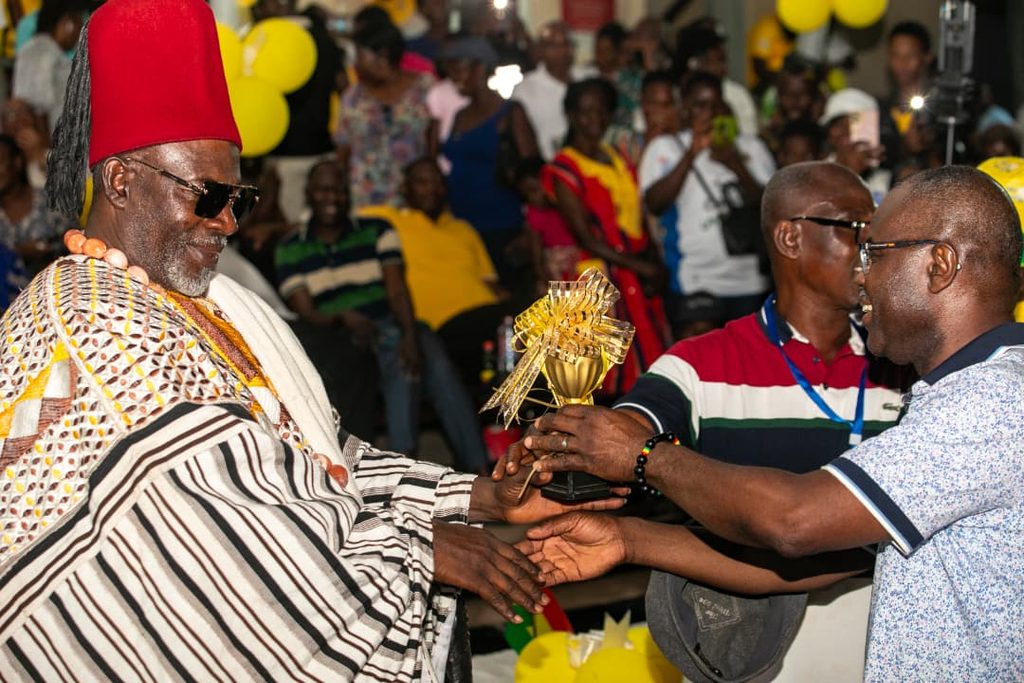
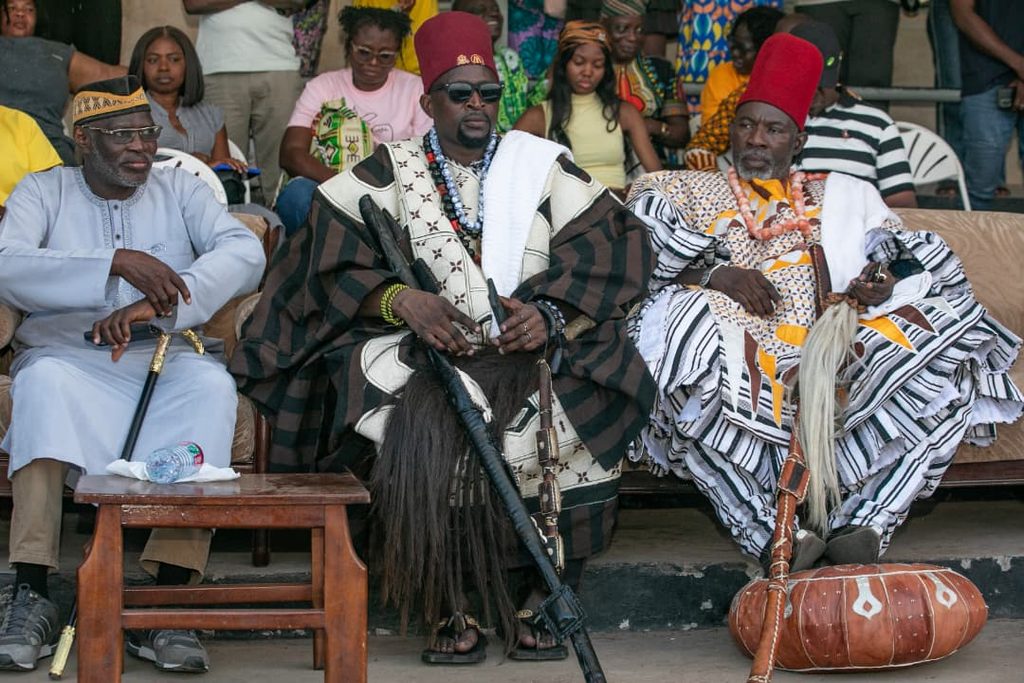
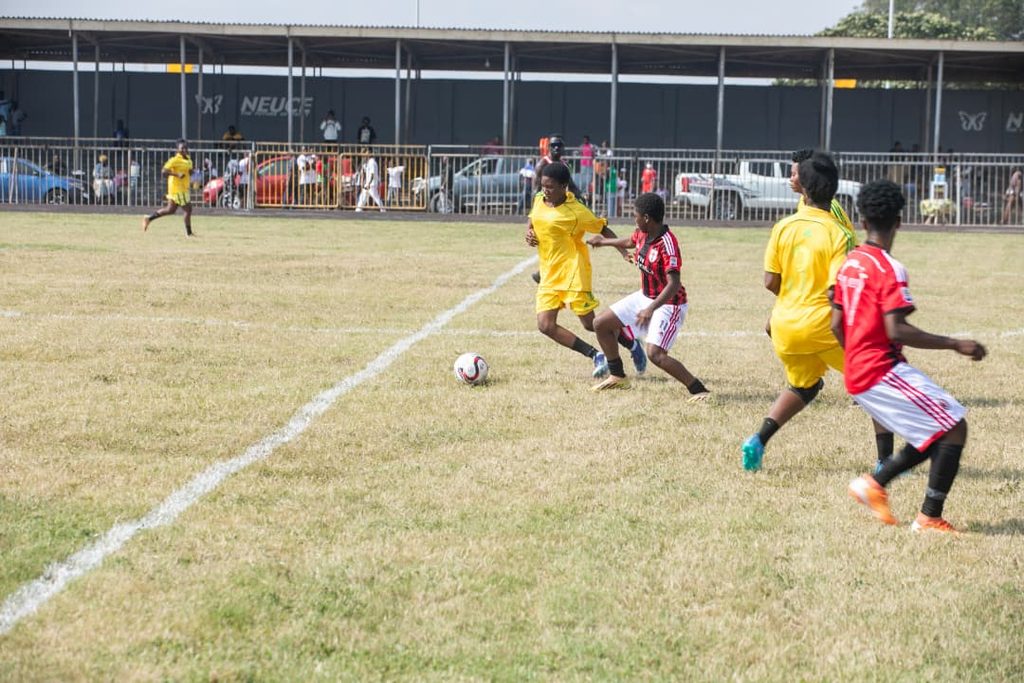
However, the games extended far beyond the sporting arena. The stadium grounds and surrounding spaces became a vibrant marketplace, with patrons enjoying and purchasing a variety of traditional foods, drinks and cultural products.
Local delicacies, including TZ, tubaani, bambara beans, pork, guinea fowl, local fowls, dog meat and kosie, were sold alongside traditional alcoholic beverages. Traditional dresses and other culturally inspired items also attracted buyers, turning the gathering into an important platform for small businesses and vendors to make sales while promoting northern Ghanaian culture.
The cultural exchange continued long after the final sporting contests, as patrons remained at the venue to eat, drink, socialise, dance and party well into the night.
In her remarks, the Guest of Honour, Dr Matilda Aberese-Ako, said the gathering represented much more than competition, describing the Dagaaba-Frafra relationship as a historic bond that had evolved into a modern sporting tradition and an instrument for peace.
MTN Ghana has been the headline sponsor for the games for the past 10 years.
By Gordon Wellu
By Gordon Wellu
SKIP THE QUEUE, TAP THE NEWS
You can now read the Ghanaian Times and The Spectator newspapers from the comfort of your device via TimesNewsPlus.
Join our WhatsApp Channel: https://whatsapp.com/channel/0029VbBElzjInlqHhl1aTU27

MTN Ghana has undertaken a tree-planting exercise at the Chipa Forest Reserve as part of its commitment to protecting the planet and support the restoration of degraded sections of the forest.
The activity forms part of the company’s 2026 Sustainability Month celebration held under the theme “Small Actions: Big Impact,” and its 30th anniversary celebration.


It was held in partnership with the Forestry Commission (FC) and the Rainforest Alliance with MTN Ghana supporting the restoration of approximately two hectares of degraded forest through the planting of 1,666 trees.
Due to the current dry weather conditions, 833 trees were planted during the exercise, with the remaining 833 to be planted when the rain commences.
The exercise brought together MTN employee volunteers, officials from the Forestry Commission and representatives of the Rainforest Alliance, demonstrating the importance of collaboration in driving environmental sustainability.
Speaking at the event, the Acting General Manager for Sustainability and Shared Value at MTN Ghana, Georgina Asare Fiagbenu, emphasized the critical role trees play in sustaining life and protecting the environment.
“Trees are essential to human survival and healthy ecosystems. They absorb carbon dioxide, release oxygen, regulate temperatures, protect soil, support biodiversity and provide habitats for many species. They also conserve water, reduce erosion and help communities adapt to the effects of climate change,” she said.
The District Manager of the Tema-Ada Forest Services Division of the Forestry Commission, Linda Ansah, welcomed MTN Ghana’s support, describing it as a valuable contribution to efforts aimed at restoring degraded sections of the reserve.
The Country Director of the Rainforest Alliance, Nicholas Jengri, also welcomed the partnership and emphasised the importance of collective action in addressing environmental challenges.
SKIP THE QUEUE, TAP THE NEWS
You can now read the Ghanaian Times and The Spectator newspapers from the comfort of your device via TimesNewsPlus.
Join our WhatsApp Channel: https://whatsapp.com/channel/0029VbBElzjInlqHhl1aTU27