Gender
‘Domestic abuse still rife in Upper West amid COVID-19 pandemic’


- /home/u249204778/domains/spectator.com.gh/public_html/wp-content/plugins/mvp-social-buttons/mvp-social-buttons.php on line 27
https://spectator.com.gh/wp-content/uploads/2020/07/Inspector-Niabi.jpg&description=‘Domestic abuse still rife in Upper West amid COVID-19 pandemic’', 'pinterestShare', 'width=750,height=350'); return false;" title="Pin This Post">
- Share
- Tweet /home/u249204778/domains/spectator.com.gh/public_html/wp-content/plugins/mvp-social-buttons/mvp-social-buttons.php on line 72
https://spectator.com.gh/wp-content/uploads/2020/07/Inspector-Niabi.jpg&description=‘Domestic abuse still rife in Upper West amid COVID-19 pandemic’', 'pinterestShare', 'width=750,height=350'); return false;" title="Pin This Post">
Whilst frontline workers are battling to save the lives of patients from the deadly coronavirus disease (COVID-19) infection in the country, some wives in the Upper West Region are also battling their husbands over too much sexual demands as a result of the CODVID-19 stay-home protocol.
The high demand for sex has been fueled by the inability of some men to patronise other women such as commercial sex workers and ‘side chics’ in addition to their wives, due to the fear of contracting the disease in the process, and therefore have to rely solely on their wives for sexual satisfaction.
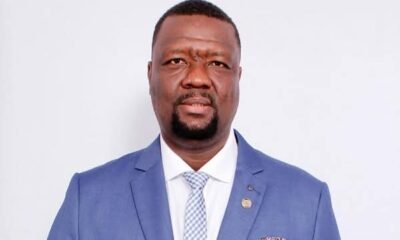
A Station Officer at the Domestic Violence and Victims Support Unit (DOVVSU) of the Upper West Regional Command of the Ghana Police Service, Inspector Stella Niabi, who disclosed this at a meeting at Wa said this had led to physical abuse of some of the women who had refused their husbands sex.
Inspector Niabi was speaking at the launch of a Reproductive Health programme dubbed “Sexual and Reproductive Health Rights and Sexual and Gender-Based Violence” (SRHR/SGBV) campaign by a non-governmental organisation, Plan International Ghana, at Wa last week.
The campaign would among other things ensure access to SRHR services as well as protect vulnerable groups, such as women and girls from abuse, in the midst of the COVID-19 pandemic.
“Wives have been sexually abused by their husbands because they denied them access to their bodies after they had had enough of the” stay-home” sex, especially during the lock down because of the fear of contracting the disease, the men say they are unable to patronise other women,” she said.
She stated that most of those cases were treated as civil cases and were resolved through counselling and other negotiation alternatives that had yielded positive results to the satisfaction of the parties.
Inspector Niabi explained that the CODVID-19 break from school had also led to quite a number of teenage pregnancies and sexual abuse of children in the region.
“Most of these teenage pregnancy cases come to us because the victims come to report the men who deny the pregnancies after they have put those innocent girls in the family way,” she said.
Touching on other abuses, the Station Officer said girls had become more vulnerable in the CODVID-19 season as they were over burdened with house chores and other responsibilities whilst their male counterparts idled about.
She explained that the girls were in some cases subjected to beating when they were unable to perform the many responsibilities they were assigned to at home whilst the males went scot free even after doing nothing the whole day.
“We have these and several other reports of abuses at home due to CODVID-19 pandemic, and so we are very grateful to Plan International Ghana for introducing a programme that would cater for these developments,” she added.
On his part, the District Development Coordinator of the Upper West Regional Programme Unit of Plan International Ghana, Mr Kamaldeen Iddrisu, hinted that the rampant media reportage on sexual and gender-based abuse informed their decision as an organisation to introduce a programme to address these issues.
“We have trained some young ladies from Wa, Sissala East, Wa West, Wa East and Sissala West Municipal and District Assemblies on the making of re-usable nose masks as well as sanitary pads to help them earn income in this CODVID-19 season to limit their dependence on men and subsequently limit abuse,” he said.
From Lydia Darlington Fordjour, Wa


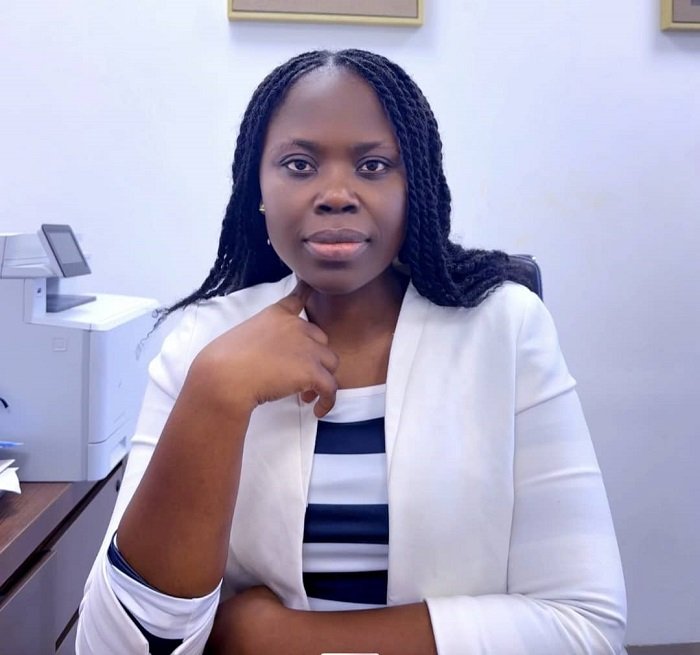
The Founder of The Raissa Child Protection Initiative (TRCPI), Ms Raissa Sambou, has called for intensified efforts to eliminate child labour across Africa, describing the practice as a serious violation of children’s rights and a major threat to their development and future.
She urged governments, individuals, civil society organisations, religious bodies, and traditional and religious leaders to work together to protect children from all forms of labour that deprive them of their childhood, education, and well-being.
Ms Sambou made the call on Thursday as the world marked the World Day Against Child Labour, an annual observance held on June 12 to raise awareness about child labour and mobilise action towards its elimination. This year’s commemoration was observed under the theme, “Red Card to Child Labour: Fair Play for Children, Decent Work for Adults.”
According to her, child labour continues to affect thousands of children across Ghana and other parts of Africa, exposing them to exploitation and denying them opportunities to reach their full potential.
“Child labour can affect the physical, emotional and psychological well-being of children. It interrupts their education, exposes them to abuse and exploitation, increases their risk of injuries and long-term health problems, and limits their chances of breaking the cycle of poverty,” she stated.
Ms Sambou further noted that children engaged in labour often suffer from low self-esteem, social exclusion and trauma, with many unable to acquire the skills and education needed to contribute meaningfully to national development.
She stressed that protecting children was a collective responsibility and called for stronger enforcement of child protection laws, increased public awareness, and greater investment in social protection programmes for vulnerable families.
Ms Sambou also identified poverty as one of the major drivers of child labour and warned that failure to address economic hardship would continue to expose children to exploitation and other forms of abuse.
She called on policymakers to strengthen interventions aimed at reducing poverty, improving access to quality education and supporting struggling households.
“We must not allow ignorance and poverty to thrive. When poverty is not adequately addressed, it fuels child labour and other crimes against children. Let the systems work effectively to shield every child from harm and give them the opportunity to learn, grow and succeed,” she added.
The World Day Against Child Labour was established by the International Labour Organisation in 2002 to focus global attention on the need to eradicate child labour and protect the rights and welfare of children worldwide.
By Esinam Jemima Kuatsinu

Plan International Ghana has reaffirmed its commitment to advancing menstrual health and hygiene management (MHHM) and promoting the rights, dignity and well-being of girls and women across the country.
Mr Mathias Gangana, Southern Programme Influencing and Impact Area Manager of Plan International Ghana, said the organisation’s interventions over the past decade had helped address menstrual poverty, challenge harmful social norms and create enabling environments for girls to thrive.
He was speaking at the UHAS, RGHI Project Dissemination Forum held at the Fred N. Binka School of Public Health on the Hohoe Campus of the University of Health and Allied Sciences (UHAS).
Mr Gangana said, as an organisation dedicated to children’s rights and gender equality, particularly for girls, Plan International Ghana had implemented transformative interventions that had significantly improved menstrual health outcomes nationwide.
He said through comprehensive menstrual health education programmes, the organisation had reached girls, boys, parents, teachers and community members, increased awareness and reducing the stigma associated with menstruation.
Mr Gangana said thousands of vulnerable girls had been empowered to manage menstruation with dignity and confidence through the provision of sanitary pads, reusable menstrual products and the establishment of pad banks in schools, including special schools and some tertiary institutions.
He said those interventions had contributed to improved school attendance and greater participation in academic activities among girls.
Mr Gangana said Plan International Ghana had also strengthened Water, Sanitation and Hygiene (WASH) services through the installation and rehabilitation of handwashing facilities, the provision of clean water and soap, and the construction of gender-responsive, inclusive and disability-friendly sanitation facilities.
He said those investments had improved privacy, safety and comfort for girls while promoting healthy hygiene practices in schools and communities.
Recognising that menstrual health was a shared responsibility, Mr Gangana said the organisation had actively engaged men and boys through initiatives such as the “Real Fathers” campaign to foster understanding and support for girls and women.
He said advocacy and community sensitisation programmes had also contributed to reducing discrimination, challenging harmful gender norms and advancing gender equality.
According to him, the interventions had yielded significant outcomes, including increased knowledge and awareness of menstrual health, improved access to menstrual hygiene products, enhanced school attendance and academic participation among girls, strengthened hygiene practices, increased male involvement and stronger community ownership of menstrual health initiatives.
“As we reflect on these achievements, we stand in solidarity with all partners, lecturers, teachers, community leaders, parents, girls and young people who have contributed and continue to support this important journey,” he said.
Mr Gangana said the collective efforts of stakeholders had empowered countless girls to remain in school, participate confidently in community development and realise their full potential.
He reaffirmed Plan International Ghana’s commitment to sustaining efforts that would ensure every girl could manage menstruation safely, confidently and with dignity.
“Together, let us build a more just, inclusive and equitable society where no girl is left behind simply because of her period,” he said. -GNA