Hot!
Check your health status regularly… Non-communicable diseases show no symptoms – Health expert

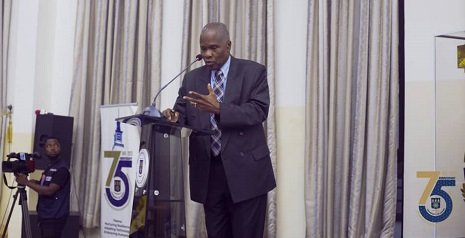
Professor Peter Lamptey (inset) making his presentation while
the audience listen attentively
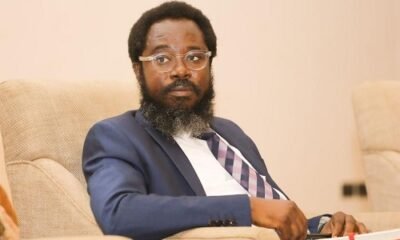
A professor in Global Non- Communicable Diseases (NCDs) at London School of Hygiene & Tropical Medicine- England, Professor Peter Lamptey, has noted that issues on NCDs must be addressed both nationally and internationally, especially through financial support in order to curb the risk of increase.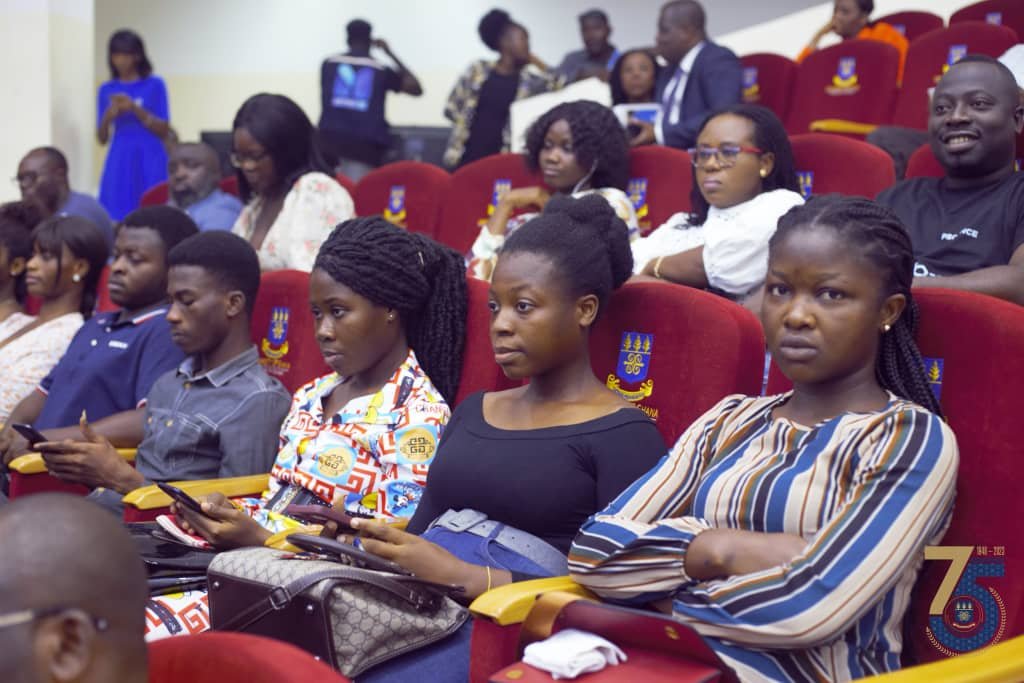
He stated that Africa was currently experiencing a triple disease burden; endemic and epidemic, current and future pandemic (HIV, COVID) and lastly the explosive burden of NCDs thus the situation would worsen if immediate measures were not taken.
Professor Lamptey on Wednesday, at the 2023 Harvard University Joseph S. Agyepong Distinguished Lecture on Public Health in Africa at the University of Ghana- Legon, in Accra.
The professor was speaking on the topic: “Combatting Non Communicable Diseases: Africa’s Greatest Health Challenges.”
Despite the fact that NCDs were not transmissible, he noted that some were caused by infections such as gastric and cervical cancers amongst others, adding that Ghanaians must give it the requisite attention.
He mentioned some underlining risk factors of NCDs such as the usage of tobacco, unhealthy diet, the harmful use of alcohol, air pollution and insufficient physical activities.
“Looking at the long exposure of NCDs it is unlikely for one to recover as compared with someone infected with communicable diseases such as COVID-19 or HIV,” he said.
Again, Professor Lamptey cited some cultural perceptions and negligence of Ghanaians that impeded public health workers while discharging their duties in the prevention of NCDs.
He advised that people should regularly check their health status by visiting health facilities “since NCDs did not exhibit any symptoms and it could take decades before patients could identify the symptoms.”
He further said that people who presumed to be healthier because they felt and looked well, should be careful
Executive Chairman of the Jospong Group of Companies, Dr Joseph Siaw Agyepong and his wife, Adelaide Siaw Agyepong donated GHc500, 000 to support NCDs advocacy in Ghana.
This was due to the fact that not much money had been committed towards the education of the general public to trigger behavioural change.
The 4th edition of the annual lecture, co-hosted by the Harvard University CAS, formed part of activities of the University of Ghana’s 75th Anniversary.
On her part, Vice Chancellor of the University, Prof Nana Aba Appiah Amfo, said the University looked forward to pragmatic measures which could address NCDs from an African perspective.
By Yunusah Essandoh

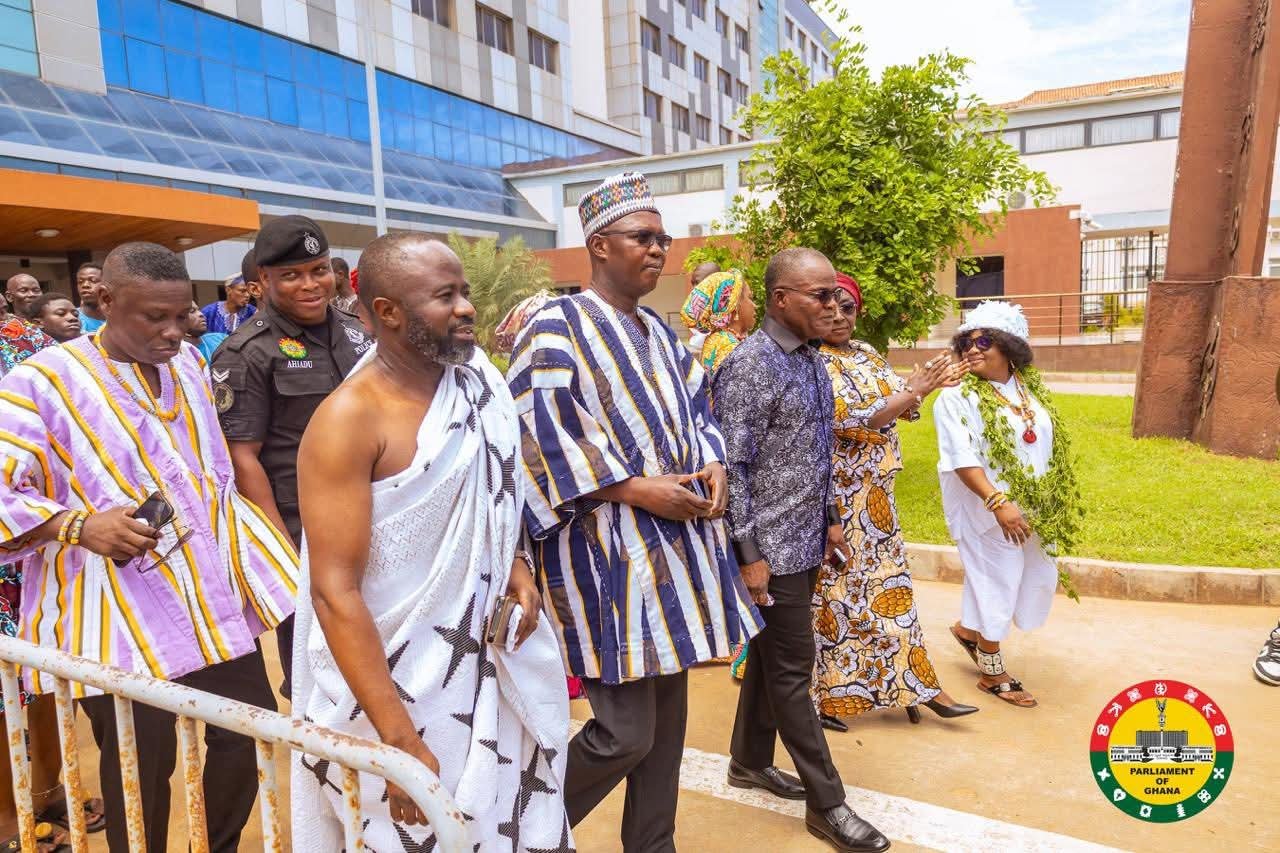
Ghana’s parliament has marked the 2nd edition of May Day 2026 under the theme “ Welcome Home”.
It was special day meant to celebrate the invaluable support of the workforce, recognizing the commitment, resilience, and contributions of workers to institutional growth and national development.
Delivering the message on behalf of the Speaker, the 1st Deputy Speaker, Bernard Ahiafor, described the theme as very apt, appropriate, and timely, noting that Parliament is more than a workplace, it is a shared home.

He emphasized that we cannot speak about work without speaking about people, reminding everyone that the true measure of our work is the well-being of our people.
He urged that our traditional clothing become an integral part of our everyday clothing, and that our local languages must become integral to our daily lives, interwoven into education and practiced at home.
Referencing Standing Order 63, which captures the use of local language as optional in deliberations, he encouraged a renewed commitment to identity, saying it is significant that we “come home” and present who we are so future generations can inherit a story they can fully tell.
The Clerk, Mr. Ebenezer Ahumah Djietror, in his remarks commended officers for their dedication and devotion to duty, calling on them to go the extra mile and leave legacies.
Echoing the reminder that an unexamined life is not worth living, he described the event as an invitation to reconnect with our roots through cultural revival.
The Deputy Clerk, C&FMS, Dr. Gloria Sarku Kumawu, urged all not to forget their roots, the people behind the stories of ministries, industries, and the strides made both in-house and beyond.
What began last year has now become a meaningful tradition, showcasing Ghanaian heritage, fostering unity, and encouraging innovation under the principle of diversity for unity and diversity for progress, she added.
The gathering brought together leadership, public officials, and staff across all levels, along with the media, standing as a unifying platform that honored service, celebrated culture, and reaffirmed a shared commitment to national development.
Hot!
Manhyia would serve as Ghana’s unifying force …Otumfuo assures on commemoration of 27 years on the Golden Stool

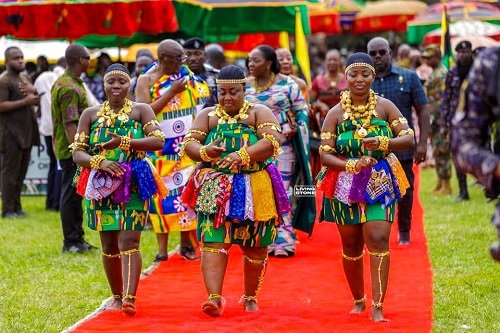
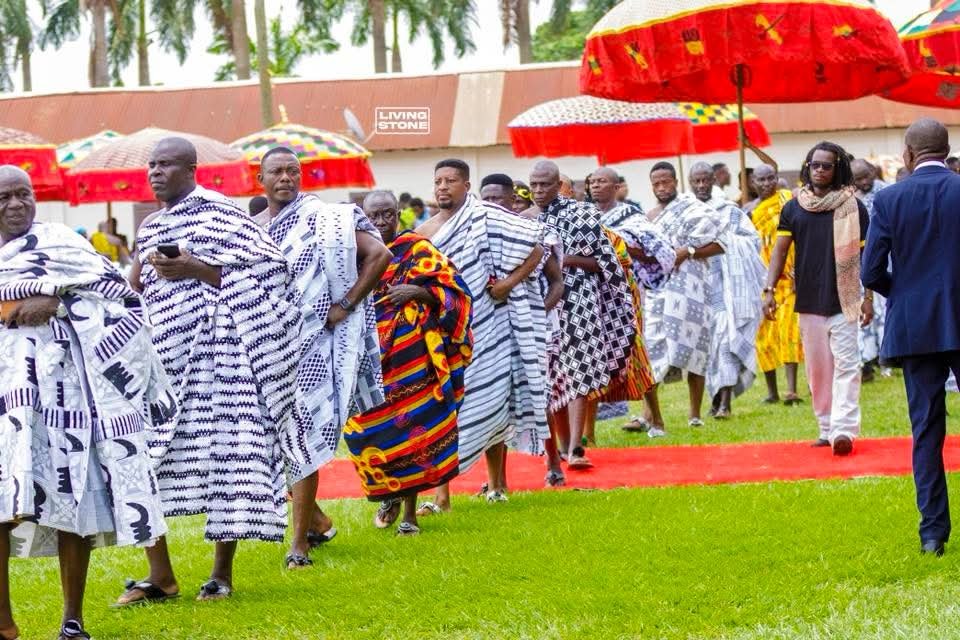
The Asantehene, Otumfuo Osei Tutu II, last Friday celebrated his 27th enstoolment with a colourful and culture-rich ceremony at the Manhyia Palace in Kumasi, drawing a distinguished gathering of dignitaries from across Ghana and beyond.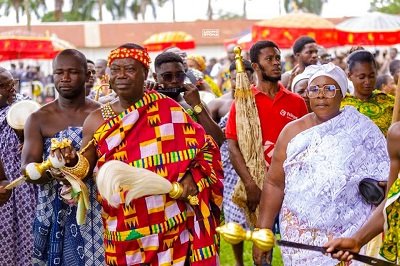
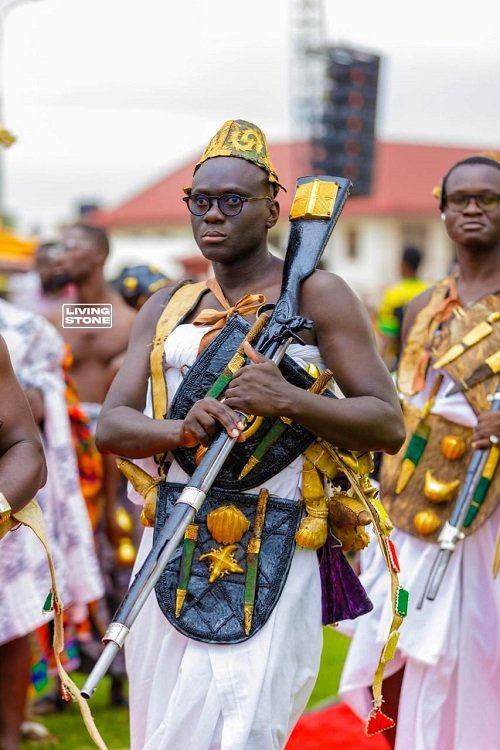
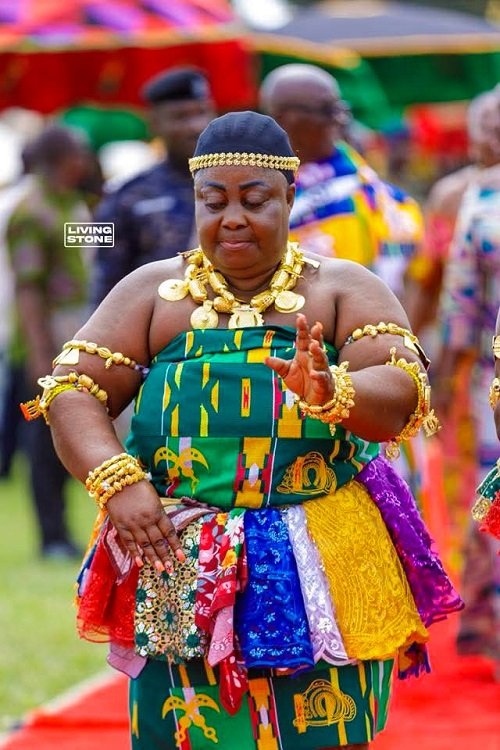
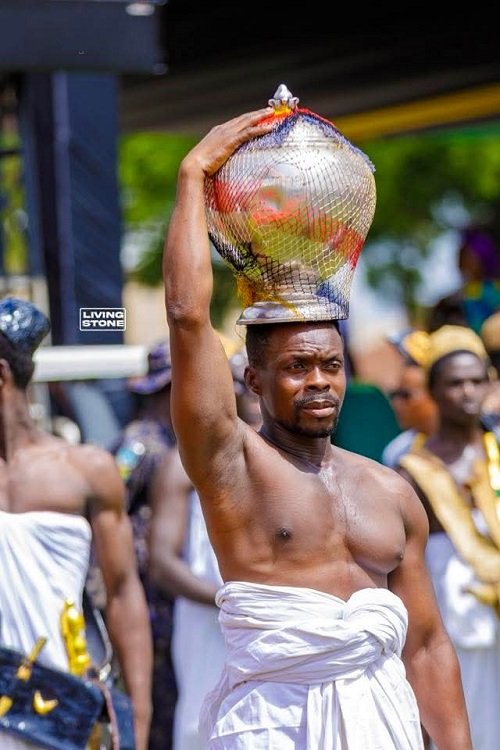
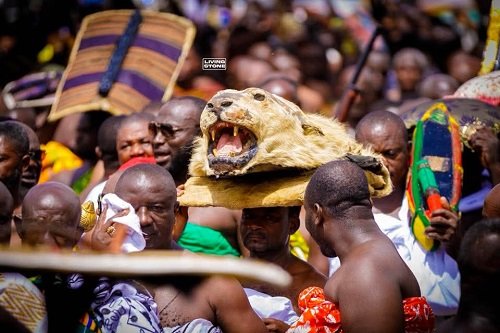
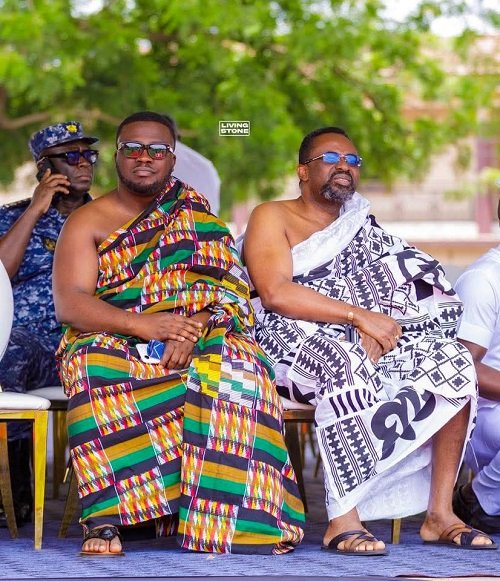
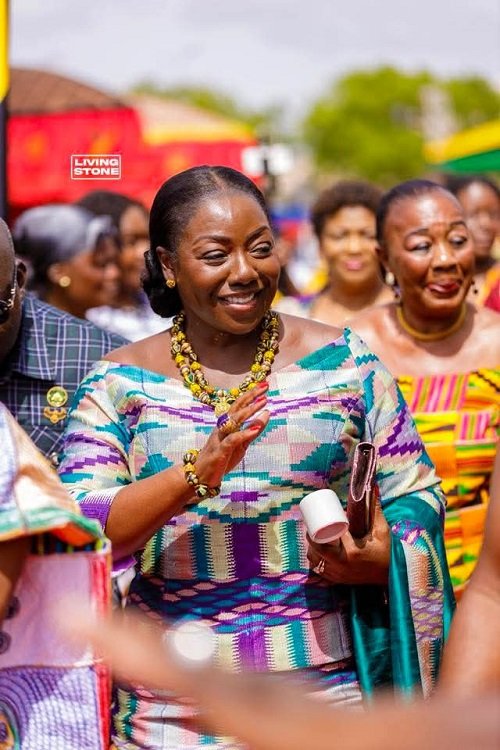
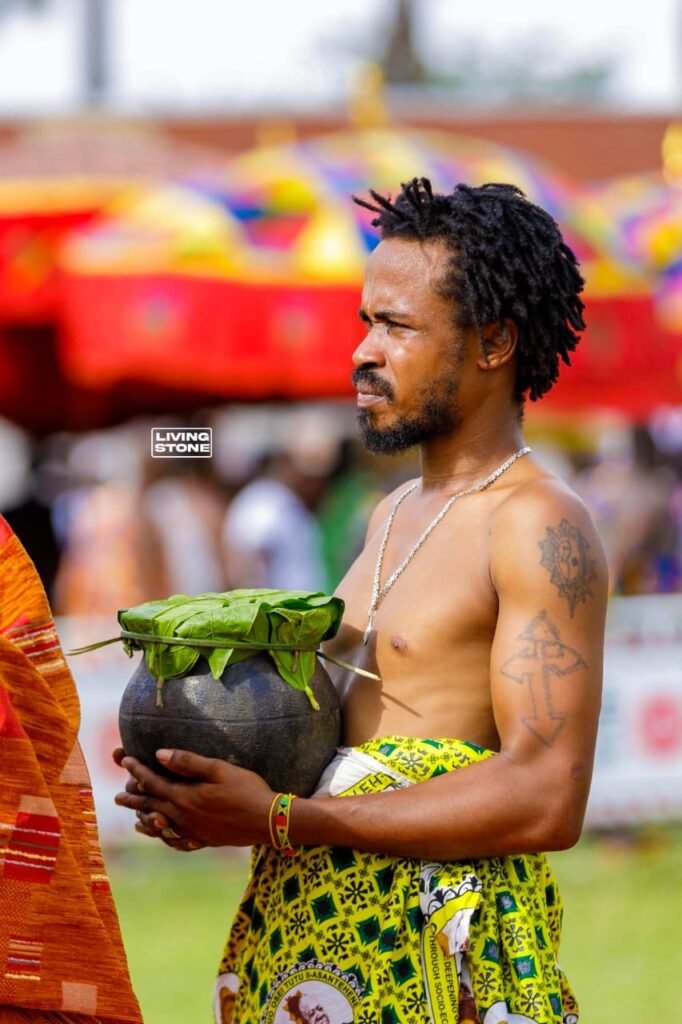
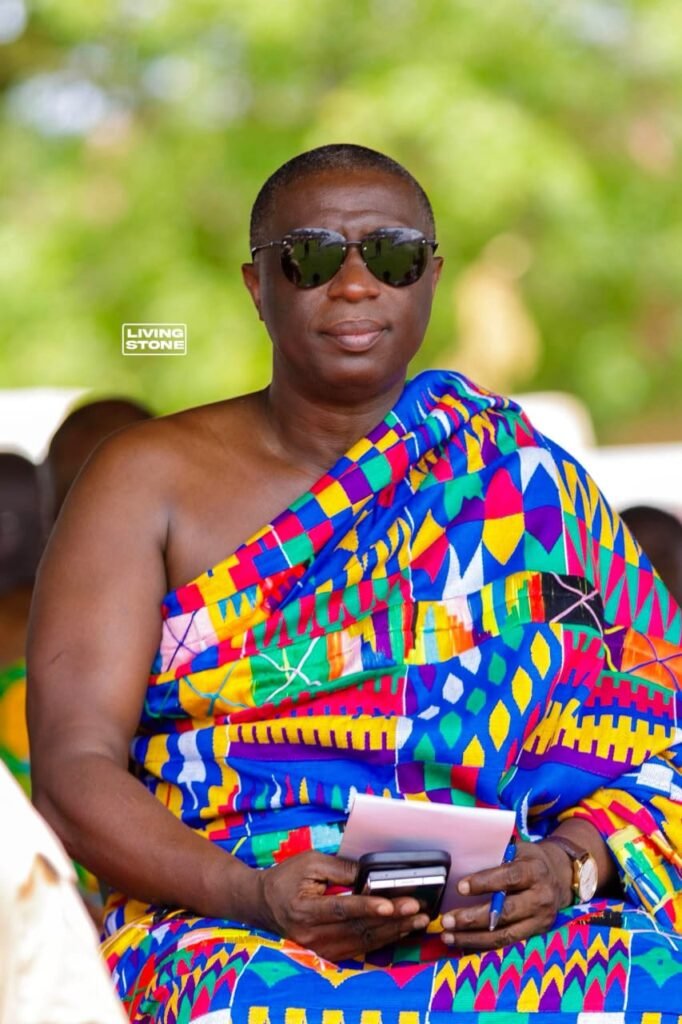
Clad in splendid kente and adorned in rich traditional regalia, the dignitaries added colour and elegance to the occasion, as the palace grounds came alive with a vibrant display of Ghanaian culture.
Traditional drumming, dancing and symbolic rites underscored the deep-rooted heritage of the Ashanti Kingdom, captivating guests and reaffirming the value of tradition in modern society.
Speaking at a high-level Executive Gala organised by the Diaspora Affairs Office of the Office of the President in strategic partnership with the E ON 3 Group, the ‘World-Meets-in-Ghana’ gala, the Asantehene urged Ghanaians to guard against the divisive tendencies of partisan politics.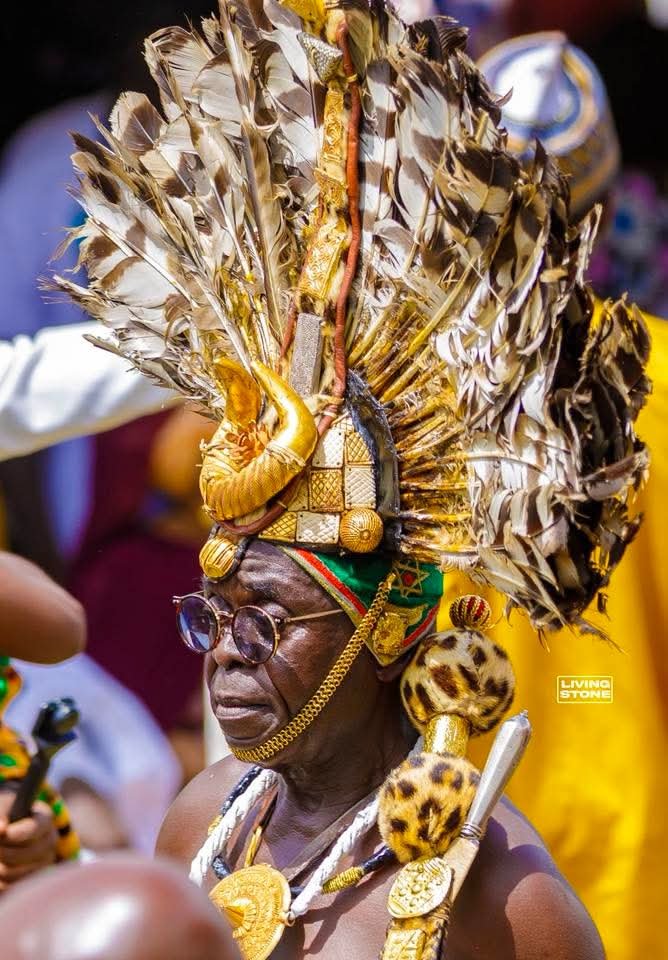
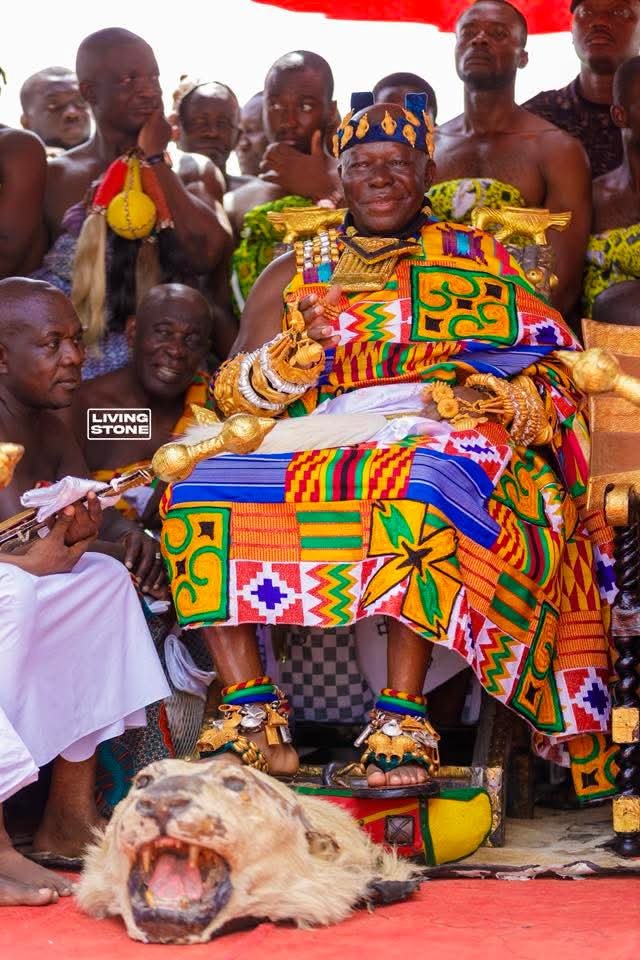
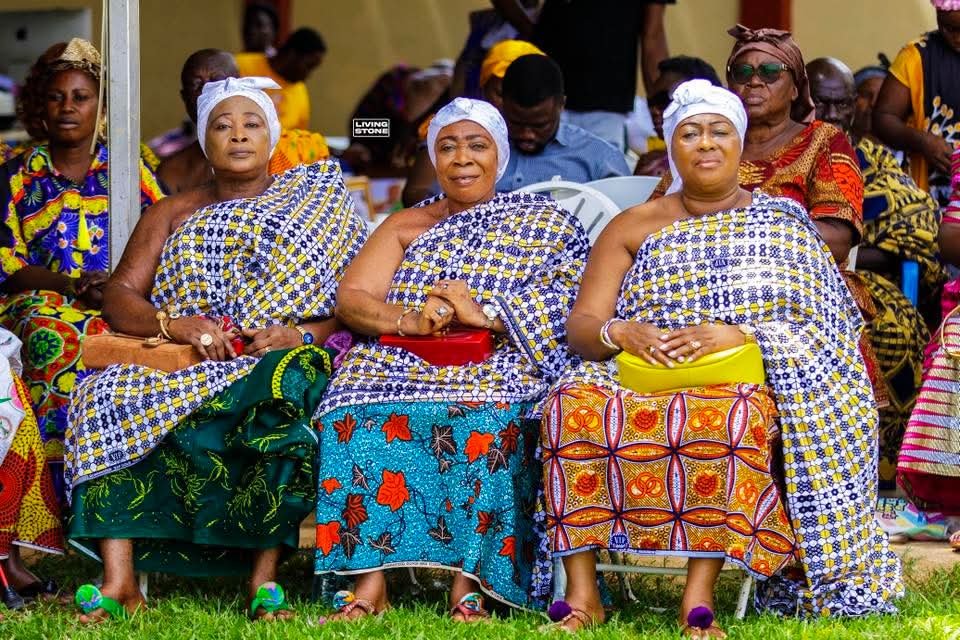
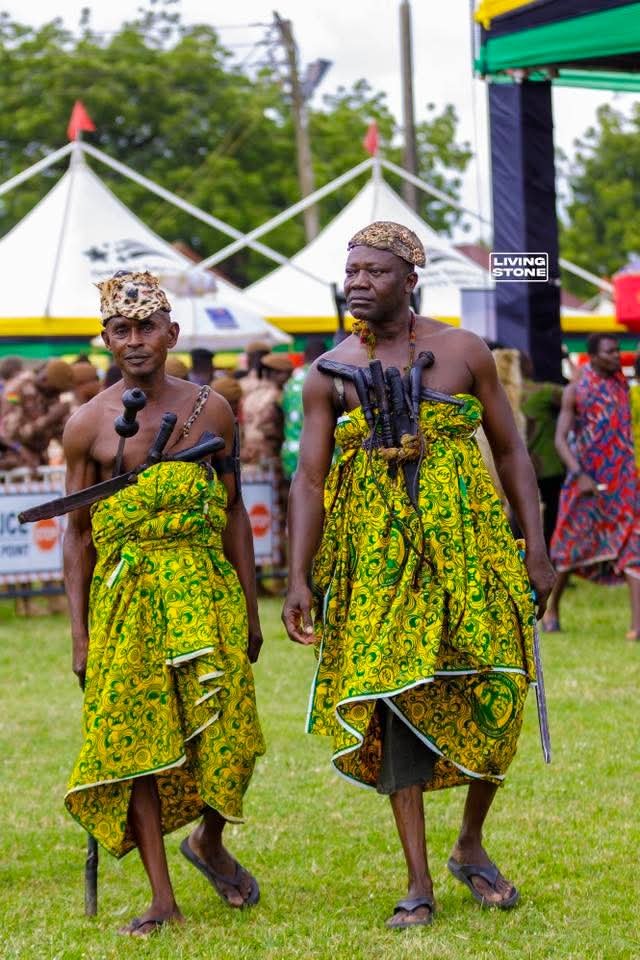
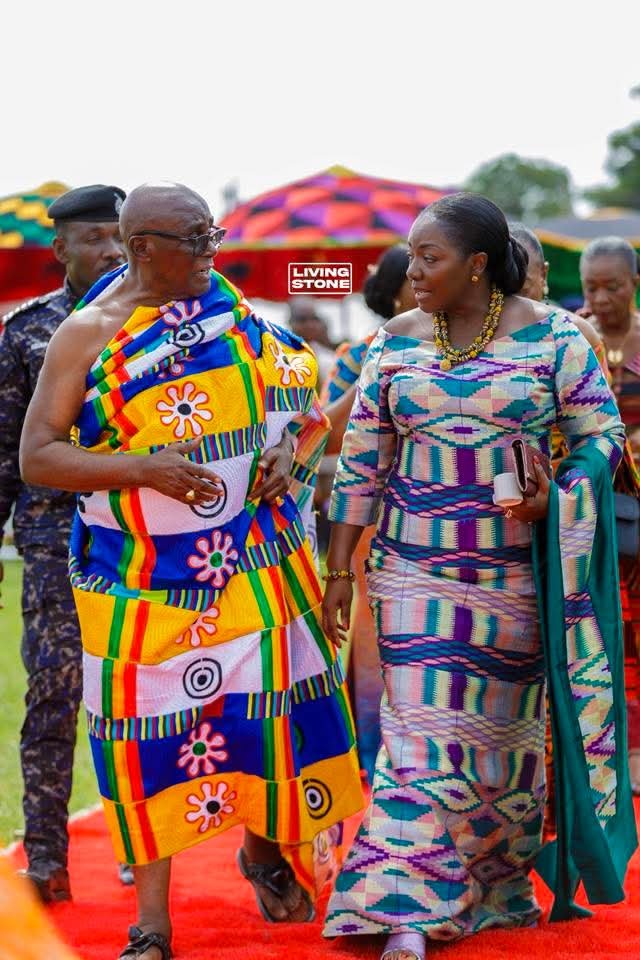

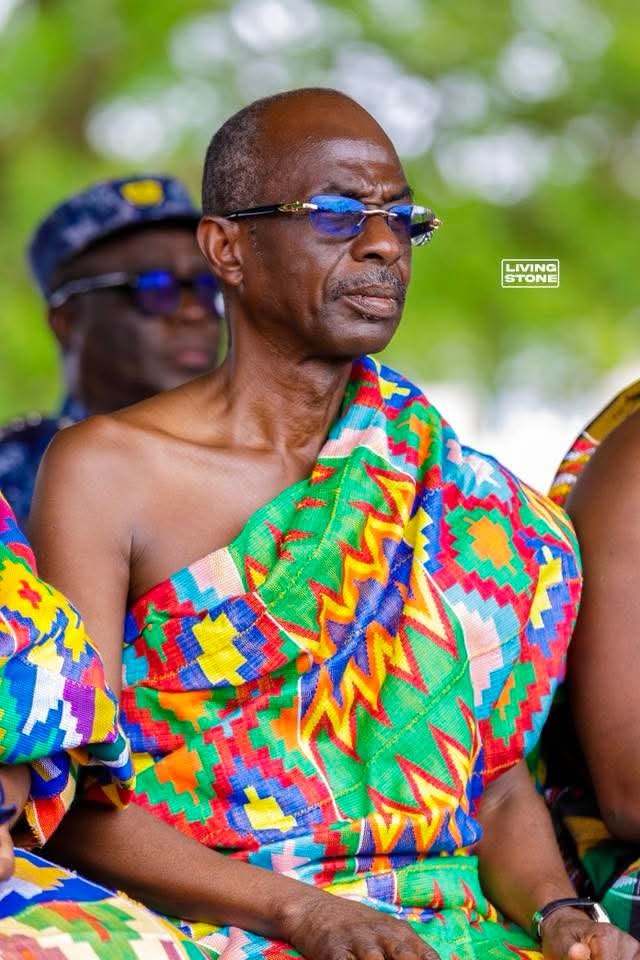
The event was to honour the Asantehene’s nearly three-decade reign under the theme ‘Advancing Peace and Sustainable Economic Development through Royal Vision’.
Otumfuo Osei Tutu II noted that such attitudes threatened the country’s long-standing values of unity, civility and brotherliness.
He assured that Manhyia would continue to serve as a unifying force for the nation.
The celebration also featured the presentation of commemorative gold coins to notable national leaders, including the President, John Dramani Mahama, former Presidents John Agyekum Kufuor and Nana Addo Dankwa Akufo-Addo as well as Dr Mahamudu Bawumia, a former Vice President in recognition of their contributions to peace and national development.
By Spectator Reporter