News
Skills dev’t training for youth launched at Sekondi-Takoradi

- /home/u249204778/domains/spectator.com.gh/public_html/wp-content/plugins/mvp-social-buttons/mvp-social-buttons.php on line 27
https://spectator.com.gh/wp-content/uploads/2023/06/Mr.-Abdul-Mumin-Issah-launching-the-Skills-development-Project.jpg&description=Skills dev’t training for youth launched at Sekondi-Takoradi', 'pinterestShare', 'width=750,height=350'); return false;" title="Pin This Post">
- Share
- Tweet /home/u249204778/domains/spectator.com.gh/public_html/wp-content/plugins/mvp-social-buttons/mvp-social-buttons.php on line 72
https://spectator.com.gh/wp-content/uploads/2023/06/Mr.-Abdul-Mumin-Issah-launching-the-Skills-development-Project.jpg&description=Skills dev’t training for youth launched at Sekondi-Takoradi', 'pinterestShare', 'width=750,height=350'); return false;" title="Pin This Post">
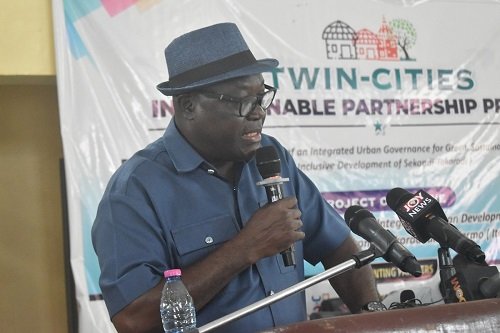
Mr. Abdul-Mumin Issah launching the Skills development Project
The Sekondi-Takoradi Metropolitan Assembly (STMA) has launched skills development training under the European Union-funded Twin Cities in Sustainable Partnership Project (TCSPP) being implemented in Sekondi-Takoradi in Ghana and Palermo in Italy.
The three-year project aims to enhance the capacity of authorities to address the challenges of urban sprawl, climate change and inadequate social safety nets for vulnerable populations within the two cities.
The launch of the TCSPP Project is also to commemorate the 2023 Europe Month Celebration in Ghana under the theme, “Celebrating Youth and Skills” and to recognise the EU as a funding agency of TCSPP and their contributions and initiatives to support Ghanaian youth in acquiring the right skills for quality jobs.
The Metropolitan Chief Executive (MCE) of STMA, Mr. Abdul-Mumin Issah, said that having a workforce in a society with the skills that were in demand contributed to sustainable growth, led to more innovation and improved competitiveness.
He said one of the major challenges in society today was the high population of unemployed youth and its corresponding challenges of crime, illicit use of drugs, and irregular migration to southern Europe through the desert and the Mediterranean Sea.
He said the TCSPP Skills Development programme was therefore aimed at complementing the many interventions both the central government and other stakeholders were making to address the youth unemployment situation in the metropolis and other parts of Ghana.
Mr. Issah disclosed that the programme was intended to train 350 vulnerable groups, including unemployed women and youth, returnees and potential future migrants, in professional skills in crop production, animal husbandry, aquaculture, bio-digester technology, eco-friendly oven production and plastic waste recycling.
He said the training would focus on two key areas, namely urban agriculture techniques and green and climate-smart production technologies, adding that “the project will provide post-training assistance to well-deserving trainees by supporting them to construct 500 bio-digester toilets and 100 eco-friendly ovens across the metropolis.
The MCE said the situation reaffirmed his long conviction that “teaching and learning employable skills” was the way forward for most unemployed people to become self-employed and employable in the competitive job market.
The Project Coordinator, Mr. Isaac Aidoo, said the project needed about 350 youth to start the skills training, but at the time of the launch, the number was not up, so he appealed to more youth to come and pick forms because the training was very beneficial.
The chairperson for the launch, Nana Kofi Abuna V, who is the chief of Essipun, said those who had picked forms should count themselves blessed to get the opportunity.
She told the trainees to be committed, determined and visionary, setting some goals ahead of their completion and working hard to get there.
She advised parents not to discourage their children from learning skills because it was the only way to reduce unemployment in the country by making the youth more self-employed and dependent on themselves.
From Peter Gbambila, Sekondi


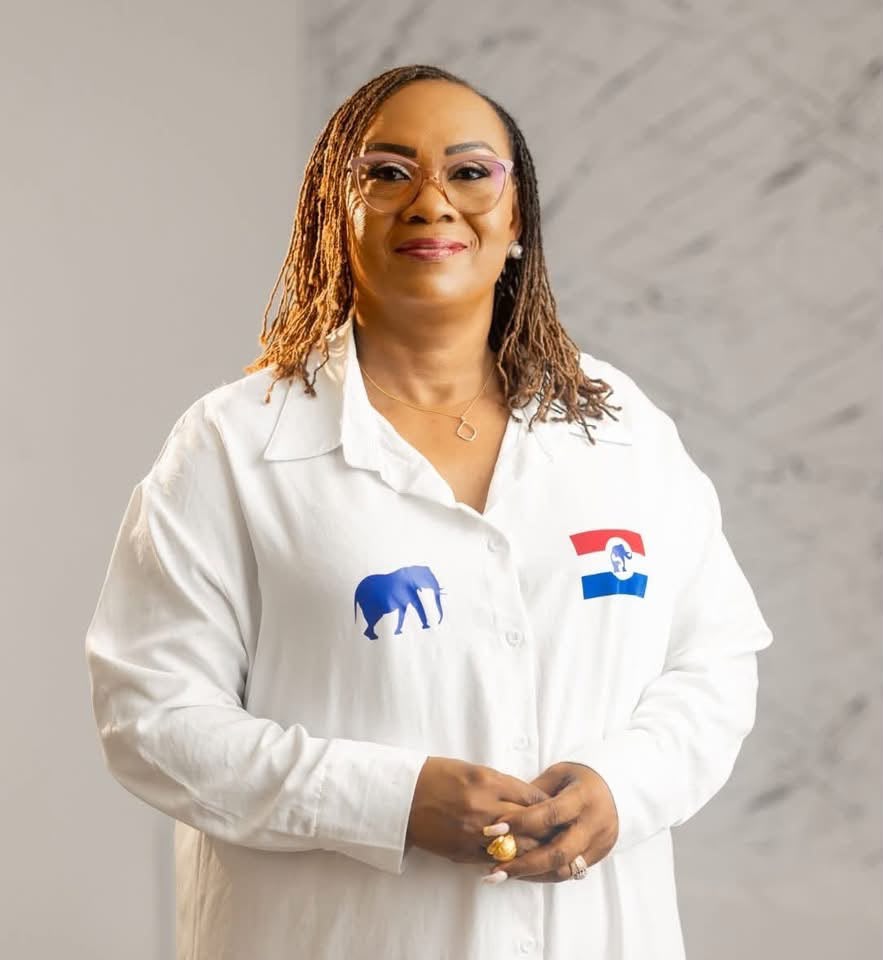
Former Awutu Senya East Member of Parliament, Mavis Hawa Koomson, has been elected the National Women’s Organiser of the New Patriotic Party (NPP).
She secured 738 votes to defeat her main contender, Mohammed Safia, who polled 429 votes in the election held on Saturday, October 3, 2026, at the Baba Yara Sports Stadium in Kumasi.
The election formed part of the NPP’s National Delegates Conference, which brought together delegates from across the country to elect new national executives for the party.
The conference was characterised by a colourful display of the NPP’s red, white and blue colours, with party supporters and delegates filling the stadium ahead of the various elections.
Former President Nana Addo Dankwa Akufo-Addo was among the prominent personalities who attended the delegates conference ahead of the elections.
Following the declaration of the results, Hawa Koomson moved around the stadium with some of her supporters, thanking delegates for voting for her and expressing confidence in her ability to lead the party’s women’s wing.
Speaking after her victory, Hawa Koomson said she would bring her experience and maturity to the position and work to strengthen the party’s women’s structures.
She indicated that she would work with her former contender, Mohammed Safia, despite the competition between them during the election.
“We are all NPP members and we are going to work together for victory,” she said.
According to her, her immediate task would be to unite the women of the party and mobilise them to contribute effectively to the NPP’s activities at the grassroots and national levels.
She called for greater support and solidarity among women, and recounted an experience in which she said another woman helped save her life after she was attacked.
Using the experience, Mrs Koomson urged women to have one another’s backs, stressing that women should be ready to support and defend each other.
The former MP spoke about her political journey and her return to a national leadership position after losing the Awutu Senya East parliamentary seat.
She said she had never regarded her political journey as a failure and was proud to have reached the national level to serve the party.
Mrs Koomson said her decision to contest the National Women’s Organiser position was driven by her desire to continue contributing to the NPP and use her experience to support the party.
Hawa Koomson explained the need for women to protect themselves, including the use of pepper spray as a means of self-defence when faced with danger.
She encouraged women to support and defend one another, drawing from her own experience of being attacked and helped by another woman who intervened to save her.
As National Women’s Organiser, she will be responsible for coordinating and mobilising women across the party, strengthening the women’s wing at the constituency and regional levels, and increasing their participation in party activities.
She is expected to work closely with the newly elected national executives to strengthen the party’s structures and prepare its women’s wing for the party’s future political activities.
Mrs Koomson thanked the delegates for the confidence they had placed in her and pledged to work with members of the party as she begins her new role.
By: Jacob Aggrey
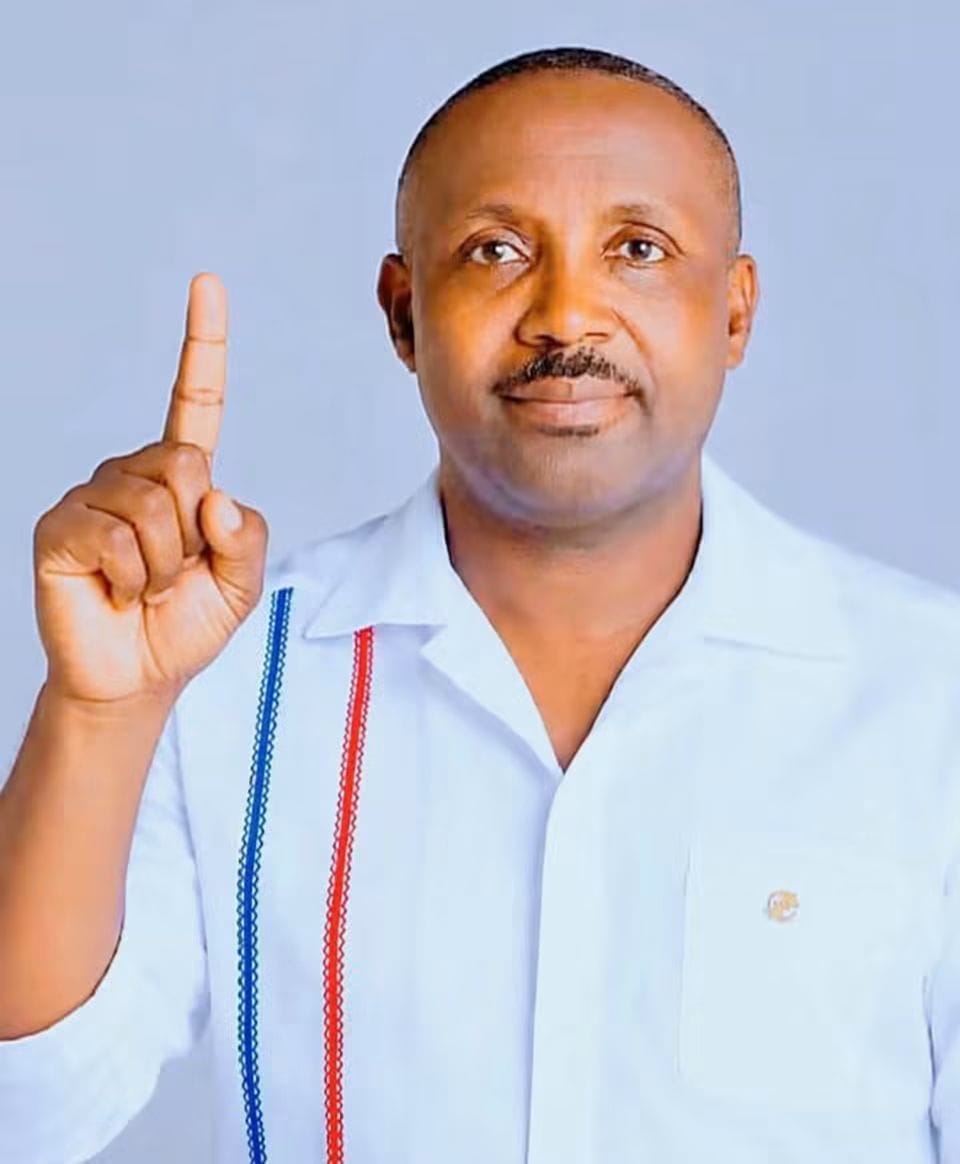
John Boadu has been elected as the National Chairman of the New Patriotic Party (NPP) following the party’s National Delegates Conference held on Saturday, October 3, 2026, at the Baba Yara Sports Stadium in Kumasi.
Boadu secured a decisive victory with 2,888 votes, beating his closest contender Boakye Agyarko who polled 2,408 votes.
Former Chairman Paul Afoko garnered 790 votes, while Sammy Crabbe managed 41 votes.
The victory marks a major political comeback for John Boadu, who previously served as the party’s General Secretary.
Ahead of the elections, Sammy Crabbe had reportedly pulled out of the race to form an alliance with John Boadu, a move that appears to have strengthened Boadu’s numbers on the day.
The keenly contested chairmanship race was a highlight of the 2026 National Executives Election, which drew thousands of delegates from across the country to Kumasi.
Boadu is expected to lead the party’s reorganization efforts ahead of the 2028 general elections.
By Edem Mensah-Tsotorme