Nutrition
Health benefits of Peanut

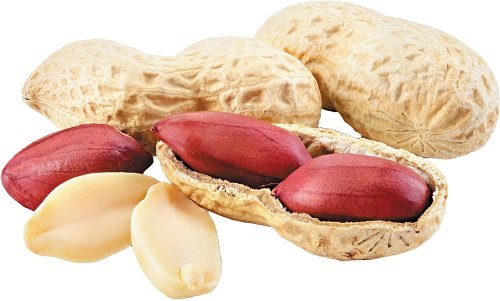
• Peanut
Peanuts are delectably crispy, nutty, and delicious. The kernels are rich in numerous noteworthy nutrients that are beneficial to health and overall wellness.
These tasty nuts can be a healthy addition to diet as they are rich in beneficial minerals, vitamins, and plant compounds.Most people take it at snacks.Peanuts are nutritionally dense and healthy.
– Promote healthy heart
Eating peanuts helps protect the body against coronary heart disease (CHD). A study conducted by the Harvard School of Public Health found that peanuts lower bad cholesterol (LDL) levels.
-Aids weight Loss
Peanuts are very high in calories, but they contribute to weight loss instead of weight gain. Peanuts are energy-dense foods. That is why having them as a snack may make you consume fewer calories later in the day. Peanuts elicited stronger feelings of fullness when consumed as a snack than with a meal. This may eventually help with weight loss.
-Prevents gallstones
Consumption of peanuts is linked to a lower risk of gallstones. A study conducted by the Harvard Medical School and Brigham and Women’s Hospital (Boston) found that consumption of peanuts lowers the risk of gallstones. Men consuming five or more units of nuts (including peanuts) a week are at a lower risk of gallstone disease.
– Aids blood sugar control
Adding peanuts or peanut butter to a meal does not spike blood sugar levels. Having them along with a meal would stabilise blood sugar levels.
-Reduces cancer risk
High intake of peanuts (including other nuts) has been associated with a reduced risk of colorectal cancer. The isoflavones, resveratrol, and phenolic acid found in peanuts have anticancer properties which may help reduce the risk of cancer
-Treat erectile dysfunction
Peanuts are rich in arginine, which is an essential amino acid (Arginine has been studied extensively as a possible treatment for erectile dysfunction.
-Boosts energy
Peanuts are a rich source of protein and fibre that assists in the conversion of carbohydrates into energy. The protein content of peanuts is around 25 per cent of the total calories. The fibre and protein combination in peanuts slows down the digestive process to facilitate a steady release of energy into the body.
-Have antioxidative properties
Peanuts are rich in numerous plant compounds and antioxidants. Most of these compounds are available in the skin of peanuts, which should be eaten raw to get all of its benefits. Some of the plant compounds that are readily available in peanuts include resveratrol, coumaric acid, and phytosterols that help impair the absorption of cholesterol, isoflavones, and phytic acid found in plant seeds.
Source: Health.com


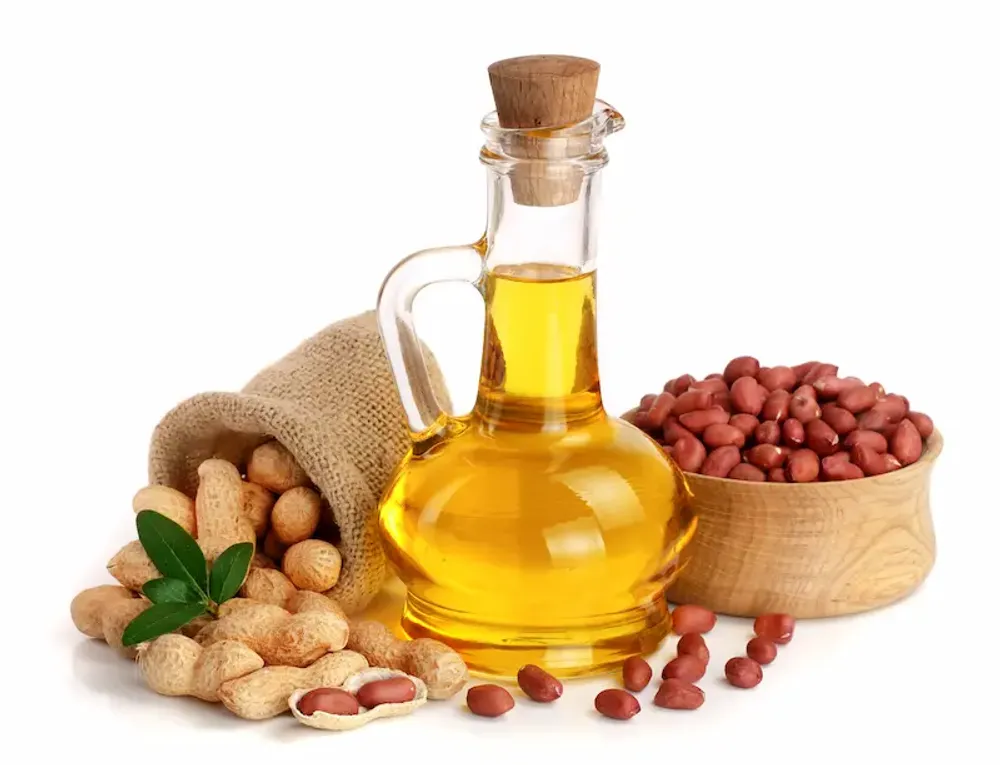
Groundnut oil has essential nutrients. It is rich in monounsaturated and polyunsaturated fats, which are considered heart-healthy fats. Additionally, it contains vitamin E, an antioxidant that supports healthy skin and eyes. Groundnut oil also provides phytosterols, plant compounds that help lower cholesterol levels, and resveratrol, known for its anti-inflammatory properties.
– Heart Health
The high content of unsaturated fats in groundnut oil makes it an excellent choice for heart health. These fats help reduce bad cholesterol levels (LDL cholesterol) and increase good cholesterol levels (HDL cholesterol), thereby reducing the risk of heart diseases.
-Rich in antioxidants
Wood Pressed Groundnut oil contains vitamin E, a potent antioxidant that protects cells from oxidative stress. Antioxidants play a crucial role in neutralising harmful free radicals in the body, reducing the risk of chronic diseases like cancer and diabetes.
-Aids digestion
Groundnut oil is gentle on the digestive system, making it easy to digest. It also helps in the absorption of fat-soluble vitamins like A, D, E, and K, promoting overall digestive health.
-Boosts immune system
The presence of antioxidants and anti-inflammatory compounds in wood pressed groundnut oil enhances the immune system’s ability to fight off infections and diseases.
– Weight management
Despite being calorie-dense, cold pressed groundnut oil can be part of a balanced diet. Its healthy fat content helps in making you feel full and satisfied, reducing overall calorie intake.
– Stable at high temperatures
Groundnut oil has a high smoke point, making it ideal for deep frying and high-heat cooking methods. Unlike some other oils, it does not break down and release harmful compounds at high temperatures.
Using groundnut oil can contribute to your overall well-being. However, like all oils, moderation is key. It’s important to use any oil, including groundnut oil, in moderation to maintain a balanced and healthy diet.
In conclusion, groundnut oil stands as a testament to nature’s bounty, offering not only a delightful culinary experience but also a myriad of health benefits.

For the past thirty years, Ready-to-Use Therapeutic Food (RUTF) has transformed the treatment of severe acute malnutrition in children. Before its introduction in the late 1990s, children suffering from severe wasting often required prolonged hospital stays, intensive medical care, and constant supervision. Today, many of these children can recover safely at home or within their communities under the guidance of trained health workers. This innovation has saved millions of lives across more than 70 countries and changed the global response to child malnutrition.
Severe acute malnutrition, also known as severe wasting, is one of the deadliest forms of malnutrition. It weakens the immune system, slows growth and development, and increases a child’s risk of death significantly. Common illnesses such as diarrhoea, pneumonia, and malaria become far more dangerous when children are malnourished. Globally, undernutrition is linked to nearly half of all deaths among children under five years, with the highest risk among children under the age of two In Ghana alone, an estimated 68,517 children are affected by severe acute malnutrition, according to the 2022 Ghana Demographic and Health Survey.
RUTF has proven to be one of the most effective tools in treating severe wasting, and is central to the Community-based Management of Acute Malnutrition (CMAM) framework — the globally endorsed model for delivering SAM treatment at the community level, outside of hospital settings The peanut-based paste is fortified with essential vitamins and minerals and requires no refrigeration, water, or cooking, making it practical for low-resource settings. When treatment begins early and supplies are consistently available, recovery rates range between 75 and 90 percent, at an estimated treatment cost of approximately USD 45 to 60 per child making RUTF one of the most cost-effective interventions in global health. Children often recover within six to ten weeks, regaining strength and healthy weight rapidly.
Despite these successes, access to treatment remains critically low. Globally, fewer than one in four children who need therapeutic food are able to receive it. The challenge today is no longer about whether treatment works; the evidence is clear. The real challenge is financing and consistent supply.
Many countries, including Ghana, have already taken important steps. RUTF is included in Ghana’s Essential Medicines List and Standard Treatment Guidelines, and hundreds of health workers have been trained to manage severe acute malnutrition within communities, including through Ghana’s Community-based Health Planning and Services (CHPS) compound network. However, procurement of therapeutic food still relies heavily on donor support, making supplies vulnerable to funding cuts and disruptions. As a result, some districts have access to treatment while others do not, even when malnutrition rates are equally high.
Addressing child malnutrition requires stronger political commitment and sustainable financing. Integrating RUTF into national health financing systems, including the National Health Insurance Scheme, could help ensure that children receive timely treatment regardless of where they live. Achieving this would require establishing clear RUTF reimbursement protocols within the NHIS claims framework, alongside dedicated national budget allocations for therapeutic food procurement. The infrastructure and knowledge already exist. What is needed now is sustained investment and prioritization.
Three decades of therapeutic food have shown that severe acute malnutrition is highly treatable. No child should die from a condition that can be managed with proven, lifesaving nutrition support. The progress made is significant, but the revolution remains incomplete until every child who needs treatment can access it.
Feature article by Women, Media and Change under its Nourish Ghana: Advocating for Increased Leadership to Combat Malnutrition project.