Sports
Who gave Shakul Samed the banned substance?


- /home/u249204778/domains/spectator.com.gh/public_html/wp-content/plugins/mvp-social-buttons/mvp-social-buttons.php on line 27
https://spectator.com.gh/wp-content/uploads/2022/08/SAMED.jpg&description=Who gave Shakul Samed the banned substance? ', 'pinterestShare', 'width=750,height=350'); return false;" title="Pin This Post">
- Share
- Tweet /home/u249204778/domains/spectator.com.gh/public_html/wp-content/plugins/mvp-social-buttons/mvp-social-buttons.php on line 72
https://spectator.com.gh/wp-content/uploads/2022/08/SAMED.jpg&description=Who gave Shakul Samed the banned substance? ', 'pinterestShare', 'width=750,height=350'); return false;" title="Pin This Post">
Last Friday, Ghanaians were startled by the news that Ghana’s light heavyweight boxer campaigning at the Birmingham Commonwealth Games – Shakul Samed, had been suspended from the Games and subsequently sent home for allegedly taking a banned substance – Furosemide.
The discomfiting news racked the Ghanaian camp, Shakul having been tipped to win a medal at the Games.
Nicknamed the ‘Sharp Shooter’, the boxer himself was said to have been downhearted by the Commonwealth Games Federation Anti-doping and Medical Commission’s decision to expel him from Birmingham – after his Sample A was found to contain the banned diuretic and masking agent Furosemide.
He was said to have cried all day on hearing the news.
“He’s simply inconsolable. We’re all shocked ourselves because we don’t know what really happened,” says one of his teammates who wanted to remain nameless.
Back home, the shamed boxer’s elder brother Bastir Samir, told the Times Sports at the weekend that the family was equally distraught on hearing the news.
“The entire family is still in grave shock. My dad is devastated. In fact, everybody in the family as well as friends is wrecked. We were so sure he was going to come back with a medal; not an agonizing news of his suspension,” added Samir – himself an indomitable Ghanaian light heavyweight boxer.
So, what is Furosemide, the drug Shakul was alleged to have taken? Furosemide is said to be a diuretic medication used to treat fluid build-up due to heart failure, liver scarring, or kidney disease. It may also be used for the treatment of high blood pressure. It can be taken by injection into a vein or by mouth.
Indeed, Furosemide is a common drug doctors prescribe for a wide range of medical conditions – and the young boxer probably may have taken it not to gain a competitive advantage but for something else and because of lack of appropriate information, the unexpected happened.
Research also shows that it can be used by athletes to mask the presence of performance-enhancing drugs in urine and/or excrete water for rapid weight loss. And, that is the suspicion of the authorities.
According to the Commonwealth Games Federation Anti-Doping and Medical Commission, the drug is prohibited.
Question now dangling on the lips of Ghanaians is that, who gave or recommended the drug to Shakul? Did the boxer carry it from Accra into the Games? If yes, for what purpose? Does he have any chronic ailment that his boxing technical team is not aware of? We have got to find answers to all these questions so this unfortunate incident is not repeated in future competitions.
Come to think of it, Ghana has a good National Anti-doping Committee with a good department responsible for educating sports men and women – and how come our boxing contingent did not have access to such committee?
An education, we are told, would have included taking the athletes’ medical history as well as medications the athletes are taking for any chronic medical condition.
According to Dr Prince Pambo, a member of the National Anti-Doping Organisation (NADO), they could have triggered the Therapeutic use exemption process if through education and screening, it came up that the boxer needs furosemide to survive.
He insisted that had Shakul had access to education, he would have discussed his weight issues and receive appropriate guidance as to how to drop weight fairly – without resorting to the use of the banned substance which the athlete might not have been aware of.
What happened to Shakul Samed should serve as an eye-opener for our contingent – diving into future sporting festivals. Once we have NADO, our sportsmen and women ought to take full advantage of it for their own good – and for the good of the country.
Clearly, the unfortunate incident could easily have been avoided if we had been a taken due diligence in the way we do our things. But as usual, we take things for granted – and always live to count losses that should have been gains to us and the nation.
Whilst we are it, it is important that we find it how the banned drug (Furosemide) got into the hands of the Sharp Shooter, who campaigned in the Tokyo 2020 Olympic Games.
PlainTalk With John Vigah


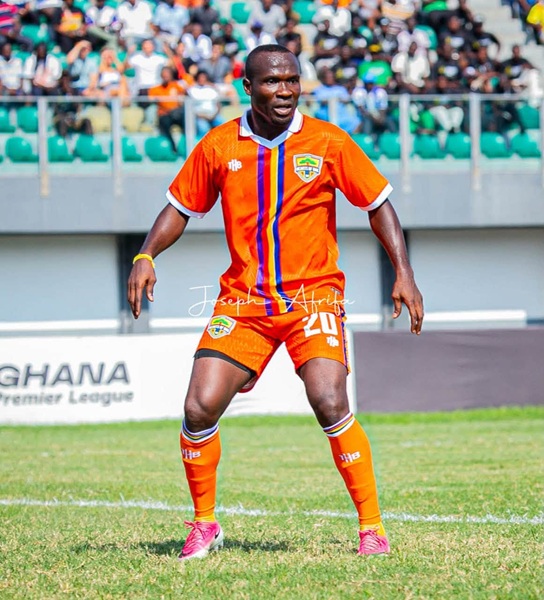
Accra Hearts of Oak and Dreams FC will headline Matchday 5 of the Ghana Premier League when the two sides meet at the University of Ghana Sports Stadium tomorrow, with both clubs seeking a result that could shape their early season campaign.
The encounter comes at a crucial moment for the two sides with the Phobians looking to recover from their first defeat of the campaign and Dreams still searching for their first victory after four matches.
The Rainbow lads started the season strongly but were beaten 1-0 by Karela United last weekend, while Dreams suffered a slim 1-0 defeat to Bechem United.
Hearts had earlier recorded impressive victories over Berekum Chelsea and Bibiani Gold Stars before drawing goalless with Bechem United, leaving the club with seven points from their opening four matches.
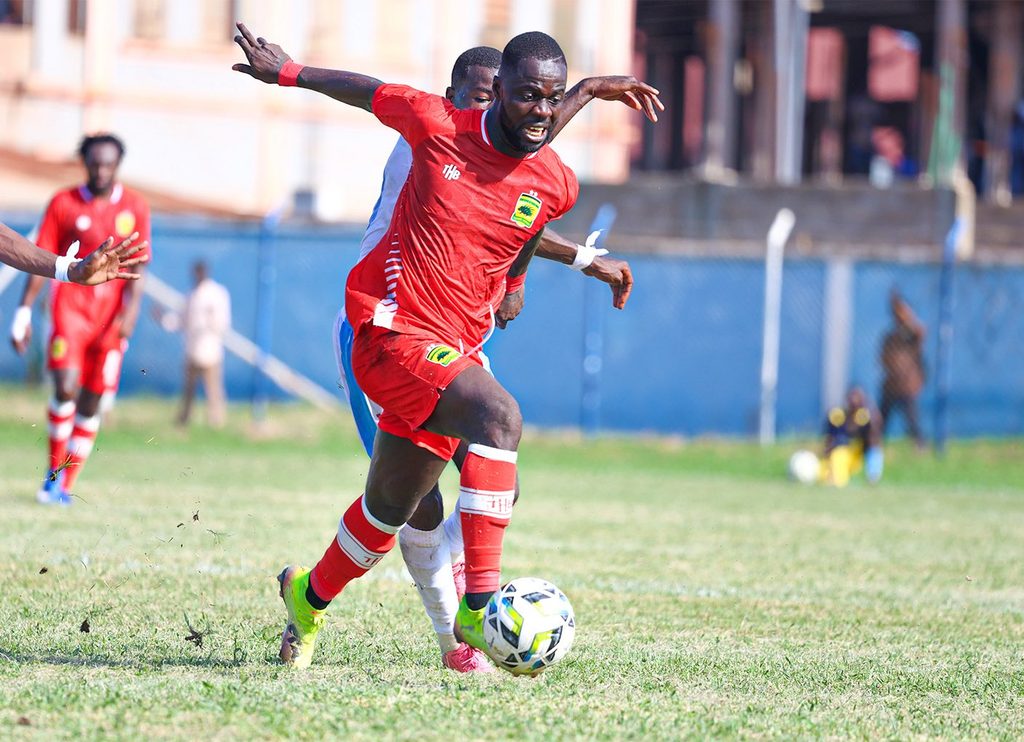
Their defeat at Karela United, however, means they will be under pressure to quickly return to winning ways against a Dreams side determined to make home advantage count.
Dreams, meanwhile, have endured a difficult beginning to the campaign and will see tomorrow’s fixture as an opportunity to change their fortunes.
The ‘Still Believe’ side have collected points from only their opening draws and are yet to register a victory, making the meeting with one of the country’s traditional giants an important test of their character.
Elsewhere, Vision FC will welcome Bibiani Gold Stars to the Nii Adjei Kraku II Sports Complex today, with both teams looking to strengthen their positions.
Vision have shown encouraging form in the early stages, while Gold Stars will be seeking a response after suffering a 2-0 home defeat to newcomers Port City FC.
At the Debibi Presby Park, newly promoted Debibi United will face defending champions Medeama SC tomorrow.
Medeama finally opened their account with a convincing 4-1 victory over Basake Holy Stars and will be hoping that the result marks the beginning of a stronger title defence.
Port City FC will continue their impressive debut campaign when they host Bechem United at the Daasebere Boamah Darko II Park.
Basake Holy Stars will attempt to recover from their heavy defeat to Medeama when they host Berekum Chelsea at the Ampain AAK II Sports Arena.
Aduana FC will welcome Swedru All Blacks to the Nana Agyemang Badu I Park after producing one of the weekend’s most notable results last Sunday.
At the Kpando Stadium, Heart of Lions will host FC AshantiGold ’04 in another meeting between sides coming off victories.
FC Samartex 1996 will meanwhile welcome Young Apostles FC to the Nsenkyire Sports Arena, with the home side seeking to maintain their unbeaten start to the campaign.
By Enoch Ntiamoah Siaw
SKIP THE QUEUE, TAP THE NEWS
You can now read the Ghanaian Times and The Spectator newspapers from the comfort of your device via TimesNewsPlus.
Join our WhatsApp Channel: https://whatsapp.com/channel/0029VbBElzjInlqHhl1aTU27
Tuesday, September 29, 2026 would go into the annals of Ghana football as one of the darkest days for the Black Stars.
In an AFCON 2027 qualifier against The Gambia, the Black Stars did not only break the hearts of the fans, but conceded a defeat that left followers with sleepless nights.
Coming from a Matchday 1 defeat to the Elephants of La Cote d’Ivoire in Bouake, the outcome of the second game against The Gambia was one that was non-negotiable.
It had the ability to spark a revival to contend for one of the slots for the next AFCON showpiece.
The Gambia is a formidable side but definitely, not one to have frustrated Ghanaians to watch in pain and awe the Black Stars lose a game from a winning position.
That is a possibility in the game of football but when the stakes are high in such cases, it becomes unacceptable to the fans.
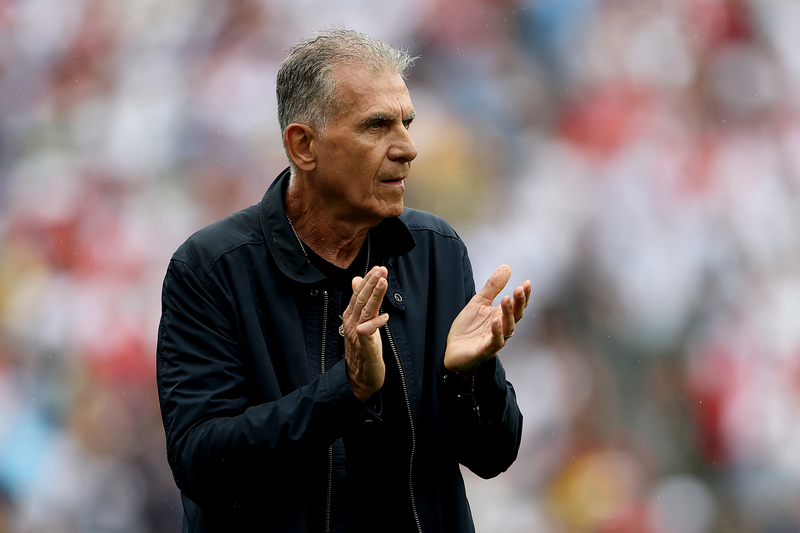
And grievously has Carlos Queiroz answered the massive call for his resignation.
At his post-match press conference, he made it clear that bowing out was the easiest decision but insisted that would not solve the myriad problems facing the Black Stars.
For the coach to be fired two days after that declaration raises a lot of concerns as he seem to be aware of existing problems the FA may even not know.
Unfortunately, coaches over the years have always been sacrificial lambs in situations of this nature but when he talks about particular problems affecting the team, his sack leaves much to be desired.
That aside, it is important to also take another look at the country’s pool of players, both local and foreign based.
Some of us have been advocates for forming the Black Stars around the ever-present local players who may lack the skill, finesse and flamboyance believed to give the foreign based players the edge over their local counterparts.
The locals, however, compensate that with their commitment and dedication.
Sadly, it appears this consistent call have fallen on deaf ears and no one wants to give any attention to that.
If the fear is that results would be poor, then that would be no excuse again following outcomes of the Stars in their last two games.
From what was witnessed in Bouake and Accra, one can confidently boast that there isn’t much difference between the foreign based players and the locals.
If there is any, it would probably be the treatment given to the two sets of players.
The call on the FA now is to give major consideration to the local players. Any coach that sees no good in the local players must have no business handling the national team.
That does not also shut the door on the ‘foreigners’. We witnessed how the early 90s teams were beautifully blended to have a formidable team.
It is time the FA goes back to the basics. With the locals, there can be more camps, leading to improved cohesion. Any foreign based player invited must settle into the team quickly and make a difference. That is the only way to rescue the Black Stars from its free fall.
By Andrew Nortey
SKIP THE QUEUE, TAP THE NEWS
You can now read the Ghanaian Times and The Spectator newspapers from the comfort of your device via TimesNewsPlus.
Join our WhatsApp Channel: https://whatsapp.com/channel/0029VbBElzjInlqHhl1aTU27