News
Coronavirus: Egypt doctors accuse government over medics’ deaths

- /home/u249204778/domains/spectator.com.gh/public_html/wp-content/plugins/mvp-social-buttons/mvp-social-buttons.php on line 27
https://spectator.com.gh/wp-content/uploads/2020/05/Egypt-Health-Minister-Hala-Zayed.jpg&description=Coronavirus: Egypt doctors accuse government over medics’ deaths', 'pinterestShare', 'width=750,height=350'); return false;" title="Pin This Post">
- Share
- Tweet /home/u249204778/domains/spectator.com.gh/public_html/wp-content/plugins/mvp-social-buttons/mvp-social-buttons.php on line 72
https://spectator.com.gh/wp-content/uploads/2020/05/Egypt-Health-Minister-Hala-Zayed.jpg&description=Coronavirus: Egypt doctors accuse government over medics’ deaths', 'pinterestShare', 'width=750,height=350'); return false;" title="Pin This Post">
Doctors have accused Egypt’s health ministry of negligence in its handling of COVID-19 and said it bears “full responsibility” for medics’ deaths.
A union said on Monday that 19 doctors had so far died from the disease and more than 350 others had been infected.
It blamed a lack of personal protective equipment and beds for sickened staff, and warned the system could “collapse”.
The health minister insisted sufficient protection had been offered and medics had received the “best possible care”.
Egypt, the most populous country in the Arab world, has so far reported 17,967 confirmed cases of COVID-19 and 783 associated deaths.
The doctors’ union said the deaths and infections among its members were the result of the health ministry “falling short” of doing its duty to protect them.
“The health ministry has an obligation towards doctors and all medics who are sacrificing their lives on the front lines to defend the safety of the homeland.
“It is imperative to provide them with the necessary protection and rapid medical intervention for those who contract the disease,” it added.
With the outbreak showing no sign of abating and quarantine hospitals running at capacity, the union warned that “the health system could completely collapse, leading to a catastrophe affecting the entire country if the health ministry’s negligence and lack of action towards medical staff is not rectified”.
In response, Health Minister Hala Zayed said that since the start of the outbreak, the ministry had “ensured the allocation of a floor in every quarantine hospital with a 20-bed capacity to treat those infected among medical staff”.
Staff were tested for the coronavirus upon entering and leaving hospitals, and there were “sufficient stocks” of personal protective equipment, she added.
Ms Zayed also stated that 11 doctors had so far died, rather than 19.
The union’s warning came two days after the death of a 31-year-old doctor, Walid Yehia, who was unable to get a bed at an quarantine hospital in Cairo.
“His colleagues and I were with him, appealing for help, but there was zero response,” his brother, Ashraf Zalouk, wrote on Facebook.
Social media users contrasted Dr Yehia’s treatment to that given to the actress Ragaa al-Gadawy.
The 81-year-old was tested quickly for the virus and admitted to a quarantine hospital in the city of Ismailiya based on the personal recommendation of the health minister, news websites quoted her daughter Amira Mokhtar as saying.
Ms Zayed has reportedly ordered an investigation into the death of Dr Yehia and promised to take “all legal measures in case of any shortcomings”.
-BBC
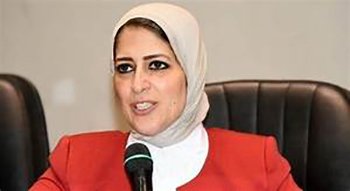
Egypt Health Minister, Hala Zayed


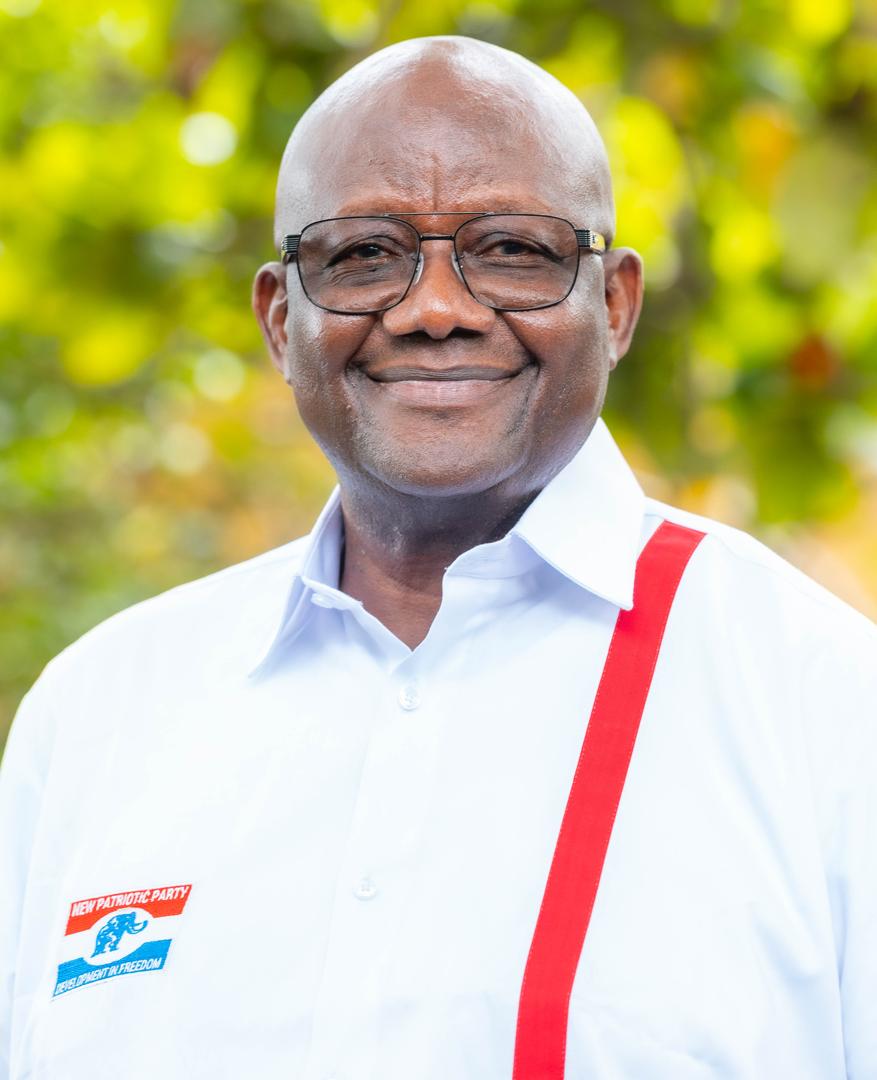
Private Legal Practitioner and New Patriotic Party (NPP) stalwart Charles Owusu Juanah says Awentami Paul Afoko has already started engaging members of opposing camps within the party as part of efforts to build a united front ahead of the 2028 elections.
Lawyer Juanah, who is the National Chairman of Friends of Bawumia, said some NPP members who have lost key positions have become disgruntled and now behave as though the party belongs to them.
He said this attitude has contributed to the divisions within the party and created the need for a leadership figure capable of bringing the various groups back together.
Juanah believes Afoko has the personality and relationships necessary to undertake that reconciliation.
He revealed that the former chairman has already started reaching out to people from opposing camps.
“He has even begun interacting with opposing camps in order to form a united front ahead of the 2028 elections,” Juanah said.
According to him, Afoko’s engagement with rival groups shows his focus is on building the party rather than deepening existing divisions.
Juanah said the former chairman understands that the NPP cannot successfully prepare for the next election while its members remain divided.
“He has foresight, the vision, and strategy to ensure there’s a united front,” he said.
Juanah added that Afoko had already begun talks with some members as part of the process.
He said these engagements demonstrate a willingness to listen to different sides and create a platform where members who have fallen out with one another can work together.
“He has even begun talks with some members,” Juanah said.
He argued that Afoko’s approach also shows his understanding of leadership.
According to Juanah, leadership in the current circumstances requires someone who can speak to different factions without treating political disagreements as permanent divisions.
He said Afoko’s charisma allows him to engage people who may not belong to the same camp.
Juanah therefore believes the former chairman can help bring back members who feel alienated from the party.
“If there’s anyone who can ensure all disgruntled members come together, then it’s no other than Paul Afoko,” he said.
For Juanah, the reconciliation effort is important because the NPP will need a united internal structure before it can effectively organise for the 2028 election. He said Afoko’s current engagement with rival camps is therefore consistent with the former chairman’s broader “Reunite, Rebuild, and Recapture” message.
By: Jacob Aggrey
Ghana is set to take centre stage in fashion, culture and the creative economy as the maiden Black Star Fashion Week (BSFW) takes off with a two-day national fashion experience designed to discover talent, convene the industry and showcase Ghanaian fashion on a global stage.
Put together by the Presidency-backed Black Star Experience Secretariat led by Rex Owusu Marfo, with support from the Ministry of Tourism, Culture and Creative Arts and its agencies such as the Ghana Tourism Authority (GTA) and Creative Arts Agency, it is structured across two connected experiences in Accra and Senchi.
The Black Star Fashion Week will move from inteligent industry dialogue and talent discovery to an exciting fashion celebration.
The first day will take place in Accra on November 4 and will centre on the Black Star Fashion Summit.
The Summit will bring together designers, fashion entrepreneurs, creatives, industry leaders, investors, buyers, manufacturers, policymakers, media and other stakeholders for a day of conversations, knowledge exchange, networking and talent development.
The Accra experience will feature keynote addresses, panel discussions, fireside conversations, masterclasses, industry presentations and practical workshops covering areas relevant to the growth of Ghana’s fashion industry, including entrepreneurship, branding, digital marketing, textile innovation, manufacturing, fashion finance, export readiness, e-commerce, artificial intelligence, sustainability and intellectual property.
A major component of Day One will be the 16-Region Designer Programme, bringing emerging fashion talent from across the country into one national platform.
Each participating designer will present a creative interpretation of their region, reflecting its identity, culture, heritage, materials, craftsmanship and contemporary design language.
The Accra programme will culminate in the selection of five designers. Out of the five, one will advance to the flagship fashion show at Senchi.
The second day will move to Royal Senchi on November 7, where the Black Star Fashion Show and experience will take place.
Beyond the runway, Senchi will host a Fashion Village, bringing together designer showcases, retail, textiles, artisan experiences, brand activations, beauty, technology, food and beverage, tourism and lifestyle experiences.
The event will also celebrate Ghana’s cultural diversity through music, dance, textiles, craft, food, storytelling, heritage and visual arts, demonstrating the deep connection between fashion and Ghana’s wider cultural ecosystem.
Honours will go out to outstanding contributors to Ghana’s fashion ecosystem, while networking and business engagements will connect designers and creative businesses with buyers, investors, manufacturers, retailers and other industry stakeholders.
Black Star Experience (BSE) is a Government of Ghana inititive for Culture, Arts, Tourism and Creative engagement.
As a national, year-round platform, the Black Star Experience brings together Ghana’s cultural, artistic, tourism and creative offerings to strengthen Ghana’s identity, promote the country as a preferred global destination and position Ghana as a leading cultural and creative capital of Africa.