Profile
Sitting at the ‘table of scholars’ …exceptional story of Dr. Mrs. Wilhelmina Annie Mensah


As efforts intensify to correct norms and stereotypes that inhibit girls’ participation in science, more tenacious women continue to prove their mettle in the sciences being considered the preserve of men.
Dr. Mrs. Wilhelmina Annie Mensah, is one of Ghana’s young female scientists, who have over the years stuck to her vision of “sitting at the table of scholars” despite setbacks.

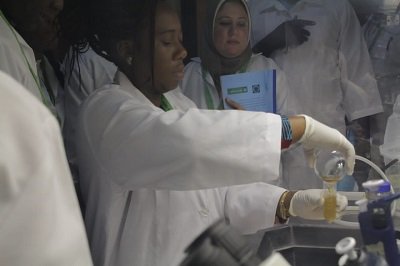

At 35, she has specialised in Nutrigenomics and Nutraceuticals/Bioceuticals (the science of using food as medicine as it relates to our genes/genome) and aims to make further inroads in her field of specialisation.
The Spectator recently interacted with the Researcher and Lecturer on aspects of her academic and professional journey as she encourages girls to pursue Science, Technology, Engineering and Mathematics (STEM) education to the highest level.
Having obtained her Doctor of Philosophy (PhD) in February this year, she describes the past six years of her life as “a great learning phase” and attributes her feat to providence, perseverance and the role of a “solid support system.”
Interest
Dr. Mensah recalled her interest in science was kindled at St. Andrew Junior High School at Asante Mampong in the Ashanti Region after she was selected to represent her district at a STEM clinic for girls as well as a candidate in the National Kiddie quiz competitions.
Young as she was, she had won an award for taking up a school project to transform shea butter into a deodorised and ‘user-friendly’ product with mentorship from Prof. Williams Ofosu, current Head of Department of Food Science and Technology, Kwame Nkrumah University of Science and Technology (KNUST), Kumasi-Ghana.
She said that her affection for the discipline, she grew further at St Louis Senior High School, where she studied General Science and featured in the National Maths and Science quiz competitions as a contestant.
After high school, she opted for Bachelor of Science (BSc) Biochemistry at KNUST which she loved to do because of the diverse areas the course could be applied.
“I loved Biology and Chemistry and came top in my class in high school on many occasions so I knew I had to do something relating to these subjects.
“My tutor [in high school] had explained what Biochemistry was all about and because I wanted to work in industry, I thought I needed a course that would help me get there,” she said.
Further studies
At KNUST, Dr. Mensah participated in several trade and technology exhibitions organised by her department and later became chair of the Organising Committee in her final year and was subsequently appointed a Teaching Assistant.
During her undergraduate studies, she again took up short Diploma Courses in Marketing and Customer Service to properly position herself for future endeavours.
Nonetheless, she admitted that the desire to pursue a Master of Philosophy (Mphil) in Clinical/Nutritional Biochemistry was nearly impossible, but for the financial intervention of Prof. Victoria Dzogberfia of the KNUST Biochemistry Department who absorbed her fees.
By dint of hard work, she was employed as a Research Assistant at KNUST and continued to develop her teaching skills before securing another teaching position at Yaa Asantewaa Senior High School, where she spent about four years teaching General Science and Biology.
In 2015, she gained employment as a lecturer at the Department of Medical Biochemistry at the University of Ghana School of Medicine and Dentistry where she had served for the past seven years. In the same year, Dr Mensah was offered a Fellowship by the West Africa Centre for Cell Biology of Infectious Pathogen (WACCBIP), Legon.
Reaching the peak of the educational ladder, she noted, came with financial hurdles, sacrifices and commitment as she had to juggle family duties with research and academic work.
All the same, she praised WACCBIP for funding her research and studies as well as a host of mentors who made her dream of becoming a scientist come true, especially, Dr. Jonathan Adjimani of WACCBIP and the Department of Biochemistry who stirred her interest in Nutraceuticals.
Research
Dr Mensah is interested in Nutrigenomics and Nutraceuticals (substances that are used as food but bring about improvement in the quality of life and health).
In her PhD research, she sought to find particles in food that could be used in the treatment of tuberculosis and discovered that a compound found in the spice known as ‘rosemary’ could prevent the growth of the organism which causes tuberculosis.
Soon to be certified as Lactation Consultant, she is again on another journey of discovery that could most likely impact the lives of women positively.
“Now, my focus is discovering particles in food that can be used to enhance lactation in females as well as heal diseases that are related to the breast,” she said.
Explaining the essence of healthy nutrition in the general wellbeing of humans, she emphasised her commitment to impacting students with her in-depth scientific expertise.
The mother of three advises women to set clear and achievable goals. “Until you get there, you have to keep pushing. If you do not have any goal, you may have the perseverance but it would be like you are reaching out for nothing,” she said.
She insists that girls must not give up on science-related programmes as their determination would eventually pay off. “Build networks and don’t burn bridges,” she stressed.
Other Engagement
Dr Mensah is an entrepreneur and Chief Executive Officer at Hearty Nutrition Africa, an entity that deals in lactation and breastfeeding products. She again runs ‘Kyemen Baby Online’, a fast growing online shop that deals in baby and mothercare products with a showroom at Adentan Frafraha with over 20 employees.
She is a member of Sasaabi Baptist Church where she runs a Good News Club for the children in the community. “There, I gather the children, feed them and then teach them to read the Bible,” she said.
She is married to Rev Amoako Kyei-Mensah to whom she is most grateful as well as other well-meaning individuals for “contributing significantly” to her educational journey.
By Ernest Nutsugah


IN the annals of Ghana’s sporting history, certain individuals stand out not merely for participating in sport, but for transforming it.
Rev. Emmanuel D. Niikoi is one such figures. Revered as the father of modern netball in Ghana, is widely credited with rescuing the game from near extinction and transforming it into a vibrant, structured and nationally recognised sports discipline.
His journey reflects vision, resilience and an unwavering commitment to youth and sports development.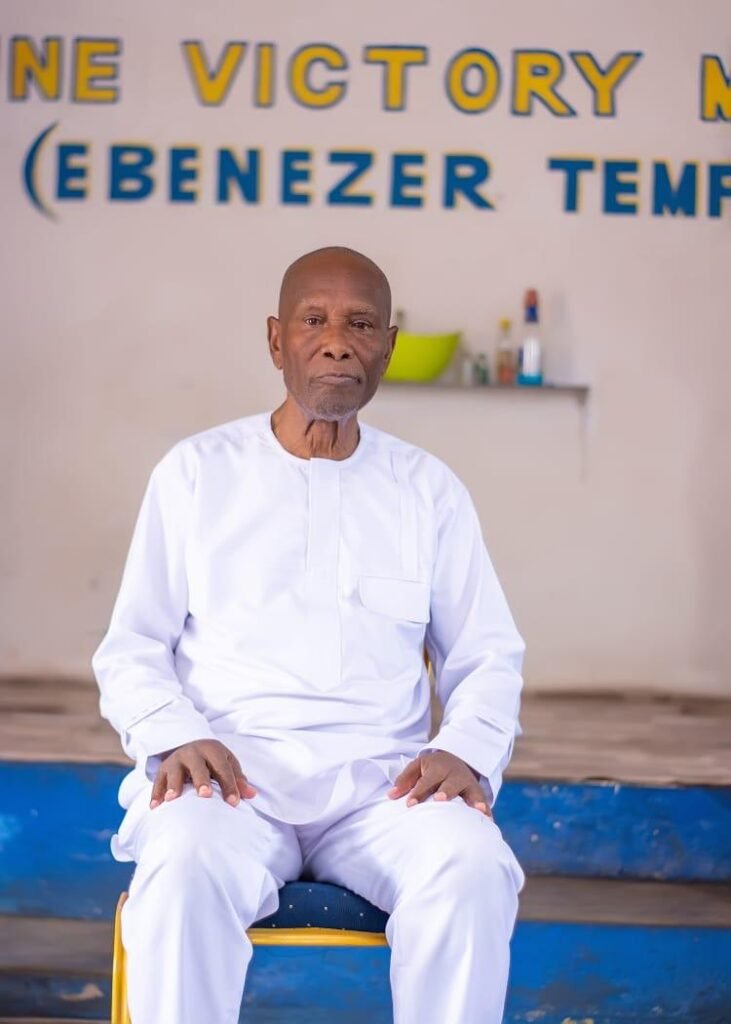
Netball was introduced to the then Gold Coast by Christian missionaries alongside formal education. By the 1960s and early 1970s, the sport had gained remarkable popularity in schools and colleges, ranking second only to football and, in some institutions, rivaling it in appeal.
However, during the 1974/75 academic year, the Ghana Education Service (GES) took a policy decision to step down netball in favour of basketball development. The decision dealt a severe blow to the sport.
Between 1975 and 1985, competitive netball virtually disappeared from Ghana’s sporting calendar.
That decision of the GES can be blamed for the current state of the sports that is producing heroines across the globe.
The revival of the game can be traced to 1985 during the Golden Jubilee celebration of the Ghana Broadcasting Corporation (GBC).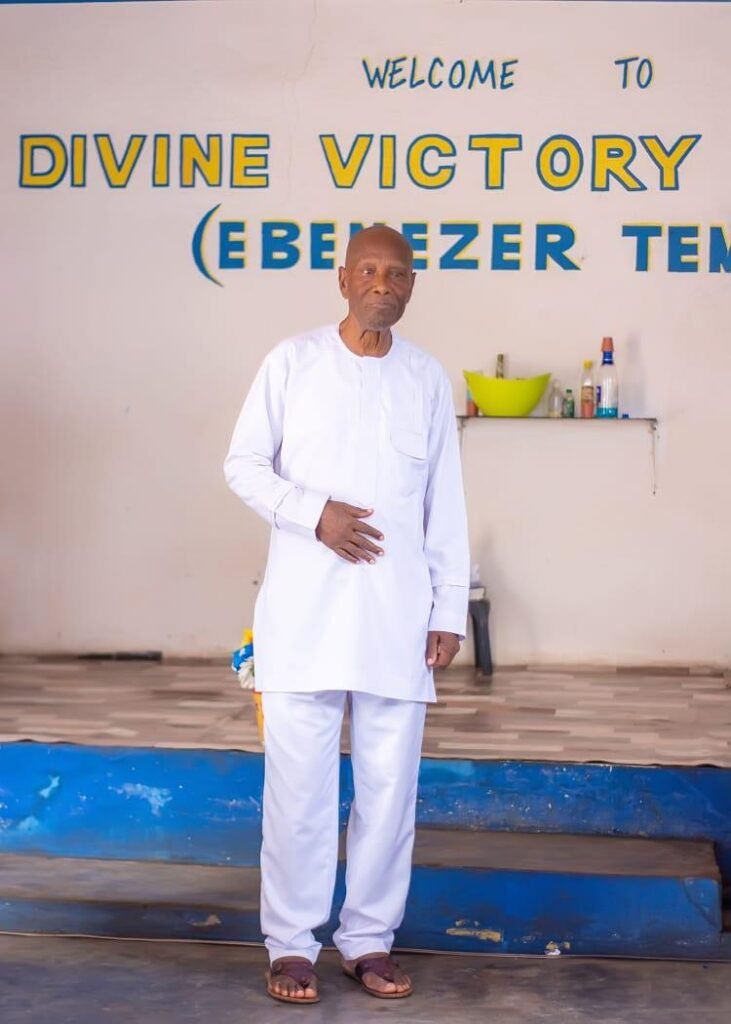
At the time, Rev. Niikoi was serving as Chief Editor (News) in the Radio Newsroom. Understanding both the historical importance and untapped potential of netball, he championed the inclusion of a netball tournament as part of the anniversary celebrations. The event reignited public interest and reminded many of the sport’s former glory.
Crucially, Rev. Niikoi did not allow the momentum to fade after the festivities. The GBC netball team formed for the tournament, aptly named “Golden Hands,” became the cornerstone of a national revival campaign.
With determination and personal sacrifice, he led tours across the country, using the team as a practical training platform.
He personally taught sports teachers under the GES the official rules of netball, reintroduced structured competition, and restored confidence in the sport’s viability.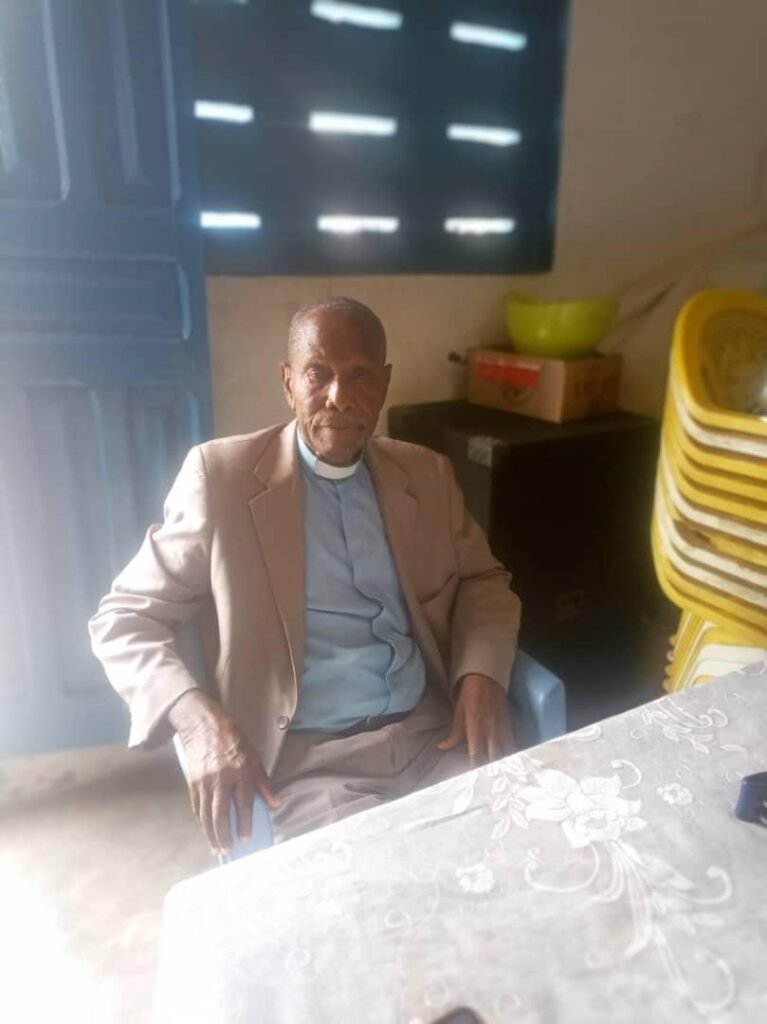
These efforts culminated with the formation of the Netball Association of Ghana in 1988, now known as the Netball Federation of Ghana.
In 1990, the association gained formal recognition from the National Sports Authorities, previously known as the National Sports Council (NSC), restoring netball’s status as an official sporting discipline.
This milestone marked the rebirth of organised netball in Ghana and cemented Rev. Niikoi’s place as founder of the national governing body.
Revival soon transitioned into consolidation. Over the years, Rev. Niikoi consistently lobbied educational and sports authorities to reintegrate netball into major school competitions.
His advocacy led to the sport’s reintroduction into the National Basic Schools Sports Festival, the Senior High and Technical Schools Sports Festival, the Colleges of Education games, and competitions under the Ghana University Sports Association (GUSA).
Today, netball is played across the entire educational structure in Ghana, from basic schools to public universities, a testament to his sustained and strategic efforts.
On the continental and global front, Ghana is a full member of World Netball and was a founding member of the Confederation of Africa Netball Associations (CANA), now Africa Netball.
In 2004, Ghana hosted the inaugural Africa Netball Cup of Nations in Accra and emerged champions after defeating Namibia in the final. The victory not only boosted Ghana’s sporting image but also validated years of groundwork.
In 2007, Rev. Niikoi was elected Director of Marketing and Media for CANA, serving a four-year term and contributing to the sport’s development across the continent.
In 2019, following governance reforms required by the International Olympic Committee to lift sanctions related to state interference in sports administration, national federations were mandated to adopt independent constitutions. Under this new framework, the Netball Federation of Ghana successfully drafted its constitution and conducted elections.
On June 19, 2019, Rev. Niikoi was elected the federation’s first President under the independent constitutional order which is symbolic and deserved recognition of decades of service.
Beyond netball administration, Rev. Niikoi also served two terms spanning eight years from March 2018 to March 2025 as an Executive Board Member of the Ghana Olympic Committee.
His presence on the board ensured that netball maintained visibility within Ghana’s broader Olympic movement.
A Bachelor of Arts graduate in Combined Honours (History and Law), Rev. Emmanuel D. Niikoi has trained numerous coaches and umpires nationwide, strengthening the sport’s technical foundation and ensuring sustainability.
His leadership style combines administrative discipline with grassroots engagement, making him both a strategist and a mentor.
From dormancy to dynamism, the resurgence of netball in Ghana bears his unmistakable imprint. Through advocacy, institution-building and capacity development, Rev. Niikoi has secured a lasting legacy.
Today, every netball match played in Ghana, whether at a basic school court or a university festival stands as living testimony to his vision and perseverance.
By Esinam Jemima Kuatsinu
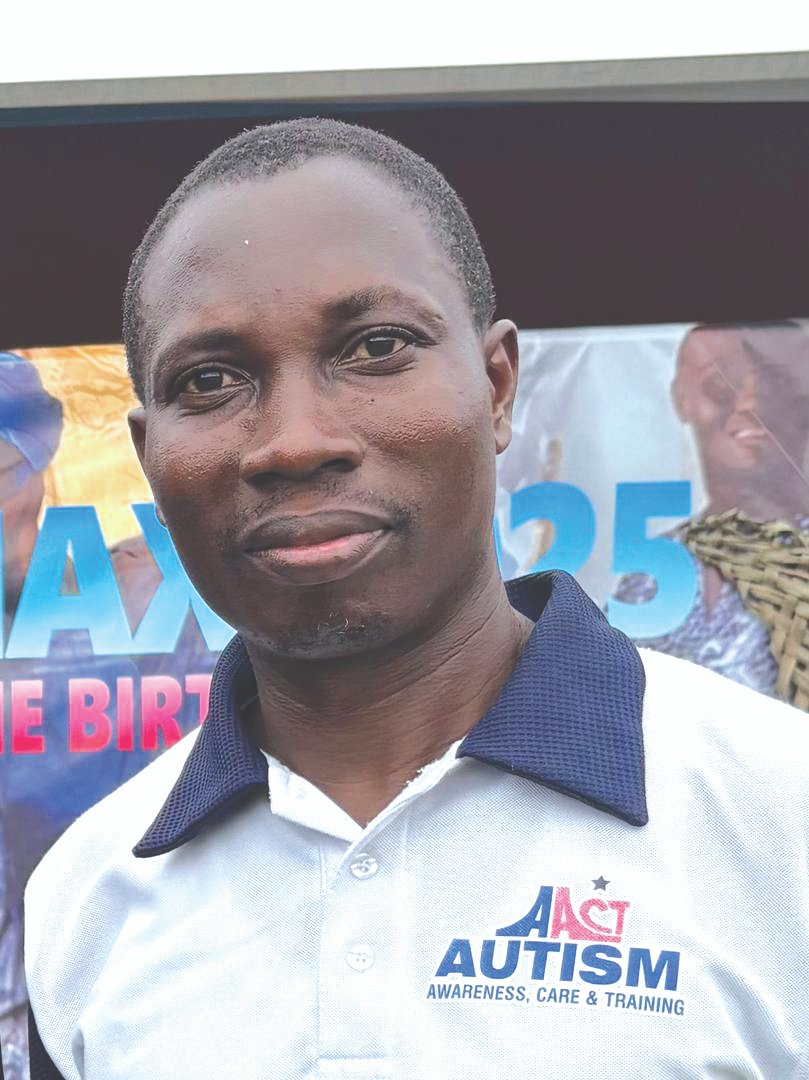
AUTISM Awareness Care and Training (AACT) is Ghana’s first autism-focused centre, playing a pioneering role in the care, education, and advocacy for children on the autism spectrum and their families.
Established in 1998, AACT began as a parent-support and training initiative at a time when autism was poorly understood in Ghana. Many families raising autistic children faced stigma, isolation, and limited access to information or professional assistance.
Over the years, the organisation has evolved into a full-fledged autism care and training centre, responding to the growing demand for specialised services and sustained nationwide awareness.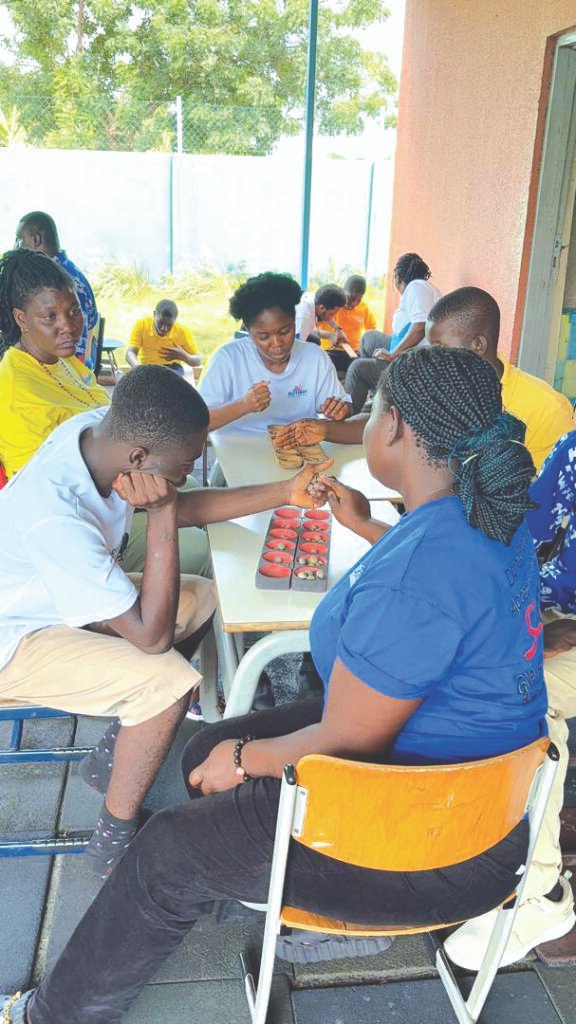
AACT is currently located in Haatso, Accra, where it operates a structured day programme serving about 25 learners daily. The centre provides a safe, inclusive, and supportive environment where children with autism are guided to develop essential life, social, and functional skills.
Programmes at the centre focus on independent living skills, vocational and pre-vocational training, functional academic skills, and therapeutic interventions. These activities are tailored to the individual needs of each learner, recognising that children on the autism spectrum learn and develop at different paces.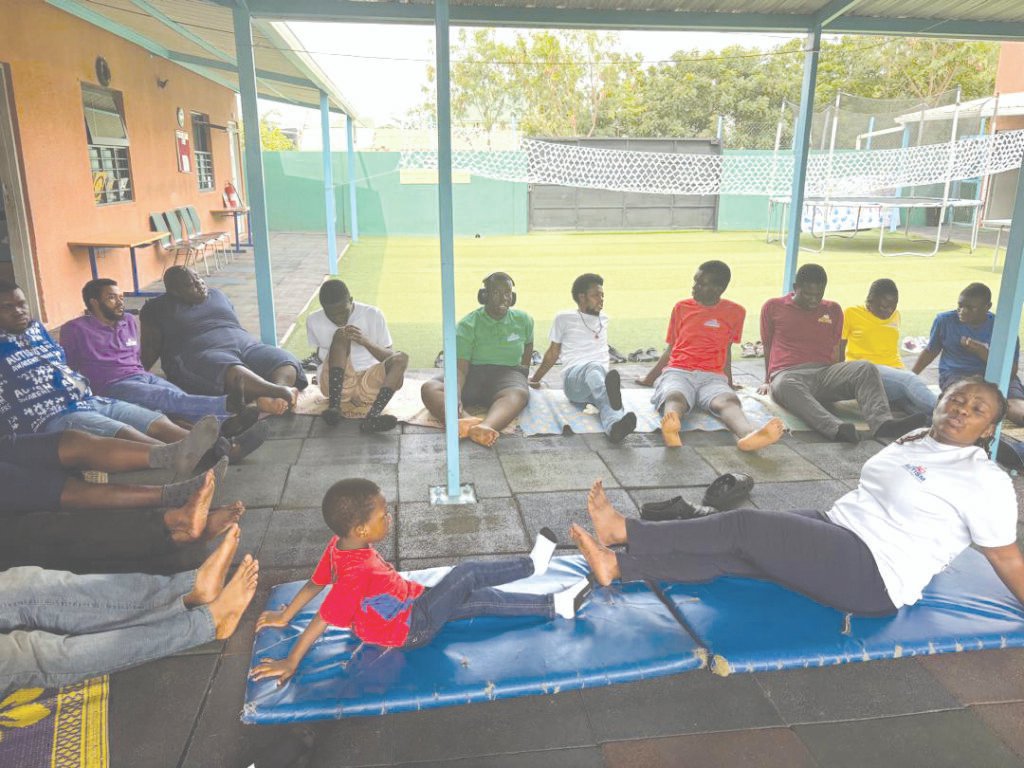
According to Abeiku Grant, Head of Programmes at AACT, the centre’s philosophy is centred on ability rather than limitation.
“Every autistic child is different,” he said. “Our work is to support them at their own pace and help them discover what they can do, not to focus on what they cannot do.”
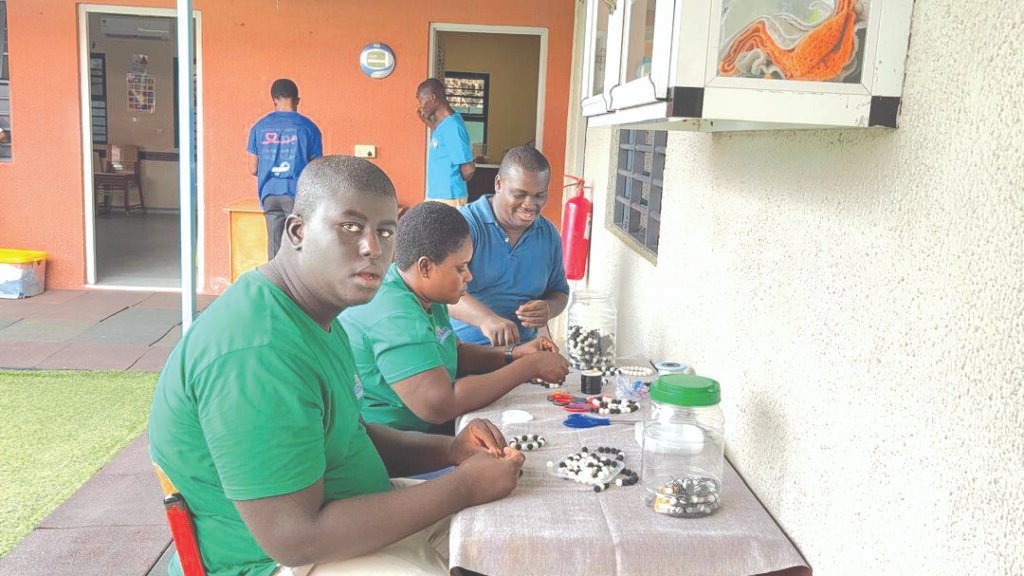
Beyond centre-based services, AACT places strong emphasis on autism awareness and advocacy, particularly within schools and communities. Many children with autism in Ghana continue to face rejection and exclusion due to stigma, misinformation, and the lack of trained personnel in educational institutions.
In 2025, AACT reached over 20 schools across the country, providing autism education to teachers, students, and school administrators.
The organisation also runs free teacher training programmes, equipping educators with practical knowledge and basic tools to support autistic learners in inclusive classroom settings.
“Many schools tell us they are not resourced or trained to handle autistic learners,” Mr Grant explained. “Instead of waiting for change, we decided to go to them and train teachers for free.”
AACT also engages learners directly, addressing widespread misconceptions about autism, including the false belief that autism is contagious or caused by bad parenting. These outreach programmes aim to build empathy among students and promote peer support for autistic learners in mainstream schools.
Another major challenge confronting families is limited access to autism services, especially outside Accra. With most autism centres concentrated in the capital, many families from other regions are forced to travel long distances or keep their children at home due to cost, stigma, or lack of support.
“Education is not meant only for typical children,” Mr Grant stressed. “Children with autism also have the right to education and care. No child should be hidden because of lack of understanding or opportunity.”
As part of its outreach work, AACT supports parents to overcome stigma and encourages social interaction for children with autism, believing that community engagement is essential for development and confidence building.
In December 2025, the centre received what it described as its largest donation of the year, raised by children from the Unmasked Mentoring initiative. According to the organisation, the donation was particularly significant as it demonstrated empathy and social responsibility among young people.
As a non-governmental, non-profit organisation, AACT depends largely on donations, partnerships, and goodwill to sustain and expand its work. Current needs include a minibus for community-based social activities, expansion of its facility to accommodate more learners, sponsorship support for children from financially challenged families, and funding to scale autism awareness programmes nationwide.
Looking ahead, AACT envisions a Ghanaian society that is inclusive, informed, and supportive of persons with autism.
“Our goal is a Ghana where children with autism are accepted and supported,” Mr Grant said. “Every child has potential. All they need is understanding, opportunity, and care.”
By Esinam Jemima Kuatsinu
Join our WhatsApp Channel now!
https://whatsapp.com/channel/0029VbBElzjInlqHhl1aTU27