News
West Africa’s healthcare investment momentum builds as WHX returns to Nigeria

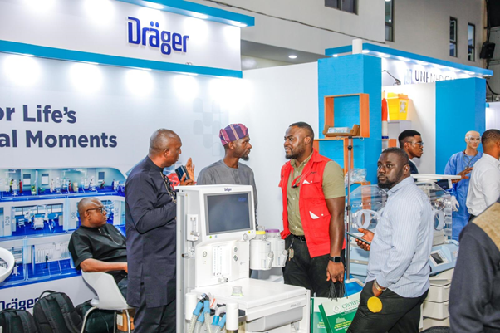
Nigeria’s healthcare sector is undergoing rapid transformation, with forecasts predicting a 7.1% expansion and an anticipated market value of US$161.7 million by 2027.
This growth is fuelled by a US$1.2 billion Federal Ministry investment in infrastructure and workforce, major oncology and diagnostic expansions by the Nigeria Sovereign Investment Authority, and increased imports under the African Continental Free Trade Area (AfCFTA).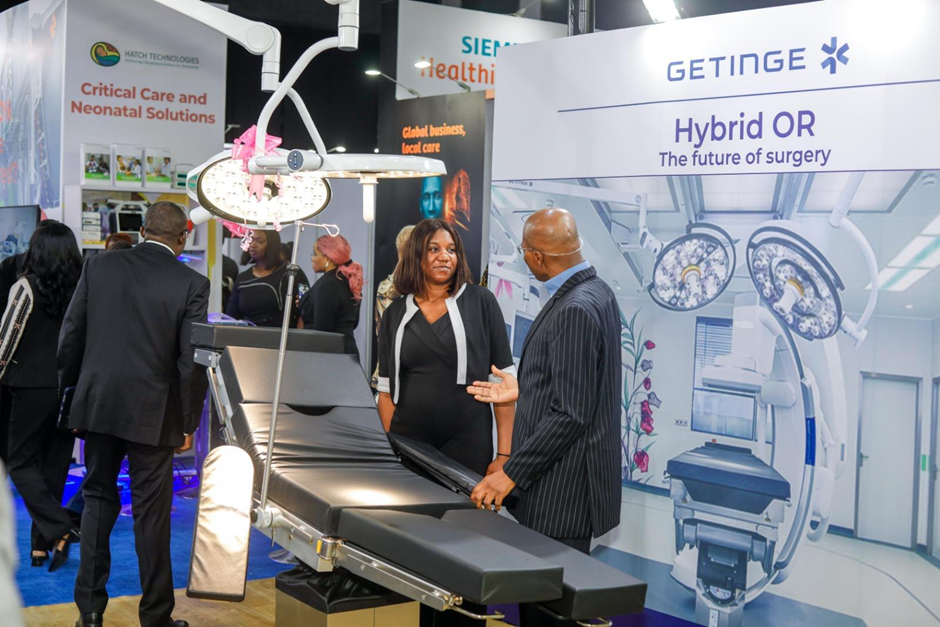
Despite progress, 70% of patients continue to pay out-of-pocket, underscoring substantial opportunities for private sector innovation and investment.
Statista data shows Nigeria leads West Africa’s medical device sector, with the market projected to surge from US$414.8 million in 2025 to US$632.48 million by 2030 (8.56% CAGR). High-growth peers Ivory Coast (9.24% CAGR), Cameroon (9.3% CAGR), Senegal (8.21% CAGR), and Ghana (6.6% CAGR) are also experiencing hospital modernisation, digital diagnostics expansion, and progress toward universal health coverage.
Nigeria is building more accessible, affordable, and high-quality healthcare systems through strategic investment, technology, regulatory reform, and an emphasis on preventive care.
However, It is important to recognise that Nigeria’s large and youthful population, projected by the Organisation for Economic Co‑operation and Development to reach 250 million by 2025, has widened gaps in both primary and specialist care.
At the same time, the government’s encouragement of investment has opened opportunities for growth at every level of healthcare service provision.
For healthcare professionals and business leaders, World Health Expo (WHX) in Lagos is West Africa’s premier B2B platform for turning market potential into partnerships and impact. Returning to the Landmark Centre from 2 – 4 June 2026, WHX unites more than 500 exhibitors, over 8,000 professional visitors from more than 40 countries and 30 speakers to discover new insights and explore emerging trends, network with top healthcare innovators, source new business opportunities and accelerate professional growth.
“As partners with WHX, we are excited to drive market access dialogue that aligns with national health goals and promotes regional trade,” notes Njide Ndili, President, Healthcare Federation of Nigeria.
“Leadership lies at the heart of healthcare transformation. The shift from care to capability is key to the long-term success of healthcare institutions, with leadership development at its core. But to truly transform healthcare in Nigeria and across Africa, these efforts need to be scaled and replicated across all levels of the system and WHX is designed to make that possible by connecting stakeholders, surfacing best‑practice models, and supporting the practical deployment of proven solutions.”
This year’s three-day agenda positions WHX as a dynamic trade-focused platform with concise, partner-led Leadership Forums.
The Healthcare Market Access & Policy Leadership Forum on 2 June, in partnership with the Healthcare Federation of Nigeria, spotlights market access and policy leadership through keynotes, panels, and Q&A sessions on regulatory harmonisation and AfCFTA opportunities under the theme “Enabling Market-Ready Health Systems:
The Role of Diagnostics, Digital Infrastructure, and Human Capital”. The Hospital Investment & Buyer Leadership Forum, held in collaboration with ABCHealth on 3 June, highlights investment and strategic partnerships for hospitals and buyers, covering financing and procurement. Meanwhile, the Heads of Laboratory Forum on 4 June, held in partnership with the Medical Laboratory Science Council of Nigeria, serves as a dedicated platform for lab leaders and decision-makers to address key priorities in advancing diagnostics across West African region.
“WHX is more than dialogue: it is where policy ambition becomes impactful collaboration, accelerating West Africa’s emergence as a healthcare leader under the African Continental Free Trade Area,” said Tom Coleman, Portfolio Director – Healthcare, Informa Markets.
“With Nigeria’s young population approaching 250 million and dynamic neighbouring markets like Ghana, WHX stands at the epicentre for investors and visionaries to drive transformative growth in infrastructure, technology, and healthcare services in West Africa.”
This landmark event brings together top exhibitors showcasing cutting-edge medical solutions, alongside world-renowned speakers who share insights that matter, creating opportunities for market expansion and strategic partnerships.
Sectors represented at the exhibition include medical devices and equipment, disposables and consumer goods, orthopaedics & physiotherapy, imaging & diagnostics, healthcare & general services, healthcare infrastructure, wellness & prevention, laboratory as well as IT & solutions.
New features at WHX include an integrated Lab Zone, showcasing diagnostics, equipment, and consumables with live demonstrations, a networking lounge for business connections, as well as hands-on workshops, expert insights and buyer matchmaking to drive commercial outcomes.
The WHX portfolio includes three key healthcare events in Africa, held in Johannesburg, Nairobi, and Lagos. These events form a unified platform that connects global brands with regional distributors.
Healthcare professionals, suppliers, and investors are encouraged to register to attend WHX in Lagos, apply to exhibit, and explore its rich learning and networking opportunities as part of Africa’s healthcare future.

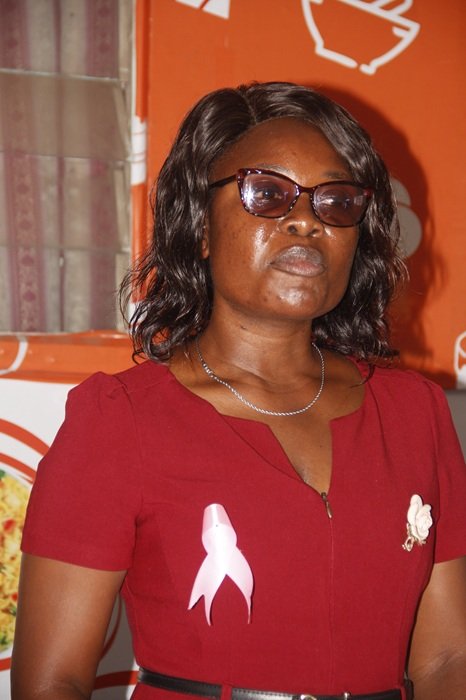
Medical Doctor and dietician, Dr Bernice Korkor Asare, has urged women to take greater responsibility for their lifestyle choices, particularly their eating habits and levels of physical activity, to help reduce their risk of developing breast cancer.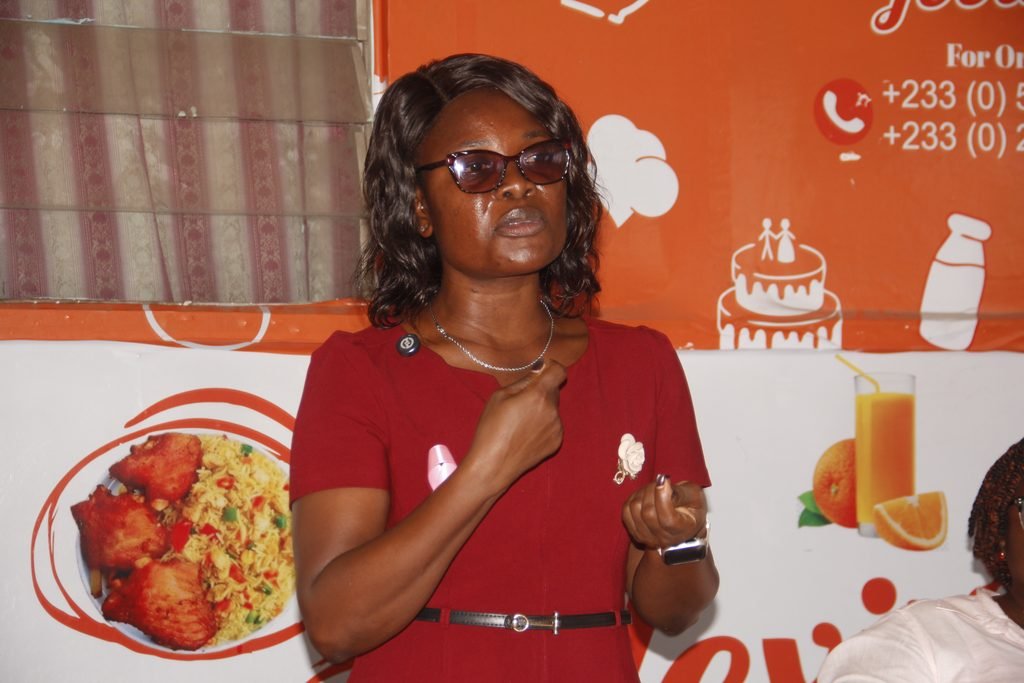
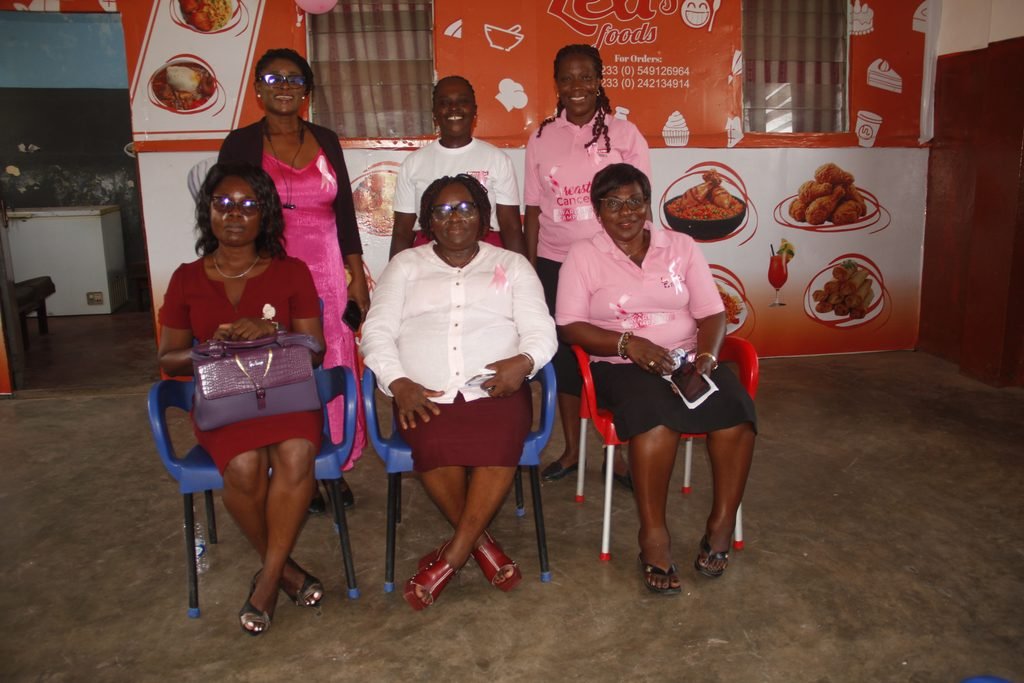
According to her, although, some breast cancer risk factors, such as family history and certain reproductive factors, may not be within an individual’s control, lifestyle choices offer an opportunity for people to take preventive action.
She made this known during a talk on the topic: “Role of diet in breast cancer prevention” organised by Times Ladies Association of the New Times Corporation, publishers of The Ghanaian Times and The Spectator, in Accra on Thursday.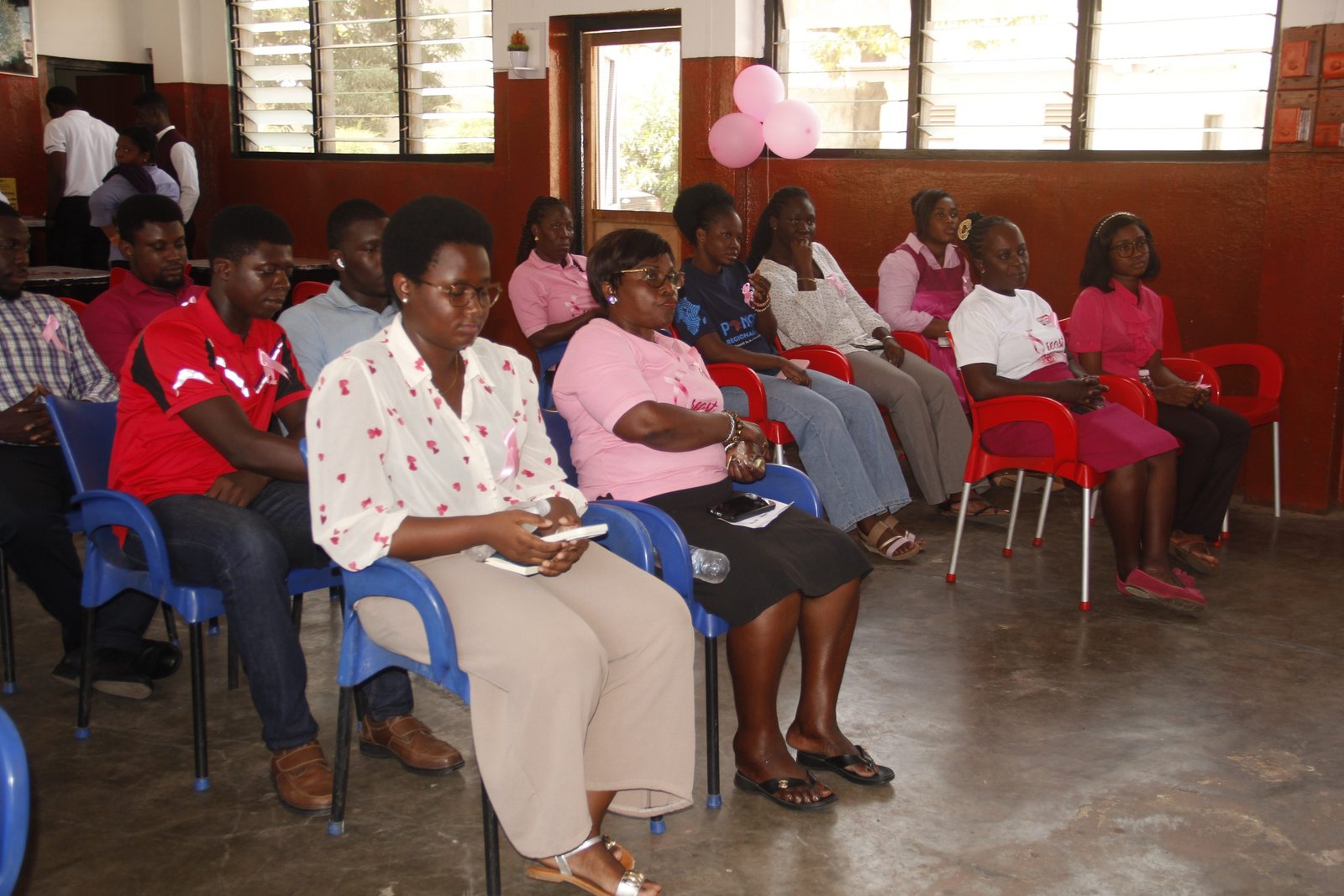
The event themed “Breast Cancer Awareness- Promoting Early Detection, Healthy Eating and Prevention.” 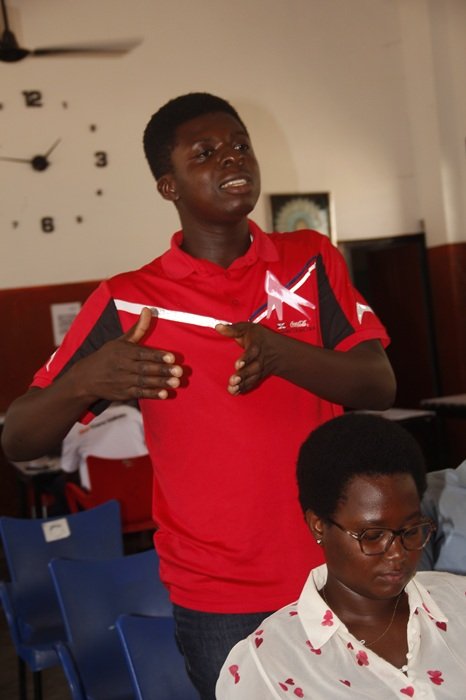
She noted that having a risk factor did not automatically mean a person would develop breast cancer, but could increase the likelihood of developing the disease compared with someone without that particular risk factor.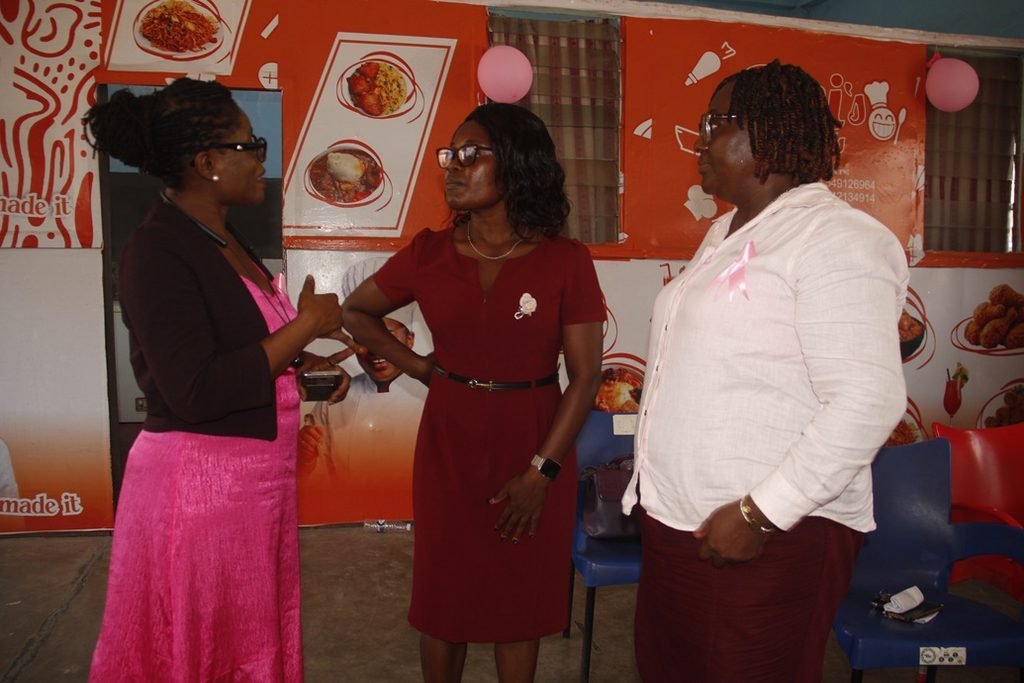
“Having close relatives who have had breast cancer, particularly a mother, sister or daughter, may increase the risk, although not everyone with a family history will develop the disease,” Dr Asare opined. Read More.
By Adizatu K. Munkaila
SKIP THE QUEUE, TAP THE NEWS
Read Daily News
You can now read the Ghanaian Times and The Spectator newspapers from the comfort of your device via TimesNewsPlus.
Buy Maps
Join our WhatsApp Channel: https://whatsapp.com/channel/0029VbBElzjInlqHhl1aTU27
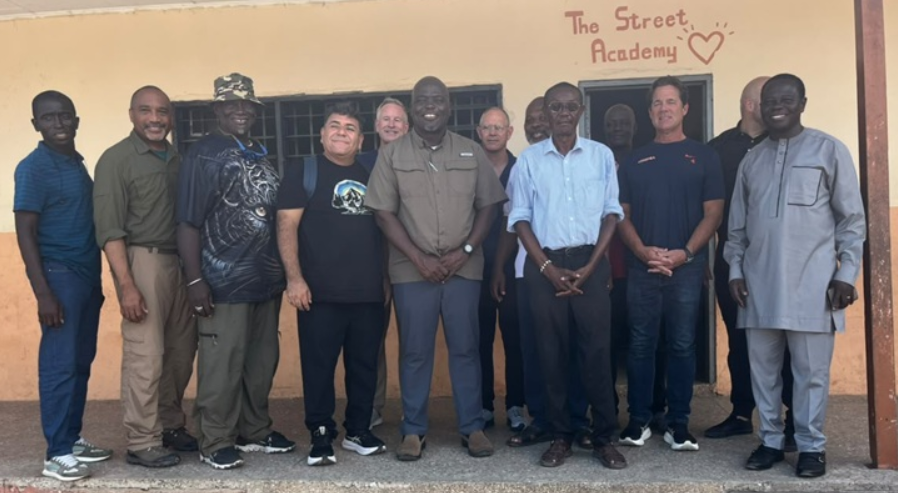
A group of compassionate friends from Innovation Gospel Impact last Friday visited the management, teachers and learners of the Street Academy in Accra.
The visit was to interact to get a deeper insight into the operations of the Academy that houses hundreds of street and underprivileged children and find ways to support them.
The team was led by Rev. Dr Isaac Apenteng Yeboah, a former Director for West African Mailbox Club and Director for Prisons Support Foundation, and Rev. Dale Sutherland from Washington DC.
The call, according to the visitors was occasioned by reports about the struggles of the Academy despite the occasional support it enjoys from individuals and some corporate entities.
Briefing them, the Founder and Executive Director of the Academy, Dr Ataa Lartey, thanked them for the concern showed, indicating that “this is a major boost for both teachers and learners; knowing that their plight is known by people outside their premises.”
According Dr Lartey, the Academy had planned to undertake a number of project to enhance teaching and learning and also procure facilities for the children with keen interest in sports but had to shelve those plans for lack of finance.
He told the team that their biggest concerns were the monthly utility bills that takes a toll on their finances.
“We have a piece of land we planned to turn into an astro turf pitch to train the younger ones whose interests lies in making a career out of football, however, we have been unable to commence because there is no money now,” he said.
Dr Lartey expressed gratitude to the teachers who have dedicated their lives to training these children, rather than going for well-paying jobs and hoped that with time, their conditions of engagement would improve.
Moved by the plight of the Academy, the group donated a cash amount of Gh₵3,000 to settle its water bills.
They described as unfortunate the conditions of learners and teachers of the Academy and pledged to continuously support their operations to realize the dream to build a better future for the unfortunate children.
The group offered to support the school with its monthly utility bills, feeding and staff allowance and urged the Academy staff to remain in constant touch with them.
The Street Academy is located at the Accra Art Center and offers brilliant but needy the chance to pursue their educational dreams by enrolling them in public schools with others offered training in sports and cultural activities.
By Spectator Reporter
SKIP THE QUEUE, TAP THE NEWS
You can now read the Ghanaian Times and The Spectator newspapers from the comfort of your device via TimesNewsPlus.
Join our WhatsApp Channel: https://whatsapp.com/channel/0029VbBElzjInlqHhl1aTU27