News
Tradition meets academia: Nuumo Akwaa Mensah III, Nae Wulomo of the Ga State

- /home/u249204778/domains/spectator.com.gh/public_html/wp-content/plugins/mvp-social-buttons/mvp-social-buttons.php on line 27
https://spectator.com.gh/wp-content/uploads/2025/08/Nae-Wulomo-600x600.jpg&description=Tradition meets academia: Nuumo Akwaa Mensah III, Nae Wulomo of the Ga State', 'pinterestShare', 'width=750,height=350'); return false;" title="Pin This Post">
- Share
- Tweet /home/u249204778/domains/spectator.com.gh/public_html/wp-content/plugins/mvp-social-buttons/mvp-social-buttons.php on line 72
https://spectator.com.gh/wp-content/uploads/2025/08/Nae-Wulomo-600x600.jpg&description=Tradition meets academia: Nuumo Akwaa Mensah III, Nae Wulomo of the Ga State', 'pinterestShare', 'width=750,height=350'); return false;" title="Pin This Post">
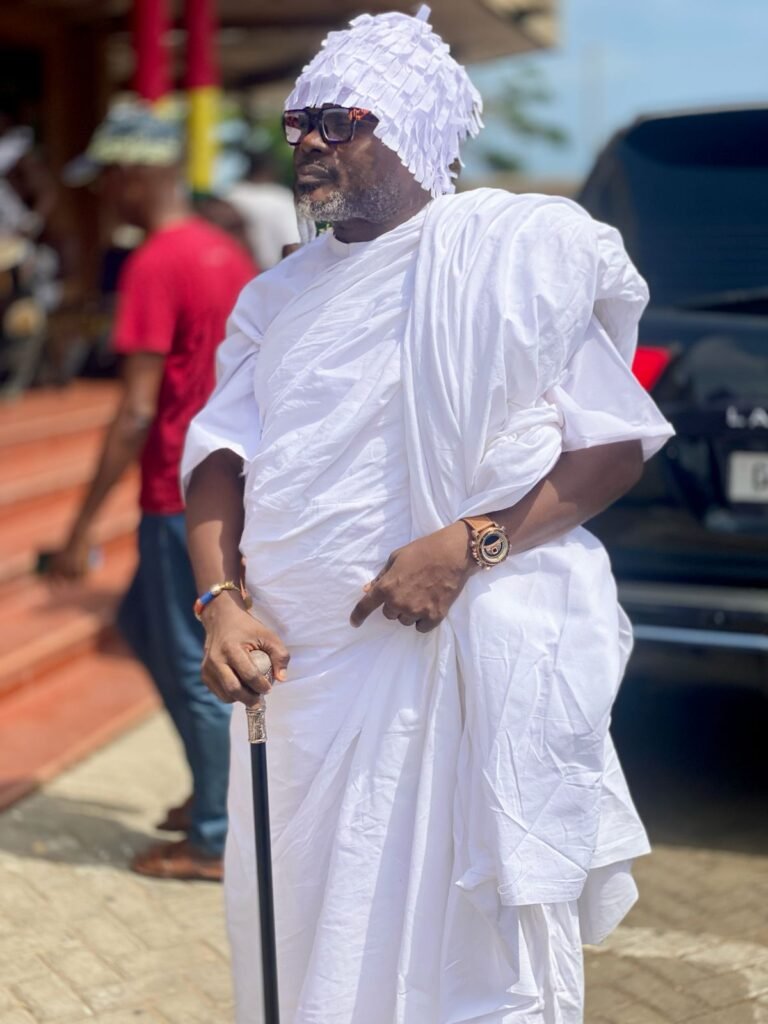
In a quiet but profound revolution at the intersection of culture and modernity, Nuumo Akwaa Mensah III, the Nae Wulomo (Highest Chief Priest of the Ga State), is rewriting what it means to be a traditional leader in the 21st century.
Blending his spiritual calling with academic pursuit, the young priest stands today as both a custodian of ancient Ga customs and an advocate for intellectual growth and social progress.
His path to priesthood was not one of ambition but divine selection. In 2012, while studying sociology and psychology at De Montfort University in Denmark, he was called to occupy the vacant Nae Wulomo stool-an office that had remained empty since the death of his predecessor in 2006.
Chosen by the gods, not man, he became the youngest ever to take up this sacred mantle.
“I didn’t rush. I gave myself 10 years to understand the life I had been called into,” he said, explaining how he paused formal schooling to learn how to balance spiritual duty, education, family, and leadership. “I had to create my own strategy.”
That strategy led him not only to fulfill his duties as Nae Wulomo but to modernise aspects of Ga traditional systems.
He established a Traditional Arbitration Court in Accra, which handles spiritual and cultural disputes, and he envisioned transforming it into a structure recognised by the judicial system.
This ambition led him to pursue further training in Alternative Dispute Resolution (ADR), including mediation, court-connected arbitration, and legal processes.
“I needed to make our practices globally accepted without losing their sacred value,” he said.
Under the guidance of esteemed legal minds—Supreme Court Justices, retired judges, and legal scholars-he deepened his understanding of law and conflict resolution.
As a student, he remained humble, showing respect in academic circles, even standing for his lecturers during class. But when he returns to the spiritual domain, he is revered.
“When I’m in school, I stand for them. When I’m in my traditional role, they stand for me. It’s mutual respect,” he said, smiling.
As Nae Wulomo, Nuumo Akwaa Mensah III serves as the spiritual father of the Ga people. His responsibilities include leading sacred rituals, overseeing public prayers, settling land and chieftaincy disputes, and safeguarding the customs passed down through generations.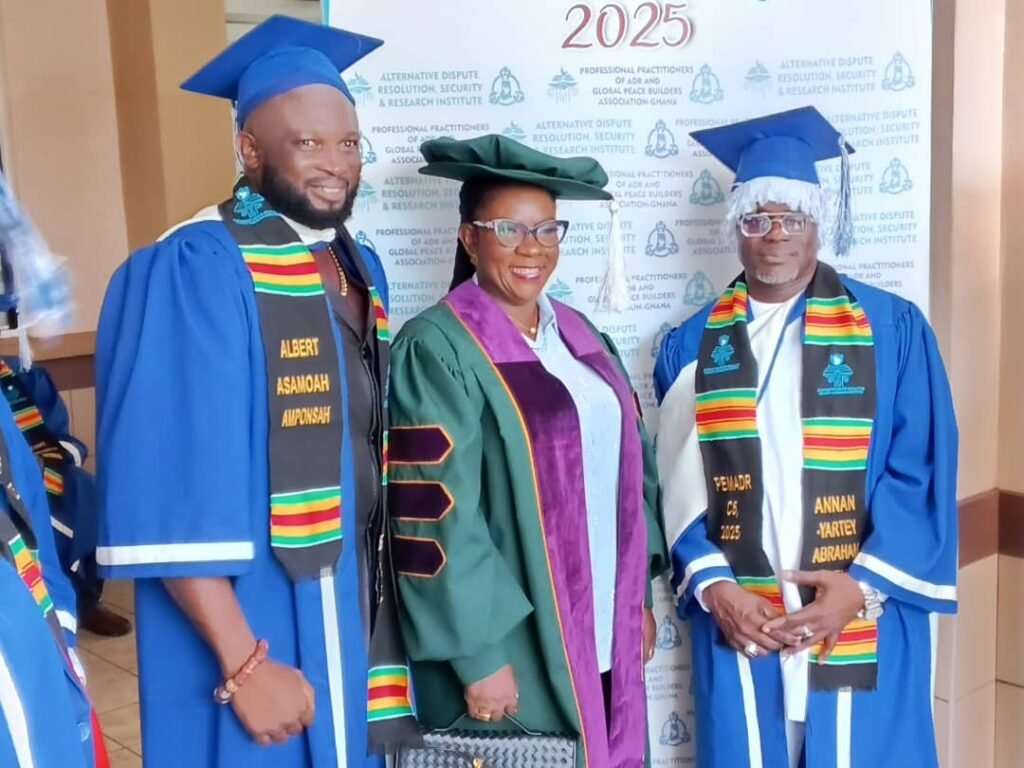
His authority, however, goes beyond rituals-it reaches into the core of Ga identity. Yet his biggest challenge, he admits, is public perception.
“People judge by appearance. When they see the white cloth, the staff, the bare feet, they assume primitiveness,” he says. “But our tradition is profound. The same things Christians use—water, oil, prayer, the rod—we also use. The difference is in the expression, not the spirit.”
He is vocal about the displacement of indigenous beliefs by imported religions. “Christianity came to meet our customs. But we have allowed it to dominate and diminish us,” he says. “Tradition is not anti-modernity. In fact, it is our original religion.”
He draws historical parallels, pointing out how Africans lived in harmony with nature, practised sacred taboos, and delivered babies with herbs and prayer—long before hospitals and churches arrived.
“Our ancestors lived over 100 years. Women gave birth at home and survived. Now, with modern systems, maternal deaths are higher,” he laments. “That should make us think.”
Despite societal bias, his shrine has become a space of learning. Scholars from across the country and beyond-including students of African Studies and Religious Studies-regularly visit him for insight.
“I have had students come from University of Development Studied (UDS), University of Ghana Legon, University of Education Winneba,” he notes. “They leave with a new understanding. Some say they felt something shift in them.”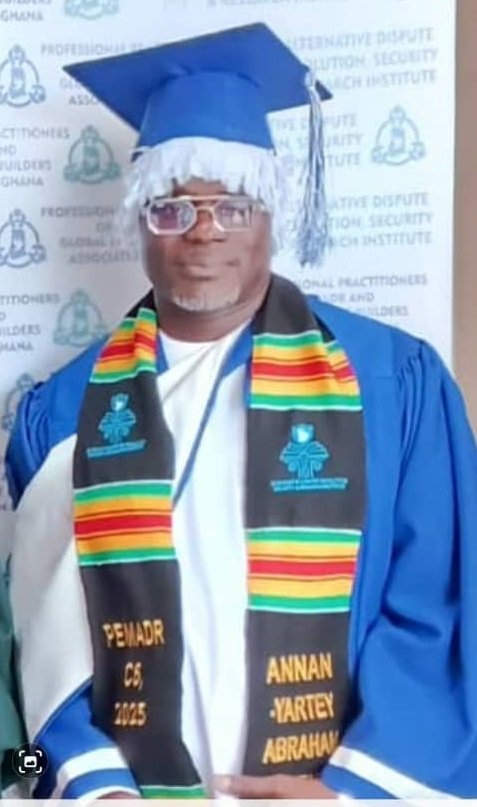
He hopes one day to lecture formally, especially in African Traditional Religion. “It would be a privilege,” he said. “A platform to demystify, to teach the true essence of who we are.”
Nuumo Akwaa Mensah III’s achievements speak for themselves: the modernisation of his arbitration court, the spiritual guidance provided to hundreds, the opening of his shrine to researchers, and his advocacy for restoring pride in African spirituality.
Perhaps most importantly, he has challenged the idea that to be modern, one must abandon tradition. Instead, he has shown that the two can coexist—and even strengthen each other.
“Our tradition is not behind. It is misunderstood,” he insists. “We must stop fearing who we are. Our customs carry wisdom, order, and power.”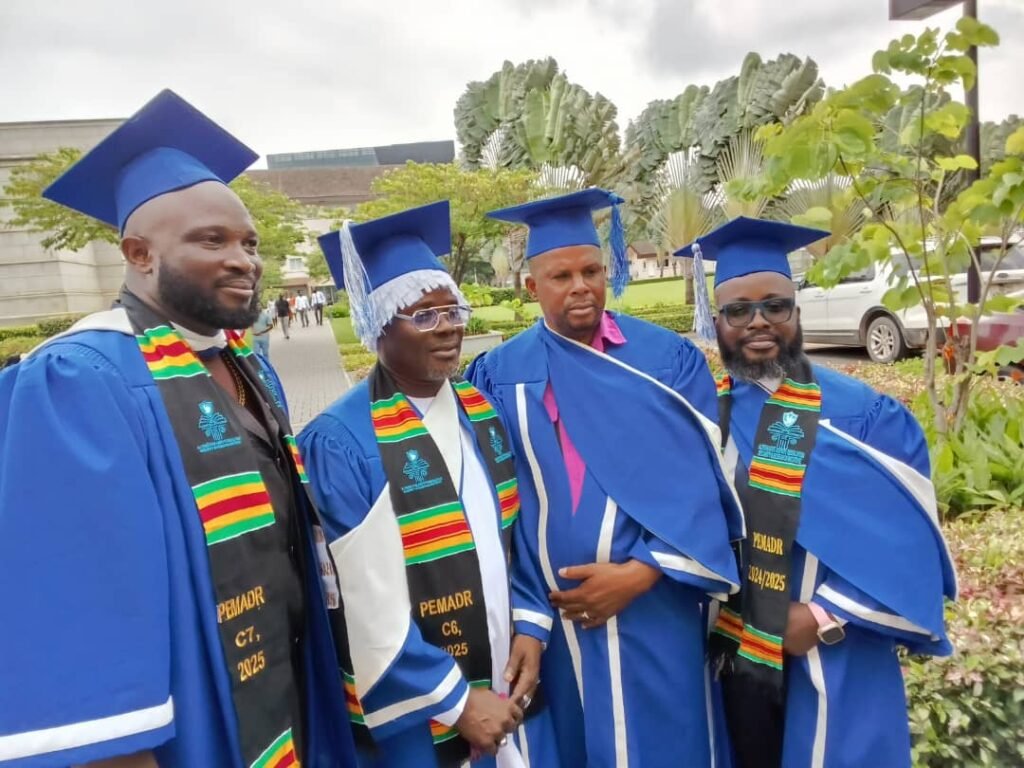
Beyond his roles in tradition and law, Nuumo Akwaa Mensah III has a deep love for music, particularly traditional and, spiritual chants, and classical African rhythms.
Music, to him, is both a sacred tool and a personal passion. He believes traditional soundscapes carry healing properties and ancestral memory.
And to the youth navigating between old paths and new dreams, his advice is simple yet profound- “never abandon your roots.
He encouraged them to be proud of where they come from, urging them to pursue education and excellence, and not let society convince them that their identity is something to be ashamed of. “Tradition is not your obstacle- it is your strength,” he added.
By Esinam Jemima Kuatsinu







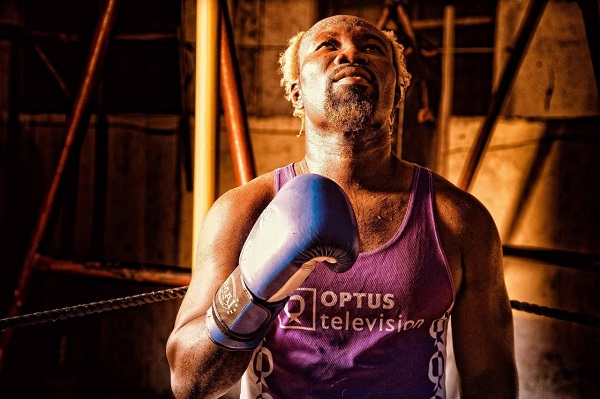
The Accra Regional Police Command has arrested former professional boxer Michael Ayitey Okai, popularly known as “Ayitey Powers,” over an alleged threat of death against the Director-General of the National Sports Authority, Yaw Ampofo.
According to the Police, the 46-year-old former boxer was arrested on Monday, August 24, 2026, in connection with the alleged threat.
The Police said the arrest followed a video circulating on social media in which Ayitey Powers is alleged to have issued the threat against Mr Ampofo.
He is currently in Police custody and is assisting with investigations.
The Accra Regional Police Command said investigations are ongoing to establish the circumstances surrounding the alleged threat and determine the appropriate action to be taken in accordance with the law.
The Command has urged the public to refrain from sharing unverified information about the matter while the investigation continues.
By: Jacob Aggrey
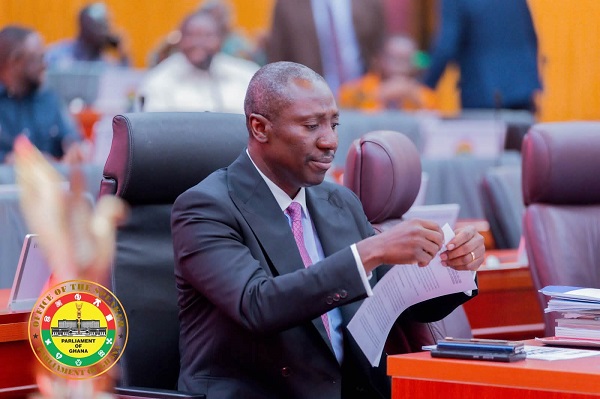
Minority Leader in Parliament Alexander Afenyo Markin has sued the Chief Executive Officer of the Ghana Gold Board (GoldBod), Sammy Gyamfi, and Multimedia Group Limited over alleged defamatory comments made against him on the Newsfile programme.
In a writ filed at the High Court in Accra, Mr Afenyo Markin is seeking GH¢15 million in damages, an apology and retraction of the statements, among other reliefs.
The suit follows comments allegedly made by Mr Gyamfi during the Saturday, August 22, 2026 edition of Newsfile, hosted by Samson Lardy Anyenini.
According to the statement of claim, Mr Gyamfi described Mr Afenyo Markin as an “extortionist” while responding to a question about GoldBod’s reported profits and its position on losses arising from its operations.
The plaintiff claims that Mr Gyamfi repeated the allegation when the host sought clarification on whether he stood by the description.
Mr Afenyo Markin further claims that Mr Gyamfi challenged him to sue him and insisted that the allegation was true.
The plaintiff argues that the statements created the impression that he engages in extortion, uses his political influence to put improper pressure on public institutions and officials, and conducts himself in a manner inconsistent with the standards expected of a lawyer and public office holder.
He denies the allegations and maintains that he is not an extortionist and has never engaged in the conduct alleged by Mr Gyamfi.
The Minority Leader also argues that the comments were made maliciously and were presented as facts without evidence being disclosed.
He claims the statements have damaged his reputation, professional standing and public image, particularly because of his position as a senior political figure and legal practitioner.
The suit also names Multimedia Group Limited as a defendant because, according to the plaintiff, the alleged defamatory comments were broadcast through JoyNews and subsequently circulated on social media platforms, including X, Facebook and YouTube.
Mr Afenyo Markin claims Multimedia failed to stop the comments or deactivate Mr Gyamfi’s microphone after the allegations were made.
He is therefore asking the court to award him general, aggravated and exemplary damages, as well as GH¢15 million in compensation and legal costs.
He is also seeking an order compelling the defendants to issue a full, unconditional and unequivocal retraction and public apology.
The plaintiff wants the apology and retraction to be given similar prominence and reach as the original publication, including through JoyNews and the social media platforms where the comments were disseminated.
He is further seeking a permanent injunction preventing the defendants from repeating the alleged defamatory statements or words with a similar meaning.
The writ requires the defendants to enter an appearance within eight days after being served.
It warns that failure to do so could result in judgment being entered in their absence.
The case was filed by lawyer Paa Kwesi Abaidoo of Dehyena Chambers on behalf of Mr Afenyo Markin.
By: Jacob Aggrey