Fashion
The Chorkor Fashionista: 8 style tips to steal from the icon

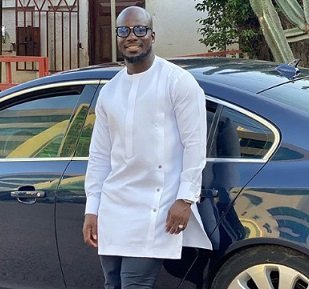
Former Ghanaian footballer, Stephen Appiah is our style influencer for today.
Popularly known in the football fraternity, Stephen Appiah is among the stylish male celebrities making Ghana proud in the fashion world.
He has over the years modelled for many fashion brands.
Stephen while in an interview with Accra based Joy FM, shared what influenced his ostentatious fashion and how he came to acquire such a renowned taste in fashion.
He explained that while growing up in the poverty-stricken Chorkor community he used to go to Kantamanto with a little amount of money and make the most out of it by getting good clothing for himself.
Adding that his fashion sense was influenced by the Chorkor community where he grew up
“During my Chorkor days, we (used) go to Kantamanto, with the small money that we earn on the streets we try to do something with it when it comes to dressing”, Appiah told Joy Sports.
“I always say that when it comes to fashion, everybody knows how to dress because nobody goes out naked.”
“For me, it’s all about character that is why you see certain people wearing pink trousers and pink shirts. It’s not everybody who can rock those colours. So its character and it started from Chorkor days” he concluded.
Check out our top 8 favourite looks inspired by the former Black Star’s Captain, Stephen Appiah.
pulse.com


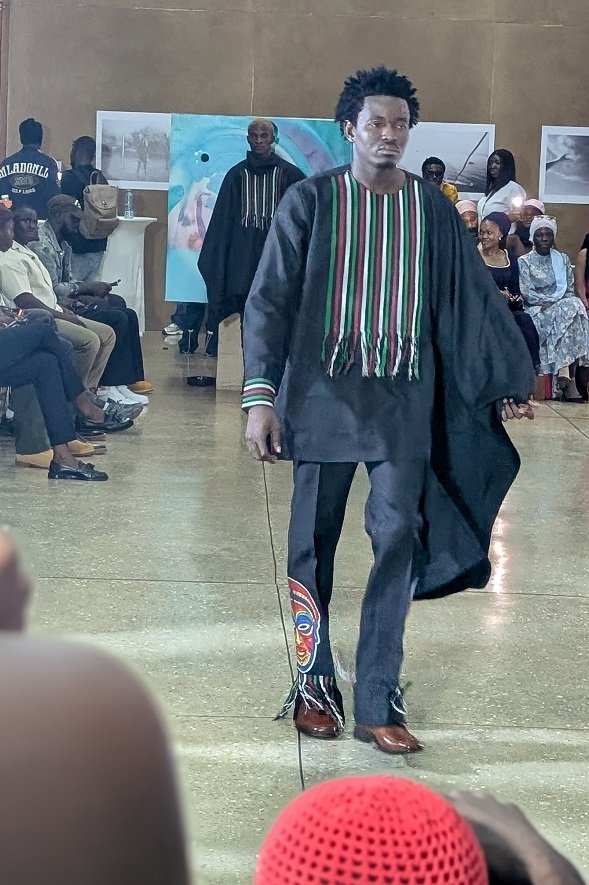
A powerful creative shift took place in Tamale over the weekend, where fashion, culture, and youth converged to redefine the city’s identity.
TrendsRunwayShow celebrated its fifth anniversary, a milestone that confirms Tamale’s growing presence on Ghana’s fashion map and signals a bold, new era for the northern region’s creative economy.
This year’s edition, themed “Freedom of Expression,” granted designers full creative liberty to explore identity, heritage, and modern style.
Eight designers and one stylist showcased collections ranging from culturally infused silhouettes to experimental contemporary designs that captivated audiences across the city.
The runway brought together 25 male and female models, many of whom rely on the show as a stepping stone due to limited access to opportunities in Accra and other southern cities.
By Geoffrey Buta, Tamale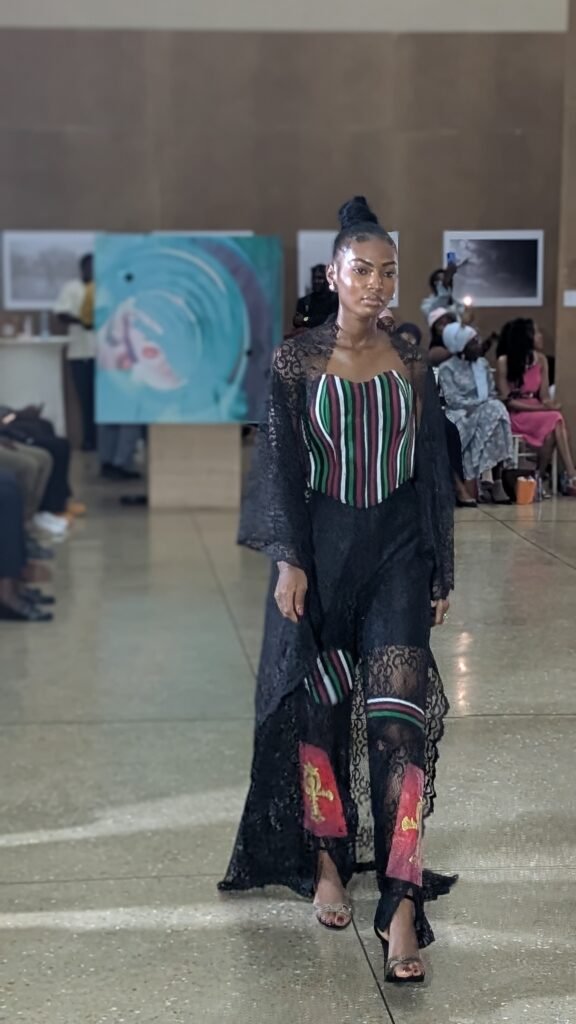
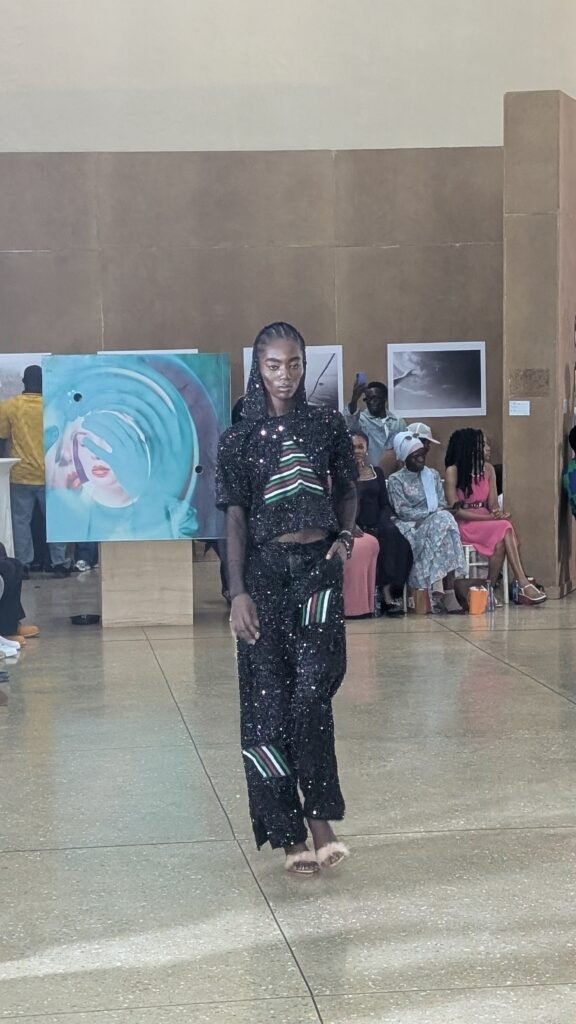
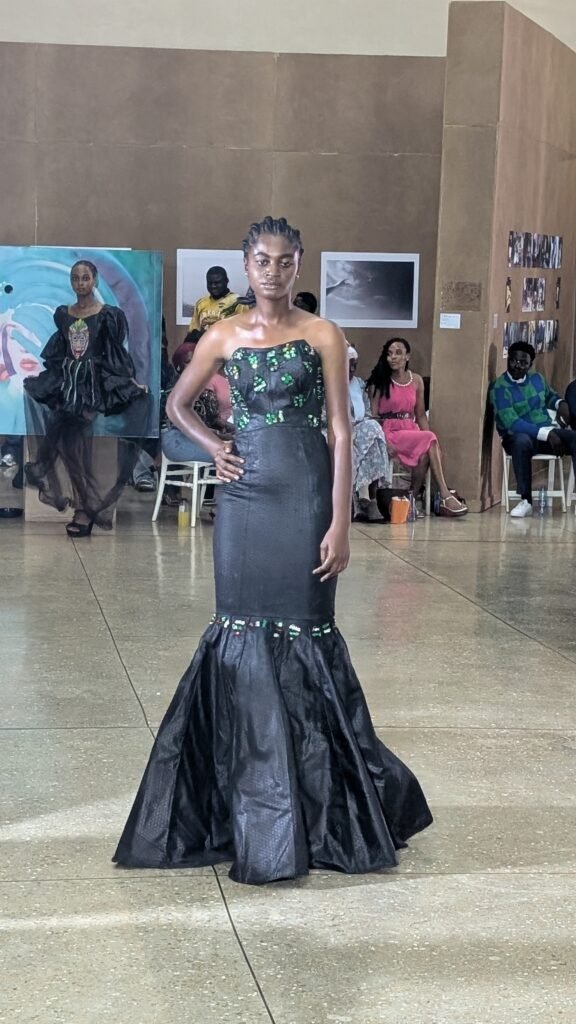
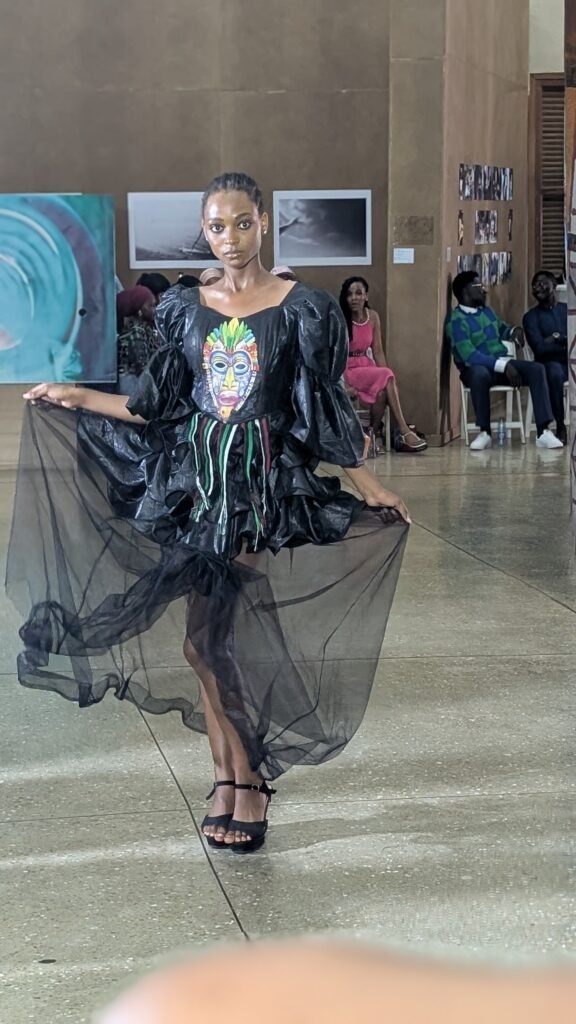
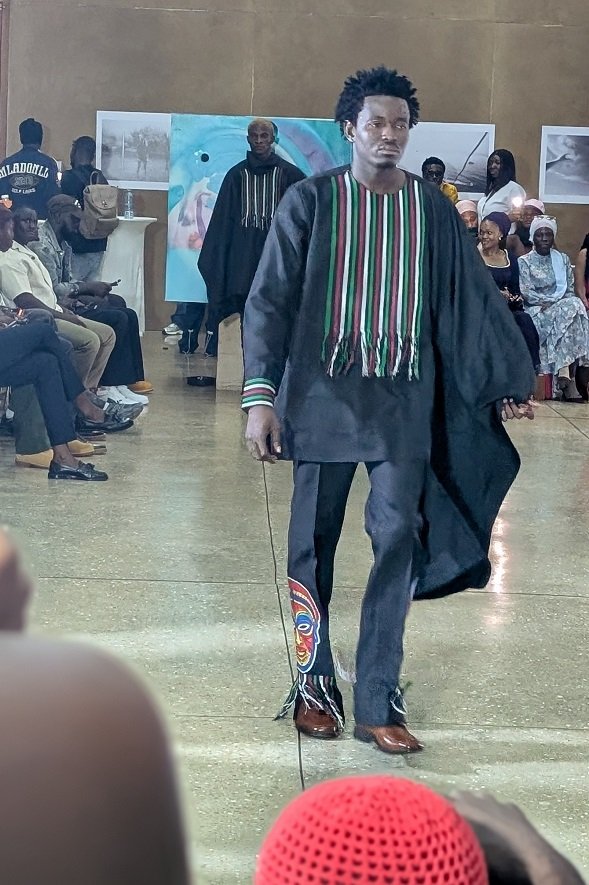
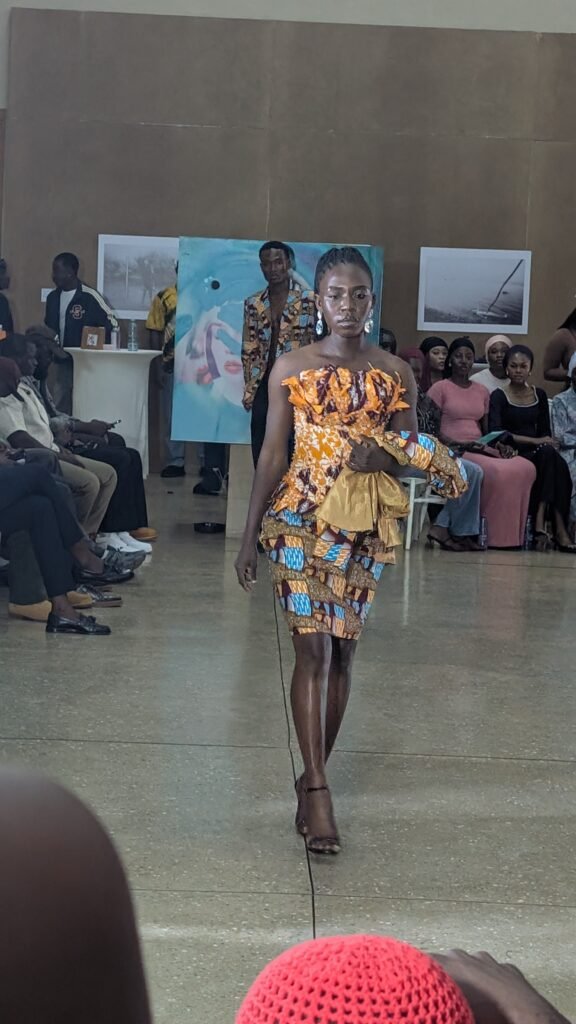
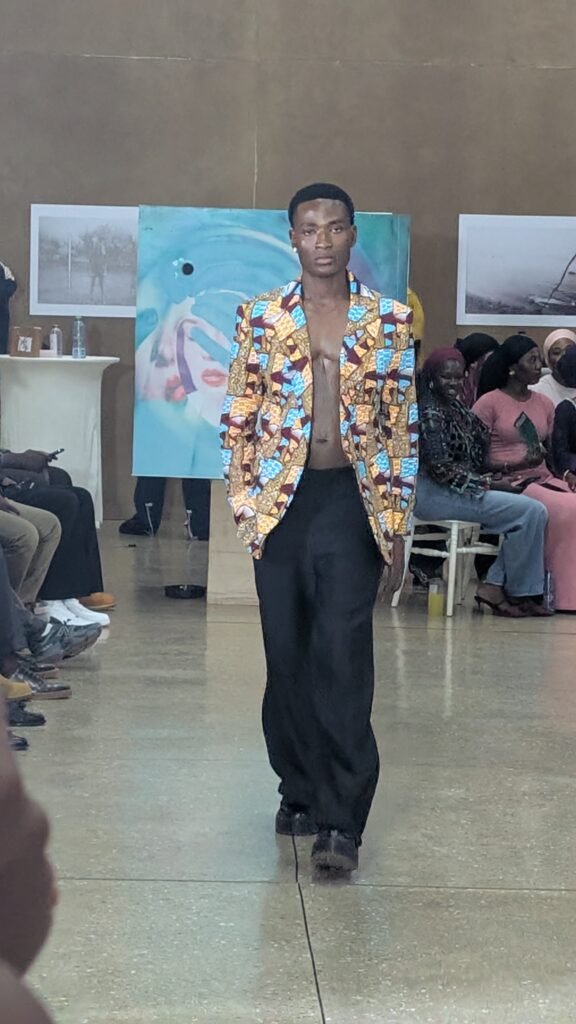
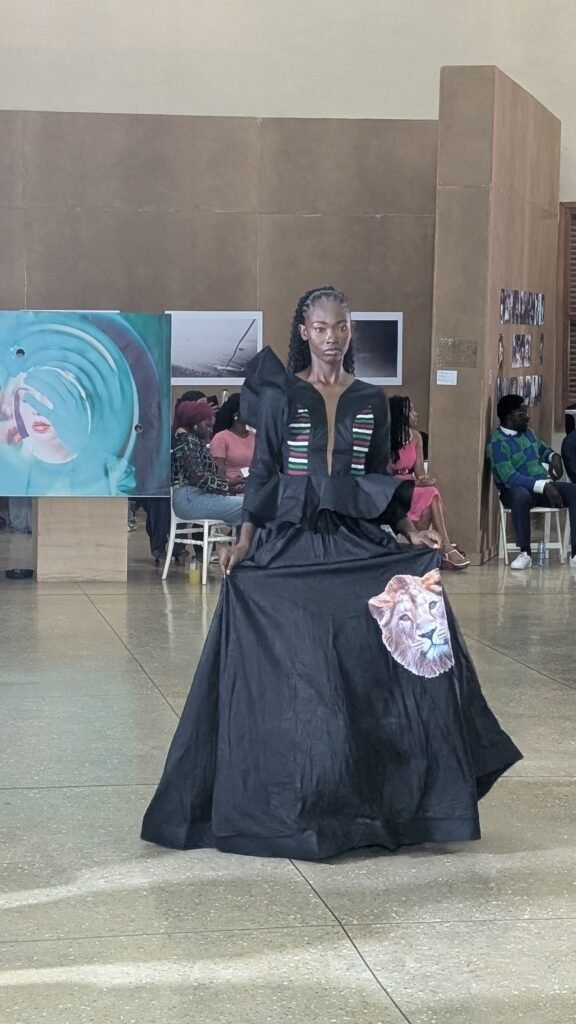
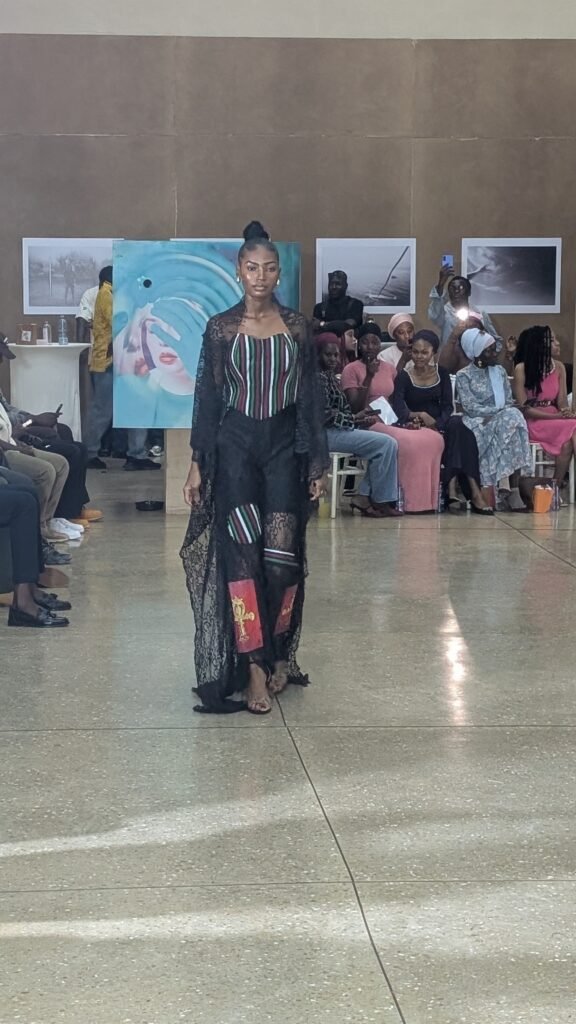
Founded by former model Baba Alhamdu, the event has evolved from a small local initiative into a dependable platform spotlighting emerging designers, models, and artisans from the North.
By Geoffrey Buta, Tamale
Join our WhatsApp Channel now!
https://whatsapp.com/channel/0029VbBElzjInlqHhl1aTU27

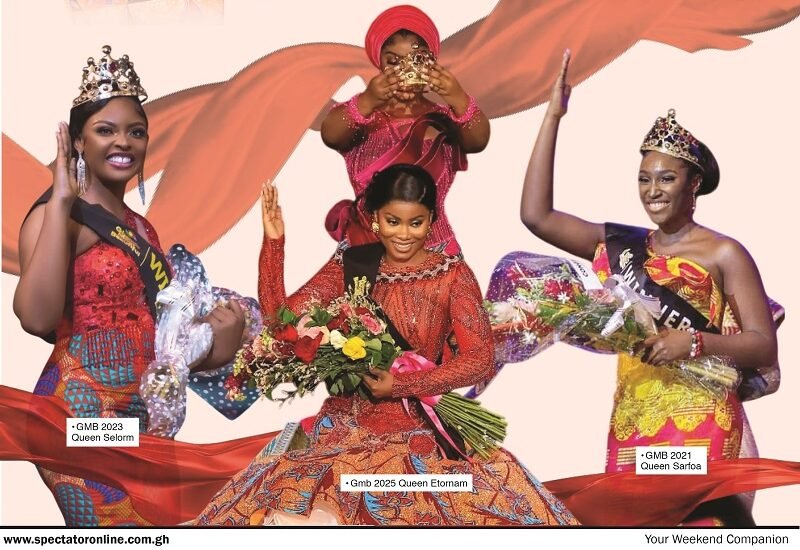
Every winner of Ghana’s Most Beautiful from 2021 to 2025 rocks an outfit that included a touch of red.
This fashion choice stood out across five seasons of the popular beauty pageant, which celebrates culture, confidence, and regional pride.
The winners came from different parts of Ghana, but their shared use of red created a visual link that caught the attention of viewers and fashion lovers alike.
Interestingly, some designers may choose red to highlight boldness or to honour tradition. In the case of these queens, red appeared in different forms—from kente patterns and beadwork to embroidery and flowing gowns. Each winner used the colour in her own way.
Fashion plays a big role in how contestants express themselves, and the final night is known for the dramatic, elegant outfits. That’s when the red details shine the most under the lights, in front of the judges, and across social media.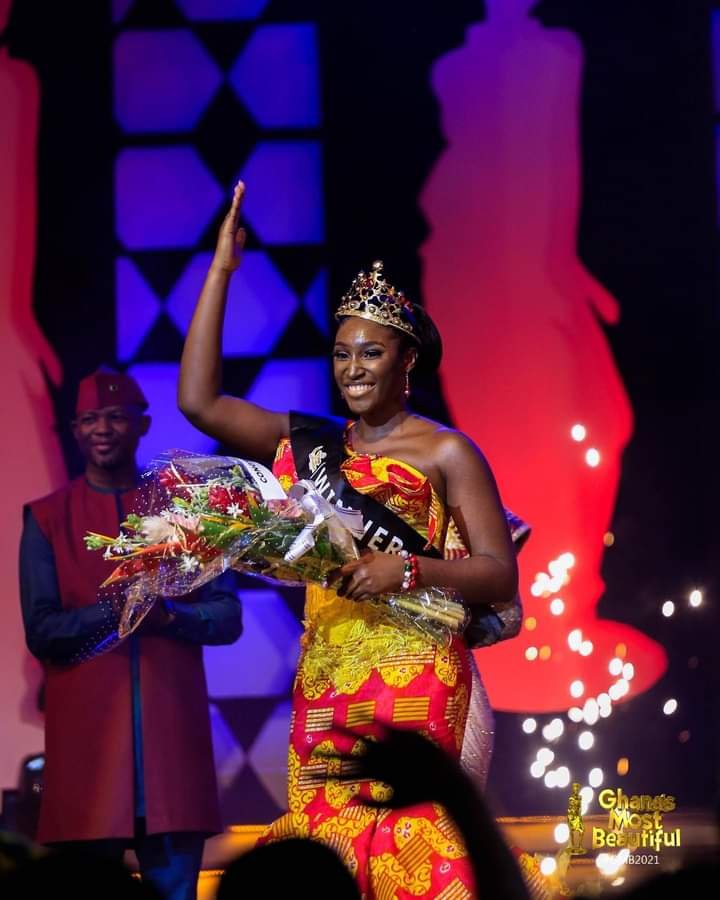
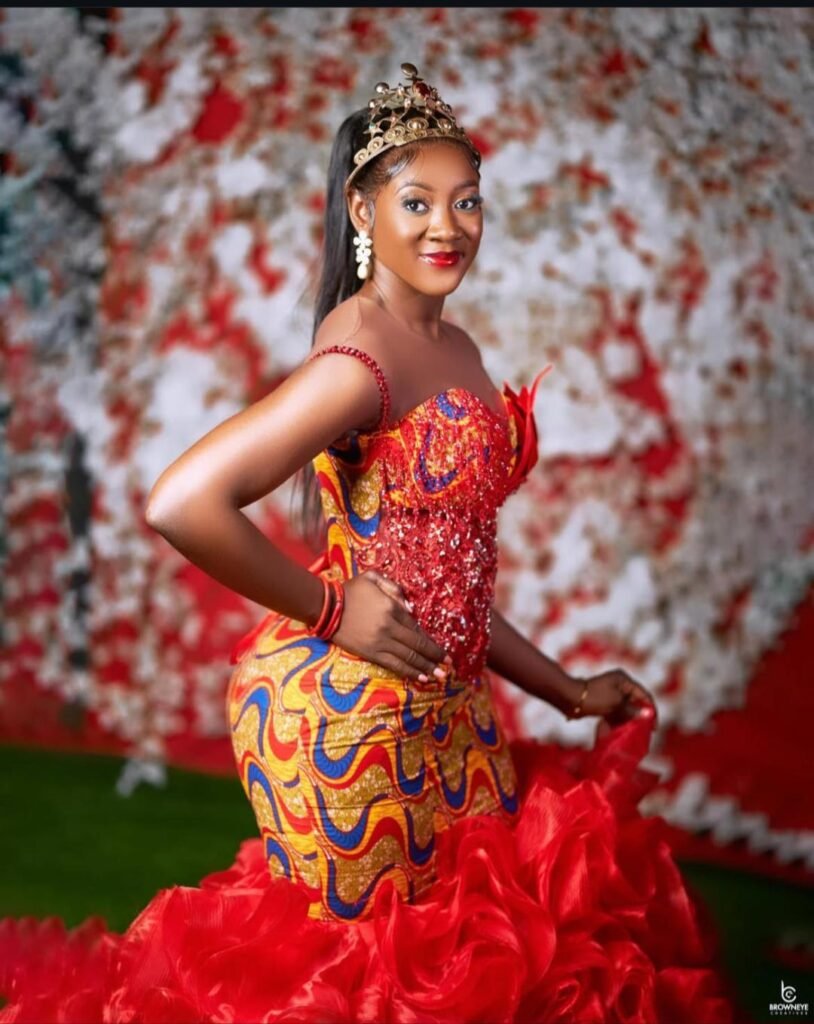
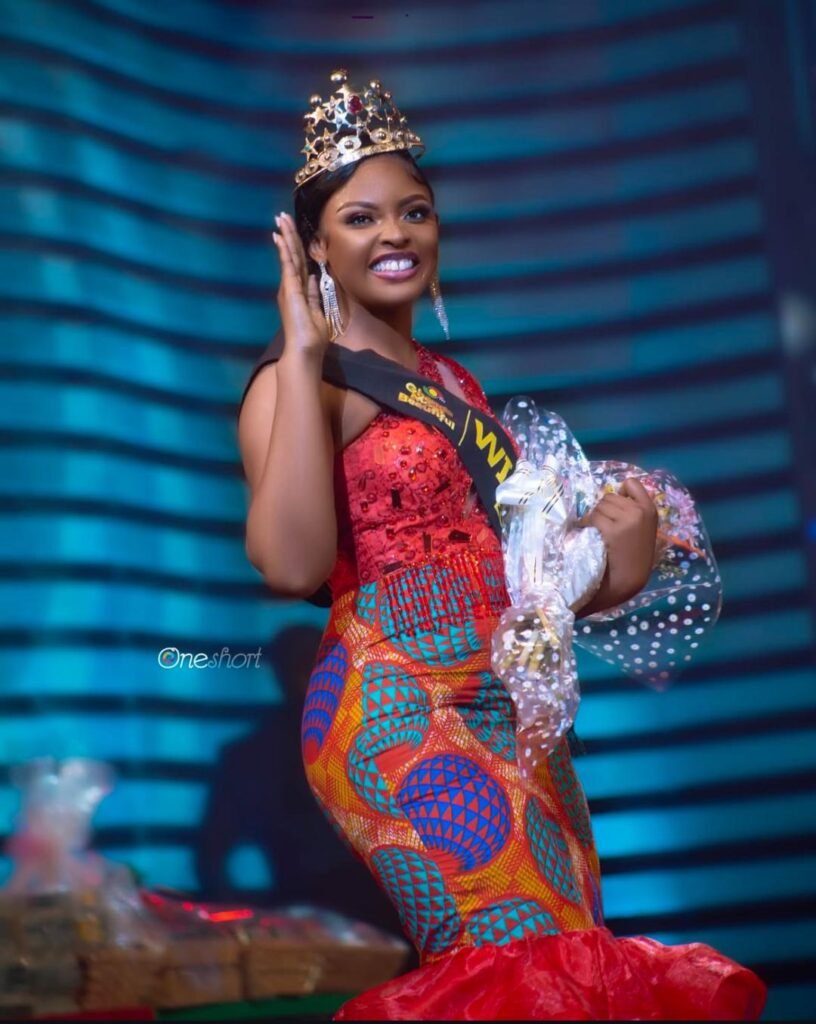
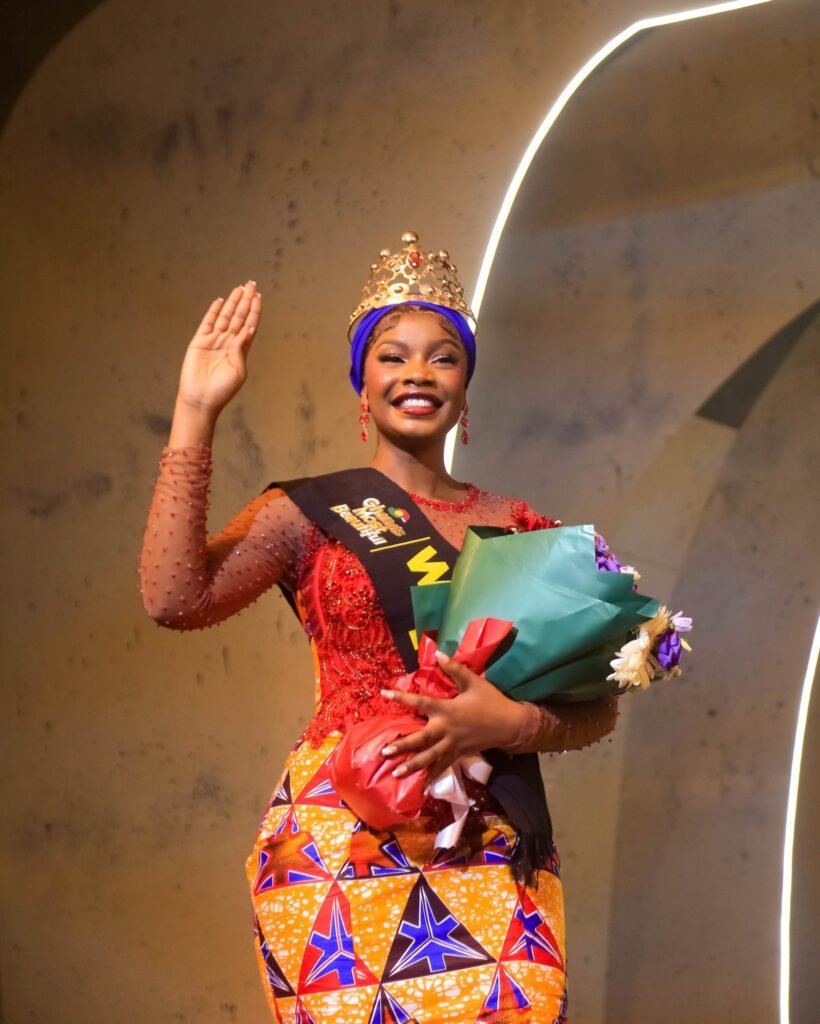

But over five years, the pattern has become clear. Red is more than a colour; it is a statement. It connects winners across time and space, showing that beauty, culture, and confidence can be stitched together in one bold shade.
By: Beatrice Wonovi Kpeglah
Join our WhatsApp Channel now!
https://whatsapp.com/channel/0029VbBElzjInlqHhl1aTU27