Hot!
Tax waiver on electric cars useless; how many people use it in Ghana? – Ato Forson

- /home/u249204778/domains/spectator.com.gh/public_html/wp-content/plugins/mvp-social-buttons/mvp-social-buttons.php on line 27
https://spectator.com.gh/wp-content/uploads/2023/11/4455d5a0-579b-4680-9521-e607293f199e.jpeg&description=Tax waiver on electric cars useless; how many people use it in Ghana? – Ato Forson', 'pinterestShare', 'width=750,height=350'); return false;" title="Pin This Post">
- Share
- Tweet /home/u249204778/domains/spectator.com.gh/public_html/wp-content/plugins/mvp-social-buttons/mvp-social-buttons.php on line 72
https://spectator.com.gh/wp-content/uploads/2023/11/4455d5a0-579b-4680-9521-e607293f199e.jpeg&description=Tax waiver on electric cars useless; how many people use it in Ghana? – Ato Forson', 'pinterestShare', 'width=750,height=350'); return false;" title="Pin This Post">
The Minority Leader, Dr Cassiel Ato Forson has continued his bastardization of the government’s 2024 budget statement describing some of the tax waivers as useless, after tagging the general statement as empty.
The Finance Minister, Ken Ofori-Atta during his presentation of the 2024 budget statement in Parliament last week Wednesday announced some measures to cushion Ghanaians.
Some reliefs prioritized by the government include the extension of the zero rates of VAT on locally manufactured African prints, removal of taxes on locally produced sanitary pads and locally assembled vehicles, as well as waivers on import duties for electric vehicles and agricultural machinery.
To address environmental concerns, Mr Ofori-Atta also announced the government’s plan to expand the Environmental Excise Duty to cover plastic packaging, industrial emissions, and vehicle emissions.
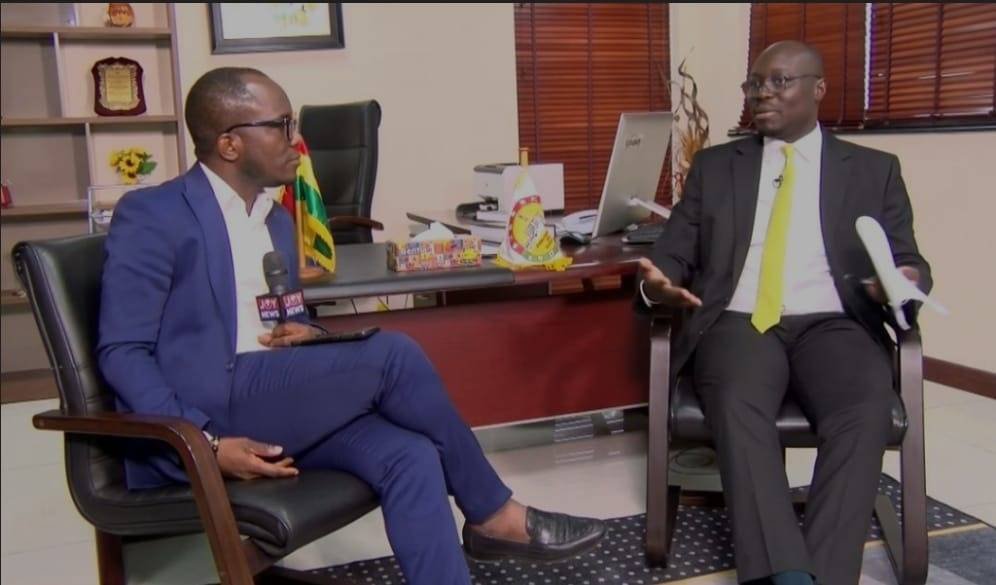
But speaking on the Monday edition of PM Express on JoyNews, the Ajumako Enyan-Essiam MP, who analyzed each of the tax reliefs announced in the budget, singled out the waiver on import duties for electric vehicles describing it as useless.
In the view of the MP, only a handful of Ghanaians use electric vehicles in the country, while there are very few electric charging ports for users.
“Let me make this point, I don’t know how many vehicles in Ghana are electric. Where are the charging ports? How many Ghanaians will benefit from it? Useless “he stated.
National | Top Story
Tax waiver on electric cars useless; how many people use it in Ghana? – Ato Forson
Source: Ebenezer Afanyi Dadzie
21 November 2023 3:06am
The Minority Leader, Dr Cassiel Ato Forson has continued his bastardization of the government’s 2024 budget statement describing some of the tax waivers as useless, after tagging the general statement as empty.
The Finance Minister, Ken Ofori-Atta during his presentation of the 2024 budget statement in Parliament last week Wednesday announced some measures to cushion Ghanaians.
Some reliefs prioritized by the government include the extension of the zero rates of VAT on locally manufactured African prints, removal of taxes on locally produced sanitary pads and locally assembled vehicles, as well as waivers on import duties for electric vehicles and agricultural machinery.
To address environmental concerns, Mr Ofori-Atta also announced the government’s plan to expand the Environmental Excise Duty to cover plastic packaging, industrial emissions, and vehicle emissions.
But speaking on the Monday edition of PM Express on JoyNews, the Ajumako Enyan-Essiam MP, who analyzed each of the tax reliefs announced in the budget, singled out the waiver on import duties for electric vehicles describing it as useless.
In the view of the MP, only a handful of Ghanaians use electric vehicles in the country, while there are very few electric charging ports for users.
“Let me make this point, I don’t know how many vehicles in Ghana are electric. Where are the charging ports? How many Ghanaians will benefit from it? Useless “he stated.
It is to encourage the use of semi-knocked-down electric cars. We live in an economy that we are even struggling to get power. How many cars in Ghana today are electric for them to say that we are giving tax exemption for electric cars? I don’t know if you own an electric car, I don’t own one. And go out and find out from people. As an MP, I don’t know of any individual or public transport that owns electric vehicles” he reiterated.
The MP told the Host Evans Mensah, that while the policy may be in anticipation of a shift in the future, it does not serve any useful purpose now and will not benefit Ghanaians in any way.
He said the government must first focus on creating the enabling environment for the use of electric vehicles instead of jumping the gun.
“So, it is looking at the future probably but is not giving something presently to the ordinary Ghanaian. What the government must do first of all is to create an enabling environment for electric vehicles. This [Tax waiver] is not. The one to create the enabling environment will be access to charging ports.
So if I bring an electric vehicle here to start using it, when I travel to Ajumako and for some reason I need to charge my vehicle, where are the charging ports? Which fuel station can I park in and charge my electric vehicle?” the MP quizzed.
If all of them are not available and you start saying that you are giving exemptions for the person who brings the vehicle, I need to use the vehicle here in Ghana to be sure that I can use it first. The government is doing the reverse because it is out of touch with the realities on the ground” he argued.
“What we need first is to create the environment for some fuel stations to convert the pumps into charging points, and create the environment for the ordinary Ghanaian to be able to benefit from it” he noted.
In September 2023, the Vice President of Ghana, Dr Mahamudu Bawumia, disclosed that the government is working on a policy framework to move public transportation from a dependence on petroleum fuels to electric vehicles.
“What we need first is to create the environment for some fuel stations to convert the pumps into charging points, and create the environment for the ordinary Ghanaian to be able to benefit from it” he noted.
In September 2023, the Vice President of Ghana, Dr Mahamudu Bawumia, disclosed that the government is working on a policy framework to move public transportation from a dependence on petroleum fuels to electric vehicles.
Credit: Myjoyonline.com


The University of Ghana Medical Centre (UGMC) has disputed claims made on social media by comedian Michael Blackson concerning the treatment given to his late mother, saying a review found that the allegations did not accurately reflect what happened during her stay at the hospital.
In a statement issued in Accra on August 5, 2026, the management of UGMC expressed condolences to Mr. Blackson and his family over the death of his 83-year-old mother, who died at the facility on July 16, 2026.
The hospital said it had taken the concerns raised by Mr. Blackson seriously and conducted a thorough review in line with its clinical and administrative procedures.
According to the statement, the facts presented by Mr. Blackson on social media contained “numerous inaccuracies” and did not accurately reflect the medical care provided to his mother.
UGMC explained that she was referred to the facility from another hospital and received treatment there from May 27 to July 16, 2026, a period of about eight weeks.
The hospital stated that it would not release details of her diagnosis, treatment, medical records or other aspects of her care because it had a duty to protect patient confidentiality, even after death.
It said the decision was intended to respect the dignity of the deceased and the privacy of her family.
UGMC further stated that all clinical decisions at the facility are made by qualified healthcare professionals based on medical judgment, established standards of care and the best interests of the patient.
The statement added that such decisions are made in consultation with authorised family representatives where necessary and that billing and financial procedures are governed by institutional policies and are separate from clinical decision-making.
The hospital noted that it values feedback from patients and their families and considers both positive and negative comments important for improving the quality of care.
Mr. Blackson had earlier used social media to criticise the care his mother received at UGMC, prompting the hospital’s response.
By: Jacob Aggrey
The New Patriotic Party (NPP) has directed all aspirants campaigning in the Greater Accra Region to suspend their campaign activities on August 5 and 6 and instead mobilise supporters for the party’s planned “Democracy Under Attack” demonstration.
The directive was issued by the party’s National Steering Committee in a statement signed by the NPP General Secretary, Justin Kodua Frimpong, on Tuesday.
According to the statement, the decision forms part of efforts to ensure a strong turnout for the demonstration, which is scheduled for Thursday, August 6, 2026.
The party said the protest would begin at 5:00 a.m., with participants expected to gather at the Supreme Court in Accra.
It further directed Regional, Constituency and Polling Station Executives in Greater Accra to work closely to mobilise members and supporters for the event.
“The National Steering Committee is calling on all aspirants currently campaigning across the Greater Accra Region to temporarily suspend their campaign activities on the 5th and 6th of August and join in mobilising support for the upcoming demonstration,” the statement noted.
The NPP appealed to party members and supporters to remain peaceful, disciplined and orderly throughout the protest.
The demonstration forms part of the party’s response to concerns it has raised over issues relating to Ghana’s democratic governance and the justice system.
The NPP leadership expressed confidence that party members would cooperate fully to ensure a successful and peaceful event.
By: Jacob Aggrey