Hot!
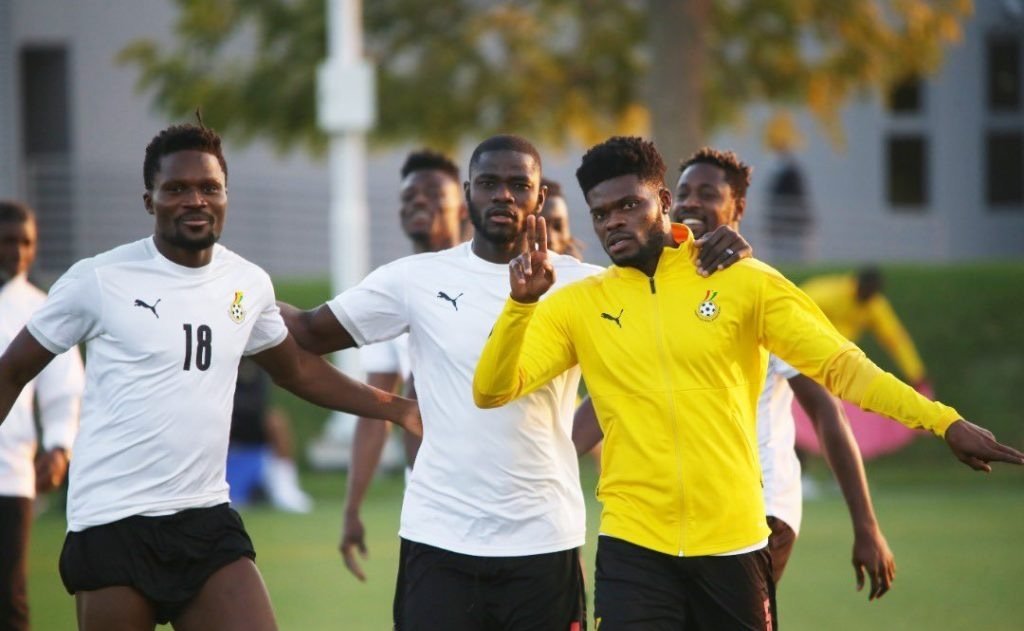
Stop the sloganeering! …four-time champions, and so what?

- /home/u249204778/domains/spectator.com.gh/public_html/wp-content/plugins/mvp-social-buttons/mvp-social-buttons.php on line 27
https://spectator.com.gh/wp-content/uploads/2022/01/Slogan.jpeg&description=Stop the sloganeering! …four-time champions, and so what?', 'pinterestShare', 'width=750,height=350'); return false;" title="Pin This Post">
- Share
- Tweet /home/u249204778/domains/spectator.com.gh/public_html/wp-content/plugins/mvp-social-buttons/mvp-social-buttons.php on line 72
https://spectator.com.gh/wp-content/uploads/2022/01/Slogan.jpeg&description=Stop the sloganeering! …four-time champions, and so what?', 'pinterestShare', 'width=750,height=350'); return false;" title="Pin This Post">
Blue-blistering barnacles! (apologies to Captain Haddock in the Adventures of Tintin).
So, it came to pass rather devastatingly that the Black Stars of Ghana crumbled like a pack of cards at the ongoing African Cup of Nations in Cameroon.
A lame loss to Morocco, disappointing draw to Gabon and an outrageous defeat at the hands of debutants Comoro Islands were enough to see Ghana crash at the group stage. The world stood in disbelief as the Stars only managed a single point from a possible nine.
The BBC, CNN, Aljazeera, Sky Sports, Supersport – name them, all had a field day with reports of Ghana’s unimaginable slump to the nation of 869,595 people (according to the 2020 World Bank population), with some of the ‘poetic-imageries’ making fun of the Black Stars.
Some African football experts like Mark Gleeson were startled, wondering whether they were really seeing the early departure of Ghana. It was a crazy moment, but that symbolizes the current standard of the nation’s football.
And, of course by now, we must be honest to ourselves and announce to the entire world that we are no longer one of the giants of African football.
Indeed, our football has sunk almost into the abyss and we can only resurrect from that unenviable tag once we recognize that we are no longer one of the best at the moment.
The sloganeering, the mantra and the shibboleth of four-time African champions that we often scream at the least opportunity, must stop henceforth. It means nothing now to anybody, especially majority of the youth who have never seen the Stars lift any trophy.
Is it not shameful and distressing that when Ghana won its fourth Nations Cup in 1982, Cameroon had not even set eyes on the coronet for once? Today, the Cameroonians have clinched it five times and has a team that is demonstrating an extremely promising future to the world.
In the same vein, the Pharaohs of Egypt had lifted the trophy just twice at the time Ghana won it for keeps in 1982. Interestingly, the Pharaohs have gone ahead to annex it a staggering five more times. Today, we are not only known as the sleeping giants of African football, but we have slipped into a nadir of shame and ignominy due to the disturbing level of mediocrity of our players.
Now, the Stars are rapidly gaining notoriety of qualifying for tournaments they cannot hope to win. And, this is the major reason why you no longer see flags flying when they play. This is not a matter of lack of nationalism, patriotism or loyalty. The let-downs are a bit too many to rekindle any love story.
Indeed, let us not be pretentious about that. If a team you support wholeheartedly makes it a routine occurrence to let you down when the expectation is all-too high, your support will naturally wane one day. That is the situation now.
The writings had always been on the wall even before our penultimate tournament where we crashed out at the last-16 stage three years ago in Egypt. The Sword of Damocles had always been hanging around the neck of our football all these while; but like ostriches, we plunged out heads in the sand. We blatantly refused to see when it was even visible to the blind.
Today, the beloved Stars have become a subject of revulsion and rejection. They are no longer appreciated. They are eulogized no more. Their mere sight even put people off! In short, they are not loved but loathed.
Truth is that until they lift up their game and start performing again, it would be difficult to get the love back. Maybe, that revival must start with getting the result over Nigeria in the impending World Cup play-off against Nigeria, this March.
Anything short of that would rather aggravate the situation!
By John Vigah



The Tema Regional Police Command has arrested a 32-year-old man for allegedly posing as a soldier and extorting money from unsuspecting members of the public at Ashaiman.
The suspect, identified as Bright Atsu Kudiabor, was arrested by the Ashaiman Police on Wednesday, September 16, 2026, at about 7:00 a.m.
According to the Police, he was arrested at an area known as “I Shall Return”, where he was allegedly parading himself as a soldier and demanding money from people.
The Police said Kudiabor, who is an ex-convict, was initially arrested by personnel of the Ghana National Fire Service in Ashaiman with assistance from other members of the public.
A search conducted on him after he was handed over to the Police reportedly led to the recovery of a set of military camouflage uniform.
The suspect is currently in Police custody and assisting with investigations.
The Tema Regional Police Command said he would be processed for court after investigations are completed.
The Police urged the public to remain vigilant and report anyone who falsely presents themselves as a soldier or a member of another security agency to deceive or extort money from the public.
By: Jacob Aggrey
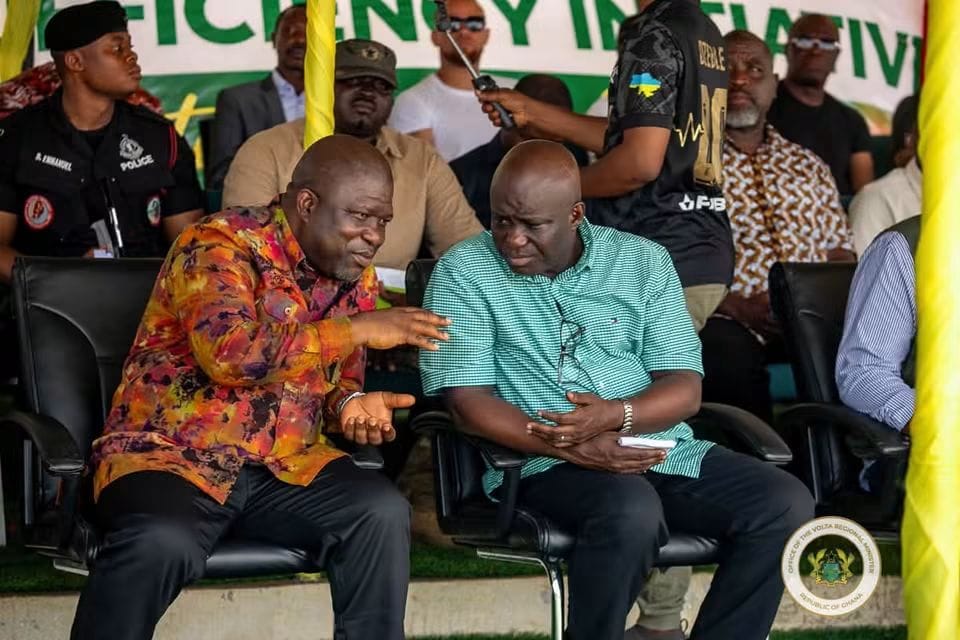
Volta Regional Minister, James Gunu, says the Volta Region holds enormous agricultural potential and efforts must be geared towards connecting farmers to the needed resources to unlock that potential.
He said focus must be on linking farmers to resources, technology, financing and markets to increase production, create jobs and build sustainable livelihoods.
Hon. Gunu made the remarks at the national launch of the Ghana Tomato Self-Sufficiency Initiative (GHATSI) held at Anloga in the Volta Region on Tuesday, September 15.
The initiative, under the theme “Produce at Home. Feed the Nation. Export the Surplus,” seeks to boost local tomato production, processing and marketing while reducing Ghana’s heavy reliance on imported tomatoes.
The launch was attended by the Minister for Food and Agriculture, Eric Opoku, his Deputy, John Setor Dumelo, Feed Ghana Coordinator, Bright Demordzi, Members of Parliament, traditional leaders, MMDCEs, farmers and other stakeholders.
Mr.Gunu expressed appreciation to the Minister for Food and Agriculture for the support announced for the region, including two excavators, 200 cartons of organic fertiliser, and GH¢200,000 for Ms. Kuatudzo Esther Dela, a tomato farmer and processor from Ziope.
He described the initiative as an important step towards making agriculture a stronger driver of food security, job creation and economic growth in the Volta Region.
By Edem Mensah-Tsotorme

 Entertainment1 week ago
Rhythms On Da Runway returns November 28 with 16th edition themed ‘Unbound’
- News1 week ago
48 Engineer Regiment to be major sub-contractor on Accra-Kumasi Expressway, $2bn ready- Prez Mahama
- Entertainment1 week ago
Ohemaa Mercy’s Tehillah Experience outfit was priestly regalia, not costume – Management clarifies