Hot!
Some secrets women should know about men


- /home/u249204778/domains/spectator.com.gh/public_html/wp-content/plugins/mvp-social-buttons/mvp-social-buttons.php on line 27
https://spectator.com.gh/wp-content/uploads/2020/12/You-shouldn’t-make-the-mistake-of-not-taking-the-time-to-understand-men..jpg&description=Some secrets women should know about men', 'pinterestShare', 'width=750,height=350'); return false;" title="Pin This Post">
- Share
- Tweet /home/u249204778/domains/spectator.com.gh/public_html/wp-content/plugins/mvp-social-buttons/mvp-social-buttons.php on line 72
https://spectator.com.gh/wp-content/uploads/2020/12/You-shouldn’t-make-the-mistake-of-not-taking-the-time-to-understand-men..jpg&description=Some secrets women should know about men', 'pinterestShare', 'width=750,height=350'); return false;" title="Pin This Post">
In your pursuit of love and romance, you tend to be somewhat selfish. That’s okay. It happens to everyone.
You have grand dreams and visions of what your ideal relationship is going to look like. You would begin to fantasise about what your dream guy is going to be and what kind of personality he has.
However, have you ever just stopped to think about what it would be like for the guy in this scenario? Sure, you know what you want.
But you might not be aware of the types of efforts that men go through to find love for themselves as well. You shouldn’t make the mistake of not taking the time to understand men.
And if you don’t know where to start in that regard, then this article is going to be perfect for you. Here are a few secrets about men that you might have never realised on your own:
They also have to put up with the risk of rejection
A lot of women like to play the role of the victim a lot whenever they are rejected in romance and love. And that’s normal. It’s okay to feel sad about being rejected. However, it would be foolish to think that men don’t have to suffer through rejection, too. Men have to put up with rejection a lot, considering that they’re the ones who tend to make the initial approach in dating and relationships.
They feel a lot of pressure to be kind to women
Men are always held to a high standard. They are continually being told that they need to conduct themselves like gentlemen. And yes, that is, indeed, how it should be. However, you shouldn’t be so unfair to ignore just how difficult it is. Sometimes, a man can get lambasted by society in such a significant manner for something that a woman would be forgiven instantly for.
They can’t get dates that easily
Sure, women always have to wait around for a man to ask them out. This is especially true for women who aren’t very forward or aggressive in their romantic ways. However, that doesn’t mean that men can get dates left and right. When a man gets rejected, it can be tough for him to find the confidence that he needs to stay persistent in asking girls out.
They feel a lot of pressure to do everything on their own
Men are always touted as the supposedly stronger gender. And that might be true in the physical sense due to biological and anatomical factors. However, that isn’t still going to be the case in an emotional touch. Men are always encouraged to swallow their feelings and pretend like nothing is wrong. And this can be very destructive to a person’s state of mind.
They don’t know how to relate to others, as well as women do
Women are just more empathetic. This is in connection with the previous item on this list. Since men are encouraged to be less emotional, then they don’t get a chance to be in tune with the feelings of other people as well. That means that it can be complicated for them to relate to others.
They aren’t aware of what women want
Men have no clue what women want. Sure. You might think that you don’t understand men. But it’s all the same for them as well. Honestly, they don’t understand women either. They are just as clueless as you would be. Naturally, it would be unfair for you to expect any different from them.
They struggle with always having to take control of a relationship
Men tend to be thrust into leadership positions in the relationship. However, not all people are built to be leaders. And it can be awful for a man who doesn’t have leadership qualities to carry those kinds of expectations from a woman.
Source: https://gistping.com/


The University of Ghana Medical Centre (UGMC) has disputed claims made on social media by comedian Michael Blackson concerning the treatment given to his late mother, saying a review found that the allegations did not accurately reflect what happened during her stay at the hospital.
In a statement issued in Accra on August 5, 2026, the management of UGMC expressed condolences to Mr. Blackson and his family over the death of his 83-year-old mother, who died at the facility on July 16, 2026.
The hospital said it had taken the concerns raised by Mr. Blackson seriously and conducted a thorough review in line with its clinical and administrative procedures.
According to the statement, the facts presented by Mr. Blackson on social media contained “numerous inaccuracies” and did not accurately reflect the medical care provided to his mother.
UGMC explained that she was referred to the facility from another hospital and received treatment there from May 27 to July 16, 2026, a period of about eight weeks.
The hospital stated that it would not release details of her diagnosis, treatment, medical records or other aspects of her care because it had a duty to protect patient confidentiality, even after death.
It said the decision was intended to respect the dignity of the deceased and the privacy of her family.
UGMC further stated that all clinical decisions at the facility are made by qualified healthcare professionals based on medical judgment, established standards of care and the best interests of the patient.
The statement added that such decisions are made in consultation with authorised family representatives where necessary and that billing and financial procedures are governed by institutional policies and are separate from clinical decision-making.
The hospital noted that it values feedback from patients and their families and considers both positive and negative comments important for improving the quality of care.
Mr. Blackson had earlier used social media to criticise the care his mother received at UGMC, prompting the hospital’s response.
By: Jacob Aggrey
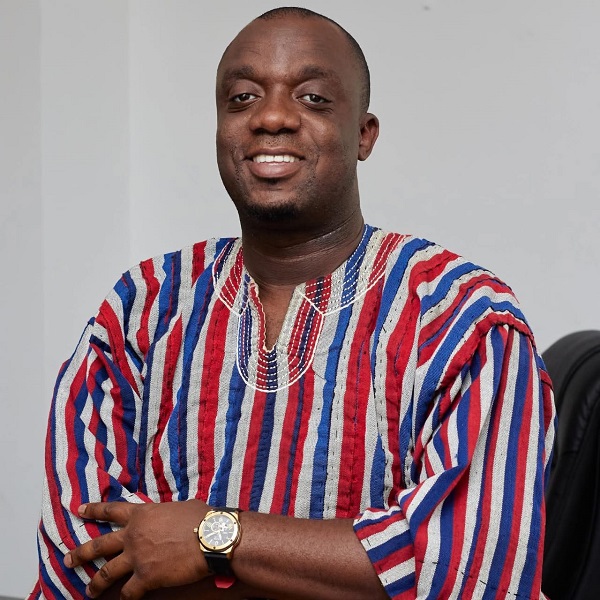
The New Patriotic Party (NPP) has directed all aspirants campaigning in the Greater Accra Region to suspend their campaign activities on August 5 and 6 and instead mobilise supporters for the party’s planned “Democracy Under Attack” demonstration.
The directive was issued by the party’s National Steering Committee in a statement signed by the NPP General Secretary, Justin Kodua Frimpong, on Tuesday.
According to the statement, the decision forms part of efforts to ensure a strong turnout for the demonstration, which is scheduled for Thursday, August 6, 2026.
The party said the protest would begin at 5:00 a.m., with participants expected to gather at the Supreme Court in Accra.
It further directed Regional, Constituency and Polling Station Executives in Greater Accra to work closely to mobilise members and supporters for the event.
“The National Steering Committee is calling on all aspirants currently campaigning across the Greater Accra Region to temporarily suspend their campaign activities on the 5th and 6th of August and join in mobilising support for the upcoming demonstration,” the statement noted.
The NPP appealed to party members and supporters to remain peaceful, disciplined and orderly throughout the protest.
The demonstration forms part of the party’s response to concerns it has raised over issues relating to Ghana’s democratic governance and the justice system.
The NPP leadership expressed confidence that party members would cooperate fully to ensure a successful and peaceful event.
By: Jacob Aggrey