News
Sammy Gyamfi defends sole sourcing of road projects, cites urgency


- /home/u249204778/domains/spectator.com.gh/public_html/wp-content/plugins/mvp-social-buttons/mvp-social-buttons.php on line 27
https://spectator.com.gh/wp-content/uploads/2026/03/WhatsApp-Image-2026-03-24-at-12.05.16.jpeg&description=Sammy Gyamfi defends sole sourcing of road projects, cites urgency', 'pinterestShare', 'width=750,height=350'); return false;" title="Pin This Post">
- Share
- Tweet /home/u249204778/domains/spectator.com.gh/public_html/wp-content/plugins/mvp-social-buttons/mvp-social-buttons.php on line 72
https://spectator.com.gh/wp-content/uploads/2026/03/WhatsApp-Image-2026-03-24-at-12.05.16.jpeg&description=Sammy Gyamfi defends sole sourcing of road projects, cites urgency', 'pinterestShare', 'width=750,height=350'); return false;" title="Pin This Post">
The National Communications Officer of the National Democratic Congress and the Chief Executive Officer (CEO) of GoldBod Ghana, Sammy Gyamfi, has defended the use of sole sourcing in the award of major road projects, describing it as lawful and necessary under urgent circumstances.
His comments follow concerns raised in a publication by the The Fourth Estate over the procurement processes used for the government’s Big Push road projects.
Mr Gyamfi in a post on Facebook explained that the poor state of roads in the country poses a serious national security risk, noting that bad roads have contributed to fatal accidents and criminal activities such as armed robbery.
He indicated that preliminary processes for the projects, including surveying, designing and costing, took about seven months to complete.
According to him, using the national competitive tendering process would have caused further delays, potentially pushing completion dates beyond 2028.
He added that competitive tendering processes can take several months, citing the ongoing road toll project procurement, which he noted has lasted nearly a year due to its complexity.
Mr Gyamfi stressed that Ghana’s procurement law allows for sole sourcing under specific conditions such as urgency, subject to approval by the Public Procurement Authority.
He explained that the law does not prohibit sole sourcing but rather frowns on its unjustified use.
He argued that there is no evidence to support claims that the sole sourcing of the Big Push road projects was unlawful or led to inflated costs.
According to him, all the projects awarded through sole sourcing received prior approval from the Public Procurement Authority and were justified on grounds of urgency.
He further stated that value for money audits were conducted and that contracts were awarded to multiple competent contractors with the capacity to complete the projects on time.
Mr Gyamfi noted that payments for the projects are based on actual work done and certified by independent consultants.
He clarified that 23 out of the 84 projects under the Big Push initiative were inherited from the previous New Patriotic Party administration and were originally awarded through sole sourcing.
According to him, the current government only continued those projects by maintaining the contractors and providing funding, rather than re awarding them.
Mr Gyamfi accused the Fourth Estate of including those inherited projects in its list of sole sourced contracts attributed to the current administration, describing the approach as misleading.
He maintained that the party has always opposed the abuse of sole sourcing and not the practice itself, insisting that the current use of the method is justified.
Mr Gyamfi questioned the criticism, arguing that comparing the present situation to past concerns about sole sourcing is misplaced.
By: Jacob Aggrey







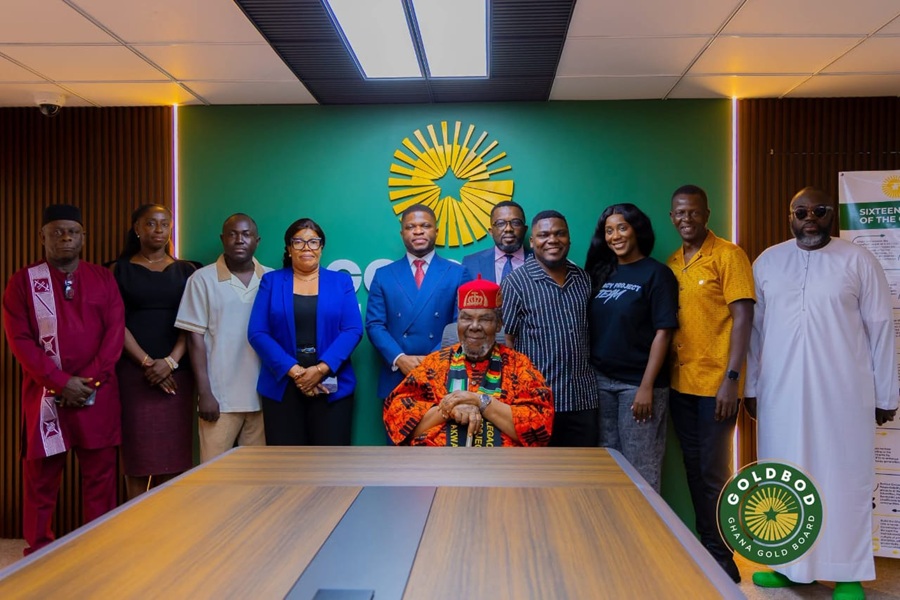
Veteran Nigerian actor and African screen legend, Pete Edochie, has paid a courtesy call on the Chief Executive Officer of the Ghana Gold Board (GoldBod), Sammy Gyamfi, during his visit to Ghana.
Edochie is in Ghana to launch the African Legacy Project, which includes a book, documentary film and an African Youth Mentorship Initiative targeting about 500,000 young people across the continent.
Mr. Gyamfi welcomed the opportunity for GoldBod to support the mentorship initiative, noting that it aligns with the Board’s Special Intervention Programme and its focus on social impact and economic empowerment.
GoldBod’s work is also referenced in Pete Edochie’s new book, which highlights Ghana’s efforts to ensure its gold resources contribute to national development.
By Edem Mensah-Tsotorme
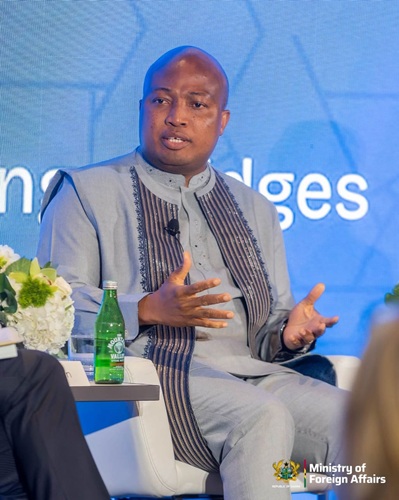
The Ministry of Foreign Affairs has warned Ghanaians seeking employment in Zambia to be cautious of fraudulent job offers that could expose them to human trafficking and forced involvement in cybercrime.
The warning follows the arrest of six Ghanaians in Lusaka, Zambia, during a joint operation by the Zambia Police Service, the Drug Enforcement Commission and the Department of Immigration on August 23, 2026.
According to the Ministry, the operation targeted a facility suspected of being involved in organised cybercrime activities and led to the arrest of 79 people, including 10 Zambians and 69 foreign nationals.
The Ministry said six of the foreign nationals arrested were Ghanaians.
It explained that reports received by the Ghana High Commission in Lusaka indicated that some of those arrested had been recruited through what appeared to be legitimate employment opportunities, including online data entry jobs.
However, the Ministry said some were allegedly forced into online scam activities after their passports were confiscated by their employers.
It warned that the situation highlights how human trafficking groups are using fake employment opportunities to lure unsuspecting job seekers into illegal activities.
The Ministry has therefore advised Ghanaians travelling to Zambia or seeking employment there to thoroughly verify job offers, recruitment agencies and prospective employers before travelling.
Ghanaians living in Zambia have also been urged to remain vigilant when responding to online job opportunities and maintain regular contact with the Ghana High Commission in Lusaka for consular assistance when necessary.
The Ministry said the government remains committed to protecting the welfare and interests of Ghanaians travelling to or living outside the country.
By: Jacob Aggrey