News
PPAG, UNFPA engage adolescents on sexual, reproductive health

- /home/u249204778/domains/spectator.com.gh/public_html/wp-content/plugins/mvp-social-buttons/mvp-social-buttons.php on line 27
https://spectator.com.gh/wp-content/uploads/2026/01/A-facilitator-addressing-the-participants-.png&description=PPAG, UNFPA engage adolescents on sexual, reproductive health', 'pinterestShare', 'width=750,height=350'); return false;" title="Pin This Post">
- Share
- Tweet /home/u249204778/domains/spectator.com.gh/public_html/wp-content/plugins/mvp-social-buttons/mvp-social-buttons.php on line 72
https://spectator.com.gh/wp-content/uploads/2026/01/A-facilitator-addressing-the-participants-.png&description=PPAG, UNFPA engage adolescents on sexual, reproductive health', 'pinterestShare', 'width=750,height=350'); return false;" title="Pin This Post">
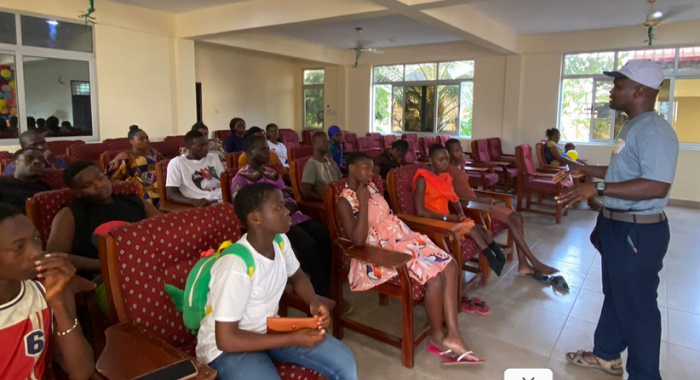
The Planned Parenthood Association of Ghana (PPAG), in partnership with the UNFPA, has organised a targeted sexual and reproductive health (SRH) education programme for adolescent boys and girls living with disabilities in the Anloga District of the Volta Region.
The engagement, held after Christmas at the Anloga District Assembly Hall, formed part of efforts to reach vulnerable adolescents who are often excluded from mainstream sexual and reproductive health education and interventions.
The programme featured a series of educational discussions and interactive sessions, during which health professionals and facilitators engaged participants on the prevention of sexually transmitted infections (STIs), sexual and reproductive rights, family planning methods, and strategies for preventing teenage pregnancy.
The initiative is part of a broader project jointly implemented by PPAG and UNFPA, which seeks to equip young and wise adolescent clubs and disability schools with practical knowledge to enable them to make informed life choices, safeguard their health, and contribute meaningfully to youth-led change within their communities.
According to the organisers, adolescents living with disabilities were frequently marginalised in sexual and reproductive health programming, despite being equally vulnerable to abuse, misinformation, and health risks.
The project was therefore carefully and deliberately designed to address this gap by ensuring inclusive access to accurate and age-appropriate SRH information.
Madam Gloria Agbofa, a Public Health Nurse at the Anloga District Health Directorate, while delivering the health education, advised participants to refrain from behaviours that could expose them to sexually transmitted infections. She further cautioned against unsafe and illegal abortion practices, explaining that such actions could lead to serious health complications and long-term consequences.
Madam Agbofa also educated participants on how to seek guidance from health professionals, properly access and use available family planning methods, and warned adolescent girls against the misuse of emergency contraceptive pills, stressing the importance of responsible and informed decision-making.
Mr. Christopher Makam, the Volta Regional Focal Person for the project, in explaining the rationale behind the choice of target group, told the Ghana News Agency that the initiative was intentionally structured to reach those most often overlooked.
“Most of the time, we engage adolescents in these educational activities but skip the most vulnerable. This project deliberately targets adolescents living with disabilities to equip them with information on sexual and reproductive health, sexually transmitted infections, and related issues, so they can become agents of change and help mitigate the rising trends in these challenges,” Mr. Makam said.
The programme was attended by a cross-section of boys and girls aged between 12 and 19 years, living with various forms of disabilities. Participants expressed appreciation for the initiative, describing it as informative, empowering, and relevant to their personal development and well-being.
The organisers said they remain committed to inclusive health education, noting that leaving no adolescent behind remains central to achieving improved sexual and reproductive health outcomes at the community level. –GNA
Join our WhatsApp Channel now!
https://whatsapp.com/channel/0029VbBElzjInlqHhl1aTU27


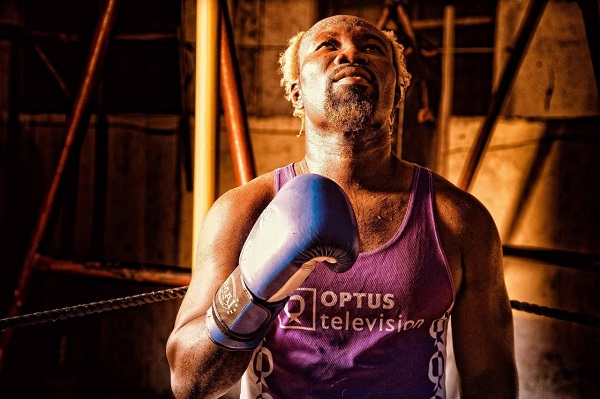
The Accra Regional Police Command has arrested former professional boxer Michael Ayitey Okai, popularly known as “Ayitey Powers,” over an alleged threat of death against the Director-General of the National Sports Authority, Yaw Ampofo.
According to the Police, the 46-year-old former boxer was arrested on Monday, August 24, 2026, in connection with the alleged threat.
The Police said the arrest followed a video circulating on social media in which Ayitey Powers is alleged to have issued the threat against Mr Ampofo.
He is currently in Police custody and is assisting with investigations.
The Accra Regional Police Command said investigations are ongoing to establish the circumstances surrounding the alleged threat and determine the appropriate action to be taken in accordance with the law.
The Command has urged the public to refrain from sharing unverified information about the matter while the investigation continues.
By: Jacob Aggrey
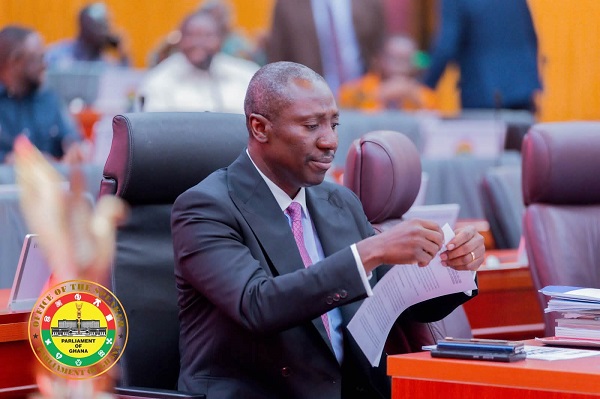
Minority Leader in Parliament Alexander Afenyo Markin has sued the Chief Executive Officer of the Ghana Gold Board (GoldBod), Sammy Gyamfi, and Multimedia Group Limited over alleged defamatory comments made against him on the Newsfile programme.
In a writ filed at the High Court in Accra, Mr Afenyo Markin is seeking GH¢15 million in damages, an apology and retraction of the statements, among other reliefs.
The suit follows comments allegedly made by Mr Gyamfi during the Saturday, August 22, 2026 edition of Newsfile, hosted by Samson Lardy Anyenini.
According to the statement of claim, Mr Gyamfi described Mr Afenyo Markin as an “extortionist” while responding to a question about GoldBod’s reported profits and its position on losses arising from its operations.
The plaintiff claims that Mr Gyamfi repeated the allegation when the host sought clarification on whether he stood by the description.
Mr Afenyo Markin further claims that Mr Gyamfi challenged him to sue him and insisted that the allegation was true.
The plaintiff argues that the statements created the impression that he engages in extortion, uses his political influence to put improper pressure on public institutions and officials, and conducts himself in a manner inconsistent with the standards expected of a lawyer and public office holder.
He denies the allegations and maintains that he is not an extortionist and has never engaged in the conduct alleged by Mr Gyamfi.
The Minority Leader also argues that the comments were made maliciously and were presented as facts without evidence being disclosed.
He claims the statements have damaged his reputation, professional standing and public image, particularly because of his position as a senior political figure and legal practitioner.
The suit also names Multimedia Group Limited as a defendant because, according to the plaintiff, the alleged defamatory comments were broadcast through JoyNews and subsequently circulated on social media platforms, including X, Facebook and YouTube.
Mr Afenyo Markin claims Multimedia failed to stop the comments or deactivate Mr Gyamfi’s microphone after the allegations were made.
He is therefore asking the court to award him general, aggravated and exemplary damages, as well as GH¢15 million in compensation and legal costs.
He is also seeking an order compelling the defendants to issue a full, unconditional and unequivocal retraction and public apology.
The plaintiff wants the apology and retraction to be given similar prominence and reach as the original publication, including through JoyNews and the social media platforms where the comments were disseminated.
He is further seeking a permanent injunction preventing the defendants from repeating the alleged defamatory statements or words with a similar meaning.
The writ requires the defendants to enter an appearance within eight days after being served.
It warns that failure to do so could result in judgment being entered in their absence.
The case was filed by lawyer Paa Kwesi Abaidoo of Dehyena Chambers on behalf of Mr Afenyo Markin.
By: Jacob Aggrey