News
Elite Helping Hand Foundation feeds street families


As part of its annual generous initiative, the Elite Helping Hand Foundation, a non-governmental organization, in collaboration with KOFSA Construction and the Nyadu Addo Foundation, took to the streets of Kumasi to distribute food, drinks, and clothes to street families.
The exercise, dubbed “Feed the Streets 2.0,” marked the second consecutive year the foundation organized the event during the Christmas season.
In all, over 800 packs of food, drinks, and clothes were distributed to street families across Kumasi.
Founded four years ago by a group of compassionate friends, the Elite Helping Hand Foundation is committed to making a positive impact on individuals, communities, and the nation at large.
Speaking at the end of the exercise, Mr. Godwin Oppong Danso expressed appreciation to all individuals and organizations that donated and contributed to the success of the initiative. He noted that without their generous support, the foundation would not have been able to pursue such an ambitious and impactful vision.
Through donations to orphanages, support for underprivileged individuals, and outreach to vulnerable communities, the foundation continues to position itself as a force for positive change and a beacon of hope for many.
As the foundation prepares to celebrate five years of service, it is setting its sights on broader initiatives, including prison visits, hospital outreaches, street and community clean-up exercises, and support for deprived schools.
By Bright Lamptey
Join our WhatsApp Channel now!
https://whatsapp.com/channel/0029VbBElzjInlqHhl1aTU27


News
Education Minister announces two-year BECE ban for JHS 1 and 2 students who write exams ahead of schedule
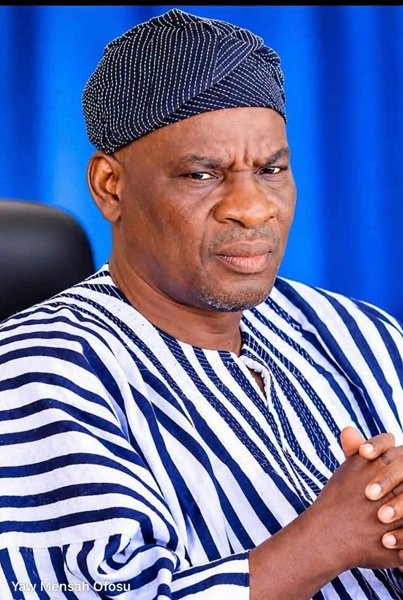
The Minister for Education, Haruna Iddrisu, has announced a two-year ban for students in Junior High School (JHS) 1 and 2 who attempt to write the Basic Education Certificate Examination (BECE) ahead of their scheduled year.
The minister said the directive takes immediate effect and is aimed at preventing students from advancing to JHS 3 before completing the required period of basic education.
Speaking during National Education Week, Mr Iddrisu directed the Director-General of the Ghana Education Service (GES) to ensure that all regional directors and headteachers are informed about the new directive and enforce it.
Mr Iddrisu explained that the decision was necessary to instil discipline in the education system and allow authorities to plan effectively for the number of candidates expected to complete basic education and sit for the BECE each year.
According to him, the practice of allowing some pupils to skip academic levels to write the examination earlier creates difficulties for education authorities in determining the actual number of students expected to graduate from basic school annually.
He expressed concern about parents who encourage their children to move ahead of their classmates and write the examination before the appropriate time.
The minister argued that such a practice undermines fairness and equal opportunities among pupils, stressing that children should follow the approved academic progression rather than being pushed to complete their education ahead of others.
“Some parents want to force their children to go ahead of others. That is not equity,” he stated.
By: Jacob Aggrey
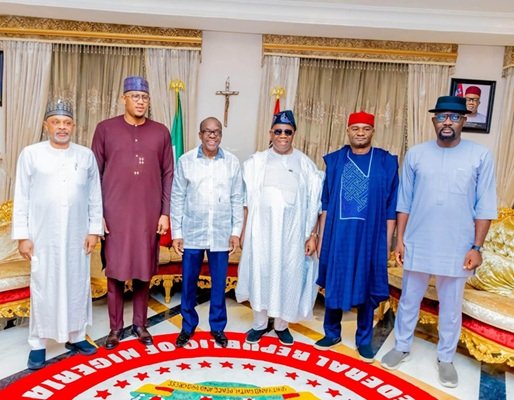
Ghana’s High Commissioner to Nigeria, H.E. Baba Sadiq Abdulai Abu, has accompanied the Speaker of Ghana’s Parliament, Rt. Hon. Alban Sumana Kingsford Bagbin, on a courtesy visit to the President of Nigeria’s Senate, H.E. Senator Godswill Akpabio.
The visit, described as a powerful demonstration of Ghana-Nigeria solidarity and shared democratic values, reaffirmed the historic bonds between the two countries and the importance of sustained parliamentary diplomacy.
Speaker Bagbin, who is also Chairman of the Conference of Speakers and Presidents of African Legislatures (CoSPAL), and Senator Akpabio discussed ways of strengthening democratic governance, deepening bilateral relations, and expanding economic cooperation.
Both leaders underscored the responsibility of political institutions to protect democracy, restore public confidence in governance, and promote peaceful political processes across West Africa.
By Edem Mensah-Tsotorme