News
Plight of inmates at Kumasi Central Prisons Banku,‘Keta school boys’ soup served daily

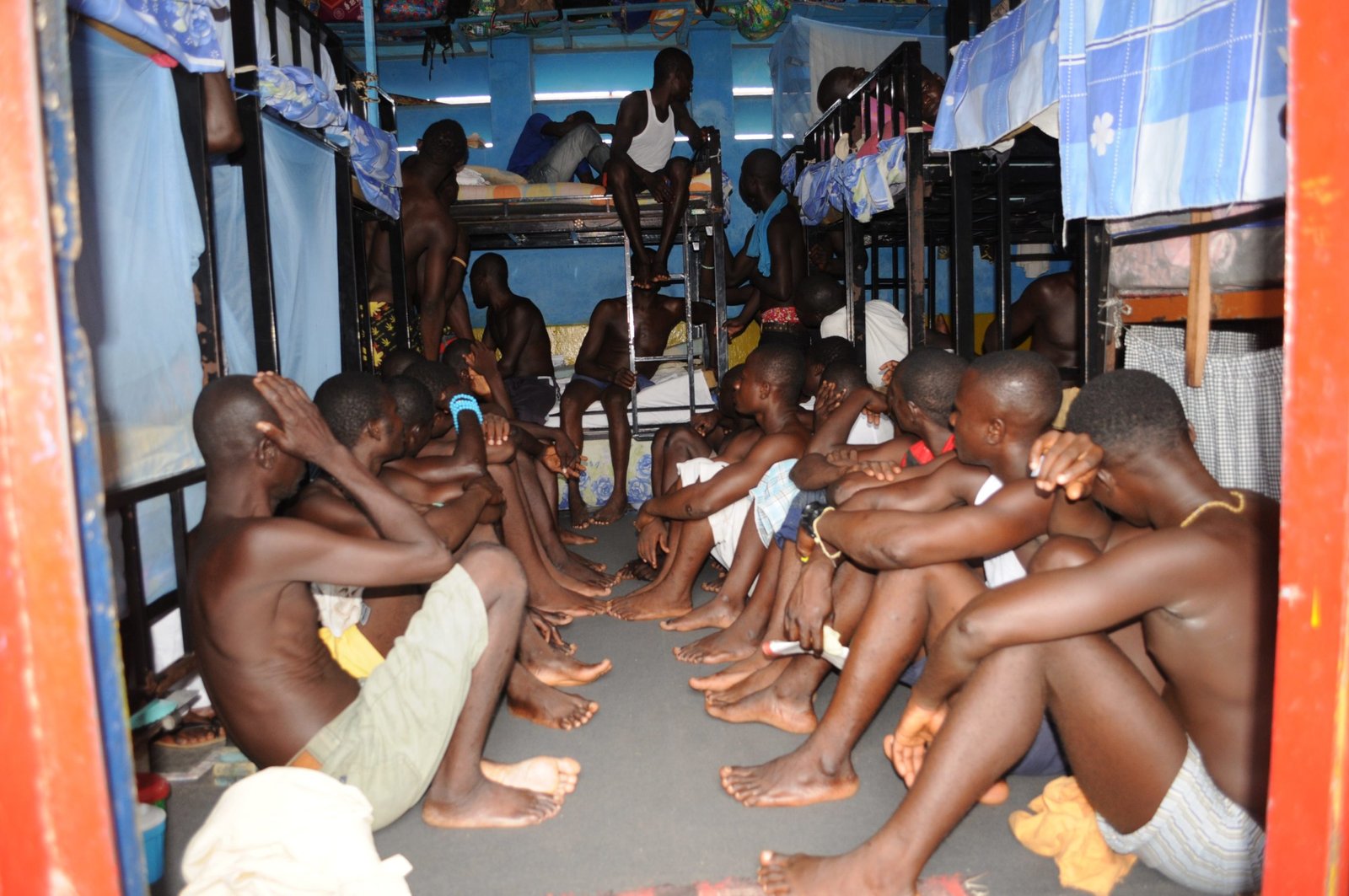
The consumption of rice as a staple food may be very common in many homes, but this is not so at the Kumasi Central Prisons where inmates enjoy the staple once in a year, specifically during the Christmas festivities.
For the inmates, their daily bread has been ‘banku and keta schoolboys’ soup.
According to the Deputy Director of Prisons, James B. Mwinyelle, the Ashanti Regional Commander of Prisons and Officer in- charge of the Kumasi Central Prisons, serving inmates rice would require a total of 16 bags of the 50kg rice bags.
Speaking to The Spectator, he said though gari was a good alternative, it remains expensive for the Prisons authority for the large number of the inmates.
“The authorities cannot even afford gari let alone beans to serve as proteins, so we rely on ‘Keta school boys’ as a source of protein.”
“Rice is expensive; the authority cannot afford it for this number of inmates we are dealing with. It is reason why we may be considering rice for them at Christmas,” he noted.
According to the Regional Commander, the increasing number of inmates was a serious concern for the authorities.
Constructed in 1901 and expanded in 1935 to accommodate 500 inmates, the facility now houses 1,627 inmates with 1,214 being convicts and 230 offenders on remand with 82 being on trial.
“Feeding this number of inmates with a feeding grant of Gh¢1.80 per inmate a day to prepare food is a huge burden on the authorities,” he stated.
He said the poor feeding regime was creating a serious health issues for the inmates, two of whom have lost their lives.
The Deputy Director of Prisons further indicated that the poor feeding coupled with congestion and lack of space for exercise among the inmates needed urgent attention to protect them and thereby reduce the high cost of medical treatment which had become a great burden to the authority.
Bathing soap for the inmates, he mentioned, was a big headache for the authority as about Gh¢8,000.00 was needed every month to purchase carbolic soap for each inmate which would not last for two weeks.
He pointed out that it was important for the state to have a second look at the state of affairs of the prisons in the country and come out with urgent measures to address the situation.
He called for a review of the feeding grant and consider the Prisons proposal of between Gh¢7.00 and Gh¢10.00 for each inmate per day.
The Regional Commander also mentioned that the Kumasi Central Prisons had taken up serious vegetable farming to help with the feeding of the inmates.
He urged the public to come to the aid of the inmates, saying that the prisons was part of society and must be seen as such in order to avoid a situation where the place would be a harbinger for radicalisation.
The issue of the feeding grant has come at a time the Minister designate for Interior, Mohammed Muntaka Mubarak, has raised serious concerns about the deplorable state of Ghana’s prisons, particularly regarding the inadequate budget allocated for feeding inmates.
Speaking during his vetting before the parliamentary appointments committee on Friday January 24, Muntaka pledged to prioritise prison reforms if his nomination was approved.
The Asawase Member of Parliament (MP) lamented that the G¢1.80 daily feeding budget per prisoner, describing it as grossly insufficient and inhumane
From Kingsley E. Hope, Kumasi








The New Patriotic Party (NPP) has opened applications for members interested in contesting as its parliamentary candidates in the 2028 general elections.
In a statement issued on Thursday, October 29, 2026, the party said interested members must declare their intention to contest between Sunday, November 1, and Tuesday, November 10, 2026.
According to the statement signed by the party’s Communications Director, Dennis Miracles Aboagye, prospective candidates must complete an online form within the specified period.
The party said a non-refundable application fee of GH¢5,000 would be charged to each prospective candidate.
It added that all applicants would undergo vetting and screening to determine their eligibility to contest on the party’s ticket.
The NPP announced plans to organise capacity-building workshops for prospective candidates in December 2026. The workshops will be held across the Northern, Middle and Southern zones, with details of the venues to be announced later.
The party stressed that the guidelines would apply to all prospective candidates, including sitting NPP Members of Parliament who wish to contest again.
It further warned aspirants against starting campaign activities following the opening of the application process.
According to the statement, the existing directive prohibiting campaign activities remains in force until the party gives official clearance.
It cautioned that anyone who violates the directive would face appropriate sanctions under the party’s constitution and regulations.
The NPP said the process was designed to promote fairness, transparency and equal opportunities for all aspirants as it prepares to select candidates for all 276 constituencies ahead of the 2028 elections.
It urged prospective candidates to follow the guidelines and conduct themselves with discipline and respect for one another throughout the process.
The party said its broader objective was to strengthen unity within its ranks and rebuild public confidence ahead of the 2028 general elections.
By: Jacob Aggrey
News
eputy Foreign Minister accompanies Veep to Shanghai to champion Global South reform, industrial drive
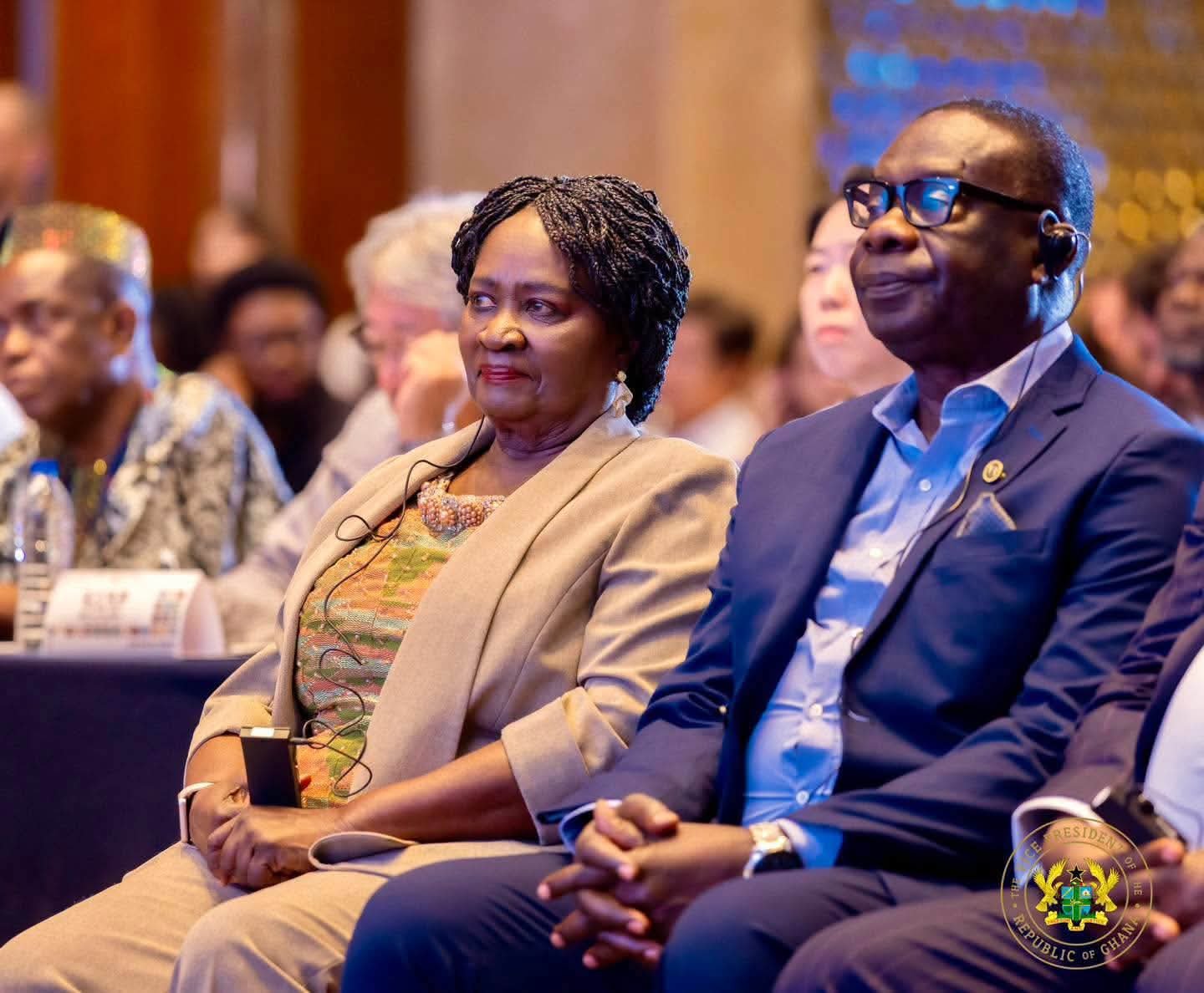
Deputy Minister for Foreign Affairs, James Gyakye Quayson, accompanied Vice-President Prof. Jane Naana Opoku-Agyemang on a successful working visit to Shanghai, China, from 15th to 19th October 2026, at the invitation of the East China Normal University (ECNU).
The highlight of the visit was the 2026 Global South Academic Forum held on 17th October, which brought together over 200 scholars, policymakers, political party leaders and media professionals from Africa, Asia, Latin America and the Caribbean, under the theme “Global South Political Parties: Governance and Modernisation.”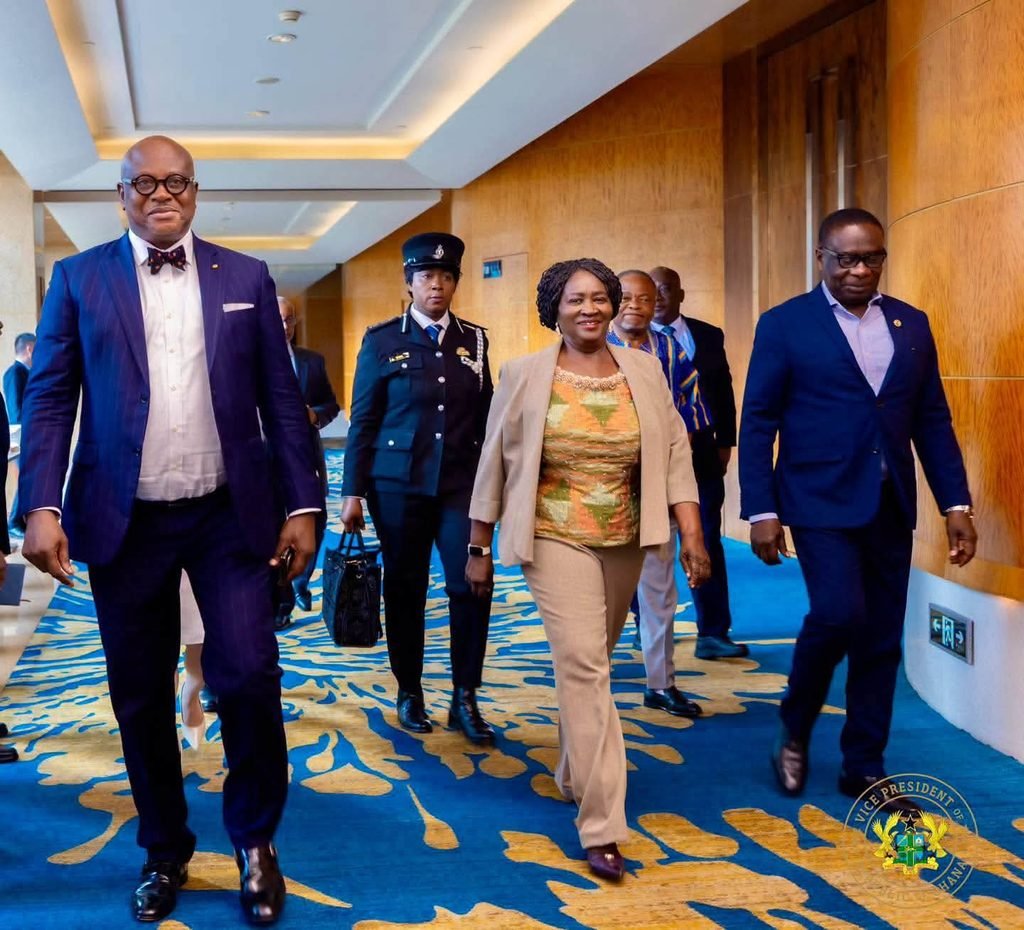
In her keynote address, Prof. Opoku-Agyemang asserted that political independence is only truly the beginning, stating that “winning political power and governing effectively are related but not the same responsibility.” She called for stronger South-South cooperation, multilateralism and reform of the global financial architecture to end debt traps, ensure fair risk assessments and promote climate policies that respect different national circumstances.
On 18th October, she addressed a business forum with Chinese investors, linking Ghana’s 24-Hour Economy policy to industrialization. Warning that training youth without factories creates unemployment, she appealed for factories to be established in Ghana to serve the African Continental Free Trade Area (AfCFTA) market, with priority on value addition in cocoa processing, shea butter, cashew, coconut and timber.
On October 19, Ghana’s Ambassador to China, Kojo Bonsu, hosted a dinner at the Shangri-La for the Vice-President, attended by members of the Ghanaian community and business leaders, who praised the thorough preparation by the Ghana Embassy staff for the visit.
Throughout the trip, Mr. Quayson coordinated with the Ministry of Foreign Affairs to align the engagements with Ghana’s jobs and transformation agenda.
By Edem Mensah-Tsotorme