News
Playing ‘politics’ with energy is dangerous

Energy or power is critical to promote socio-economic development as well as the accelerated growth of the country.
It is a force to drive industries, education, health, water, manufacturing and all aspects of human endeavour.
Without energy or power, the society would be dull and stagnant and there would be no meaningful economic activities and development leading to retarding the growth of the country.
Imagine a hospital without power or a doctor in a middle of operation and suddenly power goes off; the life of the patient would be put at risk.
Also imagine how it feels when your phone suddenly goes off in a middle of an important conversation and there is no power bank or electricity to charge it.
More importantly, there will be water crisis in the country if the Ghana Water Company does not get constant power supply to run its treatment plants to treat water for human and industrial consumption.
There is no gainsaying that the country needs constant and reliable power in its attempt to modernise and industrialise the economy.
Ghana for the past decades has largely relied on hydropower for its energy needs since the construction of the Akosombo, Kpong Hydro Electric and Bui Dams.
Evidently, Ghana has depended on hydropower in view of the country’s numerous water resources such as Volta River and other big rivers.
But, with the dwindling of the country’s hydro resources due to climate change, it has become imperative to explore alternative sources of energy.
Now, it is abundantly clear that the nation cannot rely on hydropower to provide for its power needs considering the energy crisis recorded around 1998 when the water level in the Akosombo Dam dropped drastically.
The recent energy crisis in 2016 is still fresh in the minds of Ghanaians. The crisis evokes anger, sadness in view of the impact it had on businesses and the citizens. A lot of companies collapsed and people lost their jobs and livelihoods as a result of the power crisis.
Equally, the state was not spared the devastating impact of the crisis as it affected the growth of the country and revenue of government.
Encouragingly, Ghana has diversified its energy sources and moved away from hydroelectric enough power to thermal energy.
Consequently, the government has signed a lot of contract with Independent Power Producers such as CENIT, AMERI, and Amandi Energy to produce power for the country.
These companies rely on gas and heavy oil fuel to power their plants, which require huge investment and high capital outlay.
In view of the numerous power arrangements the government has signed, Ghana now has more installed capacity, meaning it has excess power than it needs.
Currently, it is estimated that the country can produce more than 4,500 megawatts of power, while its peak demand is about 2,500 megawatts.
It is envisaged that nation’s excess capacity or power would be exhausted by 2025, which requires strategies and measures by the government to position the country to meet its energy needs after 2025.
This would require huge investment by the government to venture into other energy sources, apart from hydro and thermal, to generate more power.
Power experts argue that the power crisis the country experienced in 2016 was not because it did not have the capacity to meet its energy needs but because the government did not have the purchasing power to import crude oil to power the thermal plants.
But the challenge the country is facing especially the power distribution companies, particularly the Electricity Company of Ghana (ECG) is power theft through illegal connection, which is affecting the revenues of the company.
At an energy forum at the recent Ghana Economic Forum organised by the Business and Financial Times, it emerged that about a quarter that is 25 per cent of power produced in the country, was lost through theft and distributions losses.
In spite of the huge investment that has been made by the government in ECG through the energy component of the Millennium Challenge Account Compact, it appears little had been done to curb power theft.
The Senior Presidential Advisor, Mr Yaw Osafo-Maafo, has suggested that the power distribution companies must deploy technology to address the growing power theft in the country, as a result of illegal connection.
According to him, the high power tariff in Ghana could be blamed on power theft.
Another challenge the energy sector is facing from the distribution side is what is described as ‘political meters,’ and the inability of the ECG to capture every meter in its billing system, thus making people consume power without paying.
Prior to the 2020 election, it is alleged some Members of Parliament distributed meters to their constituents in a bid to secure their votes, and those meters as of now have not been captured by the ECG billing system.
It is obvious that for the past eight months users of such meters have used power without paying for it. The “political meters” are scattered across the country, draining the financial resources of ECG.
Even in cases where ECG itself distributes meters, it takes several years for them to capture such meters in their billing system.
A critical example is that when meters were supplied to consumers in the community I lived, it took ECG several years to start billing people for the power they were consuming. It took publications in the The Spectator newspaper, and backlashes from the public, before ECG started billing users of such meters.
The seemingly lack of urgency on the part of the ECG to promptly capture meters the company had supplied to electricity consumers this billing system, will never happen in the telecommunications industry, where there are systems for consumers to pay for telecommunications services immediately after enjoying the service.
Another issue the energy sector is facing is the inability of the government to set realistic tariffs for fear of losing elections.
As a result the sector continues to accrue debt as the tariffs collected could not pay for the power produced.
Though the government has paid more than $1.5 billion of the energy sector debt, more is being accrued because it has to procure heavy fuel oil and gas to power the thermal plants.
The Executive Director of Institute of Energy Security (IES), Nana Amoasi VII, in a recent interview at the GEF said the tariffs being paid in the country were not cost reflective.
“Yes, as we have it today , our tariffs are not cost reflective, it means that we are not paying what we have to pay and so there is a gap that probably needs to be filled and that gap will be filled through taxes and levies imposed on various products,” he said.
Nana Amoasi VII said the country may, in the long run, suffer energy problems if politicians did not “stop playing politics with electricity”
“If you pay cost-reflective tariffs, all the power production and distribution companies will be liquid enough to run their systems and make sure that we have consistent supply of power and reliable power. But if you choose to say, let us pay what we are paying today, yes pay for it but you won’t have power tomorrow or when you need it also comes at a cost,” he said.
Nana Amoasi VII said the citizens should take the bullet and pay cost reflective tariffs to support the power producing companies.
With the diversification from hydro to thermal power, which is relatively expensive, and the 2016 power crisis still fresh in our minds, it will be in the interest for the political authorities to stop playing politics with electricity and come out with realistic measure and policies to sustain the energy sector, especially at the time when Ghana is hosting the African Continental Free Trade Area initiative.
Writers email/WhatsApp:
gbetomenyo81@gmail.com
(0246943864)
By Kingsley Asare


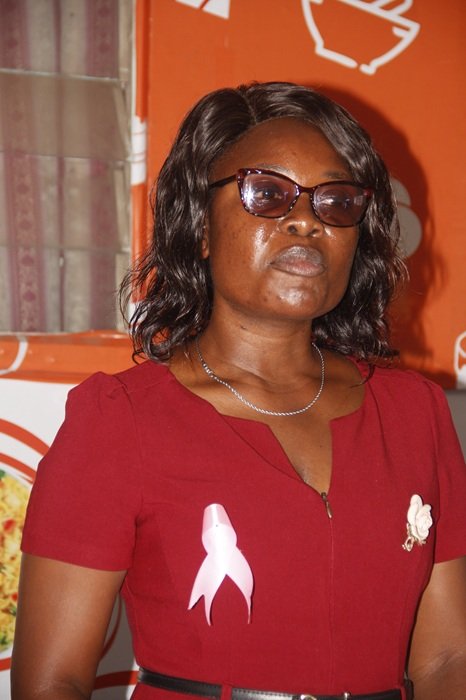
Medical Doctor and dietician, Dr Bernice Korkor Asare, has urged women to take greater responsibility for their lifestyle choices, particularly their eating habits and levels of physical activity, to help reduce their risk of developing breast cancer.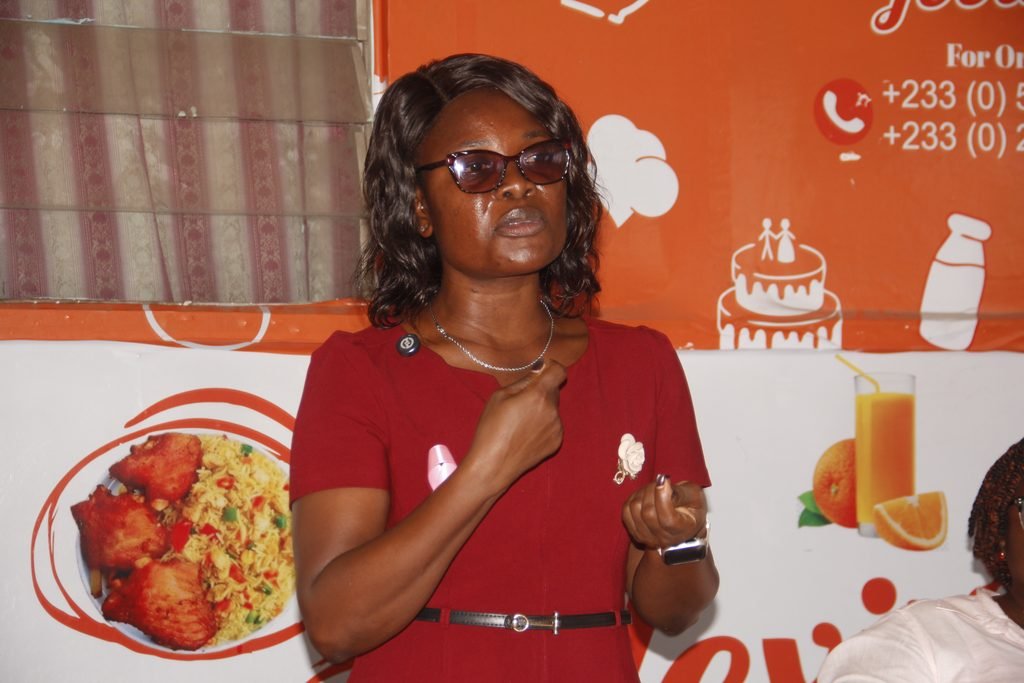
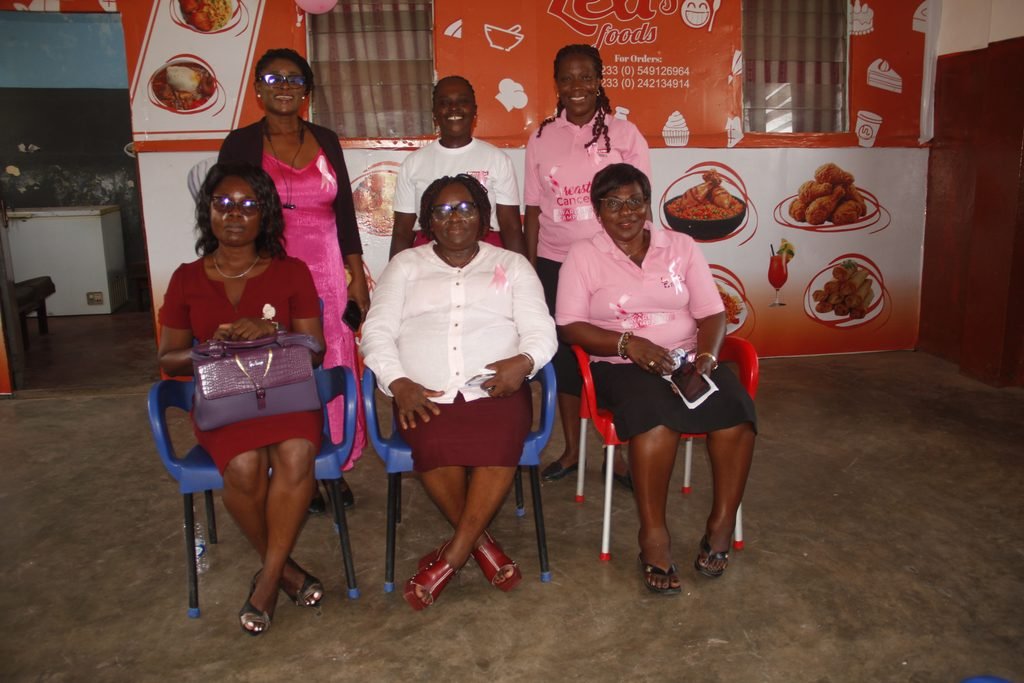
According to her, although, some breast cancer risk factors, such as family history and certain reproductive factors, may not be within an individual’s control, lifestyle choices offer an opportunity for people to take preventive action.
She made this known during a talk on the topic: “Role of diet in breast cancer prevention” organised by Times Ladies Association of the New Times Corporation, publishers of The Ghanaian Times and The Spectator, in Accra on Thursday.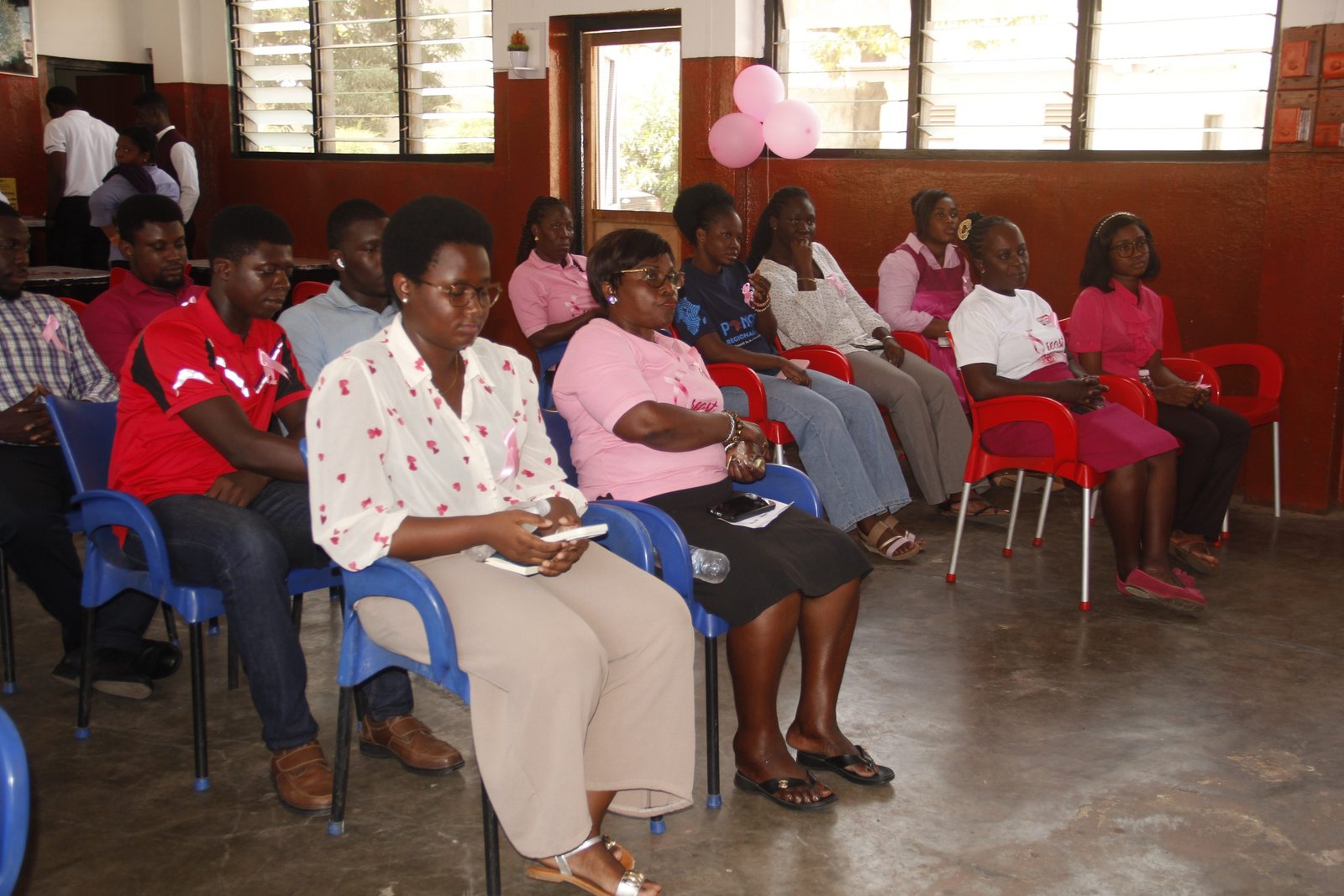
The event themed “Breast Cancer Awareness- Promoting Early Detection, Healthy Eating and Prevention.” 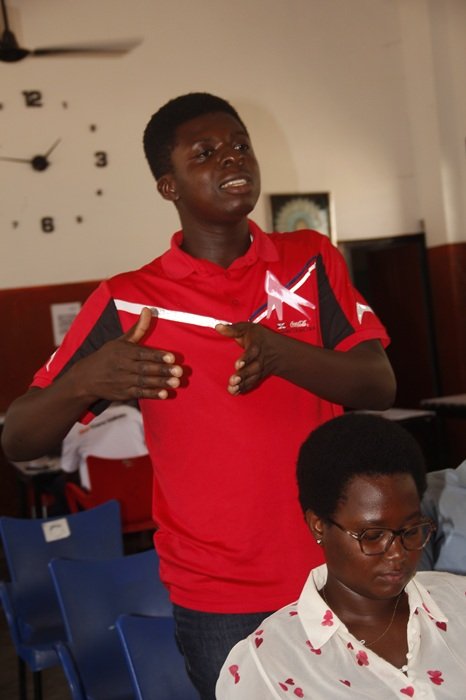
She noted that having a risk factor did not automatically mean a person would develop breast cancer, but could increase the likelihood of developing the disease compared with someone without that particular risk factor.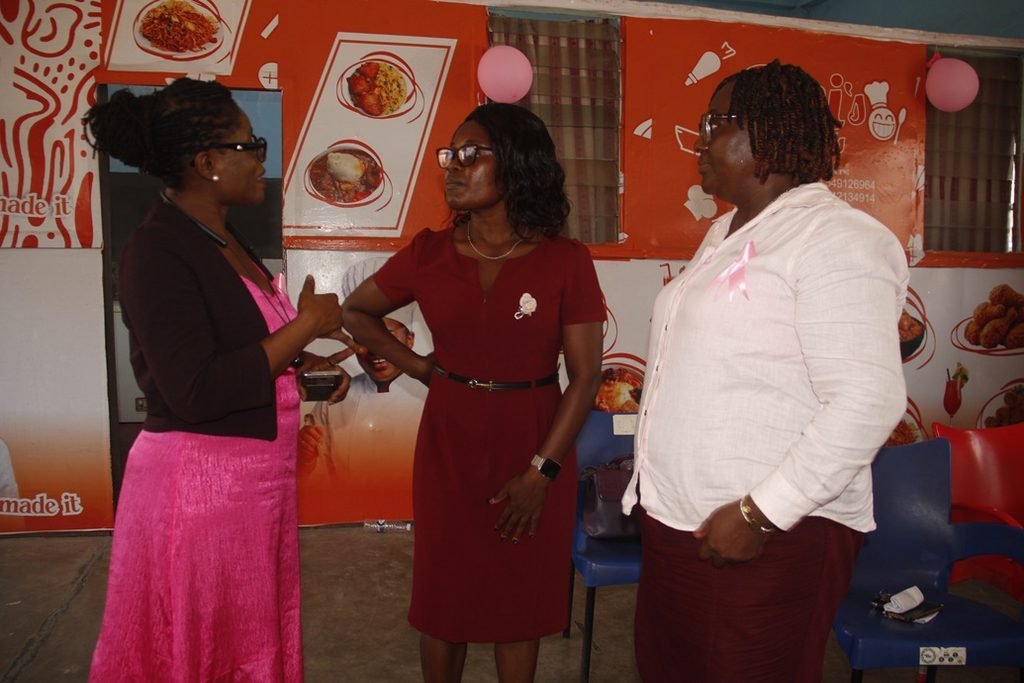
“Having close relatives who have had breast cancer, particularly a mother, sister or daughter, may increase the risk, although not everyone with a family history will develop the disease,” Dr Asare opined. Read More.
By Adizatu K. Munkaila
SKIP THE QUEUE, TAP THE NEWS
Read Daily News
You can now read the Ghanaian Times and The Spectator newspapers from the comfort of your device via TimesNewsPlus.
Buy Maps
Join our WhatsApp Channel: https://whatsapp.com/channel/0029VbBElzjInlqHhl1aTU27
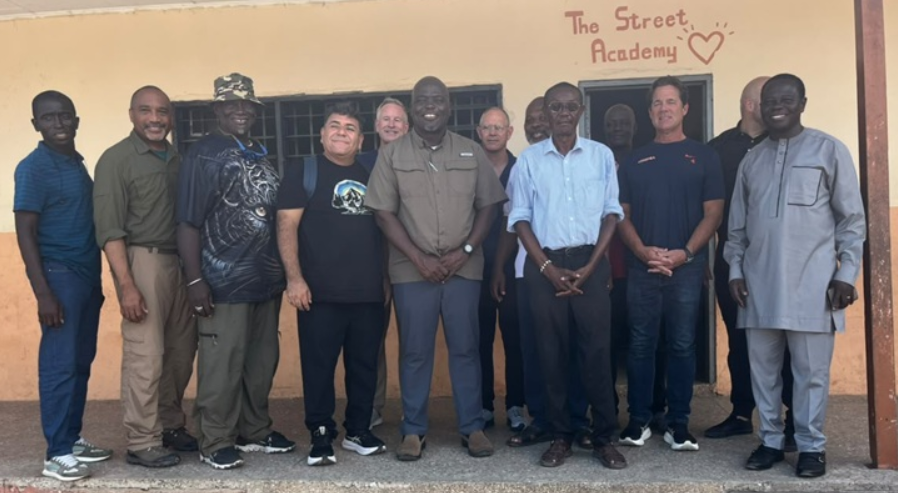
A group of compassionate friends from Innovation Gospel Impact last Friday visited the management, teachers and learners of the Street Academy in Accra.
The visit was to interact to get a deeper insight into the operations of the Academy that houses hundreds of street and underprivileged children and find ways to support them.
The team was led by Rev. Dr Isaac Apenteng Yeboah, a former Director for West African Mailbox Club and Director for Prisons Support Foundation, and Rev. Dale Sutherland from Washington DC.
The call, according to the visitors was occasioned by reports about the struggles of the Academy despite the occasional support it enjoys from individuals and some corporate entities.
Briefing them, the Founder and Executive Director of the Academy, Dr Ataa Lartey, thanked them for the concern showed, indicating that “this is a major boost for both teachers and learners; knowing that their plight is known by people outside their premises.”
According Dr Lartey, the Academy had planned to undertake a number of project to enhance teaching and learning and also procure facilities for the children with keen interest in sports but had to shelve those plans for lack of finance.
He told the team that their biggest concerns were the monthly utility bills that takes a toll on their finances.
“We have a piece of land we planned to turn into an astro turf pitch to train the younger ones whose interests lies in making a career out of football, however, we have been unable to commence because there is no money now,” he said.
Dr Lartey expressed gratitude to the teachers who have dedicated their lives to training these children, rather than going for well-paying jobs and hoped that with time, their conditions of engagement would improve.
Moved by the plight of the Academy, the group donated a cash amount of Gh₵3,000 to settle its water bills.
They described as unfortunate the conditions of learners and teachers of the Academy and pledged to continuously support their operations to realize the dream to build a better future for the unfortunate children.
The group offered to support the school with its monthly utility bills, feeding and staff allowance and urged the Academy staff to remain in constant touch with them.
The Street Academy is located at the Accra Art Center and offers brilliant but needy the chance to pursue their educational dreams by enrolling them in public schools with others offered training in sports and cultural activities.
By Spectator Reporter
SKIP THE QUEUE, TAP THE NEWS
You can now read the Ghanaian Times and The Spectator newspapers from the comfort of your device via TimesNewsPlus.
Join our WhatsApp Channel: https://whatsapp.com/channel/0029VbBElzjInlqHhl1aTU27