Hot!
Pathetic stories of women who underwent Female Genital Mutilation


- /home/u249204778/domains/spectator.com.gh/public_html/wp-content/plugins/mvp-social-buttons/mvp-social-buttons.php on line 27
https://spectator.com.gh/wp-content/uploads/2023/03/Many-women-in-the-north-are-victims-of-FGM.jpg&description=Pathetic stories of women who underwent Female Genital Mutilation', 'pinterestShare', 'width=750,height=350'); return false;" title="Pin This Post">
- Share
- Tweet /home/u249204778/domains/spectator.com.gh/public_html/wp-content/plugins/mvp-social-buttons/mvp-social-buttons.php on line 72
https://spectator.com.gh/wp-content/uploads/2023/03/Many-women-in-the-north-are-victims-of-FGM.jpg&description=Pathetic stories of women who underwent Female Genital Mutilation', 'pinterestShare', 'width=750,height=350'); return false;" title="Pin This Post">
Many women in the north are victims of FGM
Ms Aisha Yakubu, 20, from Pusiga in the Upper East Region of Ghana is among 125 million young women in the world who have permanent scars on their bodies to show after surviving female genital mutilation.
According to Aisha, she was circumcised when she was nine years old although she was told by her mother in advance it would happen to her.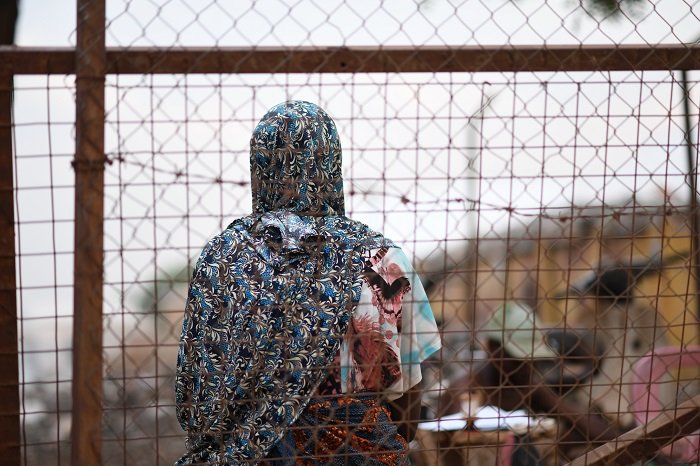
“The circumcision was performed in an elderly woman’s house which few girls of my age were gathered in a form of ceremony,” she said.
The activity looked like an annual festival, where some elderly women were dancing and singing traditional songs. Then, one by one, they began to perform the circumcision.
“The pain was unbearable after several days where I have to remain indoor to be given some herbal medications to heal the wound as well as to relieve me of the pains,” she added.
Female Genital Mutilation, popularly known as Female Circumcision is the partial or complete removal of external female genitalia.
Today, female circumcision is illegal, but the procedure continues to be conducted secretly in some rural communities in Northern Ghana.
Another victim, Charity (not real name), was only nine years old when she also underwent female genital mutilation (FGM) in a village near Pusiga.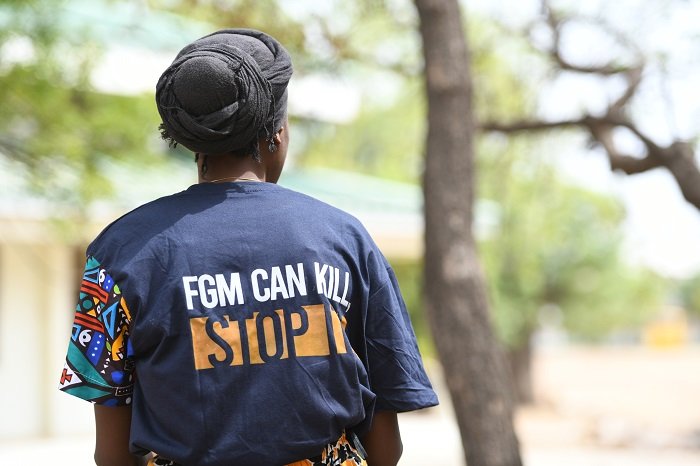
According to her, she went into the process willingly believing that was her initiation into adulthood.
Narrating her story to The Spectator, she said she bled for a long time, and this scared other girls ready to undergo FGM then.
Victoria Yakubu, a Community Health Nurse who lives in Tamale, also shared her story of stigmatisation when her friends heard she was a victim of FGM.
“I felt very lonely and unwanted when the people around me knew I had no feeling when making love, it psychologically affected me. But as time went on, I mustered courage to feel who I am,” she added.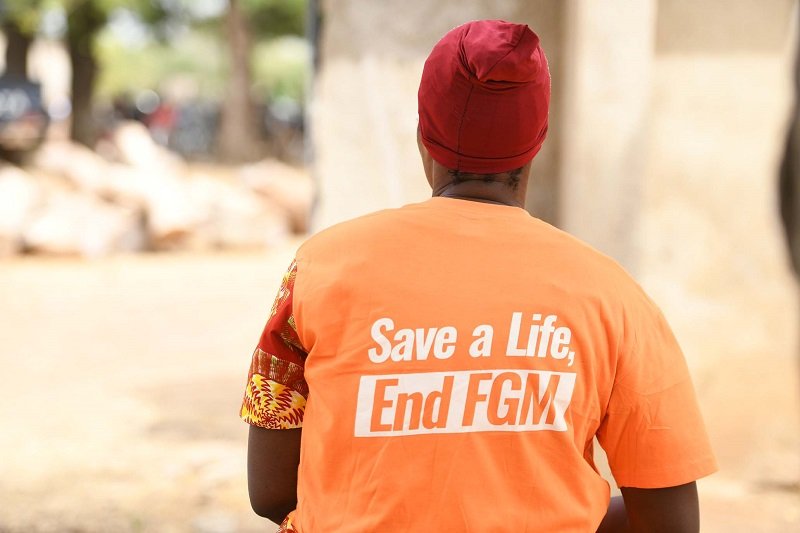
Now as a mother of two and an advocate against FGM, she urged the youth, community elders, traditional, religious leaders and parents to make sure innocent girls are not cut mercilessly because of traditional belief.
Mr. Francis Azienko from Pusiga said, “the circumcision is considered part of a cultural tradition performed to preserve young girls’ virginity and prevent pre and extra marital sex, early pregnancy as well as sexual transmitted diseases.
“Though the practice brought pain and scars to the innocent girls, I believe it also helped them to remain faithful,” he said.
Mr, Azienko said, though the procedure had been banned, it was carried out secretly in some communities in the Upper East Region.
From Geoffrey Buta, Pusiga.



The Tema Regional Police Command has arrested a 32-year-old man for allegedly posing as a soldier and extorting money from unsuspecting members of the public at Ashaiman.
The suspect, identified as Bright Atsu Kudiabor, was arrested by the Ashaiman Police on Wednesday, September 16, 2026, at about 7:00 a.m.
According to the Police, he was arrested at an area known as “I Shall Return”, where he was allegedly parading himself as a soldier and demanding money from people.
The Police said Kudiabor, who is an ex-convict, was initially arrested by personnel of the Ghana National Fire Service in Ashaiman with assistance from other members of the public.
A search conducted on him after he was handed over to the Police reportedly led to the recovery of a set of military camouflage uniform.
The suspect is currently in Police custody and assisting with investigations.
The Tema Regional Police Command said he would be processed for court after investigations are completed.
The Police urged the public to remain vigilant and report anyone who falsely presents themselves as a soldier or a member of another security agency to deceive or extort money from the public.
By: Jacob Aggrey

Volta Regional Minister, James Gunu, says the Volta Region holds enormous agricultural potential and efforts must be geared towards connecting farmers to the needed resources to unlock that potential.
He said focus must be on linking farmers to resources, technology, financing and markets to increase production, create jobs and build sustainable livelihoods.
Hon. Gunu made the remarks at the national launch of the Ghana Tomato Self-Sufficiency Initiative (GHATSI) held at Anloga in the Volta Region on Tuesday, September 15.
The initiative, under the theme “Produce at Home. Feed the Nation. Export the Surplus,” seeks to boost local tomato production, processing and marketing while reducing Ghana’s heavy reliance on imported tomatoes.
The launch was attended by the Minister for Food and Agriculture, Eric Opoku, his Deputy, John Setor Dumelo, Feed Ghana Coordinator, Bright Demordzi, Members of Parliament, traditional leaders, MMDCEs, farmers and other stakeholders.
Mr.Gunu expressed appreciation to the Minister for Food and Agriculture for the support announced for the region, including two excavators, 200 cartons of organic fertiliser, and GH¢200,000 for Ms. Kuatudzo Esther Dela, a tomato farmer and processor from Ziope.
He described the initiative as an important step towards making agriculture a stronger driver of food security, job creation and economic growth in the Volta Region.
By Edem Mensah-Tsotorme