Nutrition
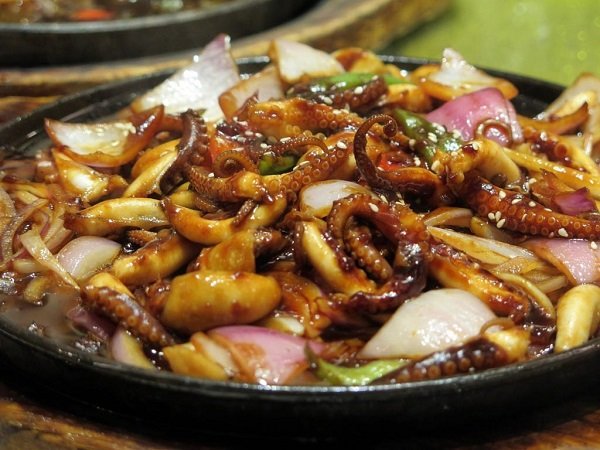
Octopus vegetable sauce

- /home/u249204778/domains/spectator.com.gh/public_html/wp-content/plugins/mvp-social-buttons/mvp-social-buttons.php on line 27
https://spectator.com.gh/wp-content/uploads/2022/12/Octopus-Sauce.jpg&description=Octopus vegetable sauce', 'pinterestShare', 'width=750,height=350'); return false;" title="Pin This Post">
- Share
- Tweet /home/u249204778/domains/spectator.com.gh/public_html/wp-content/plugins/mvp-social-buttons/mvp-social-buttons.php on line 72
https://spectator.com.gh/wp-content/uploads/2022/12/Octopus-Sauce.jpg&description=Octopus vegetable sauce', 'pinterestShare', 'width=750,height=350'); return false;" title="Pin This Post">
• Octopus sauce
Ingredients
• 1 medium sized fresh octopus
• Vegetables (carrot, bell pepper [green, red orange, yellow], chili pepper, cucumber, onions)
• 5 tablespoonfuls of oil
• Salt
• Corn flour
• Spices (according to preference)
• Soy sauce
• 1 cup of water
Procedure
1. Thoroughly wash octopus and cut into sizeable pieces.
2. Season and put octopus in a refrigerator for about five minutes.
3. Wash and cut vegetables.
4. Add chili to seasoned octopus and sauté for about five minutes.
5. Add ¼ cup of water to sautéed octopus and leave to simmer for 2 to 3 minutes
6. Mix two tablespoonfuls of corn flour with water, add enough water to get a thinner mixture
7. Add one tablespoonful of soy sauce to corn flour mixture
8. Add corn flour mixture to simmering octopus.
9. Add salt to taste.
10. Add a little water if sauce is too thick.
11. Add chopped carrot to sauce and let it simmer for about one minute and add the remaining vegetables.
12. Leave to simmer for two minutes.
13. Serve with rice or preferred accompaniment.
By Josephine Nyorkor Ntreh


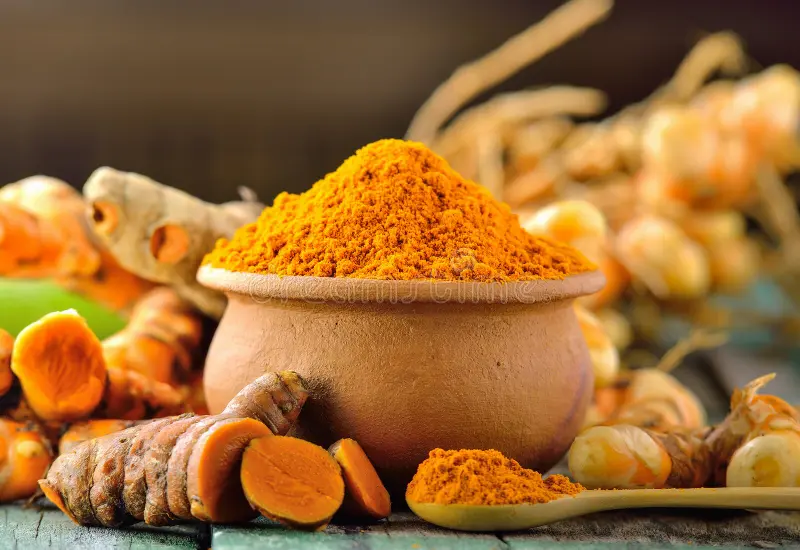
Turmeric (Curcuma longa), the vibrant, golden-yellow spice derived from the rhizomes of a plant belonging to the ginger family, has been a cornerstone of traditional culinary and medicinal practices. The benefits of turmeric are as follows:
-Anti-inflammatory and antioxidant defenses
At the cellular level, tumeric acts as a potent shield against two fundamental drivers of chronic disease: chronic inflammation and oxidative stress. Low-grade, systemic inflammation is linked to many major health conditions. Tumeric mitigates this by blocking major inflammatory molecules, such as tumor necrosis factor-alpha and interleukin-6, helping to arrest the inflammatory cascade at its source.
– Supports joints, heart, and brain
The systemic relief offered by turmeric is perhaps most visibly felt in joint health. For individuals suffering from osteoarthritis, tumeric drastically reduces joint discomfort and stiffness by dampening inflammatory markers within joint tissues.
-Metabolic and visceral regulation:
Turmeric acts as an effective metabolic regulator, particularly in blood sugar management. Research shows that tumeric enhances insulin sensitivity and lowers blood glucose levels by curbing hepatic glucose synthesis and activating cellular.
-Digestion: Turmeric directly aids digestion and visceral detoxification. It stimulates the gallbladder to produce and secrete bile, an essential fluid required to properly emulsify and break down dietary fats.
-Liver detoxification: The liver benefits directly from eating turmeric. Turmeric protects vulnerable liver cells from chemical and environmental damage while upregulating the cellular enzymes responsible for clearing metabolic waste and toxins from the human body. -Health.com
SKIP THE QUEUE, TAP THE NEWS
You can now read the Ghanaian Times and The Spectator newspapers from the comfort of your device via TimesNewsPlus.
Join our WhatsApp Channel: https://whatsapp.com/channel/0029VbBElzjInlqHhl1aTU27

When we talk about nutrition in Ghana, the conversation often focuses on individual choices: eat more vegetables, reduce sugar and salt, drink more water and exercise regularly.
These messages are important, but they tell only part of the story. Good nutrition is not just a personal responsibility; it is also a food-system issue.
What Ghanaians eat is influenced by what farmers produce, what food costs, how it is processed and marketed, what is served in schools, and what information consumers receive.
Ghana has the agricultural capacity to produce a wide variety of nutritious foods, including vegetables, fruits, legumes, fish, eggs, roots and tubers. Yet production alone is not enough. Poor storage, transportation challenges and weak market access mean that an estimated 30 per cent of food in Ghana can spoil before reaching consumers or retailers, according to a 2025 study by the International Growth Centre. The losses are particularly significant for fruits and vegetables, reducing both farmers’ incomes and the availability of nutritious foods. This is where policy becomes important.
Agricultural policies should consider not only how much food Ghana produces, but also whether that food contributes to healthy diets. Greater support for diverse crops, local vegetables, fruits and legumes could strengthen both agriculture and nutrition.
The food-processing industry has a role as well. Processing can reduce food waste, improve convenience and create new markets for local produce. But greater attention should be paid to the nutritional quality of processed foods, particularly those high in salt, added sugar and unhealthy fats.
Public education must also become more practical. Telling people to “eat healthy” is not enough when nutritious foods may be unaffordable or unavailable. Consumers need information, but they also need a food environment that makes healthier choices realistic.
Good nutrition begins on the farm, continues through the market and food industry, reaches the school and household, and ultimately ends on the plate.
What is needed is greater coordination.
A successful nutrition strategy should connect agricultural production with health objectives, school feeding with local agriculture, food processing with nutritional quality, and public education with the realities of household income and food prices.
The ultimate goal is not simply to produce more food.
It is to ensure that Ghanaians have reliable access to safe, affordable and nutritious food throughout their lives.
Feature Article by Women, Media and Change
SKIP THE QUEUE, TAP THE NEWS
You can now read the Ghanaian Times and The Spectator newspapers from the comfort of your device via TimesNewsPlus.
Join our WhatsApp Channel: https://whatsapp.com/channel/0029VbBElzjInlqHhl1aTU27