Nutrition
Nutrition is more than health —A cross-sectoral policy priority


- /home/u249204778/domains/spectator.com.gh/public_html/wp-content/plugins/mvp-social-buttons/mvp-social-buttons.php on line 27
https://spectator.com.gh/wp-content/uploads/2025/09/Ghana-Health-Service.jpg&description=Nutrition is more than health —A cross-sectoral policy priority', 'pinterestShare', 'width=750,height=350'); return false;" title="Pin This Post">
- Share
- Tweet /home/u249204778/domains/spectator.com.gh/public_html/wp-content/plugins/mvp-social-buttons/mvp-social-buttons.php on line 72
https://spectator.com.gh/wp-content/uploads/2025/09/Ghana-Health-Service.jpg&description=Nutrition is more than health —A cross-sectoral policy priority', 'pinterestShare', 'width=750,height=350'); return false;" title="Pin This Post">
When a child is born underweight in Ghana, the Ministry of Health takes the blame. When a schoolchild struggles to learn because of hunger, the education sector is blamed. When families cannot afford diverse foods, it is seen as a problem for agriculture. But in truth, these are not separate problems, they are pieces of the same puzzle.
Nutrition is not just about hospitals and clinics. It is about farms, schools, social protection, and governance. Yet Ghana continues to treat it as a health-sector issue. The result is fragmented interventions, duplicated efforts, and policies that never add up to real change.
Take agriculture, for example. Too often, the focus is on increasing yields of cash crops rather than improving the diversity of foods available to families. Education? School feeding programmes fill stomachs but often fail to nourish minds because the meals lack essential nutrients. Social protection? Cash transfers help households survive but don’t always ensure children eat balanced meals.
This is why Ghana must adopt a cross-sectoral approach to nutrition policy. Nutrition targets should be integrated into the performance indicators of every ministry; from agriculture to education to finance. A school feeding programme should not be judged only by how many children are fed, but by whether those meals improve nutrition outcomes. Agricultural policies should measure success not just in tonnes of maize, but in whether families can access affordable vegetables, beans, and protein.
Coordinating this requires leadership from the very top. A National Nutrition Council under the presidency could drive this integration, ensuring that all sectors pull in the same direction and are accountable for results.
The reality is simple: no ministry can fix malnutrition alone. But together, through cross-sectoral policies that recognise nutrition as the foundation of development, Ghana can finally break the cycle.
Feature article by Women, Media and Change under its Nourish Ghana: Advocating for Increased Leadership to Combat Malnutrition Project in collaboration with Eleanor Crook Foundation

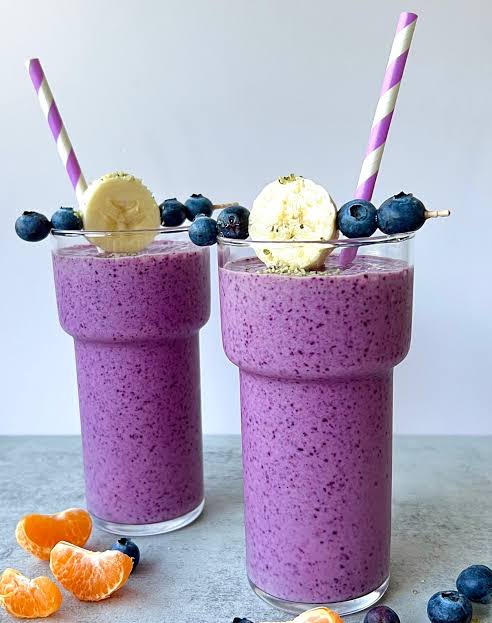
Ingredients
-1 cup of frozen blueberries
-1 medium of ripped banana (fresh or frozen)
-½ cup of plain or greek yogurt
-¾ cup of milk (dairy or plant-based)
-1 teaspoonful of honey or maple syrup (optional)
Preparation
-Wash all ingredients into a bowl
-Blend blueberries and banana.
-Add plain yogurt and cup of milk
-Blend on high speed until completely smooth and creamy.
-Pour into a glass and serve right away
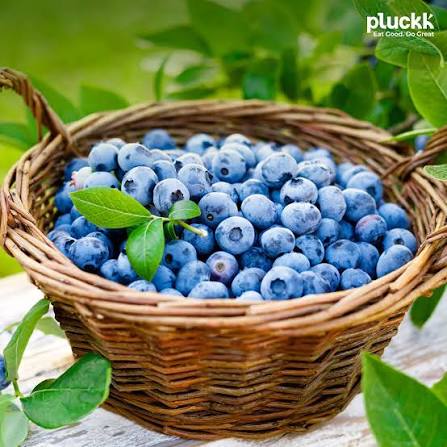
Blueberries have one of the highest antioxidant levels among commonly consumed fruit and vegetables. This is typically referred to as the ORAC score. They are extremely rich in naturally occurring plant compounds called phytochemicals, such as ellagic acid and anthocyanidins. These phytochemicals are responsible for the blue, indigo and red colouring of the berry. They have also been extensively researched for their protective properties.
-Controls blood pressure
Research has shown that anthocyanidins, which are found in berry fruits, supports the cardiovascular system. It supports the health of blood vessels and reducing the arterial stiffness associated with ageing. This is especially useful for post-menopausal women.
Reduce the risk of heart disease
The phytochemicals in blueberries have been seen to prevent oxidative damage to cholesterol. According to research rich in anthocyanins may help lower the risk of heart attacks.
-Regulates blood sugar
Blueberries are both low in sugar and a good source of fibre; as a result, they have a low glycaemic index (GI). This, together with their high flavonoid content, helpsimprove insulin sensitivity, which is important for managing blood sugar levels.
-Maintain eye health
Adding blueberries to diet regularly improve vision and guard against age-related macular degeneration. It improves blood and oxygen flow to the eyes, and the antioxidant protection help to reduce the likelihood of cataract and macular degeneration.
-Reduces gastrointestinal symptoms
Studies suggest the polyphenol and fibre content of blueberries help relieve gut symptoms and improve general well-being in those with abdominal symptoms from gut disorders.
– Ease urinary tract infection symptoms
Many people turn to berries such as cranberries to help prevent urinary tract infections (UTI). Blueberries contain similar compounds to those in cranberries. These compounds may help prevent the bacteria responsible for UTIs from adhering to the bladder wall.
-Reduce muscle damage after exercise
Strenuous physical activity or exercise may lead to soreness and inflammation. Consuming blueberries in a smoothie, for example, before and after such an event may help promote recovery and reduce inflammatory markers.
-Promote healthy ageing
A number of studies suggest that both whole blueberries, their juice and the concentrated powdered form may help reduce oxidative damage. Such damage is an inevitable part of everyday life, but is a key driver in ageing and the development of disease.Bbc.com

 Entertainment1 week ago
Rhythms On Da Runway returns November 28 with 16th edition themed ‘Unbound’
- Entertainment1 week ago
Ohemaa Mercy’s Tehillah Experience outfit was priestly regalia, not costume – Management clarifies
 News1 week ago
Janet Asana Nabla criticises Mahama over China curriculum controversy involving Haruna Iddrisu