News
NPP has the edge to win 2028 polls – Afoko


Aspiring National Chairman for the New Patriotic Party (NPP), Awentami Paul Afoko, has stated that the party has a unique opportunity to annex power in the 2028 elections.
According to him, the one person who has been on Ghana’s ballot paper for several elections will not be on the ballot paper in the 2028 elections, paving the way for the NPP to properly market its flagbearer Dr Mahamudu Bawumia, who is already a formidable force to reckon with and will go ahead to win the polls.
He argued that voters already know him, he’s battle-tested and ready to win.
He reiterated that the NPP will have a well-marketed candidate in the 2028 election and just as the party did in 2016 when it annexed power from a sitting government, the same can be done.
The Former NPP National Chairman, however, noted that this can be possible if the NPP unites as a unit and approach the elections with all the seriousness it deserves to ensure that its quest for victory does not become a mirage.
Mr Awentami Paul Afoko made this known when he met with Regional Executives, Patrons and Elders of the party in the Volta, Oti and Eastern Regions yesterday.
“For the first time we have a unique opportunity. At the time I put the New Plan for Power in place, we knew that the sitting president could go again and if he won another term, we would sit in opposition for twelve years.
We had to put a plan in place to make sure we come to power and we came to power. This time around, he will not be on the ballot paper and this offers us a unique opportunity, but without unity we will not get there,” he stated.
“As for unity, it is not negotiable. You can’t sit here and look at the lady sitting next to you and say I don’t like her so we can’t work together. We are working together for power, and if we let emotions get in the way, we lose” he said.
“Those of you who are old enough to remember Muhammad Ali the boxer, he is in the ring with you, he’s talking and calling you names then you get emotional and he takes advantage. Emotions won’t give us power. I didn’t get anything so I won’t support; no, let that go because it is in the past,” he noted.
Afoko, who is pushing his 3R Agenda of Reunite, Rebuild, and Recapture power, said the party must adopt a clear message to win back the confidence of Ghanaians and believes, with Dr Mahamudu Bawumia, whom he described as the right candidate will guarantee the NPP victory in the 2028 polls.
“For years I chose to work quietly behind the scenes, supporting the NPP in private,” Afoko said.
“But recent developments have compelled me to step forward. We need to get our party back into winning ways, and that starts with unity of purpose,” Afoko reiterated.
He framed the upcoming period as a test of whether NPP politics would mature or remain stuck in cycles of blame, but was optimistic that everyone who loves the party would come on board to realize the goal of making Dr Mahamudu Bawumia the next President of Ghana.
By: Jacob Aggrey





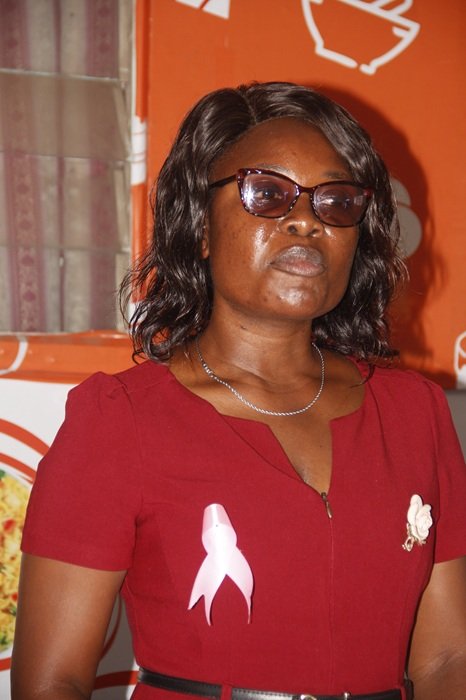
Medical Doctor and dietician, Dr Bernice Korkor Asare, has urged women to take greater responsibility for their lifestyle choices, particularly their eating habits and levels of physical activity, to help reduce their risk of developing breast cancer.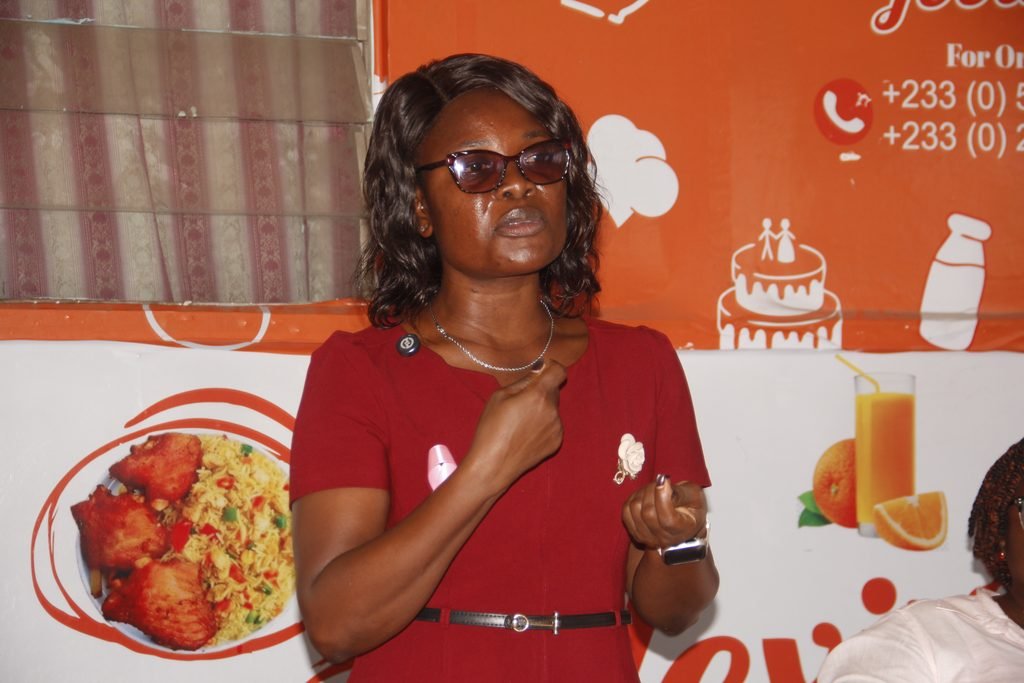
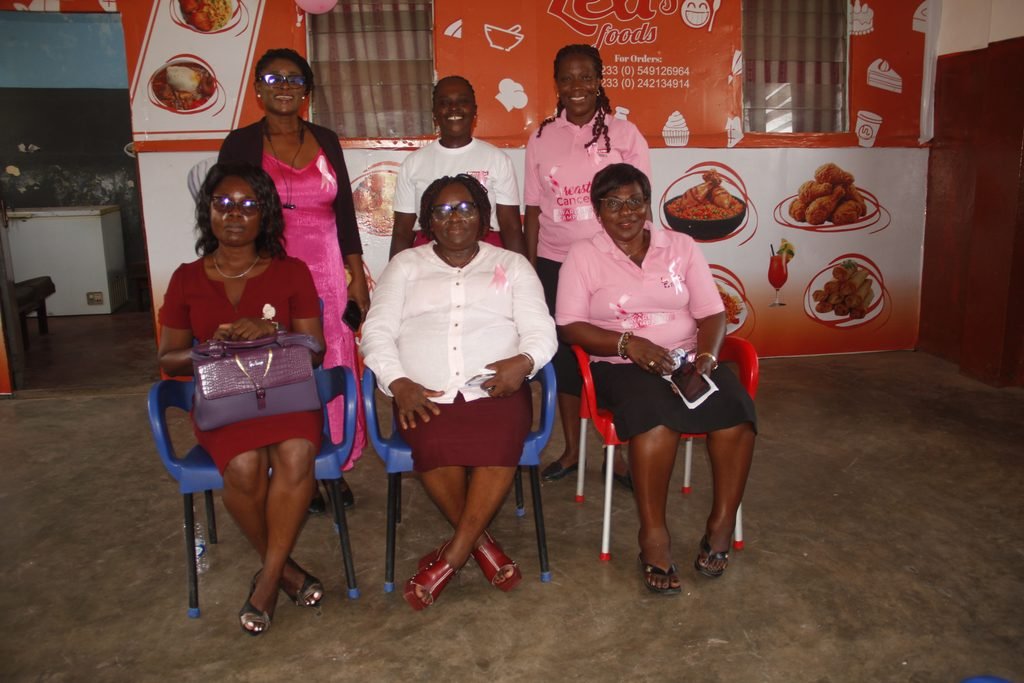
According to her, although, some breast cancer risk factors, such as family history and certain reproductive factors, may not be within an individual’s control, lifestyle choices offer an opportunity for people to take preventive action.
She made this known during a talk on the topic: “Role of diet in breast cancer prevention” organised by Times Ladies Association of the New Times Corporation, publishers of The Ghanaian Times and The Spectator, in Accra on Thursday.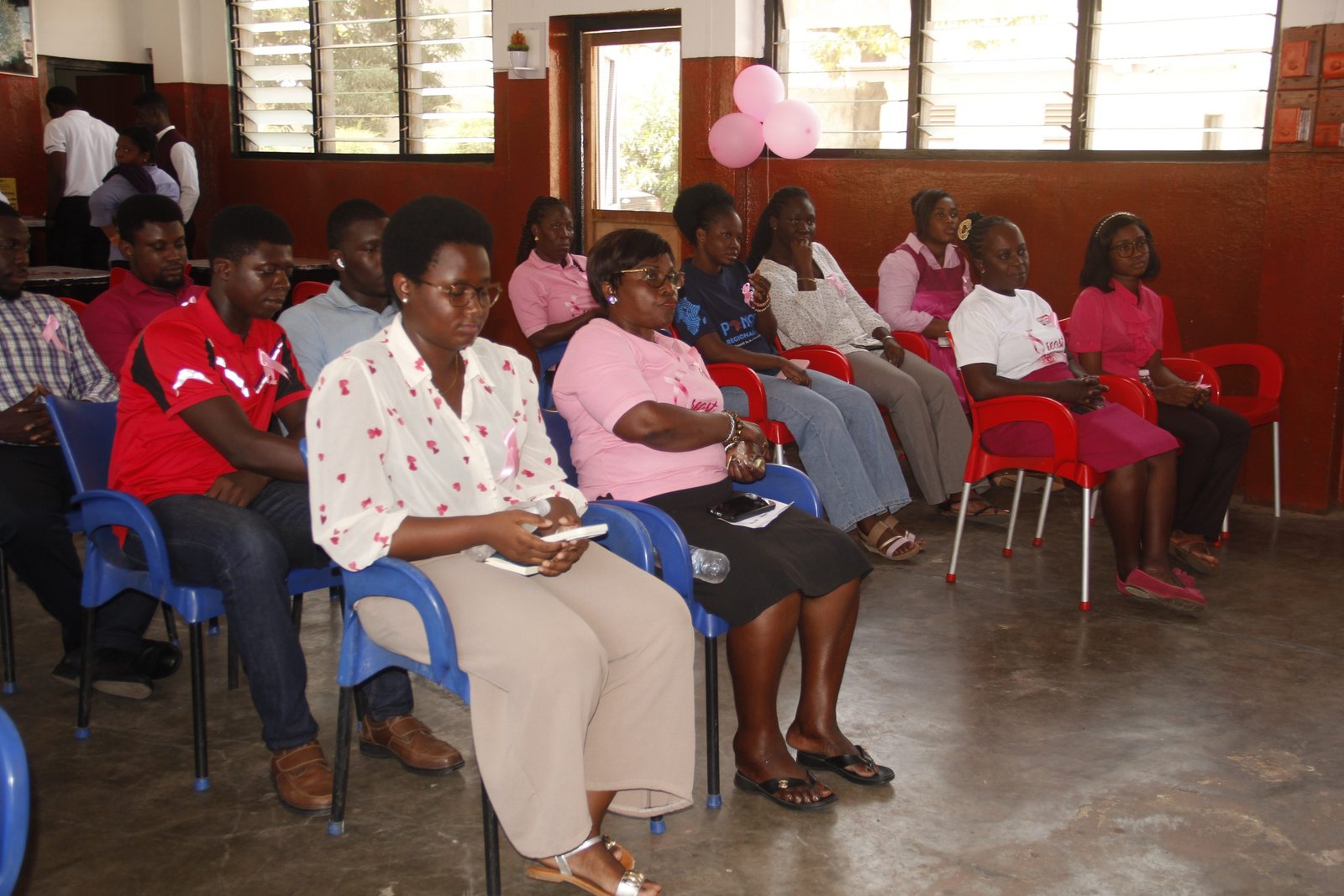
The event themed “Breast Cancer Awareness- Promoting Early Detection, Healthy Eating and Prevention.” 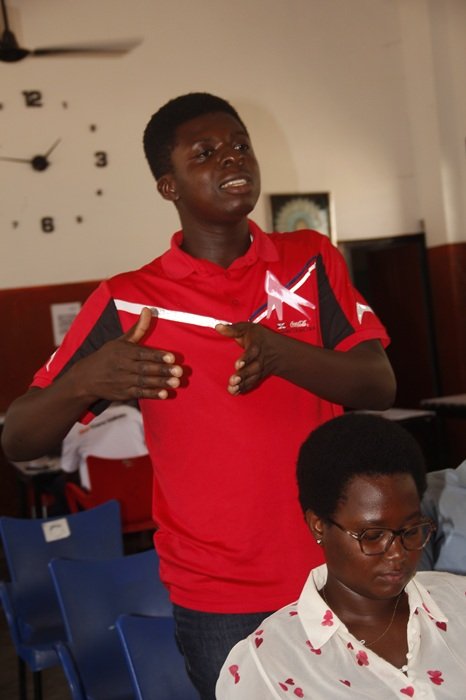
She noted that having a risk factor did not automatically mean a person would develop breast cancer, but could increase the likelihood of developing the disease compared with someone without that particular risk factor.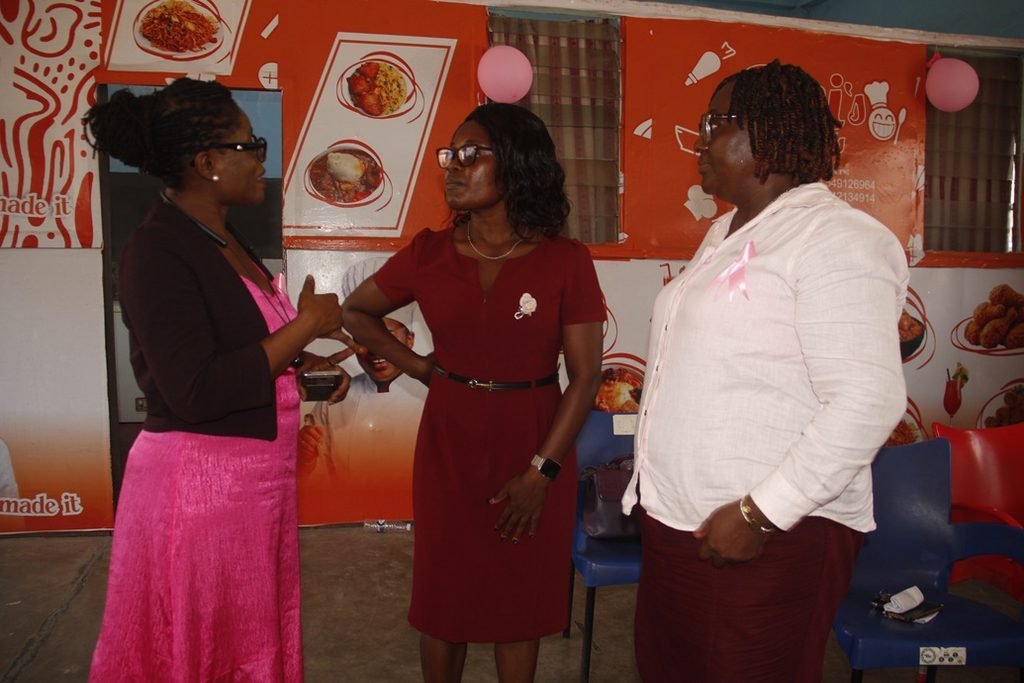
“Having close relatives who have had breast cancer, particularly a mother, sister or daughter, may increase the risk, although not everyone with a family history will develop the disease,” Dr Asare opined. Read More.
By Adizatu K. Munkaila
SKIP THE QUEUE, TAP THE NEWS
Read Daily News
You can now read the Ghanaian Times and The Spectator newspapers from the comfort of your device via TimesNewsPlus.
Buy Maps
Join our WhatsApp Channel: https://whatsapp.com/channel/0029VbBElzjInlqHhl1aTU27
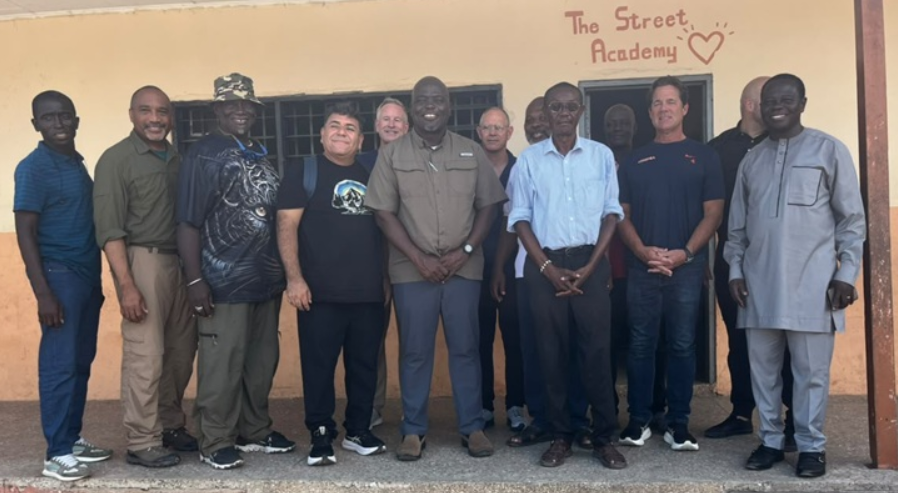
A group of compassionate friends from Innovation Gospel Impact last Friday visited the management, teachers and learners of the Street Academy in Accra.
The visit was to interact to get a deeper insight into the operations of the Academy that houses hundreds of street and underprivileged children and find ways to support them.
The team was led by Rev. Dr Isaac Apenteng Yeboah, a former Director for West African Mailbox Club and Director for Prisons Support Foundation, and Rev. Dale Sutherland from Washington DC.
The call, according to the visitors was occasioned by reports about the struggles of the Academy despite the occasional support it enjoys from individuals and some corporate entities.
Briefing them, the Founder and Executive Director of the Academy, Dr Ataa Lartey, thanked them for the concern showed, indicating that “this is a major boost for both teachers and learners; knowing that their plight is known by people outside their premises.”
According Dr Lartey, the Academy had planned to undertake a number of project to enhance teaching and learning and also procure facilities for the children with keen interest in sports but had to shelve those plans for lack of finance.
He told the team that their biggest concerns were the monthly utility bills that takes a toll on their finances.
“We have a piece of land we planned to turn into an astro turf pitch to train the younger ones whose interests lies in making a career out of football, however, we have been unable to commence because there is no money now,” he said.
Dr Lartey expressed gratitude to the teachers who have dedicated their lives to training these children, rather than going for well-paying jobs and hoped that with time, their conditions of engagement would improve.
Moved by the plight of the Academy, the group donated a cash amount of Gh₵3,000 to settle its water bills.
They described as unfortunate the conditions of learners and teachers of the Academy and pledged to continuously support their operations to realize the dream to build a better future for the unfortunate children.
The group offered to support the school with its monthly utility bills, feeding and staff allowance and urged the Academy staff to remain in constant touch with them.
The Street Academy is located at the Accra Art Center and offers brilliant but needy the chance to pursue their educational dreams by enrolling them in public schools with others offered training in sports and cultural activities.
By Spectator Reporter
SKIP THE QUEUE, TAP THE NEWS
You can now read the Ghanaian Times and The Spectator newspapers from the comfort of your device via TimesNewsPlus.
Join our WhatsApp Channel: https://whatsapp.com/channel/0029VbBElzjInlqHhl1aTU27