News
Nanvili Community Lacks Educational Infrastructure


The Nanvili Community School in the Mion District of the Northern Region is facing severe infrastructural challenges, affecting teaching and learning for pupils in the area.
The school, which serves five surrounding communities with a total of 58 pupils, has deteriorated to the extent that many children have stopped attending classes. Poor classroom conditions and the lack of desks have made teaching and learning difficult. During a visit to the school, the gate-free classrooms were found filled with goat and sheep droppings.
During the rainy season, both teachers and pupils are often cut off from the school due to bad roads and flooding. Teaching activities are frequently suspended for weeks, negatively affecting academic performance.
The Assemblyman for the area, Mr. Dawuni Mutawakil, expressed concern, noting that the situation is worrying since these pupils are expected to compete with their counterparts in urban areas who have access to better facilities. He added that due to limited space, classes have been merged, with pupils from Primary One and Two, Three and Four, and Five and Six sharing the same classrooms.
The Chief of Nanvili, Abu Kassim, also appealed to the government and non-governmental organisations to come to the aid of the community. He emphasized that the current state of the school discourages children from nearby communities from attending.
Both the Chief and Assemblyman have called for urgent intervention to improve infrastructure and provide furniture for the pupils to ensure quality education for children in the Nanvili area.
By Geoffrey Buta, Nanvili, Northern Region
Spectator
Join our WhatsApp Channel now!
https://whatsapp.com/channel/0029VbBElzjInlqHhl1aTU27

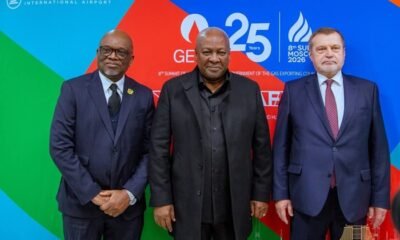





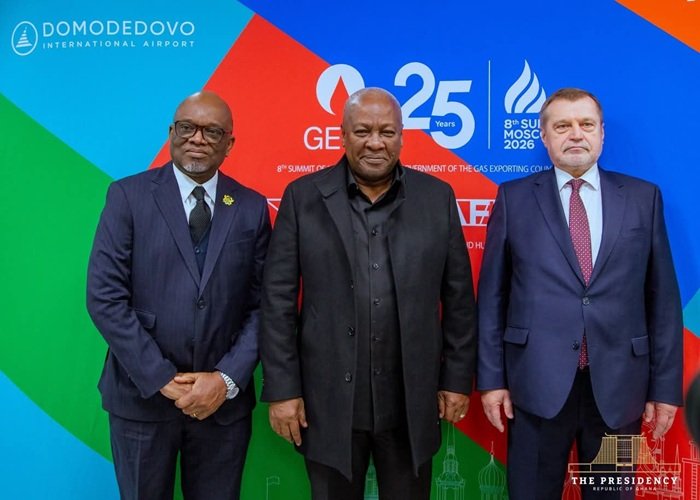
President John Mahama has arrived in Moscow, Russia, from Ethiopia to participate in the 3rd Russia-Africa Summit.
The summit is being hosted by Russian President Vladimir Putin.
During the visit, President Mahama will join fellow African leaders at the Economic and Humanitarian Forum and summit plenary sessions.
He is also scheduled to hold high-level bilateral talks with President Putin and attend a Kente exhibition organised by the Russia-Ghana Parliamentary Forum.
As part of the visit, the President will receive honorary doctorate degrees from the Russian University of Transport and the Peoples’ Friendship University of Russia.
He will also engage Russian businesses and state institutions to advance bilateral cooperation between Ghana and Russia.
By Edem Mensah-Tsotorme
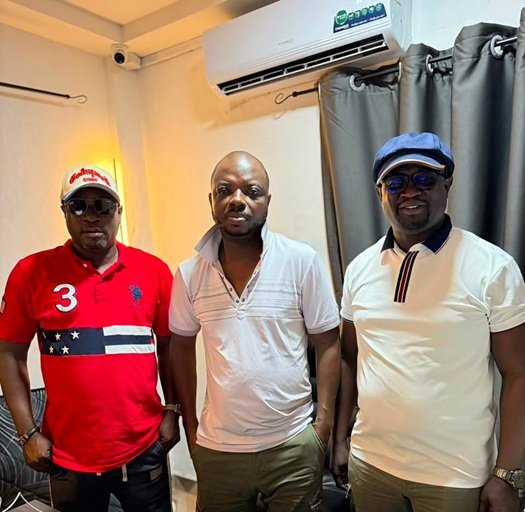
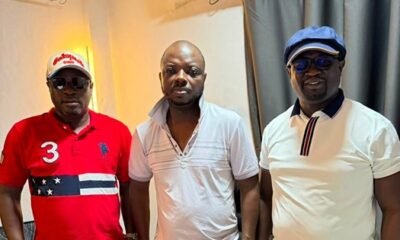
The Greater Accra Regional Organiser of the New Patriotic Party (NPP), Moses Abor, has met with the Bono Regional Chairman of the party, Kwame Baffoe, popularly known as Abronye DC, to address concerns arising from recent social media developments.
In a statement shared , Mr. Abor said he yesterday visited Chairman Baffoe over comments he made on his show, which had raised concern among some party activists.
According to him, he also engaged Charles Opoku Presidoo and ironed out grievances he had earlier held regarding the matter.
Mr. Abor said he was pleased that in the spirit of unity and the party’s shared commitment to return to power in 2028, they had a constructive conversation and addressed the concerns amicably.
“With the matter now resolved, I encourage all Party activists to let the matter rest and redirect our energy toward holding the NDC accountable for its failures and misleading claims,” he said.
He urged party members to continue making the case to Ghanaians on why Dr. Mahamudu Bawumia is the right person to lead the country in 2028.
By Edem Mensah-Tsotorme