Hot!
Nana Kwasi Gyan-Appenteng’s AFCON 2024 Diary-1

- /home/u249204778/domains/spectator.com.gh/public_html/wp-content/plugins/mvp-social-buttons/mvp-social-buttons.php on line 27
https://spectator.com.gh/wp-content/uploads/2024/01/5af43548-9b57-45b8-856f-42d9fa0e0cf6.jpeg&description=Nana Kwasi Gyan-Appenteng’s AFCON 2024 Diary-1', 'pinterestShare', 'width=750,height=350'); return false;" title="Pin This Post">
- Share
- Tweet /home/u249204778/domains/spectator.com.gh/public_html/wp-content/plugins/mvp-social-buttons/mvp-social-buttons.php on line 72
https://spectator.com.gh/wp-content/uploads/2024/01/5af43548-9b57-45b8-856f-42d9fa0e0cf6.jpeg&description=Nana Kwasi Gyan-Appenteng’s AFCON 2024 Diary-1', 'pinterestShare', 'width=750,height=350'); return false;" title="Pin This Post">
The Africa Cup of Nations: Will the Black Stars Anchor Hold?
The Africa Cup of Nations (AFCON), currently underway in Abidjan, Ivory Coast, has a storied history that spans over six decades.
As one of the most prestigious football tournaments on the African continent, AFCON holds immense importance, not only for football enthusiasts but also for the participating nations and their citizens.
A bit of history
AFCON traces its roots back to 1957 when the inaugural tournament took place in Sudan.
Initially, only three teams participated: Egypt, Sudan, and Ethiopia. Since then, the tournament has evolved and expanded, becoming a platform for African nations to showcase their footballing prowess.
AFCON holds great significance for African nations as it provides a platform for national teams to compete against each other, fostering unity and a sense of national pride.
The tournament showcases the immense talent and passion for football that exists across the continent.
Over the years, AFCON has witnessed remarkable growth, both in terms of participation and global recognition.
From its humble beginnings, the tournament now features 24 teams, attracting millions of viewers worldwide.
The competition has also become a talent showcase, providing a springboard for African players to secure contracts with top European clubs.
Moments and Icons:
Throughout its history, AFCON has seen numerous memorable moments that have etched themselves into the annals of African football.
From Ghana winning the initial cup for keeps, Egypt’s unprecedented dominance by winning the tournament a record seven times, to Cameroon’s thrilling victories in 1984 and 2000, each edition has produced its fair share of unforgettable matches and individual performances.
The tournament has also given rise to legendary players who have left an indelible mark on the sport. Icons like Samuel Eto’o, Yaya Touré, Jay-Jay Okocha, Abedi Pele, and Roger Milla have showcased their extraordinary skills on the AFCON stage, inspiring generations of African footballers.
Beyond Football: Social and Economic Impact:
AFCON’s importance extends beyond the realm of football. Hosting the tournament offers significant economic benefits to the host nation, boosting tourism, infrastructure development, and local businesses.
It also provides an opportunity for African countries to showcase their cultural heritage, fostering a sense of unity and promoting the continent as a vibrant and diverse destination. Moreover, AFCON serves as a powerful tool for social cohesion and nation-building.
The tournament brings together people from diverse backgrounds and unites them under a common love for the game, fostering a sense of national identity and pride.
As the Africa Cup of Nations continues to captivate football fans across the globe, its rich history and enduring importance become increasingly apparent.
This tournament not only celebrates the exceptional footballing talent that Africa possesses but also serves as a catalyst for social and economic development. AFCON is a testament to the power of sport in bringing people together and showcasing the best of the African continent.
The Black Stars in the mix
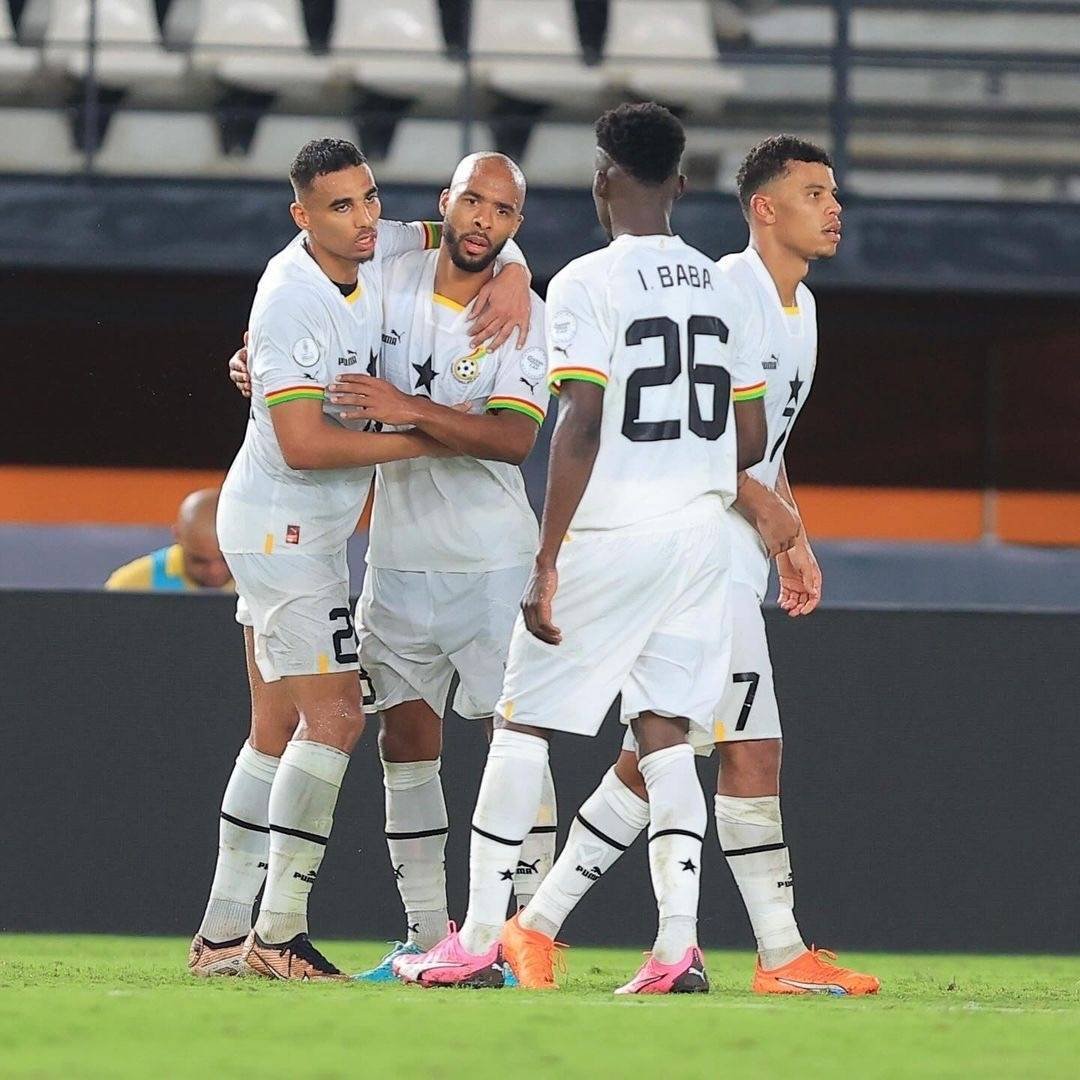
It is with this rich background of the tournament that Ghanaians are tormented by the 40-year cup drought. The Black Stars have lifted the cup four times, but it has been 42 years since a Ghanaian finger intentionally touched Africa’s foremost football trophy.
Since then, we have come close on a number of occasions, especially the two finals that were both won by Ivory Coast in penalty shoot-outs in 1992 and 2015.
Today, it would take bravery or foolhardiness, perhaps a combination of the two, to declare Ghana as one of the favourites of the tournament. But Ghana has history as its anchor, and our opponents don’t write us off, not even after succumbing to the likes of Comoros. Maybe, just maybe, the Black Stars achor will hold.
The 2024 edition of this venerable competition is on, and your daily Diary will keep you informed and entertained. Stay tuned.


General Secretary of the New Patriotic Party (NPP), Justin Kodua Frimpong, has filed his nomination to contest the position of General Secretary again as the party begins its rebuilding efforts ahead of the 2028 general elections.
He was accompanied by party stalwarts and supporters who were in high spirits, expressing confidence that he is the right person to hold the position.
Speaking after filing his nomination, Mr Kodua Frimpong assured the rank and file of the party that he would not disappoint them.
“I can assure you that the faith the rank and file of the party have had in me, I will never disappoint them,” he said.
He also pledged to run a clean campaign devoid of personal attacks.
“I can assure you that our internal campaign will be devoid of personal attacks,” he told his fellow contestants and the rank and file of the party as he seeks to retain his position.
His tenure has seen the party through the 2024 general elections, where the NPP lost power to the National Democratic Congress (NDC) after eight years in government.
The party is currently in a rebuilding phase, with internal elections scheduled to elect new national executives to lead its reorganization towards the 2028 polls.
The General Secretary position is considered one of the most influential in the party’s administrative structure, responsible for the day-to-day running of the party secretariat and implementation of party decisions.
By Edem Mensah-Tsotorme

The University of Ghana Medical Centre (UGMC) has disputed claims made on social media by comedian Michael Blackson concerning the treatment given to his late mother, saying a review found that the allegations did not accurately reflect what happened during her stay at the hospital.
In a statement issued in Accra on August 5, 2026, the management of UGMC expressed condolences to Mr. Blackson and his family over the death of his 83-year-old mother, who died at the facility on July 16, 2026.
The hospital said it had taken the concerns raised by Mr. Blackson seriously and conducted a thorough review in line with its clinical and administrative procedures.
According to the statement, the facts presented by Mr. Blackson on social media contained “numerous inaccuracies” and did not accurately reflect the medical care provided to his mother.
UGMC explained that she was referred to the facility from another hospital and received treatment there from May 27 to July 16, 2026, a period of about eight weeks.
The hospital stated that it would not release details of her diagnosis, treatment, medical records or other aspects of her care because it had a duty to protect patient confidentiality, even after death.
It said the decision was intended to respect the dignity of the deceased and the privacy of her family.
UGMC further stated that all clinical decisions at the facility are made by qualified healthcare professionals based on medical judgment, established standards of care and the best interests of the patient.
The statement added that such decisions are made in consultation with authorised family representatives where necessary and that billing and financial procedures are governed by institutional policies and are separate from clinical decision-making.
The hospital noted that it values feedback from patients and their families and considers both positive and negative comments important for improving the quality of care.
Mr. Blackson had earlier used social media to criticise the care his mother received at UGMC, prompting the hospital’s response.
By: Jacob Aggrey