News
Kindness, the nature of Heaven

FEW years ago when I was called to lead a unit of my church, I had a desire to visit those who were less active in the church and see if there was anything we could do to bring the blessings of the gospel into their lives. One day we visited a brother who told me the last time he had been to church was many years back and he did’t even remember the last time he went to church. Something had happened that day. A fellow member said some unkind words to him that he walked out of chapel and never returned. It was remarkable to me that an unkind word spoken many years back could have had such a profound effect. But it had. And, as a consequence, this man had never returned to church. Neither had his wife nor children. I apologised to him and expressed my sorrow that he had been treated that way. I told him how unfortunate it was that one word spoken in haste, and so long ago, could have the effect of excluding his family from the blessings that come from church activity. “After many years,” I told him, “it’s time the church made things right.” I did my best to do so. I reassured him that he was welcome and needed. I rejoiced when this man and his family eventually returned to church and became strong and faithful members. Kindness is the essence of greatness and the fundamental characteristic of the noblest men and women I have known. Kindness is a passport that opens doors and fashions friends. It softens hearts and moulds relationships that can last lifetimes. Kind words not only lift our spirits in the moment they are given, but they can linger with us over the years. Kindness is the essence of a celestial life. Kindness is how a Christlike person treats others. Kindness should permeate all of our words and actions at work, at school, at church, and especially in our homes. Jesus, our Saviour, was the epitome of kindness and compassion. He healed the sick. He spent much of His time ministering to the one or many. He spoke compassionately to the Samaritan woman who was looked down upon by many. He instructed His disciples to allow the little children to come unto Him. He was kind to all who had sinned, condemning only the sin, not the sinner. Yet His greatest act of kindness was found in His
atoning sacrifice, thus freeing all from the effects of death, and all from the effects of sin, on conditions of repentance.
The things you say, the tone of your voice, the anger or calm of your words; these things are noticed by your children and by others. They see and learn both the kind and the unkind things we say or do. Nothing exposes our true selves more than how we treat one another in the home. I often wonder why some feel they must be critical of others. It gets in their blood, I suppose, and it becomes
so natural they often don’t even think about it. They seem to criticise everyone—the way Ama sings in church, the way Brother Kofi teaches a lesson or plants his garden. Even when we think we are doing no harm by our critical remarks, consequences often follow. I am reminded of a boy who committed suicide and left a note saying his mother kept telling him that her life started down spiral when she gave birth to him. His husband left her and she became a single mother and always reminded her son about what he has brought into her life. One morning on his mother birthday this boy took his own life and left a note telling the mother that he’s gone so that she can have the life she wanted. As parents we need to be careful about what we say to our children. “Oh the kind words we give shall in memory live.” A church is not a place where perfect people gather to say perfect
things, or have perfect thoughts, or have perfect feelings. The church is a place where imperfect people gather to provide encouragement, support, and service to one another as we press on in our journey to return to our Heavenly Father. Each one of us will travel a different road during this life. Each progresses at a different rate. Temptations that trouble your brother may not challenge you at all. Strengths that you possess may seem impossible to another. Never look down on those who are less perfect than you. Don’t be upset because someone can’t sew as well as you, can’t throw as well as you, can’t row or hoe as well as you. We are all children of our Heavenly Father. And we are here with the same purpose: to learn to love Him with all our heart, soul, mind, and strength, and to love our neighbour as ourselves.
One way you can measure your value in the kingdom of God is to ask, “How well am I doing in helping others reach their potential? Do I support others in our communities and family, or do I criticise them?” If you are criticising others, you are weakening the community. If you are building others, you are building the community. As Heavenly Father is kind, we also should be kind to others. James E. Talmage, a man who is remembered for his doctrinal teachings, showed great kindness to a neighbour family in distress. They were complete strangers to him. Before he was an Apostle, as a young father, he became aware of great suffering at a neighbour’s home whose large family was stricken with the dreaded diphtheria. He did not care that they were not members of the church; his kindness and charity moved him to act. The Relief Society was desperately trying to find people
to help, but no one would because of the contagious nature of the disease. When he arrived, James found one toddler already dead and two others who were in agony from the disease. He immediately went to work, cleaning the untidy house, preparing the young body for burial, cleaning and providing for the other sick children, spending the entire day doing so. He came back the next morning to find that one more of the children had died during the night. A third child was still suffering terribly. He wrote in his journal: “She clung to my neck, ofttimes coughing [germs] on my face and clothing, … yet I could not pull her from me. During the half hour immediately preceding her death, I walked the floor with the little creature in my arms. She died in agony at 10 a.m.” The three children had all departed within the space of 24 hours. He then assisted the family with the burial arrangements and spoke at their graveside services.This he did all for a family of strangers. What a great example of Christlike kindness! When we are filled with kindness, we are not judgemental. The Saviour taught, “Judge not, and ye shall not be judged: condemn not, and ye shall not be condemned: forgive, and ye shall be forgiven.” He also taught that “with what judgement ye judge, ye shall be judged: and with what measure ye mete, it shall be measured to you again.” “But,” you ask, “what if people are rude?” Love them. “If they are obnoxious?” Love them. “But what if they offend? Surely I must do something then?”Love them. “Wayward?”The answer is the same. Be kind. Love them. Why? In the scriptures Jude taught, “And of some have compassion, making a difference.”Who can tell what far-reaching impact we can have if we are only kind? The gospel of Jesus Christ transcends mortality. Our work here is but a shadow of greater and unimaginable things to come. May we be models of kindness. May we ever live up to the words of the Saviour: “By this shall all men know that ye are my disciples, if ye have love one to another.”
“Kindness is the essence of greatness and the fundamental characteristic of the noblest men and women I have known. Kindness is a passport that opens doors and fashions friends. It softens hearts and moulds relationships that can last lifetimes.”
By Samuel Enos Eghan


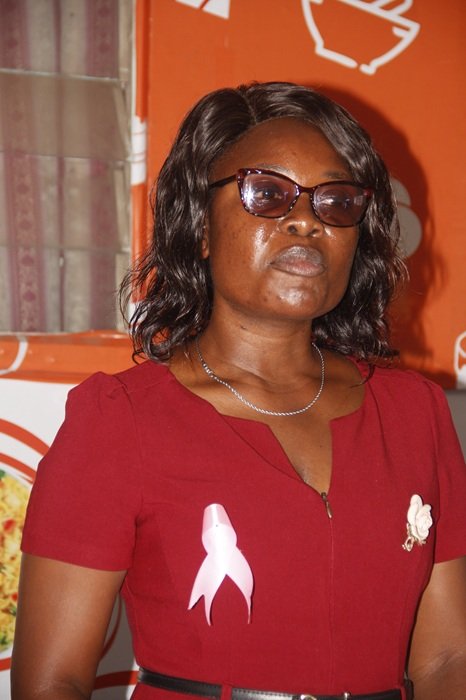
Medical Doctor and dietician, Dr Bernice Korkor Asare, has urged women to take greater responsibility for their lifestyle choices, particularly their eating habits and levels of physical activity, to help reduce their risk of developing breast cancer.
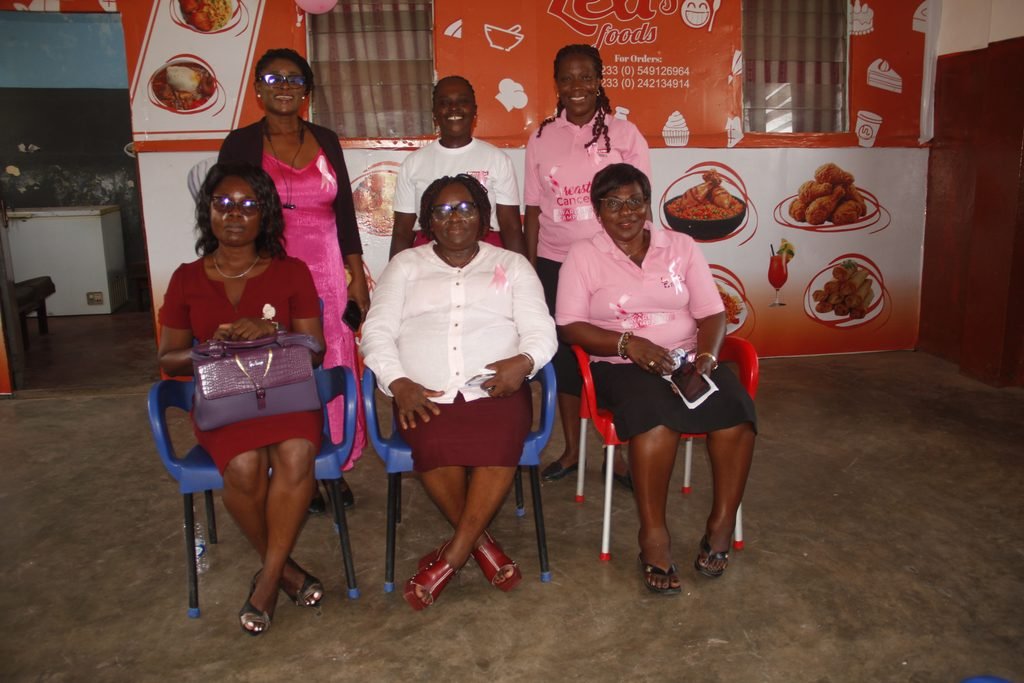
According to her, although, some breast cancer risk factors, such as family history and certain reproductive factors, may not be within an individual’s control, lifestyle choices offer an opportunity for people to take preventive action.
She made this known during a talk on the topic: “Role of diet in breast cancer prevention” organised by Times Ladies Association of the New Times Corporation, publishers of The Ghanaian Times and The Spectator, in Accra on Thursday.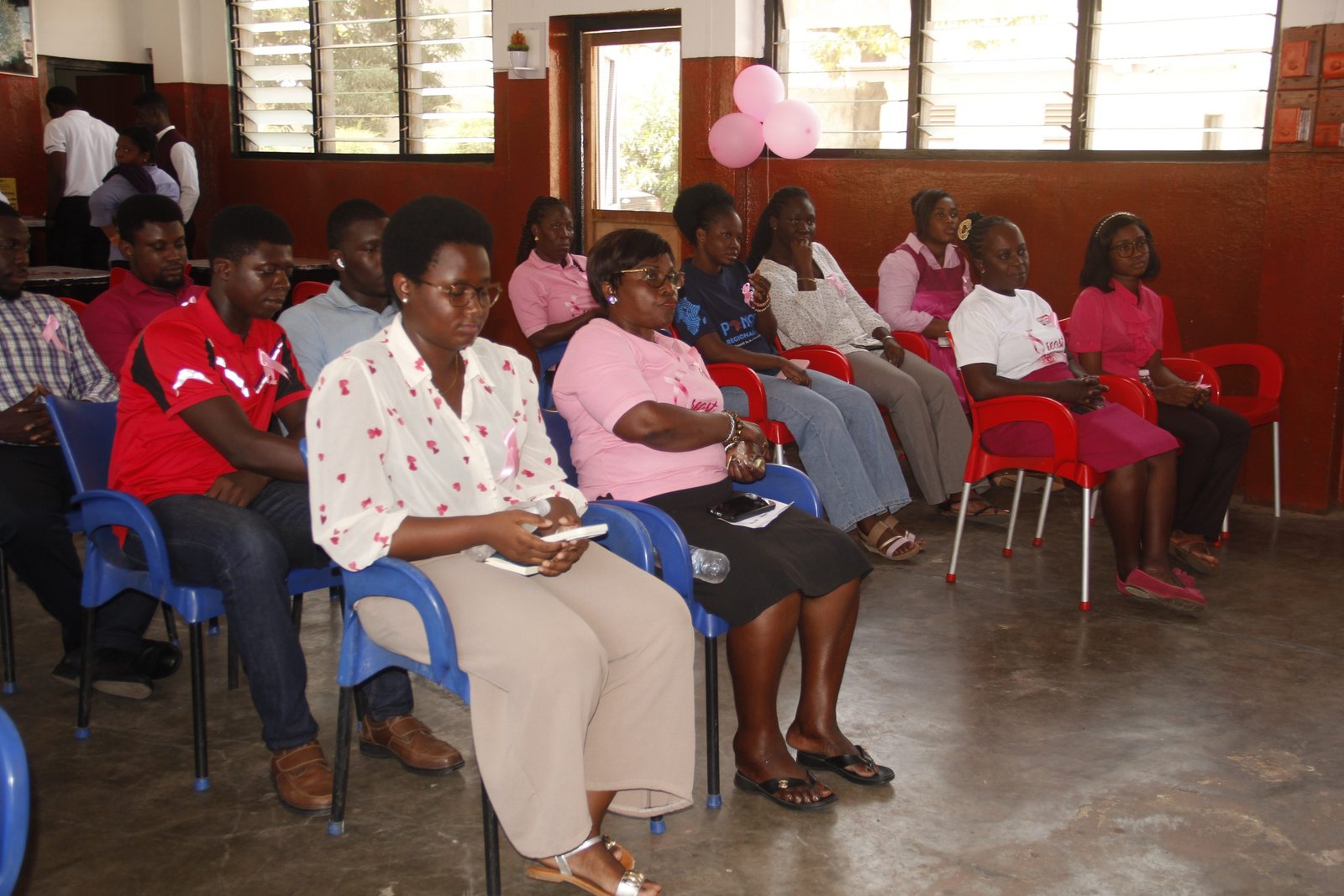
The event themed “Breast Cancer Awareness- Promoting Early Detection, Healthy Eating and Prevention.” 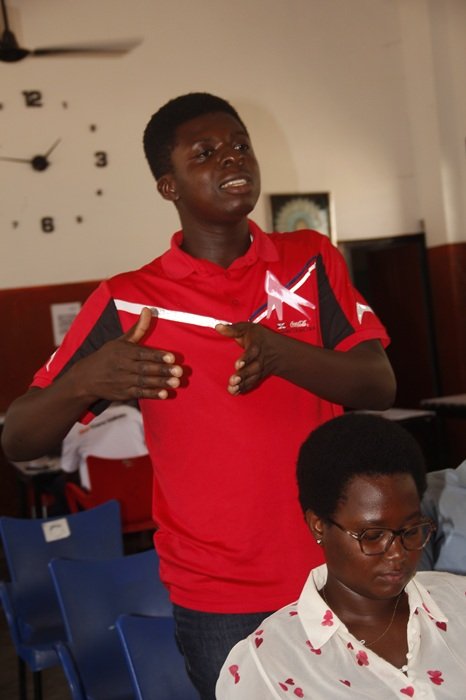
She noted that having a risk factor did not automatically mean a person would develop breast cancer, but could increase the likelihood of developing the disease compared with someone without that particular risk factor.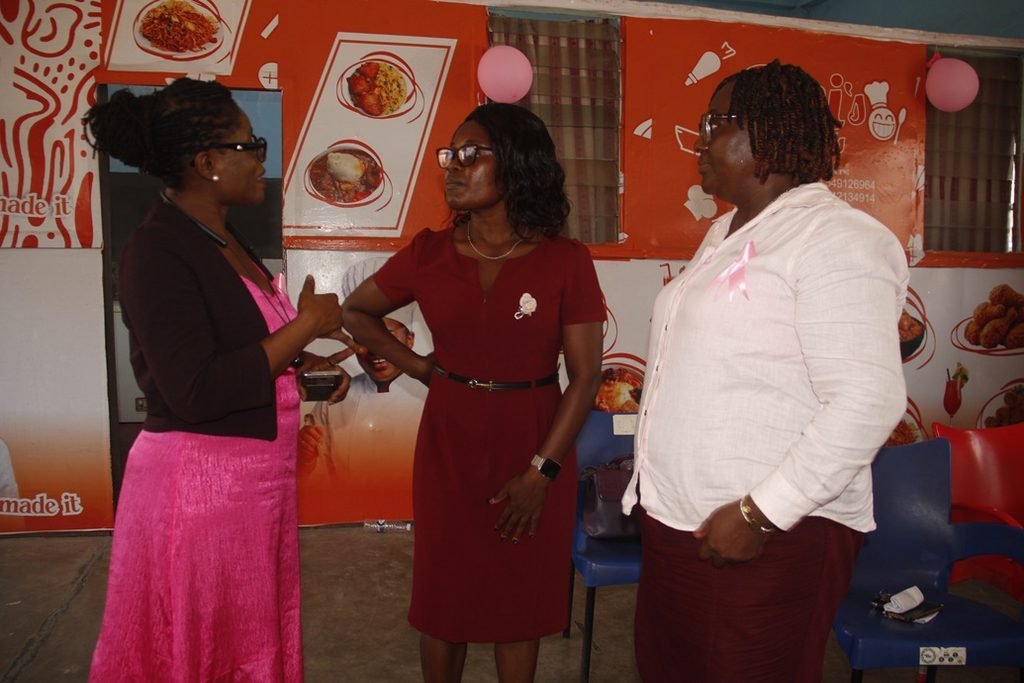
“Having close relatives who have had breast cancer, particularly a mother, sister or daughter, may increase the risk, although not everyone with a family history will develop the disease,” Dr Asare opined. Read More.
By Adizatu K. Munkaila
SKIP THE QUEUE, TAP THE NEWS
Read Daily News
You can now read the Ghanaian Times and The Spectator newspapers from the comfort of your device via TimesNewsPlus.
Buy Maps
Join our WhatsApp Channel: https://whatsapp.com/channel/0029VbBElzjInlqHhl1aTU27
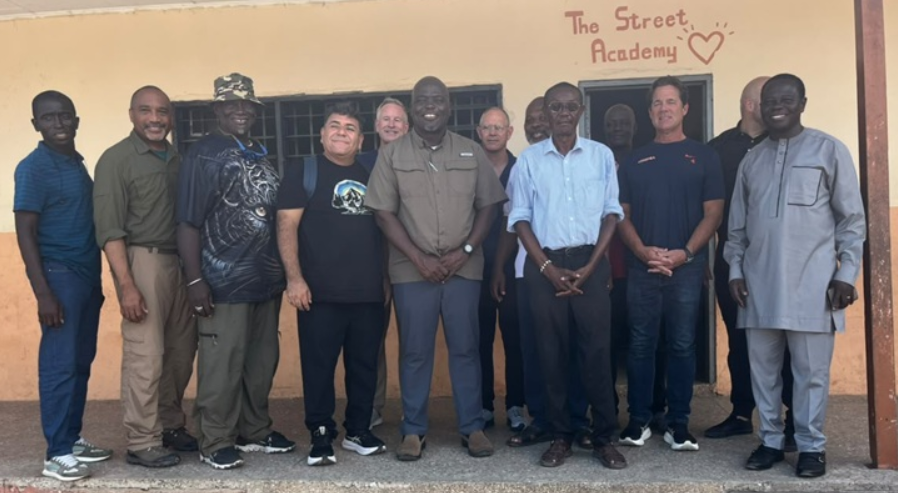
A group of compassionate friends from Innovation Gospel Impact last Friday visited the management, teachers and learners of the Street Academy in Accra.
The visit was to interact to get a deeper insight into the operations of the Academy that houses hundreds of street and underprivileged children and find ways to support them.
The team was led by Rev. Dr Isaac Apenteng Yeboah, a former Director for West African Mailbox Club and Director for Prisons Support Foundation, and Rev. Dale Sutherland from Washington DC.
The call, according to the visitors was occasioned by reports about the struggles of the Academy despite the occasional support it enjoys from individuals and some corporate entities.
Briefing them, the Founder and Executive Director of the Academy, Dr Ataa Lartey, thanked them for the concern showed, indicating that “this is a major boost for both teachers and learners; knowing that their plight is known by people outside their premises.”
According Dr Lartey, the Academy had planned to undertake a number of project to enhance teaching and learning and also procure facilities for the children with keen interest in sports but had to shelve those plans for lack of finance.
He told the team that their biggest concerns were the monthly utility bills that takes a toll on their finances.
“We have a piece of land we planned to turn into an astro turf pitch to train the younger ones whose interests lies in making a career out of football, however, we have been unable to commence because there is no money now,” he said.
Dr Lartey expressed gratitude to the teachers who have dedicated their lives to training these children, rather than going for well-paying jobs and hoped that with time, their conditions of engagement would improve.
Moved by the plight of the Academy, the group donated a cash amount of Gh₵3,000 to settle its water bills.
They described as unfortunate the conditions of learners and teachers of the Academy and pledged to continuously support their operations to realize the dream to build a better future for the unfortunate children.
The group offered to support the school with its monthly utility bills, feeding and staff allowance and urged the Academy staff to remain in constant touch with them.
The Street Academy is located at the Accra Art Center and offers brilliant but needy the chance to pursue their educational dreams by enrolling them in public schools with others offered training in sports and cultural activities.
By Spectator Reporter
SKIP THE QUEUE, TAP THE NEWS
You can now read the Ghanaian Times and The Spectator newspapers from the comfort of your device via TimesNewsPlus.
Join our WhatsApp Channel: https://whatsapp.com/channel/0029VbBElzjInlqHhl1aTU27