News
Diabetes and speaking in “tongues”

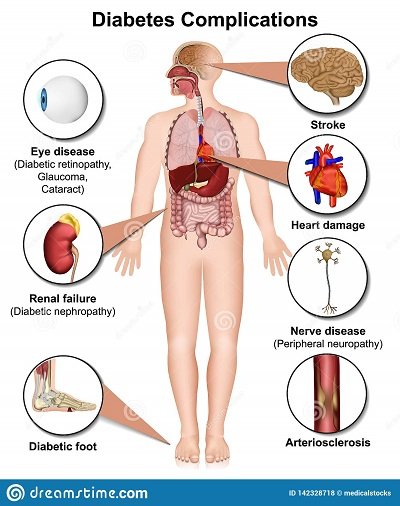
I have on several occasions had the unpleasant duty of telling family, friends and clients about a medical condition that they may be challenged with; heart disease, stroke, HIV, COVID-19, cancer etc. but none of them seem to have the same impact as DIABETES. Many people who have never seen the inside of a church building will break out into uncontrollable “tongues” that will amaze even the Apostles at Pentecost. That is how much diabetes is feared and it can cause havoc if not managed properly.
Diabetes on its own will not kill even if it wipes your bank account dry BUT the organ complications that come with poor management or no management is the killer. That is why the theme for World Diabetes Day (November 14) from 2021 to 2023 is ACCESS TO DIABETES CARE. Insulin which is the mainstay of diabetes and its management was discovered a century ago yet millions of people with diabetes around the world cannot access the care they need.
NO “SUGAR-COATED” STATISTICS
463 million adults have diabetes worldwide
To put in perspective, if people with diagnosed Diabetes were a country on its own, their population will be more than that of the USA.
THE International Diabetes Federation (IDF) predicts that 700 million people worldwide will have diabetes by 2045. Well, unless we all do something drastic.
Diabetes complications caused 4.2 million deaths worldwide in 2019.
Adults with diabetes have a two to three-fold increased risk of heart attacks and strokes (WHO, 2020).
85 per cent of the world’s foot amputations are a result of a diabetic foot ulcer. (The American Journal of Managed Care, 2018).
African-Americans are four times more likely than whites to have a diabetes-related amputation. (The American Journal of Managed Care, 2018).
Diabetes Retinopathy (long-term damage to retinal blood vessels) causes 2.6 per cent of vision loss worldwide. (WHO, 2020).
TELL-TALE SIGNS of DIABETES
The majority (90 per cent to 95 per cent) of people with diabetes have Type 2 diabetes and this starts slowly and we may often ignore the warning signs.
If we can test for COVID-19 for FREE and vaccinate for FREE, I dare say we owe it a duty to test every person over the age of 18 years for diabetes. Let us not wait. We have to stop the march towards 700 million people.
Be wary of these and see your healthcare professional immediately:
Increased appetite or unexplained weight loss
Slow-healing cuts
Frequent yeast infections (including “whites”)
Pain or numbness in extremities
Vision changes
Fruity or sweet-smelling breath
Fatigue or weakness
Dry mouth or dry skin
Extreme thirst
Frequent urination
TO-DO LIST STARTS TODAY
We cannot avoid certain risk factors such as age, people in our family with diabetes (family history) BUT we can modify some factors that will prevent or prolong the onset of prediabetes, Type 2 diabetes and complications of diabetes. Many of these require individual effort and that essentially means the power is in our hands to a large extent.
Today I will start the following and keep at it and I pray you do the same too;
Maintaining a healthy weight
The body loves moderation. Being underweight or overweight is a risk for several diseases including diabetes.
Losing 5 per cent to 7 per cent of body weight and exercising at least 150 minutes a week in addition decreased the risk of developing Type 2 diabetes in a study group by up to 58 per cent.
Eating a healthy diet and in the appropriate quantity
We definitely are what we eat…Haven’t we all had enough sugar? Can we start by cutting out sugar and reducing our portions of refined carbohydrates such as white bread and white rice?
Persistent physical activity or exercising at least five (5) days a week.
Yes by all means walk, ride a bike, swim and engage in interval training but also ensure you do “resistance exercises (using free weights, resistance bands, weight machines etc.) increased strength in adults with Type 2 diabetes by 50 per cent and improved glycated haemoglobin by 0.57 per cent.” (Diabetes Care, 2016). Glycated haemoglobin is a measure of our long-term control of blood sugar.
Managing Stress
Stress affects every part of our body and health. In addition to flooding our bodies with cortisol that will lead the charge to lay down fat in our midsection, it also affects our eating pattern, sleep duration and quality, drinking habits and exercise schedules. Unfortunately it does all these in the negative way.
Checking blood sugar
We surely need to check our blood sugar with or without symptoms of diabetes
Do not be stuck on just fasting blood sugar but sometimes insist on random blood sugar when you take a sample two hours after a meal for instance or even get a glycated haemoglobin test as well. Oh and there is no harm in checking your urine as well.
Diabetes is a PANDEMIC too and we need to take it more seriously. The cost to individuals, families and countries when people have diabetes and especially those with complications has always been underestimated. Very often we overlook the social, mental, physical/productivity aspects and focus only on the financials and even that has totally gone through the roof and is targeting space. I hope we can all do our bit to reach especially those who cannot afford to test and adopt the appropriate lifestyle. May the powers that be listen and act.
AS ALWAYS LAUGH OFTEN, ENSURE HYGIENE, WALK AND PRAY EVERYDAY AND REMEMBER IT’S A PRICELESS GIFT TO KNOW YOUR NUMBERS (blood sugar, blood pressure, blood cholesterol, BMI)
Dr. Kojo Cobba Essel
Health Essentials Ltd/ Mobissel Ltd
Dr. Essel is a medical doctor, holds an MBA and is ISSA certified in exercise therapy, fitness nutrition and corrective exercise.
Thought for the week –“In 2012 about 56 million people died throughout the world; 620,000 of them died due to human violence (war killed 120,000 people, and crime killed another 500,000).
In contrast, 800,000 committed suicide, and 1.5 million died of diabetes. Sugar is now more dangerous thangunpowder.”
― Yuval Noah Harari, Homo Deus: A History of Tomorrow
References:
International Diabetes Federation (IDF)
World Health Organisation (WHO)
By Dr. Kojo Cobba Essel


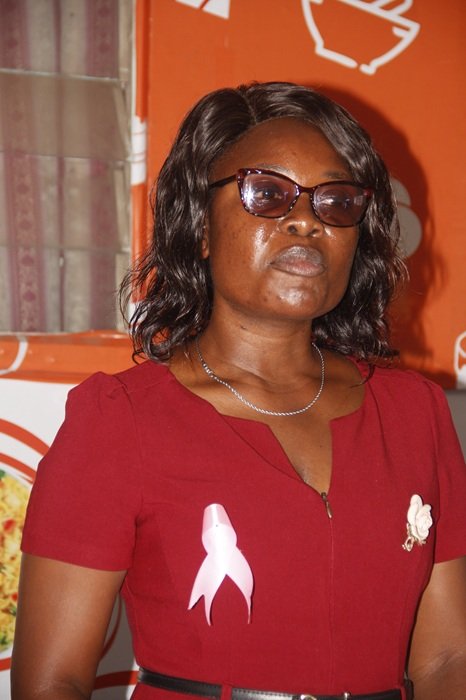
Medical Doctor and dietician, Dr Bernice Korkor Asare, has urged women to take greater responsibility for their lifestyle choices, particularly their eating habits and levels of physical activity, to help reduce their risk of developing breast cancer.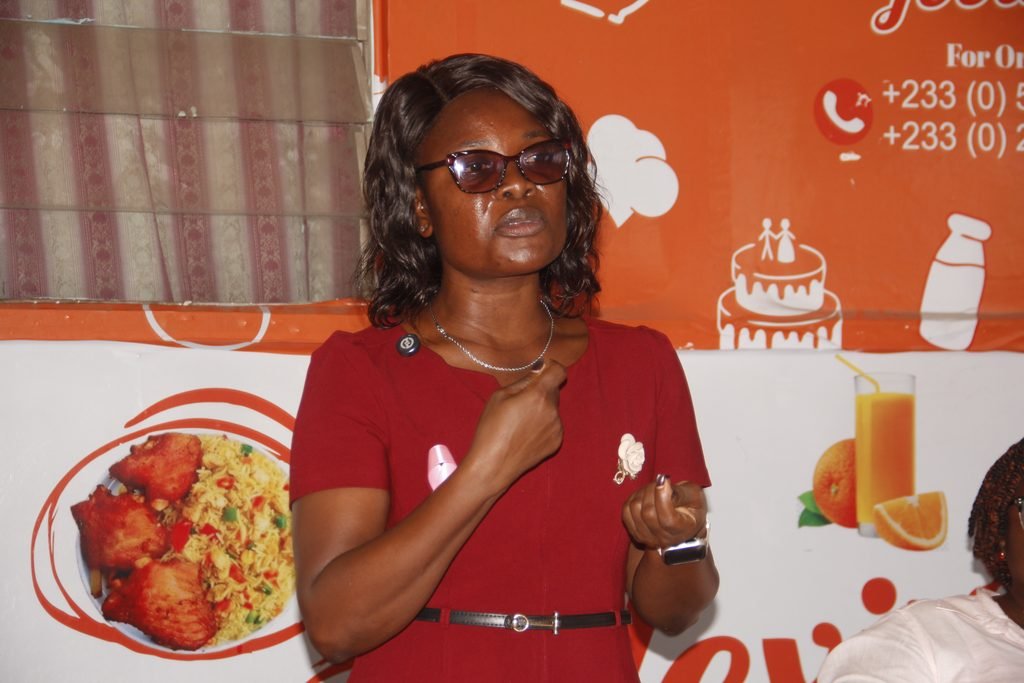

According to her, although, some breast cancer risk factors, such as family history and certain reproductive factors, may not be within an individual’s control, lifestyle choices offer an opportunity for people to take preventive action.
She made this known during a talk on the topic: “Role of diet in breast cancer prevention” organised by Times Ladies Association of the New Times Corporation, publishers of The Ghanaian Times and The Spectator, in Accra on Thursday.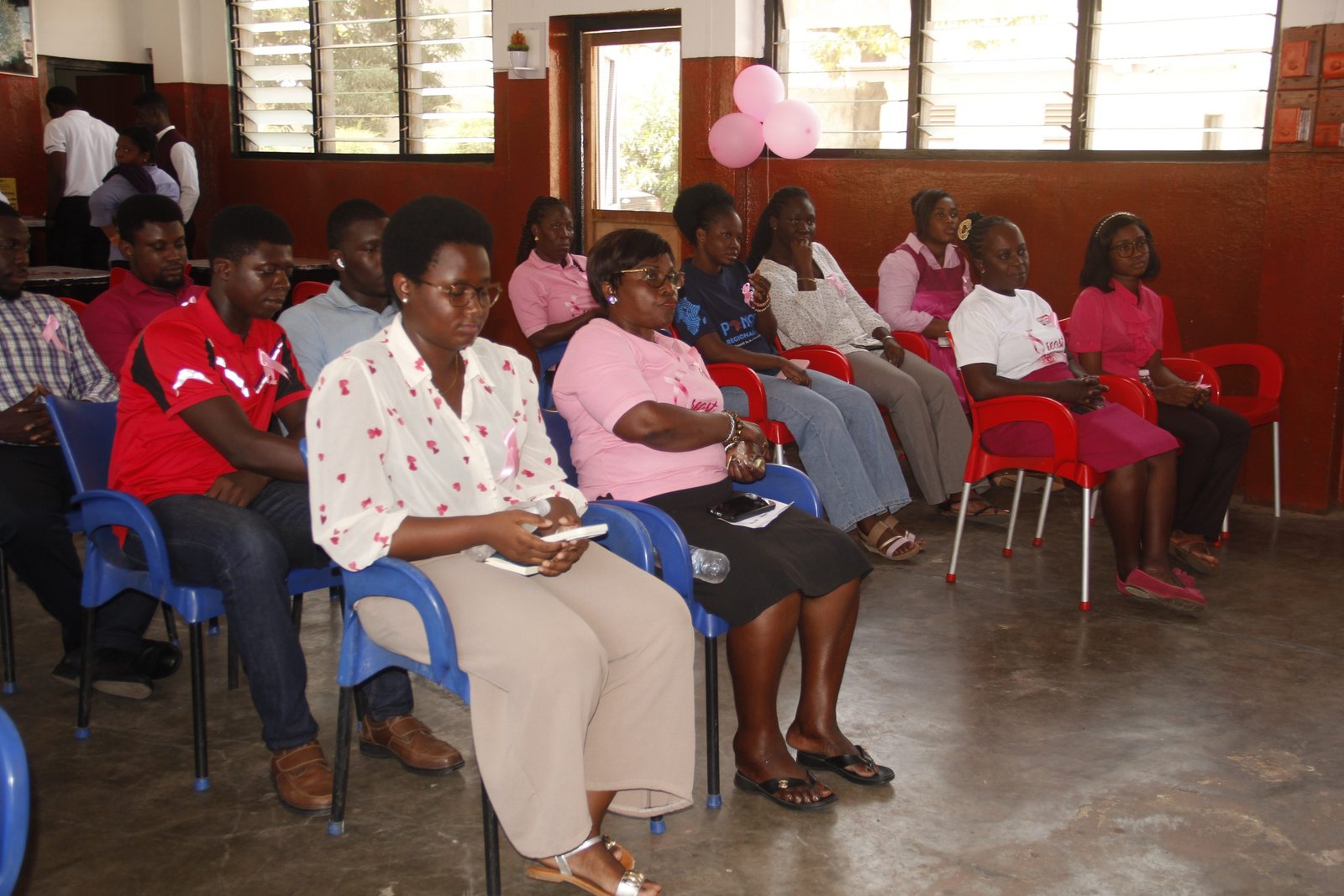
The event themed “Breast Cancer Awareness- Promoting Early Detection, Healthy Eating and Prevention.” 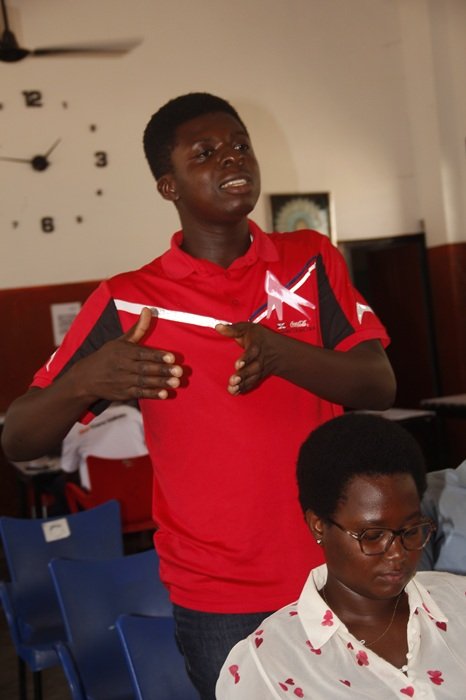
She noted that having a risk factor did not automatically mean a person would develop breast cancer, but could increase the likelihood of developing the disease compared with someone without that particular risk factor.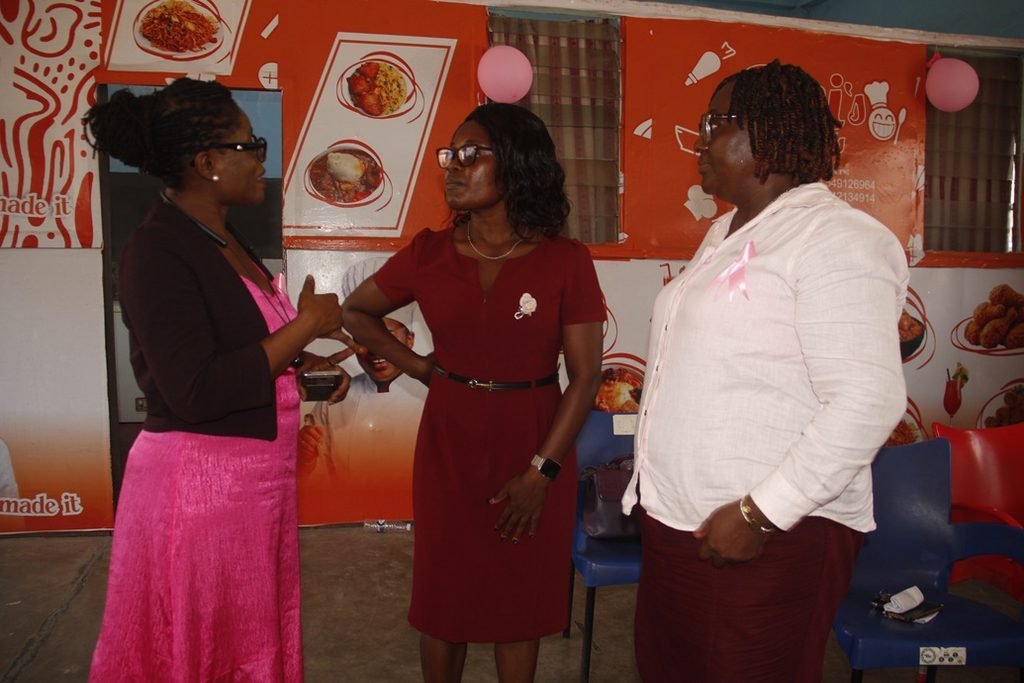
“Having close relatives who have had breast cancer, particularly a mother, sister or daughter, may increase the risk, although not everyone with a family history will develop the disease,” Dr Asare opined. Read More.
By Adizatu K. Munkaila
SKIP THE QUEUE, TAP THE NEWS
Read Daily News
You can now read the Ghanaian Times and The Spectator newspapers from the comfort of your device via TimesNewsPlus.
Buy Maps
Join our WhatsApp Channel: https://whatsapp.com/channel/0029VbBElzjInlqHhl1aTU27
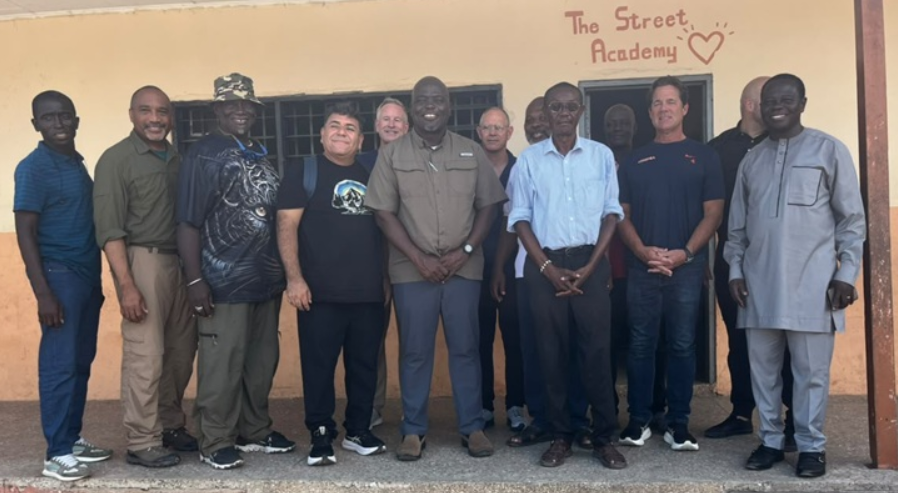
A group of compassionate friends from Innovation Gospel Impact last Friday visited the management, teachers and learners of the Street Academy in Accra.
The visit was to interact to get a deeper insight into the operations of the Academy that houses hundreds of street and underprivileged children and find ways to support them.
The team was led by Rev. Dr Isaac Apenteng Yeboah, a former Director for West African Mailbox Club and Director for Prisons Support Foundation, and Rev. Dale Sutherland from Washington DC.
The call, according to the visitors was occasioned by reports about the struggles of the Academy despite the occasional support it enjoys from individuals and some corporate entities.
Briefing them, the Founder and Executive Director of the Academy, Dr Ataa Lartey, thanked them for the concern showed, indicating that “this is a major boost for both teachers and learners; knowing that their plight is known by people outside their premises.”
According Dr Lartey, the Academy had planned to undertake a number of project to enhance teaching and learning and also procure facilities for the children with keen interest in sports but had to shelve those plans for lack of finance.
He told the team that their biggest concerns were the monthly utility bills that takes a toll on their finances.
“We have a piece of land we planned to turn into an astro turf pitch to train the younger ones whose interests lies in making a career out of football, however, we have been unable to commence because there is no money now,” he said.
Dr Lartey expressed gratitude to the teachers who have dedicated their lives to training these children, rather than going for well-paying jobs and hoped that with time, their conditions of engagement would improve.
Moved by the plight of the Academy, the group donated a cash amount of Gh₵3,000 to settle its water bills.
They described as unfortunate the conditions of learners and teachers of the Academy and pledged to continuously support their operations to realize the dream to build a better future for the unfortunate children.
The group offered to support the school with its monthly utility bills, feeding and staff allowance and urged the Academy staff to remain in constant touch with them.
The Street Academy is located at the Accra Art Center and offers brilliant but needy the chance to pursue their educational dreams by enrolling them in public schools with others offered training in sports and cultural activities.
By Spectator Reporter
SKIP THE QUEUE, TAP THE NEWS
You can now read the Ghanaian Times and The Spectator newspapers from the comfort of your device via TimesNewsPlus.
Join our WhatsApp Channel: https://whatsapp.com/channel/0029VbBElzjInlqHhl1aTU27