News
Intake of ‘Gobe’ can prevent heart diseases —Nutritionists


Nutritionists have advised Ghanaians to eat more beans-based meals, including the popular local dish, gari and beans, also known as ‘Gobe’ to prevent heart diseases. They said incidences of obesity and cancer could be minimised with the regular intake of beans meals.
At a programme in Accra to mark the World Pulses ( Beans) Day on Monday, Mr Wise Chukudi Letsa, Nutritionist and Dietician, who spoke on the topic: ‘Beans: The Super Food for Healthy Living and Healthy Farmlands,’ admonished Ghanaians to include beans in their diets.
Mr Letsa said beans was rich in protein, fibre, vitamins, minerals, irons and other nutrients and contained just a little fat. Mr Letsa, a Nutritionist with Lets Consult, stated that the presence of those nutrients in beans explained why its intake could prevent heart diseases and other ailments, hence the need to consume it regularly.
The event, dubbed: ‘Meatless Monday’ was organised by the Communications Initiative for Change (CIC), a Ghanaian non-profit organisation.
The ‘Meatless Monday’ is an initiative aimed at encouraging Ghanaians to reduce their intake of meat by taking in more beans-based meals on every Monday of a week.
It was launched after the United Nations in 2019, set aside February 10 to celebrate and encourage the consumption of pulses (beans) worldwide. This year’s celebration was hinged on the theme: ‘Bringing Diversity to Agrifood Systems.’
Mr Peter Agbovi, National Secretary, Chefs Association of Ghana, said a variety of meals could be prepared with beans, which include Waakye (rice and beans), Kose (beans paste made into cakes), Ayikple, Aboboi, Tuo Zaafi, Akyeke, and kakro.
He encouraged Ghanaians to consume more of those foods to stay healthy.
Mr Emmanuel Fiagbey, the Executive Director, CIC, indicated that even if people could not eat beans-based meals regularly, efforts should be made to consume them every Monday.
He said that was the essence of the introduction of the ‘Meatless Monday’ initiative. -GNA









Ahyiresu and Abofrem, two quiet communities in the Atwima Mponua District, have been shaken to the core by a chilling midnight drama that reads like a nightmare.
A pastor and a young mother stand accused of attempting to bury a five‑month‑old baby girl alive, a crime that has ignited outrage and disbelief across the township.
According to police, Apostle Richmond Akwasi Frimpong, 36, Head Pastor of the Anointed Grace Prayer Ministry at Kuffour Camp, conspired with his uncle Emmanuel Appiah, 53, and the child’s mother, 23‑year‑old Beatrice Agyapomaa, to dispose of the infant, Anaya Achiaa, under the cover of darkness.
A fourth suspect, Emmanuel Donkor, remains on the run.
The suspects were caught near a refuse dump around 10 pm on April 9, 2026, after a vigilant resident, Akwasi Twezor, noticed their suspicious movements.
When confronted, they claimed the child was already dead and had palace approval for burial. But Twezor’s instincts proved right—the baby was still alive, gasping faintly for breath.
Chief Linguist, Nana Yaw Badu, later confirmed that Frimpong had misled him earlier in the evening, securing permission for burial by falsely declaring the child dead.
The infant was rushed to the Abofrem Clinic, where she is now responding well to treatment. Police described her as “very beautiful.”
Assistant Superintendent of Police (ASP) Evelyn Yitamkey, Commander of DOVVSU in Bibiani, confirmed that the suspects have been provisionally charged.
Frimpong faces attempted murder and conspiracy charges, while Agyapomaa and Appiah are charged with conspiracy and abetment.
They were remanded by the Bibiani Circuit Court, presided over by Judge Frank Asiedu Nimako, to assist investigations.
The docket has been forwarded to the Attorney General’s Department for advice, ASP Yitamkey indicated.
The attempted crime has provoked fury among residents, many suspecting ritual motives aimed at bolstering the pastor’s influence.
Crowds attempted to attack the suspects outside court, but police intervention prevented mob justice.
The Assembly Member for Ahyiresu, Yusuf Suleiman, has assured residents that justice will be pursued swiftly.
From Kingsley E. Hope, Kumasi
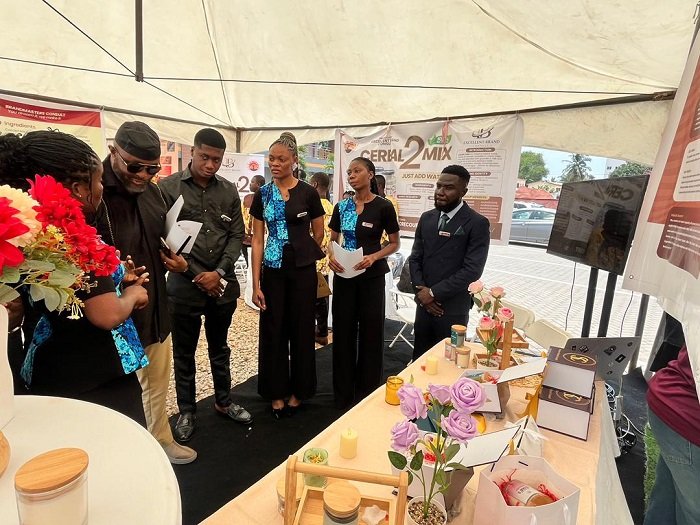
The forecourt of the African University of Communications and Business (AUCB) in Accra came alive on Friday with colour, creativity and innovation, as Level 300 students transformed the space into a lively exhibition of ideas.
Under the theme “Building meaningful brands beyond the logo,” the students invited patrons into a world where ordinary products were reimagined through storytelling, design and purpose.




From scented candles to innovative food concepts, each stand told a unique story, one that went beyond aesthetics to capture identity, value and human connection.
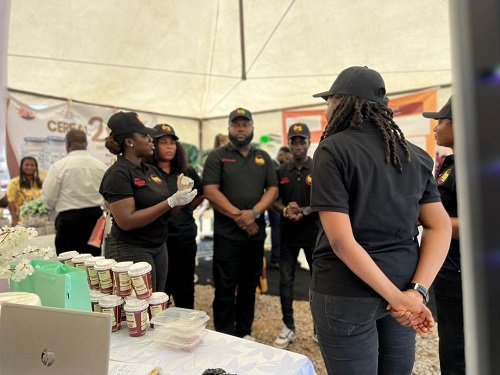

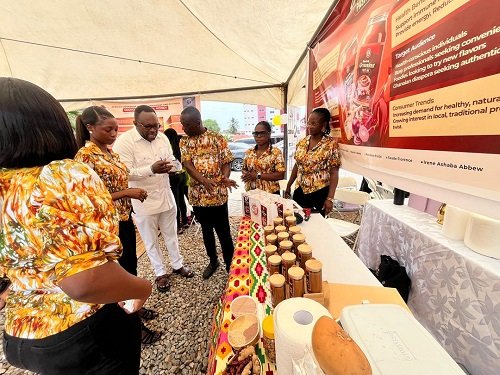
For many of the students, the event was more than just an academic exercise; it was a moment to dream out loud.
Guided by their lecturer, Peter Wonders, they explored what it truly means to build a brand in today’s competitive world where trust, consistency and experience matter just as much as logos and slogans.
Chairman of the occasion, Nana Kum Gyata VI, in his remarks said a brand is what people say about you when you are not present.
At the end of the presentations, awards were presented to deserving groups with Vida Nyaneba emerging as the overall best branding student.
By Esinam Jemima Kuatsinu
Follow our WhatsApp Channel now! https://whatsapp.com/channel/0029VbAjG7g3gvWajUAEX12Q