News
Early Detection, Better Survival: Why cancer diagnostics matter

For years, 39-year-old Effia from Krofrom, a village in Ghana’s Ashanti Region, endured persistent breast pain.
Since 2015, she had noticed the discomfort but kept postponing a hospital visit, fearing the financial burden of any potential diagnosis. As a single mother, she simply could not afford it.
Instead, she turned to prayers, painkillers, and herbal remedies.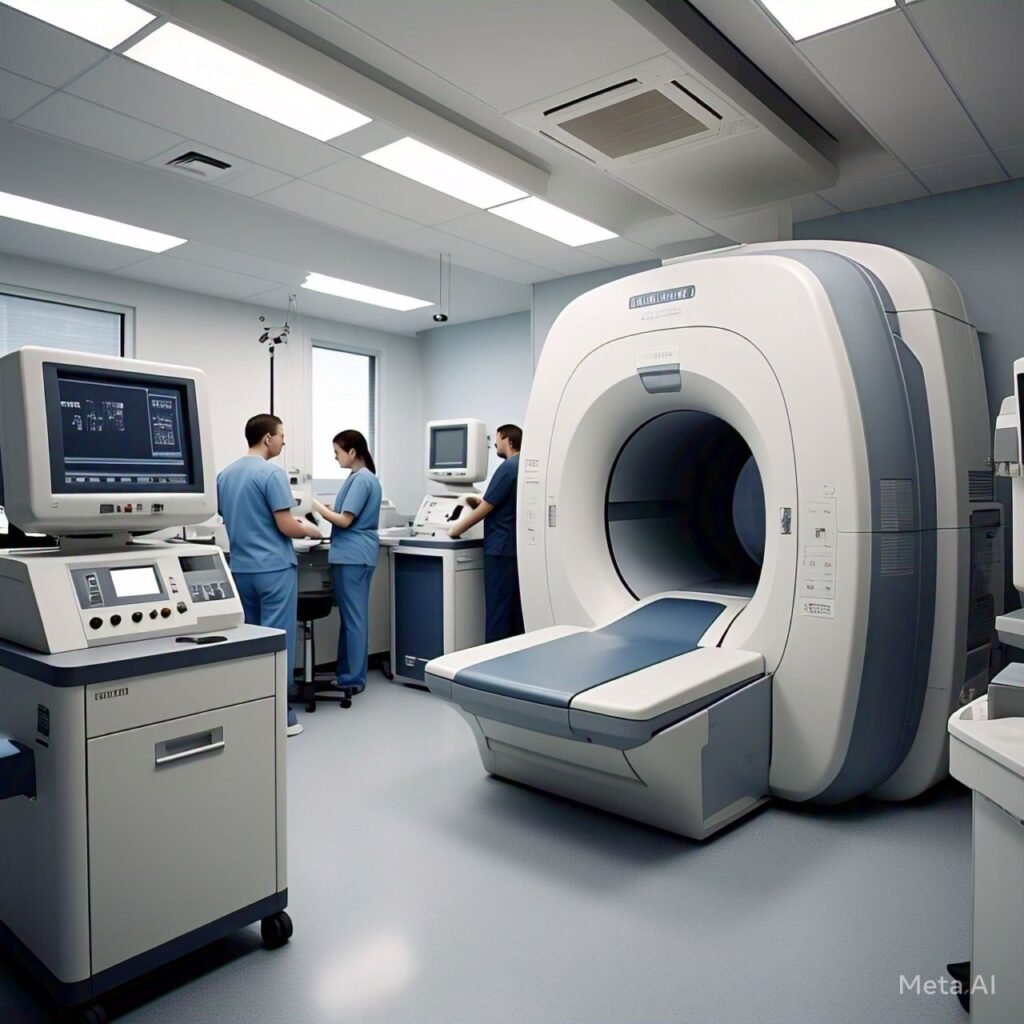
But when her breast began to ulcerate, she finally sought medical help. By then, it was too late—the cancer had already spread to her bones.
Referred to a tertiary hospital, Effia was diagnosed with stage four breast cancer. She fought bravely through treatment, but the disease claimed her life, leaving behind a now 13-year-old daughter to face life without her mother.
Effia’s story is not unique. Across Ghana and other low-and middle-income countries (LMICs), many people are losing their lives to cancer due to late detection and diagnosis, severely affecting treatment outcomes and survival rates.
The Rising Cancer Crisis in Ghana
According to the World Health Organization (WHO), cancer is responsible for nearly 10 million deaths annually, with one in six deaths worldwide linked to the disease.
Alarmingly, over 70% of these deaths occur in LMICs, including Ghana, where 27,385 new cases and 17,944 cancer-related deaths were recorded in 2022 alone.
Health experts attribute Ghana’s rising cancer incidence and mortality rates to several factors, including lifestyle changes, inadequate healthcare infrastructure, and delayed diagnoses.
However, there is hope. Various stakeholders—including government agencies, civil society organizations, private-sector players, and development partners—are working to improve public awareness, screening, treatment, and research to curb the country’s growing cancer burden.
Barriers to Effective Cancer Care
Despite these efforts, significant challenges remain. The country faces critical shortages in cancer diagnostic equipment, treatment centers, and trained health personnel. This gap, experts say, is costing lives.
“The gap is wide in terms of infrastructure—diagnostic centers, treatment centers, and their unequal distribution between urban and rural areas. Even screening exercises are mostly centered in Accra and major cities.This contributes to misdiagnosis, late diagnosis, and higher mortality rates,” said Eric Odei Brobbey, Head of the Chemotherapy Unit at the Surgical Department of Korle-Bu Teaching Hospital.
Mr. Brobbey emphasized that while training health personnel is crucial, access to diagnostic tools is even more important for early detection and treatment.
“Take breast cancer, for example, I’m told that in all five northern regions of Ghana, there is no mammogram machine. Imagine how difficult it is to diagnose breast or any other form of cancer in these areas,” he added.
“Some patients must send samples all the way to Korle-Bu in Accra or Komfo Anokye in Kumasi for pathological analysis before they can even begin treatment. If we don’t address this, misdiagnosis will persist, and preventable deaths will continue,” he warned.
Calls for Policy Changes and Investments
As Vice President of the Cancer Support Network Foundation, Mr. Brobbey is advocating for greater government intervention, urging authorities to invest in cancer diagnostics and treatment at the regional level.
He also called for the inclusion of full diagnosis and treatment of leading adult cancers under Ghana’s National Health Insurance Scheme (NHIS).
Beyond government action, he stressed the need for public-private partnerships to strengthen cancer care delivery.
He encouraged Ghanaians to be proactive about their health, urging them to seek second opinions if they have doubts about their diagnoses.
“If you are unsure about a diagnosis or the treatment you’re receiving, insist on a second opinion or request a referral to a bigger facility. Don’t wait—by the time you realize it, the cancer might have progressed to an advanced stage,” he advised.
The Role of the Private Sector in Cancer Care
Private sector players like Siemens Healthineers, a global healthcare technology company, are stepping in to support Ghana’s fight against cancer.
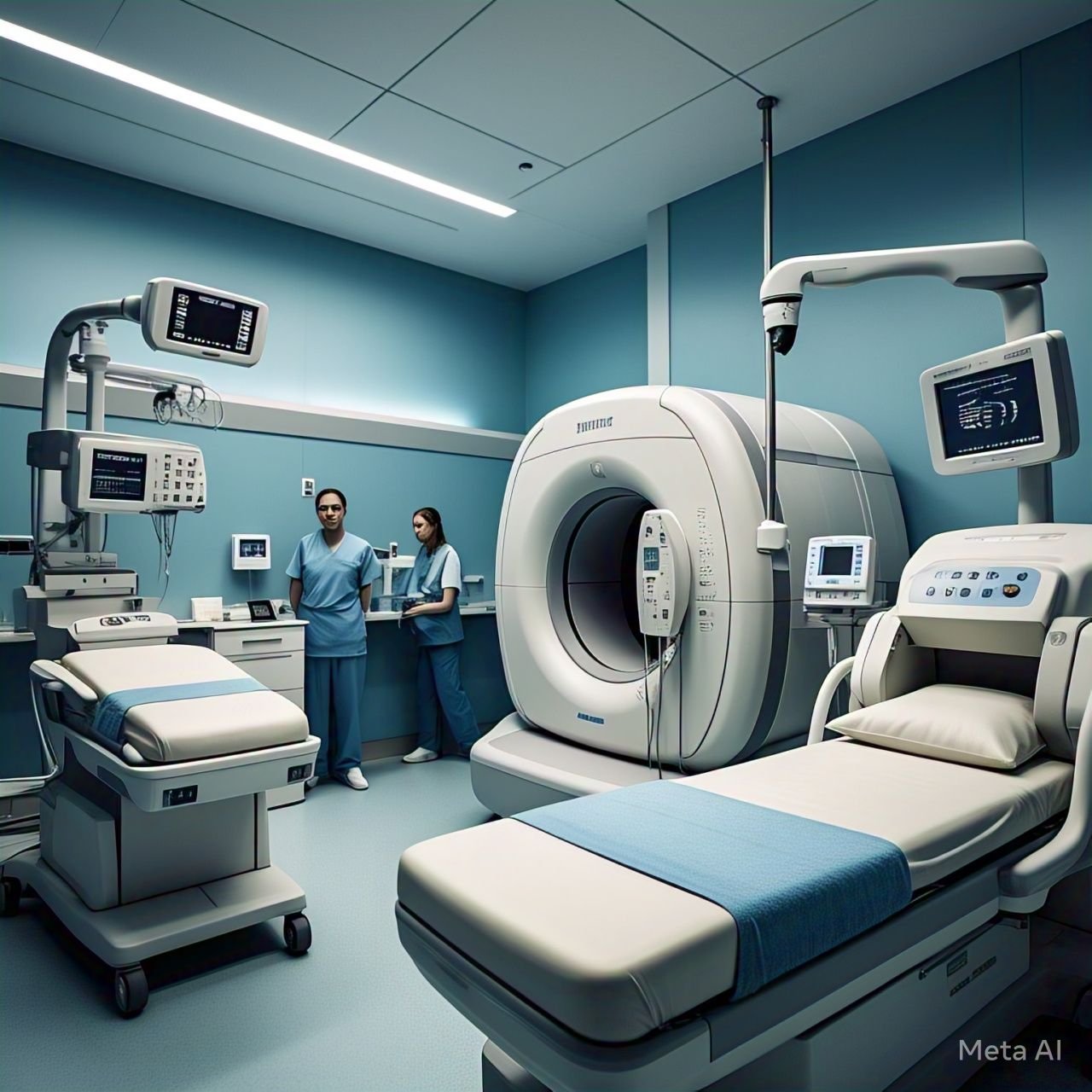
The company has been instrumental in installing advanced diagnostic equipment such as CT and MRI scanners, cath labs for cardiovascular care, X-ray, and ultrasound machines in key hospitals in Accra and Kumasi.
“Besides cities, we are also reaching the remote areas of Ghana – a rural hospital in Akwatia now has a CT and MRI, which is the first such in the district and patients need not travel to cities anymore to access these facilities,” Tisha Boatman, Executive Vice President of Siemens shared.
Moved by personal experience, Siemens Healthineers has also recently partnered with the City Cancer Challenge Foundation (C/Can) and Breast Cancer International (BCI) a non-profit organisation, to improve breast cancer advocacy and reduce the time between diagnosis and treatment.
“The motivation stems from the high incidence of breast cancer and the challenges Ghanaian women face in accessing timely diagnostics and treatment, leading to lower survival rates when diagnosed late,” said Boatman, also a breast cancer survivor
She remains optimistic that by 2025, the programme will significantly reduce the time from diagnosis to therapy, saving countless lives.
Adding that “To the Executive President, access to health care healthcare should not be a privilege reserved for a few but a fundamental right for all, regardless of social status, education, or economic background.”
“My advice to all women is this: Examine yourself regularly and demand the best treatment—because we all deserve it, no matter who we are,” she urged.
The Way Forward
The theme for World Cancer Day 2025, “United by Unique”, underscores the importance of recognizing each individual’s distinct cancer journey while advocating for people-centered care.
This is particularly relevant in cancer diagnostics, where advancements in precise medication, early detection, and tailored treatment play a crucial role in improving patient outcomes.
As Ghana grapples with multiple public health challenges, improving cancer diagnosis and treatment must become a national priority.
Public-private partnerships, investment in healthcare infrastructure, and widespread awareness campaigns will be crucial in ensuring timely and effective cancer care.
For now, one message is clear: early detection saves lives and that thrives on accurate diagnosis and for thousands of Ghanaians, this could mean the difference between life and death.
BY ABIGAIL ANNOH








Ahyiresu and Abofrem, two quiet communities in the Atwima Mponua District, have been shaken to the core by a chilling midnight drama that reads like a nightmare.
A pastor and a young mother stand accused of attempting to bury a five‑month‑old baby girl alive, a crime that has ignited outrage and disbelief across the township.
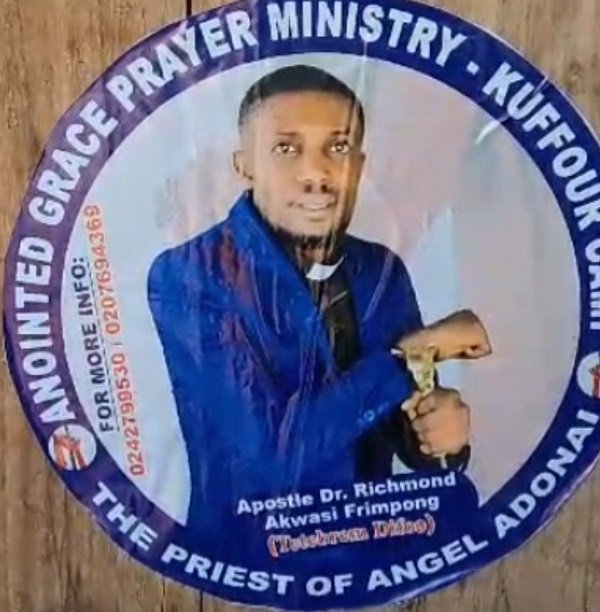
According to police, Apostle Richmond Akwasi Frimpong, 36, Head Pastor of the Anointed Grace Prayer Ministry at Kuffour Camp, conspired with his uncle Emmanuel Appiah, 53, and the child’s mother, 23‑year‑old Beatrice Agyapomaa, to dispose of the infant, Anaya Achiaa, under the cover of darkness.
A fourth suspect, Emmanuel Donkor, remains on the run.
The suspects were caught near a refuse dump around 10 pm on April 9, 2026, after a vigilant resident, Akwasi Twezor, noticed their suspicious movements.
When confronted, they claimed the child was already dead and had palace approval for burial. But Twezor’s instincts proved right—the baby was still alive, gasping faintly for breath.
Chief Linguist, Nana Yaw Badu, later confirmed that Frimpong had misled him earlier in the evening, securing permission for burial by falsely declaring the child dead.
The infant was rushed to the Abofrem Clinic, where she is now responding well to treatment. Police described her as “very beautiful.”
Assistant Superintendent of Police (ASP) Evelyn Yitamkey, Commander of DOVVSU in Bibiani, confirmed that the suspects have been provisionally charged.
Frimpong faces attempted murder and conspiracy charges, while Agyapomaa and Appiah are charged with conspiracy and abetment.
They were remanded by the Bibiani Circuit Court, presided over by Judge Frank Asiedu Nimako, to assist investigations.
The docket has been forwarded to the Attorney General’s Department for advice, ASP Yitamkey indicated.
The attempted crime has provoked fury among residents, many suspecting ritual motives aimed at bolstering the pastor’s influence.
Crowds attempted to attack the suspects outside court, but police intervention prevented mob justice.
The Assembly Member for Ahyiresu, Yusuf Suleiman, has assured residents that justice will be pursued swiftly.
From Kingsley E. Hope, Kumasi
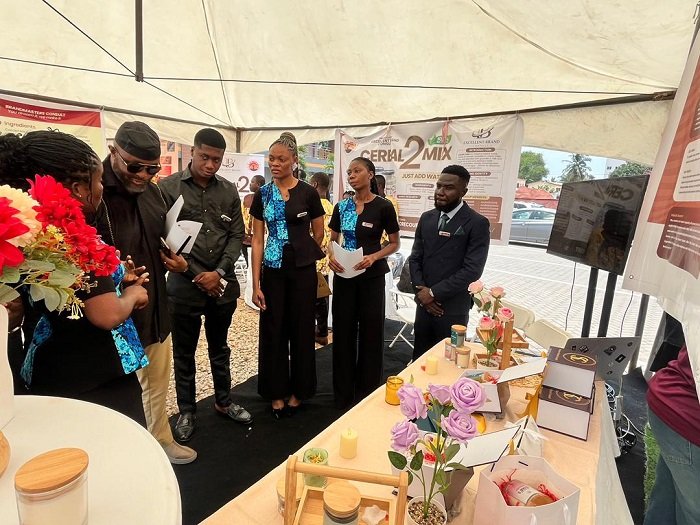
The forecourt of the African University of Communications and Business (AUCB) in Accra came alive on Friday with colour, creativity and innovation, as Level 300 students transformed the space into a lively exhibition of ideas.
Under the theme “Building meaningful brands beyond the logo,” the students invited patrons into a world where ordinary products were reimagined through storytelling, design and purpose.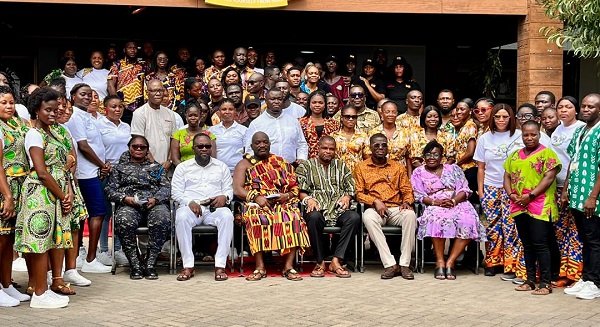
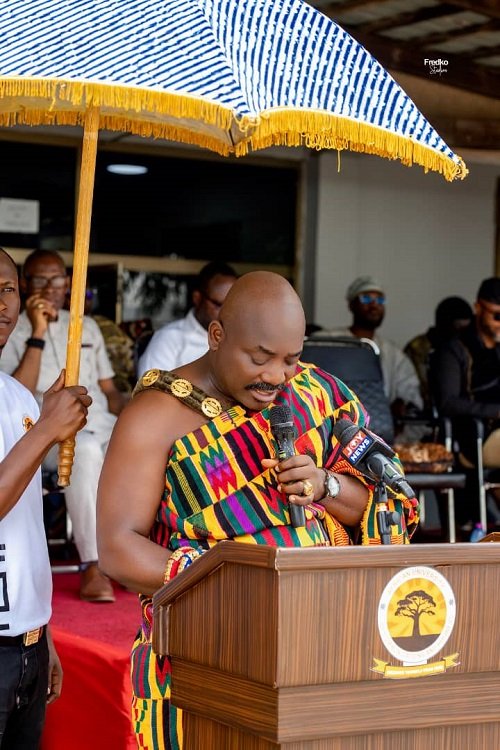
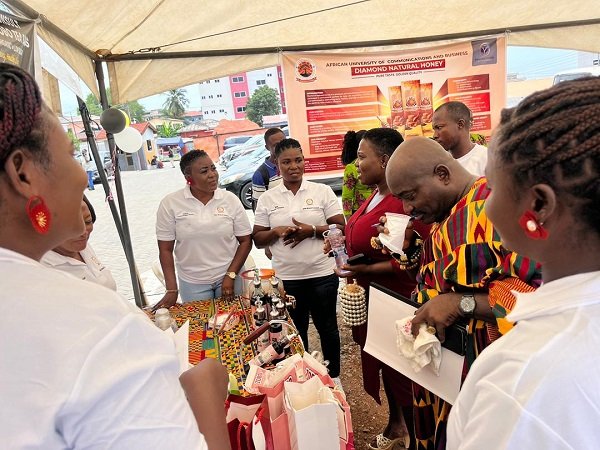
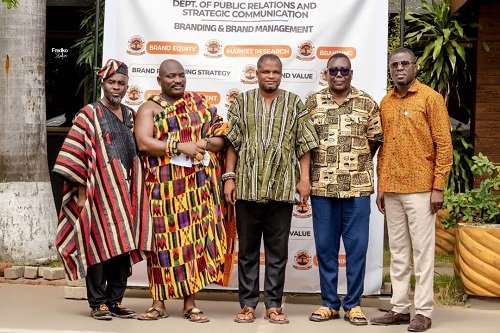
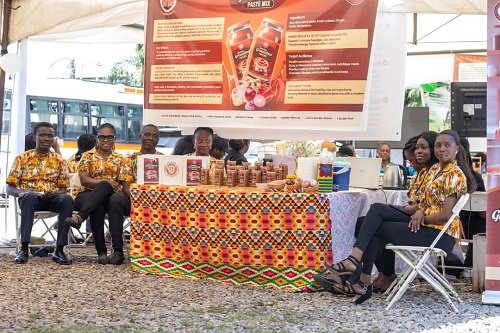
From scented candles to innovative food concepts, each stand told a unique story, one that went beyond aesthetics to capture identity, value and human connection.
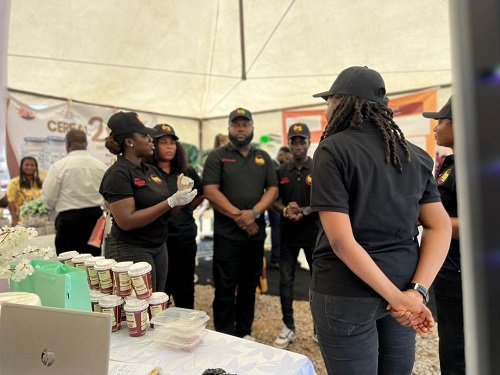
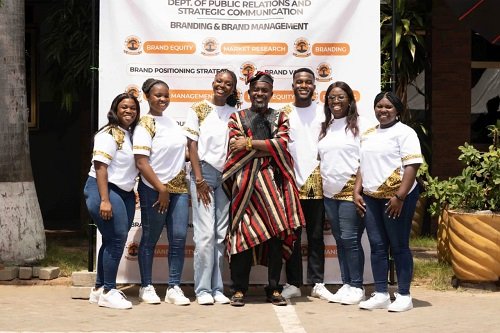
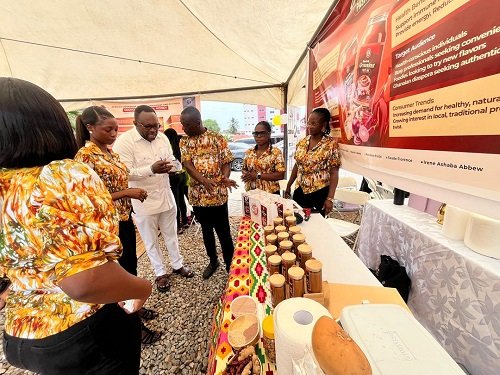
For many of the students, the event was more than just an academic exercise; it was a moment to dream out loud.
Guided by their lecturer, Peter Wonders, they explored what it truly means to build a brand in today’s competitive world where trust, consistency and experience matter just as much as logos and slogans.
Chairman of the occasion, Nana Kum Gyata VI, in his remarks said a brand is what people say about you when you are not present.
At the end of the presentations, awards were presented to deserving groups with Vida Nyaneba emerging as the overall best branding student.
By Esinam Jemima Kuatsinu
Follow our WhatsApp Channel now! https://whatsapp.com/channel/0029VbAjG7g3gvWajUAEX12Q